SardineCon SF/2026

Learn More
FRAUDFORWARD
#96

Onde estivemos e o que vem a seguir: entendendo a prevenção de fraudes no setor bancário

24 min

E aí, combatentes de fraude, sejam bem-vindos ao Fraud Forward!

Este episódio é só entre mim e você e, sinceramente, isso pareceu o certo. O Fraud Forward sempre foi sobre conversas reais, mas de vez em quando acho importante pausar, dar um passo para trás e conversar de igual para igual sobre onde estivemos, o que tenho construído e para onde esse trabalho está indo. Sem convidados. Sem painel. Sem bate-papo ensaiado. Apenas um check-in de verdade sobre prevenção a fraudes no setor bancário e as decisões que estão moldando o que vem pela frente.

Este episódio é importante porque as questões à nossa frente estão ficando maiores, não menores. Já não estamos apenas falando de tendências de fraude de forma isolada. Estamos falando de IA na banca, autorização de pagamentos, resolução de disputas de clientes nos bancos, tomada de decisão em tempo real e dos problemas de governança que estão por trás de tudo isso. Se você trabalha com fraude, risco, pagamentos, compliance ou banca digital, já sabe que esta não é uma conversa sobre um cenário futuro. Ela está acontecendo agora.

E esse é realmente o cerne deste episódio. A prevenção a fraudes no setor bancário deixou de ser apenas identificar atividades suspeitas depois que elas acontecem. Trata-se de saber se as instituições conseguem tomar melhores decisões mais cedo, com melhor contexto, melhor governança e melhor alinhamento entre as equipes. Essa é a mudança. É isso que tenho ouvido nos corredores de conferências, visto nas conversas com operadores e construído nos bastidores.

Também quis tornar este episódio pessoal, porque isso também é importante. Já estive na posição de quem atua na linha de frente. Eu sei como é ter de defender perdas por fraude numa reunião de diretoria, ser questionado sobre como a sua instituição se compara às demais, explicar por que uma regra foi acionada e carregar a pressão de tomar a decisão certa com informações incompletas. Então, quando falo sobre agentes de IA em bancos, detecção de fraude bancária ou IA responsável no setor bancário, não estou falando de longe. Estou falando da perspectiva de alguém que sabe como é quando a realidade operacional chega primeiro à mesa de fraude.

Veja o que essa mudança significa na prática:

  • Precisamos parar de tratar a fraude apenas como um problema de detecção e começar a tratá-la como um problema de governança e tomada de decisão.
  • Precisamos de maneiras melhores de avaliar fraudes de autorização de clientes, disputas e o risco de transações em tempo real antes que as perdas se consolidem.
  • Precisamos de métricas mais claras em nível operacional para que bancos e cooperativas de crédito possam defender recursos com base em fatos, não em suposições.
  • Precisamos de uma colaboração mais forte entre as equipes de fraude, conformidade, produto, operações e liderança, porque nenhuma equipe consegue resolver isso sozinha.

O que você vai ouvir neste episódio:

  • Uma retrospectiva dos principais temas das conversas recentes do Fraud Forward, incluindo IA, KYC, fraude em pagamentos e risco em nível de sistemas.
  • O que tenho desenvolvido nos bastidores para apoiar os profissionais de combate à fraude com sinais mais claros, contexto mais rápido e orientações mais práticas.
  • Por que o benchmarking se tornou uma das lacunas mais importantes a serem preenchidas para bancos comunitários e cooperativas de crédito.
  • O que tenho observado em conferências, conversas com operadores e eventos do setor neste momento.
  • Minha visão sobre por que golpes, estornos, fraude de primeira parte e regulamentação estão colidindo de maneiras que o setor não pode mais ignorar.

Você deve ouvir este episódio se você:

  • Trabalha na prevenção de fraudes no setor bancário e precisa de uma visão mais clara sobre para onde o setor está caminhando
  • Deseja uma perspectiva em nível de pares sobre IA em bancos, governança e risco de transações
  • Estão tentando conectar as operações de fraude às conversas executivas sobre orçamento, equipe e estratégia
  • Precisam de uma linguagem mais contundente e de uma melhor forma de enquadrar a resolução de disputas de clientes em bancos e a fraude por autorização do cliente
  • Preocupam-se em construir programas de fraude que sejam mais proativos, mais defensáveis e mais úteis para a instituição

Se você gostou deste episódio, não deixe de assinar e avaliar o podcast no iTunes, Spotify, YouTube ou em qualquer plataforma onde você ouça podcasts. Isso ajuda muito a divulgar o programa.

A prevenção de fraudes no setor bancário está mudando da detecção para a tomada de decisão

O setor bancário já não se resume a identificar transações fraudulentas. Trata-se de como tomamos a decisão em tempo real, de como governamos essa decisão e de garantir que as equipes certas estejam realmente analisando os sinais corretos antes que isso se torne um prejuízo.

Porque, sejamos honestos, muita coisa com que os bancos estão lidando agora não se encaixa direitinho no modelo antigo. Agentes de IA na área bancária já estão começando a influenciar decisões. A autorização de pagamentos está ficando mais complicada. As disputas estão ficando mais confusas porque a intenção do cliente, a manipulação e o comportamento de primeira parte estão todos se misturando. E, de alguma forma, ainda se espera que as equipes de fraude tratem esses casos como se tudo começasse e terminasse em uma única transação suspeita. Nós sabemos que não é bem assim.

É por isso que o verdadeiro problema não é apenas a detecção de fraudes bancárias. Trata-se de saber se a instituição tem a governança, o contexto e o alinhamento interno necessários para tomar a decisão certa mais cedo, em vez de ter que corrigir tudo depois.

  • A fraude deixou de ser apenas um problema de detecção. É um problema de governança e de tomada de decisão.
  • A IA no setor bancário está obrigando as instituições a repensar como as decisões são tomadas e documentadas.
  • As transações bancárias precisam de um contexto mais sólido, não apenas de alertas mais rápidos.
  • A IA responsável no setor bancário depende de as instituições estarem preparadas para governar o que esses sistemas influenciam.

O que tenho construído e por que isso é importante para os combatentes de fraude

Uma grande parte deste episódio é sobre o trabalho que acontece nos bastidores e por que isso é importante do ponto de vista operacional. Eu quis compartilhar isso porque acredito que os profissionais de combate à fraude merecem mais do que mensagens bem polidas. Você merece saber se as pessoas que estão construindo produtos e frameworks realmente entendem como é estar no seu lugar.

É por isso que este episódio é focado em clareza prática. Seja o webinar e o blog da NACHA voltados para atualizações de monitoramento de fraude, o trabalho interno com as equipes de produtos bancários ou os formatos Five Minutes of Fraud e Monday Fraud Fix, o objetivo continua o mesmo: menos ruído, mais sinal.

A questão não é criar mais conteúdo apenas por criar. O objetivo é ajudar as equipes de fraude, compliance e risco a tomar decisões mais rápidas e bem informadas em ambientes onde velocidade e clareza são fundamentais.

  • A governança de IA em serviços financeiros precisa ser traduzida em linguagem operacional, não apenas em linguagem de políticas.
  • As discussões sobre conformidade bancária e IA só são úteis quando se conectam diretamente a fluxos de trabalho reais e a controles reais.
  • Os profissionais de combate à fraude precisam de um contexto conciso e rico em sinais, que possam realmente usar em reuniões, investigações e discussões estratégicas.
  • Construir uma infraestrutura de confiança no setor bancário começa por ouvir as pessoas que fazem o trabalho todos os dias.

Por que o benchmarking é uma camada ausente na gestão de riscos bancários

Durante anos, os profissionais de combate à fraude têm sido convidados a responder a uma pergunta que parece simples, mas que na verdade é muito difícil: como nos comparamos com nossos pares? E a verdade é que, na maior parte do tempo, não tivemos uma resposta sólida. Não porque não estivéssemos fazendo as perguntas certas, mas porque não tínhamos uma fonte de verdade confiável, construída por operadores, à qual pudéssemos recorrer. E isso se torna um problema real quando você está tentando justificar a contratação de um novo analista, explicar as perdas por fraude para a liderança ou defender a adoção da tecnologia de que sua equipe realmente precisa.

É por isso que o benchmarking não é apenas um exercício de geração de relatórios. Ele faz parte da gestão de risco bancário. Porque, se você não sabe como as suas perdas por fraude, o seu modelo de alocação de equipe ou as suas ferramentas se comparam às de instituições semelhantes à sua, então você está entrando em conversas estratégicas sem o contexto de que precisa. E esse é um lugar difícil de estar quando é de você que se espera a resposta.

É exatamente por isso que dediquei tempo neste episódio para falar sobre o que esse esforço de benchmarking pretende resolver. Nada de propaganda patrocinada. Nada de viés orientado por soluções. Dados reais, feitos para decisões de operadores, porque é disso que as equipes de fraude realmente precisam.

  • Bancos comunitários e cooperativas de crédito precisam de métricas de fraude baseadas em pares que possam usar em conversas estratégicas reais.
  • Uma melhor avaliação comparativa apoia decisões sobre pessoal, investimentos em tecnologia e avaliação de riscos.
  • A prevenção de fraudes no setor bancário se fortalece quando as instituições podem comparar perdas, controles e maturidade dos programas com o devido contexto.
  • A avaliação comparativa desenvolvida por operadores oferece um suporte à decisão melhor do que narrativas moldadas por fornecedores.

Golpes, estornos e fraudes de primeira parte estão convergindo

As equipes de fraude costumavam poder se apoiar em uma pergunta bem simples: o cliente autorizou? Mas hoje, essa pergunta sozinha não é suficiente.

Uma vítima de golpe pode enviar o pagamento porque realmente acredita que o fraudador é legítimo. Um cliente pode contestar uma transação que fez conscientemente. Alguém pode abrir um chargeback de uma compra que foi completamente válida. No papel, essas situações podem parecer muito semelhantes. Mas elas não significam a mesma coisa, e é aí que tudo começa a ficar complicado.

E isso é importante para a resolução de disputas de clientes nos bancos, porque os antigos modelos foram criados para um mundo em que as fronteiras pareciam muito mais claras. Hoje, não são. Fraude, abuso, manipulação e a intenção do cliente estão todos se misturando. Portanto, se as instituições quiserem tomar decisões melhores, precisam de maneiras mais robustas de se distanciar, olhar para todo o contexto e entender o que de fato aconteceu.

  • A fraude por autorização do cliente está criando novas áreas cinzentas para as equipes de fraude e disputas.
  • Os bancos precisam ir além de modelos simples de confirmação e avançar para análises comportamentais e contextuais.
  • A detecção de fraudes bancárias deve levar em conta golpes que acontecem com o cliente, não apenas contra o cliente.
  • A governança de transações nos bancos precisa evoluir para lidar com intenção, manipulação e abuso com mais precisão.

A regulamentação ainda está atrás da realidade operacional

A fraude mudou rapidamente. Mas muitos dos frameworks em torno de responsabilidade, prevenção e prestação de contas ainda não acompanharam essa evolução. E isso é um problema sério. As instituições financeiras continuam sendo tratadas como a última instância de responsabilidade financeira, mesmo quando o golpe começou em outro lugar, ganhou força em outros canais e só teve contato com o banco bem no final.

Isso coloca as equipes de fraude em uma situação realmente difícil. As expectativas continuam aumentando. A tolerância a perdas continua diminuindo. Mas o controle sobre toda a cadeia de fraude ainda é limitado. E, sinceramente, esse é um dos motivos mais claros pelos quais a prevenção à fraude no setor bancário não pode mais ser tratada de forma isolada. Ela precisa fazer parte de uma conversa mais ampla sobre IA, compliance, resolução de disputas e sobre quem é realmente responsável em todo o ecossistema.

Porque a verdadeira questão não é se a fraude é compartilhada. Nós já sabemos que é. A verdadeira questão é se o setor está finalmente pronto para alinhar a responsabilidade com o ponto em que a prevenção poderia realmente ter acontecido.

  • As instituições financeiras ainda estão absorvendo prejuízos ligados a golpes que começam fora do banco.
  • A IA e a conformidade para bancos devem fazer parte de uma conversa mais ampla sobre responsabilidade compartilhada.
  • Os modelos de autorização de pagamentos e de reembolso ao cliente estão sob pressão.
  • As equipes de fraude estão sendo pressionadas a resolver problemas sistêmicos sem controlar todas as alavancas.

Este episódio é realmente sobre impulso. É sobre onde a conversa esteve, o que finalmente está ficando mais claro e o que ainda precisa ser construído. O setor não precisa de mais conscientização vaga. Ele precisa de sinais melhores, colaboração mais forte e conversas mais honestas, no nível operacional, sobre o que as equipes de fraude estão realmente enfrentando. É para aí que este programa está caminhando, e esse é o padrão que quero que o Fraud Forward continue buscando.
Episode transcript
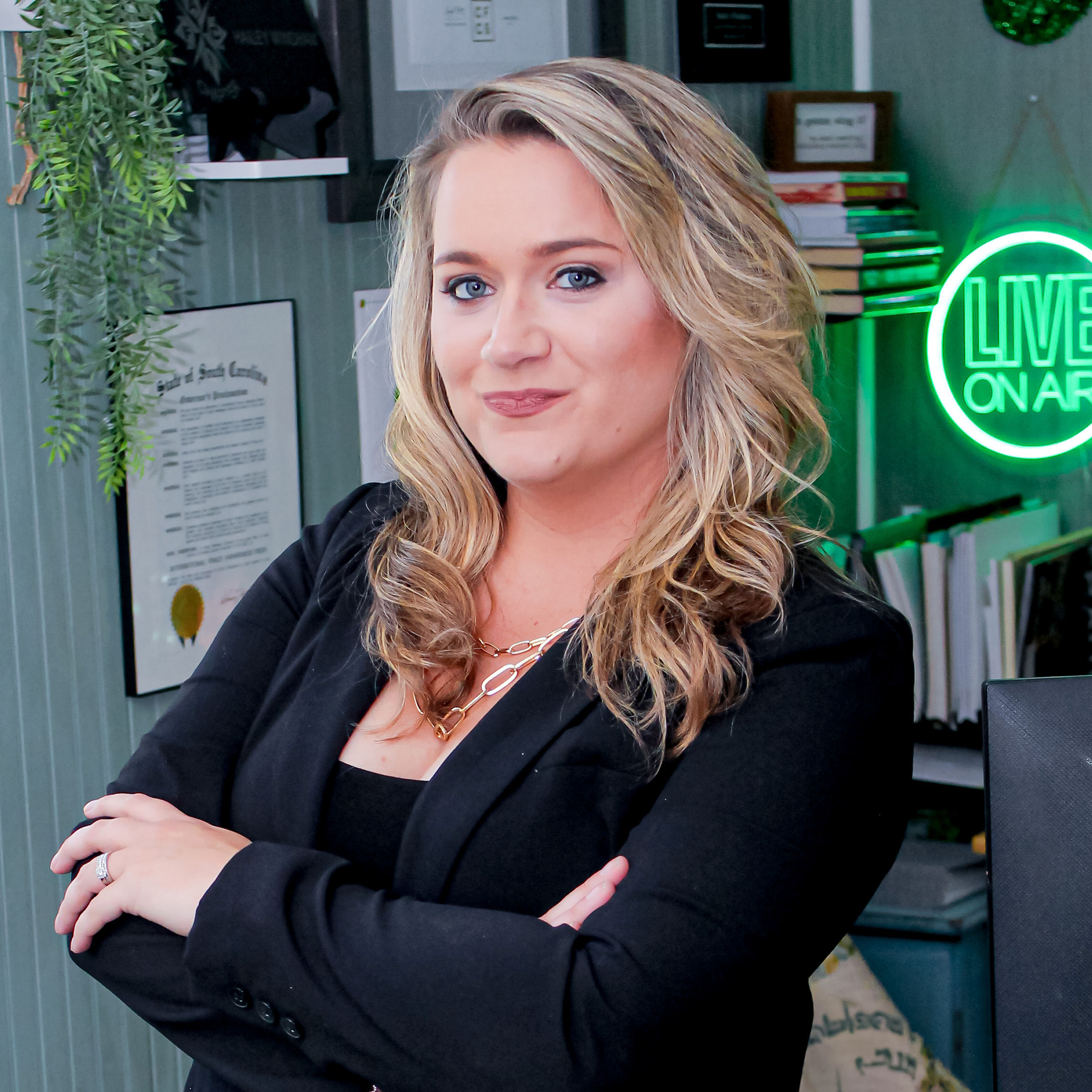
A blonde woman in a black blazer smiles slightly against a purple background.
Hailey Windham
00:01
What is up, fraud fighters? Today's episode is just me and you. This is the first solo episode since we made the move to Fraud Forward. And honestly, it just felt right, you know, to pause for a second and talk mano a mano. You know, no guests, no back and forth, just a real check-in of where we've been, what I've been up to, and where we're going next. So let's get into it. Since January, we've had some incredible conversations on the podcast. And what I love about the lineup is that we're not just talking in theory. It's real operators talking about what's actually breaking. And of course we kicked things off with the first Fraud Forward episode with Jen Lamont, Karen Boyer, and Angela Diaz, where we got real about fraud trends and what to actually do about them. Then we've had, you know, Kyle Caldwell from The Clearing House come on, where we were breaking down fraud across the payment life cycle because fraud doesn't start at the rail and it definitely doesn't end there. And of course we had Frank McKenna come on. We talked about fraud not being a solo problem, but more of a systems problem. Steve Linderman was on, where we talked about KYC, that it really isn't broken, but we just keep asking it to do something it was never supposed to do. And I'll be honest, some of these topics used to intimidate me as a community banker, right? But that's what this show is about. It's stepping into conversations that we have to be having, especially when it comes to agentic banking, AI making decisions, and now AI actually moving money. That episode with Hens Demar, that one really should wake everyone up because we're not asking if this is happening anymore. We're asking if we're ready for it. And across every single one of these conversations, one theme that kept showing up is that we don't have a fraud detection problem. We have a governance and decisioning problem. And that shift, that's Fraud Forward. So now I wanna talk about what we've been building.
A blonde woman in a black blazer smiles slightly against a purple background.
Hailey Windham
02:14
You know, behind the scenes. So like what I've been up to since joining Sardine. And, you know, for me, joining Sardine, it wasn't about, you know, really a job change, but it was like we both had this non-negotiable mission alignment. From day one, you know, we agreed, if I'm going to do this, I need to be able to advocate for community banks and credit unions. You know, I want to be in the room with product and I want to tell them what I experienced as a practitioner, all the shortcomings of solutions that I'd used in the past, and I need to be able to bring the real voice of fraud fighters into what's getting built. And Sardine has fully embraced that, truly. So here's what that looked like. We did a NACHA webinar with FIS where, this one's important because there was a lot of noise in the industry around the NACHA fraud monitoring updates. And what we focused on was simple. Let's remove the confusion. Let's remove the fear. Let's talk about what it actually means operationally, because this isn't like a brand new obligation. It's just a maturity check. It's about understanding your originators, monitoring behavior changes, moving beyond batch reviews into real signal-based monitoring. And it didn't stop there. Your girl also put out a pretty awesome blog, if I do say so myself, where I broke it down even further because this is one of those moments where clarity matters more than ever. I've also been spending a lot of time internally with the banking team, and I'll just say this, the talent that's coming in right now is real. Like, we're talking people who understand fraud, people who've sat in the seat, people who know what it feels like to defend decisions to leadership and regulators. And that matters because that perspective is getting built directly into this product. Now let's talk about the, of course, Five Minutes of Fraud with Hailey. If you've missed those, you truly are missing out. It happens on Friday afternoons usually, but it's where I give about a five-and-a-half-minute, I know I try to keep it under five minutes, but you guys, I just get so excited, clearly like as I'm doing right now. But it's where I really am able to...
A blonde woman in a black blazer smiles slightly against a purple background.
Hailey Windham
04:37
Just have that real talk real fast. You know, what's happening, why it matters, and what you should be thinking about. No overproduction, although that intro and outro is fire, if I do say so myself. No filler, but it's just signal. We also just launched the Monday Fraud Fix newsletter. Same idea, but different format. You know, this isn't about content. It's about signal, just like I mentioned before. It's talking about what made me pause this week, what's worth your time, what fraud fighters are actually seeing right now. Of course, we also do a shout-out for Featured Fraud Fighter. That is a segment that is so important to me. And the reason why is because I know how busy you are. Truly, as a fraud practitioner, I've sat in those seats. I know what it's like to truly wish like, hey, can somebody just summarize this for me? And yeah, we have AI and we can, you know, plug it into the LLMs, but come on, they do not have the personality that I do. Don't you want it coming from me? So that's the whole purpose behind it. And you know, if I can help you connect one dot faster, it's worth it. Moving on, talking obviously about conferences and community. I've been out with, you know, a lot of you lately talking ICBA Live, Carolinas Credit Union League, where I had a, you know, presentation on fraud risk assessments and how to build one. Really diving into the math of that, which I think is honestly something that needs to be spoken about more because too often we're just kind of handed a blank template and say, you know, go forth and do your risk assessment. Yeah, but like, is it my opinion? Because I've got some opinions if you want them, but if we need to back it up with facts, how do we figure in that math? How do we do it accurately where we can back up the statements that we're making? So that was one that was obviously near and dear to me and I'll be able to present that a couple more times this year. So I'm really excited about that. And then we've got some more conferences coming up. Fraud Fight Club is like, I think it's like less than 10 days away now. We have a Safeguard coming up, which is at the beginning of May. I'll also be at the IAFCI in Connecticut.
A blonde woman in a black blazer smiles slightly against a purple background.
Hailey Windham
06:51
Right after Safeguard, where I'll be presenting on fraud trends with Karen Boyer. So if you're gonna be there, I am so glad and I can't wait to connect with you. But you know, there's one thing that like literally everywhere I go, I'm hearing the same thing. We are all trying to solve the same problems, but we're doing it in silos. And that's the gap. And it's one that I care deeply about fixing. And I think that we're getting there. We as an industry truly are embracing the power of collaboration and what can be done when we combine our knowledge and our information and our insights. So this was a great tee-up, if I do say so myself in my outline of what I wanna talk about next. Speaking about collaboration and insights and learning from your peers of what's going on, I wanna talk about what's coming because I can't tell you how excited I am for this. This is one of those things that I pitched to Sardine originally when we were talking about the possibility of a role for me here. And one of those things was I want to do some benchmarking. It's something that's needed. It's something that I, as a practitioner, I struggled with because, you know, I've sat in a boardroom and I've been asked, how do we compare to our peers? And what was I supposed to say? Like, I can phone a friend and I can find out from like three credit unions that are in our area. But if you're wanting like industry standard, where do we sit with our fraud losses? I didn't have that. I needed to be able to provide that information. And then the only way to do that was seriously like a phone tree. So, hey, I know this is kind of weird, but could you tell me what your fraud losses are? And hey, let's be granular with it. Like what are your check fraud losses specifically? What tools and systems do you have in place to help prevent that? Because those are things that we can also use again in that risk assessment. So all of it kind of ties back in together. But so you guys already know that this is a problem, right? But this is information that's missing because we don't really know how we compare to our peers, right? That's the point I was trying to make, is that we don't really know how we compare. But this benchmarking survey is built specifically for credit unions, community banks, real fraud programs.
A blonde woman in a black blazer smiles slightly against a purple background.
Hailey Windham
09:09
That are really under like five billion, if I'm being honest. And it's not sponsored fluff. How many times have we gotten a benchmarking report that it's basically the results that the solution provider needed it to be in order to say that that's why you should buy their product? That's not what we need. Also, because how do you have benchmarking if you didn't ask me to participate in it? And I know you didn't ask ABC and DEF Credit Union. So like, where are you getting these numbers from? So that's not what this is. This instead, and it's not even solution-driven bias. That's the other beauty. We'll have these other solution providers that'll say, hey, we work with check fraud or we work with this or that. And so they're gonna give you stats that are specific to those things and not really something that's tangible that you can take back to your organization to really have an educated response for how are we comparing to our peers. What more do we need to do? How do we need to allocate resources? What percentage of budget goes to technology, goes to capacity, goes to solutions, goes to education? And so being able to do that, I think it's really important because that is the difference with this benchmarking survey. It's operator-built data for operator decisions. And this is something that I've literally wanted for years. I've cultivated the questions from the last at least seven years of things that I needed answered in a fraud report or something that I wish I could tell my C-suite, hey, this is what we're doing. And so anyways, we're finally doing it. More to come on when that will be released, but it is very soon and I am just honestly beside myself because it is one of those things that when it finally comes through and you're able to see the results, I think it's gonna help so many fraud programs not only advocate for, we need resources because here's another credit union that's a billion and a half in assets and they have 10 employees dedicated to fraud. We have two. All I'm asking for is a new analyst. Like that's a result that you need in order to help advocate for what's missing in your program. Same thing with solutions. Hey, this credit union has this, this, and this. We don't even have the bare minimum of what they have.
A blonde woman in a black blazer smiles slightly against a purple background.
Hailey Windham
11:33
Maybe we can look to see this is something that we can do better. Also, it's looking to see, our losses comparatively, we're doing really good. So maybe there's something that we can fix and we can share with another department, a business unit owner. So this is not like the results are not to say, hey, C-suite, be afraid because we're coming after your budget. That's not it at all. This is showing how we can be more proactive and how we can really perform well comparatively to our peers. So that is, I think that's enough teasing it up. Again, I'm just a big cheerleader for it because it's something that I needed in my fraud fight and something that I think that you guys will find valuable as well. Okay, the next thing that I wanna talk about that's coming up is, guys, I don't know if you noticed or not, but like this is episode 96. We are four away from the 100th episode and this one's gonna be special. We're bringing together voices from across the industry for a live town hall conversation. That's right, it will be live and it's gonna be on LinkedIn, obviously, or maybe YouTube and then we'll link it on LinkedIn anyways. More information to come on that. But what I think is important to call out is that it's not just one perspective. We're talking about different roles, different experiences, different opinions, because that's what it takes to actually move this conversation forward. I really think that you guys are gonna be so impressed with who I have coming on. Some we've met before and some we're just getting to know. You guys, I think truly magic is gonna be created in episode 100. So stay tuned. Obviously we're like four or five weeks away. It's either gonna be, I'll be honest, because I'm traveling that first week of May. So if it's not May 6th, it's gonna be May 13th. But just tentatively put that on your calendars. More to come soon, but trust me, you will want to be there. Okay. Now, it wouldn't be a solo episode if I didn't do the daily fraud news with Hailey, right? This is our headline section, I guess, or like our news media section, so pretend this is our newsroom, right? Because I actually want to talk about a couple of articles that I saw, and I will definitely link them in the show notes. But...
A blonde woman in a black blazer smiles slightly against a purple background.
Hailey Windham
13:59
Let's get into a story that I think perfectly captures where we're at right now in fraud. And it's not about a new scam, it's not about a new tool, it's about a shift. There's a recent article from CU Today, it's a credit union newsletter that comes out, talking about how scams, chargebacks, and first-party fraud are all starting to blur together. And we know this is not something that we're just seeing, right? We're all living in this. You know, for years, fraud strategies were built on one core assumption. If something looks suspicious, all we got to do is call a customer, right? Because that's it. It's a simple fix. Just call a customer, ask them, hey, did you participate? Okay, great. We'll let it go through. But that's not, it's not that simple anymore, right? So that assumption doesn't work because today's customer might be a scam victim who believes the fraudster is legitimate, confused about what actually happened, or if we're being honest about the day in which we live today, sometimes they're intentionally gaming the system. I know, we don't want to say that out loud, but it happens. And this is where things get messy, right? Because now we're dealing with what the article calls consumer-engaged fraud, which basically means the customer's involved in the transaction. But the intent behind it, that's where everything breaks down. Think about it, you know, a scam victim authorizes a payment, a customer disputes a transaction they actually made, someone files a chargeback knowing full well it was legitimate. From an operational standpoint, those can look identical, right? And that's the real risk here because our systems, and honestly, a lot of processors, come on, we're speaking truth on this podcast, were built for a world where the customer was in control. But now, the customer might be the victim, the risk, or somewhere in between. And here's the part that should make every fraud team pause. If we keep relying on customer confirmation as our source of truth, we're going to keep missing scams, paying out bad claims, and reinforcing behaviors that are actually increasing fraud losses. So what does this mean for us? It means we have to shift from, did the customer authorize this, to what actually happened here. That means behavioral analytics, transaction context,
A blonde woman in a black blazer smiles slightly against a purple background.
Hailey Windham
16:20
Understanding manipulation versus intent. Because fraud today isn't just happening to the customer, it's increasingly happening with the customer. And if we don't adapt to that shift, credit unions and honestly the entire industry are going to pay the price. Okay, this next one is talking about regulation. This article is titled, Stop Harmful Credit Union Regulation, focused on fraud and it was written by Scott Simpson, who is the president and CEO of America's Credit Unions. And I want to, you know, spend a little bit more time on this one because there's a lot here to unpack. So what the article is saying is at its core, fraud has evolved fast. You know, credit unions are investing heavily to keep up, but regulation isn't evolving at the same pace. And in some cases, it's actually making things harder. We know this. The article walks through that evolution though, you know, from landlines and AOL scams to AI-driven fraud, deepfakes, synthetic identities, large-scale automated attacks. And we all know that's not an exaggeration. So where this, you know, really hits in my take is that I, what I think is getting really interesting is that this isn't just a credit union versus regulation conversation. This is like a who-owns-fraud conversation because right now we're still operating in a model where the financial institution is the last stop and therefore they are the one that absorbs the loss. Even when the scam started on social media, the conversation happened over telecom and the payment moved through a third-party app and that's the disconnect. The article calls out in a really important way that we don't have a modern liability framework and that's the truth. But what we have today is essentially whoever is closest to the money, that's who pays, and not who had the opportunity to prevent this. And those are very different things. When we think about even like check warranties, it's like who was in the best possible position to identify fraud? And that's where UCC guidelines work, but that's where we're missing it here on these APP, authorized push payment frauds, or debit card Reg E things.
A blonde woman in a black blazer smiles slightly against a purple background.
Hailey Windham
18:44
So what does this mean for fraud teams? Let's bring it back to the fraud fighter, the one who's listening on this call, the one who cares about this issue. Because this is what I see that's what's happening, right? Our expectations are increasing, the loss tolerance is decreasing and control over the full fraud chain is still limited. Which means you're being asked to solve a problem without owning all the levers. And that's not sustainable. The article also talks about trust, and I think that's something that we don't say enough. Credit unions and community banks are still the most trusted players in the system, not because of marketing, but because of experience. Because when something goes wrong, people expect you to help them, and most of the time you do, even when it's not technically your responsibility. But here's where I want to push the conversation forward a little more, because I don't think the answer is less regulation. I think the answer is better alignment of responsibility. We need shared accountability across the fraud chain, incentives for prevention, not just reimbursement, and recognition of proactive controls. Because right now, we reward institutions for cleaning up fraud more than we reward them for preventing it. And that has to change. So if I had to boil this article down into one sentence, fraud has become a shared problem, but we're still treating it like a single-player game. And until that shifts, we're gonna keep seeing rising losses, frustrated fraud teams, and gaps that fraudsters will continue to exploit. And honestly, this ties back to everything we've been talking about on this show, better signals, better decisioning, and most importantly, better collaboration across the ecosystem because fraud doesn't respect silos and neither can we. So in closing, right, if there's one thing I want you to take away from this episode, it's this. Fraud is evolving faster than ever, but we don't have to solve it alone. At Sardine, we're building what we're building and what I'm focused on...
A blonde woman in a black blazer smiles slightly against a purple background.
Hailey Windham
21:03
Is helping financial institutions move from that reactive detection to real-time informed decisioning. You know, powered by better data, better signals, and shared intelligence across the industry. So if you're a fraud fighter trying to make better decisions, defend your program, or just feel a little alone in this fight, let's connect. Because this next phase of fraud, we're not just reacting to it, we're building what comes next. And so with that, of course, stay vigilant, stay informed, and keep moving fraud forward.