---
title: Estratégia da Conferência de Prevenção a Fraudes com PJ Rohall
source_page: https://www.sardine.ai/pt/media/fraud-forward/episodes/financial-crime-conference
canonical: https://www.sardine.ai/pt/media/fraud-forward/episodes/financial-crime-conference
format: text/markdown
date: 2025-08-20T00:00:00.000Z
description: As equipes de fraude enfrentam esgotamento, funções de risco isoladas e volumes de golpes em escalada. Veja como a colaboração entre empresas aprimora a estratégia e apoia os profissionais de prevenção a fraudes...
---
**Quick links:** [Human page](https://www.sardine.ai/pt/media/fraud-forward/episodes/financial-crime-conference) · [Home](https://www.sardine.ai) · [Customers](https://www.sardine.ai/pt/customers) · [Blog](https://www.sardine.ai/pt/blog) · [Demo](https://www.sardine.ai/pt/demo)
---
# Estratégia da Conferência de Prevenção a Fraudes com PJ Rohall
**Published:** 2025-08-20T00:00:00.000Z
As equipes de fraude enfrentam esgotamento, funções de risco isoladas e volumes de golpes em escalada. Veja como a colaboração entre empresas aprimora a estratégia e apoia os profissionais de prevenção a fraudes...
E aí, combatentes de fraude, sejam bem-vindos ao Fraud Forward!
Certo, vamos lá, porque uma conferência sobre crimes financeiros pode ser tanto um bom momento de networking quanto uma infraestrutura de verdade para as pessoas que carregam programas de combate à fraude nas costas.
E, neste momento, as equipes de fraude estão lidando com esgotamento, funções de risco isoladas, volumes persistentes de golpes e o risco de fraude em pagamentos acelerando em diferentes trilhas mais rápido do que a maioria das instituições consegue acompanhar. Então, se vamos investir tempo e orçamento em eventos da indústria de fraude, quero que seja em algo que realmente aprimore a estratégia dos programas de fraude e apoie os profissionais de prevenção à fraude que estão na linha de frente.
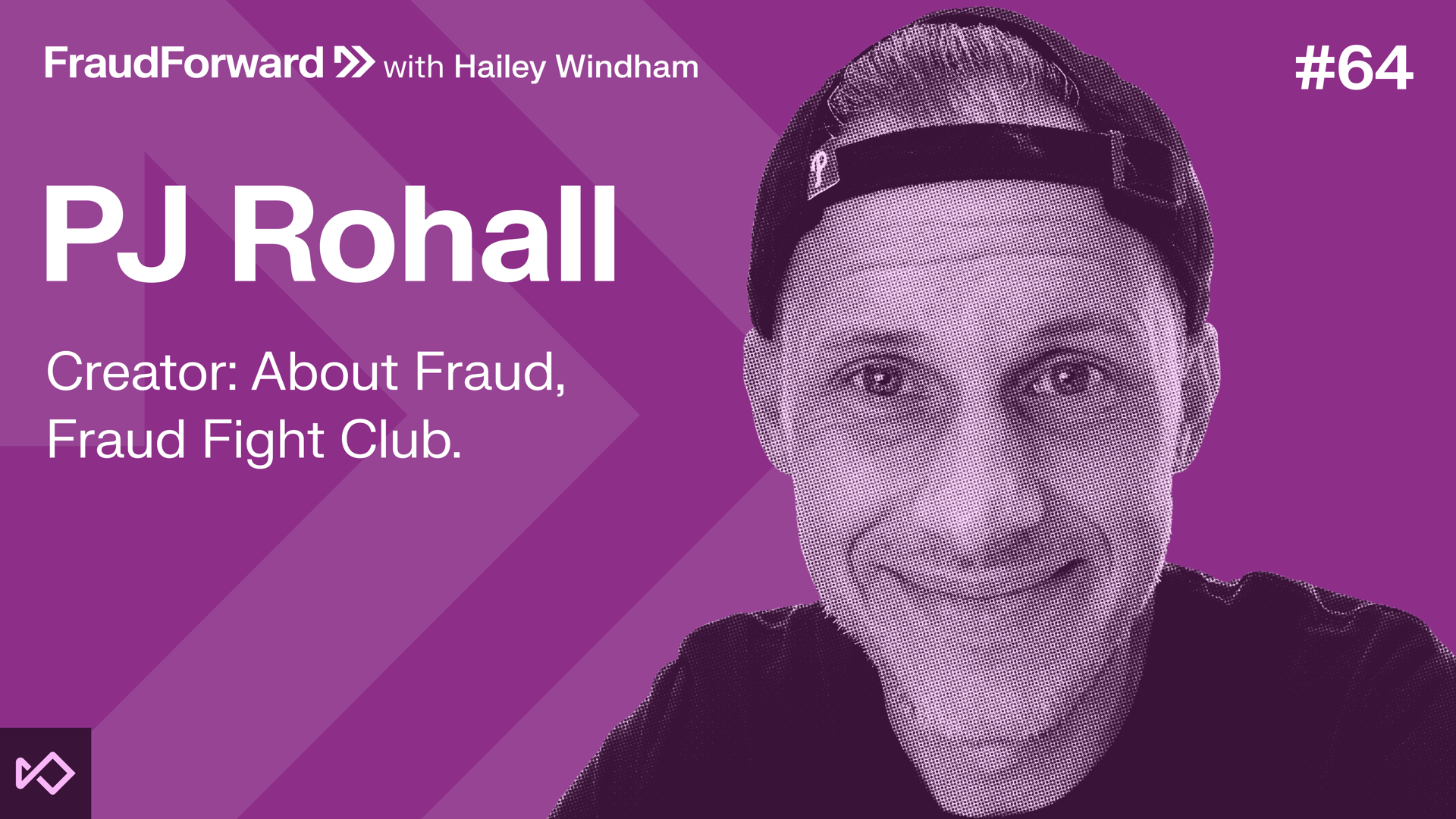
Neste episódio, estou conversando com PJ Rohall, cofundador da About Fraud e da Fraud Fight Club, sobre a estratégia por trás da criação de uma conferência sobre crimes financeiros liderada por profissionais, que prioriza a relevância operacional, a transparência e a construção de comunidade antifraude em vez da formalidade.
Porque, quando é feita da maneira certa, uma conferência antifraude não é entretenimento. É troca de inteligência. É uma rede de prevenção à fraude que encurta a distância entre o que uma equipe vê hoje e o que outra equipe sofre amanhã.
Por que isso é importante para os combatentes de fraude
Vamos recapitular por um momento. O risco de fraude está se expandindo em todos os canais de pagamento, nas táticas de tomada de controle de contas, nos tipos de engenharia social e nas estratégias de identidade sintética. Ao mesmo tempo, a força de trabalho está sobrecarregada e o risco de fraude para as instituições financeiras está aumentando.
Veja por que a estratégia de conferências é importante do ponto de vista operacional:
Eventos da indústria de fraude podem reduzir a latência de informação quando as equipes compartilham, em tempo real, o que está funcionando e o que está falhando.
A construção de comunidades de combate à fraude cria instintos de escalonamento mais rápidos e fortalece as melhores práticas de prevenção à fraude entre as instituições
O desenvolvimento de liderança em fraude se fortalece quando novas vozes são valorizadas e as realidades da linha de frente são colocadas no centro
A colaboração entre BSA e fraude melhora quando as equipes de fraude e de conformidade contra crimes financeiros compartilham a mesma linguagem e playbooks testados sob pressão.
O risco de fraude em pagamentos muda mais rápido do que muitos ciclos de treinamento, por isso a troca entre pares se torna um multiplicador de força
O esgotamento das equipes de fraude piora quando as equipes se sentem isoladas e melhora quando se sentem conectadas e apoiadas
Os profissionais de prevenção a fraudes não deveriam sentir que estão lutando sozinhos em universos paralelos enquanto as mesmas tendências de fraudes bancárias e tipologias de golpes se repetem por todo o país.
O que você ouvirá neste episódio
Como o Fraud Fight Club redesenhou o modelo tradicional de conferências sobre crimes financeiros para que fosse liderado por profissionais e baseado na prática operacional
A estratégia por trás da curadoria da diversidade de palestrantes da conferência e da amplificação das vozes de liderança em operações reais de fraude
Lições aprendidas ao organizar um evento de alto impacto na indústria de fraude e o que o fez funcionar
As realidades operacionais e emocionais do esgotamento das equipes de fraude e das carreiras em investigação de fraude sob pressão constante
Ampliar programas públicos de conscientização sobre golpes e iniciativas de prevenção de fraudes para além dos limites institucionais
Você deve ouvir este episódio se você
Lidera ou trabalha em um programa de fraude de banco ou cooperativa de crédito e deseja resultados mais eficazes na prevenção de fraudes em cooperativas de crédito por meio de uma melhor troca de inteligência
Supervisionar a gestão de risco de fraude, investigações ou prevenção de golpes e buscar insights práticos sobre estratégias de programas de combate à fraude
Gerencia a colaboração entre BSA e fraude e deseja um alinhamento interfuncional mais claro sobre ameaças emergentes
São responsáveis pela liderança das operações de fraude ou pelo risco de fraude em pagamentos e precisam de ciclos de feedback melhores do que os fornecidos por apresentações de fornecedores
Estão avaliando como os eventos da indústria de fraude impactam a estratégia institucional e a sustentabilidade da força de trabalho
Se você gostou deste episódio, não deixe de se inscrever e avaliar o Fraud Forward no Spotify, Apple Podcasts, YouTube ou em qualquer plataforma onde você ouça. Isso ajuda muito a divulgar o programa.
Notas do episódio e principais aprendizados
### Conferência moderna sobre crimes financeiros como infraestrutura operacional
Os eventos tradicionais do setor de prevenção a fraudes podem ter dificuldade em equilibrar a programação formal com uma troca significativa de experiências entre pares.
Este episódio explica como o Fraud Fight Club reinventou o formato das conferências sobre crimes financeiros para criar um ambiente que seja:
Liderado por profissionais
Baseado na operação
Impulsionado pela comunidade
Acessível a profissionais de prevenção a fraudes em todos os estágios da carreira
Em vez de priorizar o refinamento corporativo ou a visibilidade de fornecedores, o foco está em experiências reais de fraude, diálogo aberto e compartilhamento prático de inteligência.
E para as instituições financeiras, essa distinção é importante. Uma conferência bem planejada sobre crimes financeiros pode influenciar diretamente como as equipes respondem a ameaças emergentes, pois reduz o tempo entre a detecção e a conscientização.
### Como a fraude está mudando e se acelerando
Deixe-me apenas assegurar que o ritmo não está a abrandar.
A fraude está se expandindo em:
Canais de pagamento e exposição ao risco de fraude em pagamentos
Táticas de tomada de conta de contas que evoluem rapidamente
Engenharia social e tipologias de golpes que exploram a confiança
Estratégias de identidade sintética que aumentam o custo de remediação a longo prazo
À medida que essas ameaças se intensificam, as instituições precisam:
Ciclos de feedback mais rápidos
Troca de inteligência mais clara
Diálogo mais transparente sobre o que está e o que não está funcionando
Mais aprendizagem entre instituições para reduzir falhas recorrentes
Uma conferência sobre crimes financeiros que promove transparência e coordenação entre setores deixa de ser entretenimento e passa a ser infraestrutura.
### O que as equipes de prevenção à fraude vivenciaram no Fraud Fight Club
PJ reflete sobre a organização da Segunda Rodada do Fraud Fight Club, e é aqui que o lado humano aparece.
Temas incluíram:
Momentos emocionantes entre profissionais de fraude que finalmente se sentiram vistos
Conversas francas sobre esgotamento, fadiga na carreira e o peso de um volume constante de casos
Realidades logísticas de organizar um evento independente para o setor de fraude
A importância de capacitar novas vozes na liderança em fraude e de valorizar os investigadores da linha de frente
As equipes de fraude estão lidando com disputas de reembolso, escrutínio regulatório e constante pressão operacional. A validação entre pares e o aprendizado compartilhado são fatores de estabilização operacional. Cem por cento.
### Principais tendências de fraude que moldarão o próximo ano
Este episódio revela tendências que impactam diretamente a estratégia do programa de prevenção a fraudes:
Campanhas públicas ampliadas de conscientização sobre golpes e programas de conscientização sobre golpes
Maior colaboração entre BSA e equipes de combate à fraude, especialmente onde as tipologias se sobrepõem
Maior demanda por liderança autêntica em fraude e por iniciativas práticas de educação sobre fraude
Maior foco na sustentabilidade e retenção da carreira de investigador de fraudes
E a discussão sobre ações de prevenção a golpes é importante porque a educação do consumidor precisa ir além das mensagens institucionais. As comunidades precisam da linguagem e dos sinais de alerta em termos simples.
### Onde os programas de fraude estão mais expostos
As instituições financeiras continuam expostas em áreas como:
Disputas sobre reembolso de golpes contra consumidores e consequências para a reputação
Pressão operacional devido ao alto volume de casos e às limitações de pessoal
Desafios na retenção de talentos ligados ao esgotamento da equipe de fraude
Comunicação isolada entre as equipes de fraude, BSA e pagamentos que desacelera as escalonagens
Uma conferência sobre crimes financeiros bem estruturada pode ajudar a reduzir essas lacunas ao promover:
Troca de conhecimento que encurta os ciclos de aprendizagem
Networking de prevenção a fraudes que constrói sistemas de apoio reais
Alinhamento de liderança que reduz a fricção interna
Boas práticas compartilhadas de prevenção a fraudes que podem ser operacionalizadas rapidamente
### Perspectiva executiva para participação em conferências
Aqui está a lição de liderança: uma conferência sobre crimes financeiros não deve ser avaliada pelo número de participantes nem pela presença de patrocinadores.
A verdadeira questão é:
Isso melhora de forma significativa a prontidão institucional?
Porque, sem esse tipo de troca:
As instituições permanecem isoladas
Tipologias recorrentes se propagam entre organizações
Os frameworks de escalonamento variam amplamente
A fadiga da força de trabalho aumenta à medida que as equipes se sentem isoladas
Os executivos devem avaliar a participação em conferências sob uma ótica operacional, não de visibilidade da marca: prontidão, coordenação e sustentabilidade.
A evolução do Banking on Fraudology
A missão continua a mesma:
Elevar a educação em prevenção de fraudes.
Fortalecer a liderança da comunidade bancária.
Apoiar operadores reais em bancos comunitários e cooperativas de crédito.
Crie estruturas duradouras para o desenvolvimento de comunidades de combate à fraude.
Promover uma liderança de pensamento em prevenção de fraudes que seja sólida e realista, não exagerada.
O futuro da prevenção de fraudes bancárias depende da comunidade.
O futuro da prevenção de fraudes em cooperativas de crédito depende da colaboração.
O futuro da evolução do setor de prevenção a fraudes depende de inteligência compartilhada e alinhamento de valores.
Estamos subindo de nível.
E estamos fazendo isso juntos.
Mantenha-se vigilante, bem informado e continue impulsionando o combate à fraude.
E aí, combatentes de fraude, sejam bem-vindos ao Fraud Forward!
Certo, vamos lá, porque uma conferência sobre crimes financeiros pode ser tanto um bom momento de networking quanto uma infraestrutura de verdade para as pessoas que carregam programas de combate à fraude nas costas.
E, neste momento, as equipes de fraude estão lidando com esgotamento, funções de risco isoladas, volumes persistentes de golpes e o risco de fraude em pagamentos acelerando em diferentes trilhas mais rápido do que a maioria das instituições consegue acompanhar. Então, se vamos investir tempo e orçamento em eventos da indústria de fraude, quero que seja em algo que realmente aprimore a estratégia dos programas de fraude e apoie os profissionais de prevenção à fraude que estão na linha de frente.
Neste episódio, estou conversando com PJ Rohall, cofundador da About Fraud e da Fraud Fight Club, sobre a estratégia por trás da criação de uma conferência sobre crimes financeiros liderada por profissionais, que prioriza a relevância operacional, a transparência e a construção de comunidade antifraude em vez da formalidade.
Porque, quando é feita da maneira certa, uma conferência antifraude não é entretenimento. É troca de inteligência. É uma rede de prevenção à fraude que encurta a distância entre o que uma equipe vê hoje e o que outra equipe sofre amanhã.
Por que isso é importante para os combatentes de fraude
Vamos recapitular por um momento. O risco de fraude está se expandindo em todos os canais de pagamento, nas táticas de tomada de controle de contas, nos tipos de engenharia social e nas estratégias de identidade sintética. Ao mesmo tempo, a força de trabalho está sobrecarregada e o risco de fraude para as instituições financeiras está aumentando.
Veja por que a estratégia de conferências é importante do ponto de vista operacional:
Eventos da indústria de fraude podem reduzir a latência de informação quando as equipes compartilham, em tempo real, o que está funcionando e o que está falhando.
A construção de comunidades de combate à fraude cria instintos de escalonamento mais rápidos e fortalece as melhores práticas de prevenção à fraude entre as instituições
O desenvolvimento de liderança em fraude se fortalece quando novas vozes são valorizadas e as realidades da linha de frente são colocadas no centro
A colaboração entre BSA e fraude melhora quando as equipes de fraude e de conformidade contra crimes financeiros compartilham a mesma linguagem e playbooks testados sob pressão.
O risco de fraude em pagamentos muda mais rápido do que muitos ciclos de treinamento, por isso a troca entre pares se torna um multiplicador de força
O esgotamento das equipes de fraude piora quando as equipes se sentem isoladas e melhora quando se sentem conectadas e apoiadas
Os profissionais de prevenção a fraudes não deveriam sentir que estão lutando sozinhos em universos paralelos enquanto as mesmas tendências de fraudes bancárias e tipologias de golpes se repetem por todo o país.
O que você ouvirá neste episódio
Como o Fraud Fight Club redesenhou o modelo tradicional de conferências sobre crimes financeiros para que fosse liderado por profissionais e baseado na prática operacional
A estratégia por trás da curadoria da diversidade de palestrantes da conferência e da amplificação das vozes de liderança em operações reais de fraude
Lições aprendidas ao organizar um evento de alto impacto na indústria de fraude e o que o fez funcionar
As realidades operacionais e emocionais do esgotamento das equipes de fraude e das carreiras em investigação de fraude sob pressão constante
Ampliar programas públicos de conscientização sobre golpes e iniciativas de prevenção de fraudes para além dos limites institucionais
Você deve ouvir este episódio se você
Lidera ou trabalha em um programa de fraude de banco ou cooperativa de crédito e deseja resultados mais eficazes na prevenção de fraudes em cooperativas de crédito por meio de uma melhor troca de inteligência
Supervisionar a gestão de risco de fraude, investigações ou prevenção de golpes e buscar insights práticos sobre estratégias de programas de combate à fraude
Gerencia a colaboração entre BSA e fraude e deseja um alinhamento interfuncional mais claro sobre ameaças emergentes
São responsáveis pela liderança das operações de fraude ou pelo risco de fraude em pagamentos e precisam de ciclos de feedback melhores do que os fornecidos por apresentações de fornecedores
Estão avaliando como os eventos da indústria de fraude impactam a estratégia institucional e a sustentabilidade da força de trabalho
Se você gostou deste episódio, não deixe de se inscrever e avaliar o Fraud Forward no Spotify, Apple Podcasts, YouTube ou em qualquer plataforma onde você ouça. Isso ajuda muito a divulgar o programa.
Notas do episódio e principais aprendizados
Conferência moderna sobre crimes financeiros como infraestrutura operacional
Os eventos tradicionais do setor de prevenção a fraudes podem ter dificuldade em equilibrar a programação formal com uma troca significativa de experiências entre pares.
Este episódio explica como o Fraud Fight Club reinventou o formato das conferências sobre crimes financeiros para criar um ambiente que seja:
Liderado por profissionais
Baseado na operação
Impulsionado pela comunidade
Acessível a profissionais de prevenção a fraudes em todos os estágios da carreira
Em vez de priorizar o refinamento corporativo ou a visibilidade de fornecedores, o foco está em experiências reais de fraude, diálogo aberto e compartilhamento prático de inteligência.
E para as instituições financeiras, essa distinção é importante. Uma conferência bem planejada sobre crimes financeiros pode influenciar diretamente como as equipes respondem a ameaças emergentes, pois reduz o tempo entre a detecção e a conscientização.
Como a fraude está mudando e se acelerando
Deixe-me apenas assegurar que o ritmo não está a abrandar.
A fraude está se expandindo em:
Canais de pagamento e exposição ao risco de fraude em pagamentos
Táticas de tomada de conta de contas que evoluem rapidamente
Engenharia social e tipologias de golpes que exploram a confiança
Estratégias de identidade sintética que aumentam o custo de remediação a longo prazo
À medida que essas ameaças se intensificam, as instituições precisam:
Ciclos de feedback mais rápidos
Troca de inteligência mais clara
Diálogo mais transparente sobre o que está e o que não está funcionando
Mais aprendizagem entre instituições para reduzir falhas recorrentes
Uma conferência sobre crimes financeiros que promove transparência e coordenação entre setores deixa de ser entretenimento e passa a ser infraestrutura.
O que as equipes de prevenção à fraude vivenciaram no Fraud Fight Club
PJ reflete sobre a organização da Segunda Rodada do Fraud Fight Club, e é aqui que o lado humano aparece.
Temas incluíram:
Momentos emocionantes entre profissionais de fraude que finalmente se sentiram vistos
Conversas francas sobre esgotamento, fadiga na carreira e o peso de um volume constante de casos
Realidades logísticas de organizar um evento independente para o setor de fraude
A importância de capacitar novas vozes na liderança em fraude e de valorizar os investigadores da linha de frente
As equipes de fraude estão lidando com disputas de reembolso, escrutínio regulatório e constante pressão operacional. A validação entre pares e o aprendizado compartilhado são fatores de estabilização operacional. Cem por cento.
Principais tendências de fraude que moldarão o próximo ano
Este episódio revela tendências que impactam diretamente a estratégia do programa de prevenção a fraudes:
Campanhas públicas ampliadas de conscientização sobre golpes e programas de conscientização sobre golpes
Maior colaboração entre BSA e equipes de combate à fraude, especialmente onde as tipologias se sobrepõem
Maior demanda por liderança autêntica em fraude e por iniciativas práticas de educação sobre fraude
Maior foco na sustentabilidade e retenção da carreira de investigador de fraudes
E a discussão sobre ações de prevenção a golpes é importante porque a educação do consumidor precisa ir além das mensagens institucionais. As comunidades precisam da linguagem e dos sinais de alerta em termos simples.
Onde os programas de fraude estão mais expostos
As instituições financeiras continuam expostas em áreas como:
Disputas sobre reembolso de golpes contra consumidores e consequências para a reputação
Pressão operacional devido ao alto volume de casos e às limitações de pessoal
Desafios na retenção de talentos ligados ao esgotamento da equipe de fraude
Comunicação isolada entre as equipes de fraude, BSA e pagamentos que desacelera as escalonagens
Uma conferência sobre crimes financeiros bem estruturada pode ajudar a reduzir essas lacunas ao promover:
Troca de conhecimento que encurta os ciclos de aprendizagem
Networking de prevenção a fraudes que constrói sistemas de apoio reais
Alinhamento de liderança que reduz a fricção interna
Boas práticas compartilhadas de prevenção a fraudes que podem ser operacionalizadas rapidamente
Perspectiva executiva para participação em conferências
Aqui está a lição de liderança: uma conferência sobre crimes financeiros não deve ser avaliada pelo número de participantes nem pela presença de patrocinadores.
A verdadeira questão é:
Isso melhora de forma significativa a prontidão institucional?
Porque, sem esse tipo de troca:
As instituições permanecem isoladas
Tipologias recorrentes se propagam entre organizações
Os frameworks de escalonamento variam amplamente
A fadiga da força de trabalho aumenta à medida que as equipes se sentem isoladas
Os executivos devem avaliar a participação em conferências sob uma ótica operacional, não de visibilidade da marca: prontidão, coordenação e sustentabilidade.
A evolução do Banking on Fraudology
A missão continua a mesma:
Elevar a educação em prevenção de fraudes.
Fortalecer a liderança da comunidade bancária.
Apoiar operadores reais em bancos comunitários e cooperativas de crédito.
Crie estruturas duradouras para o desenvolvimento de comunidades de combate à fraude.
Promover uma liderança de pensamento em prevenção de fraudes que seja sólida e realista, não exagerada.
O futuro da prevenção de fraudes bancárias depende da comunidade.
O futuro da prevenção de fraudes em cooperativas de crédito depende da colaboração.
O futuro da evolução do setor de prevenção a fraudes depende de inteligência compartilhada e alinhamento de valores.
Estamos subindo de nível.
E estamos fazendo isso juntos.
Mantenha-se vigilante, bem informado e continue impulsionando o combate à fraude.