
#12128 min
E aí, combatentes de fraude, sejam bem-vindos ao Fraud Forward!
O Fraud Forward é desenvolvido pela Sardine.
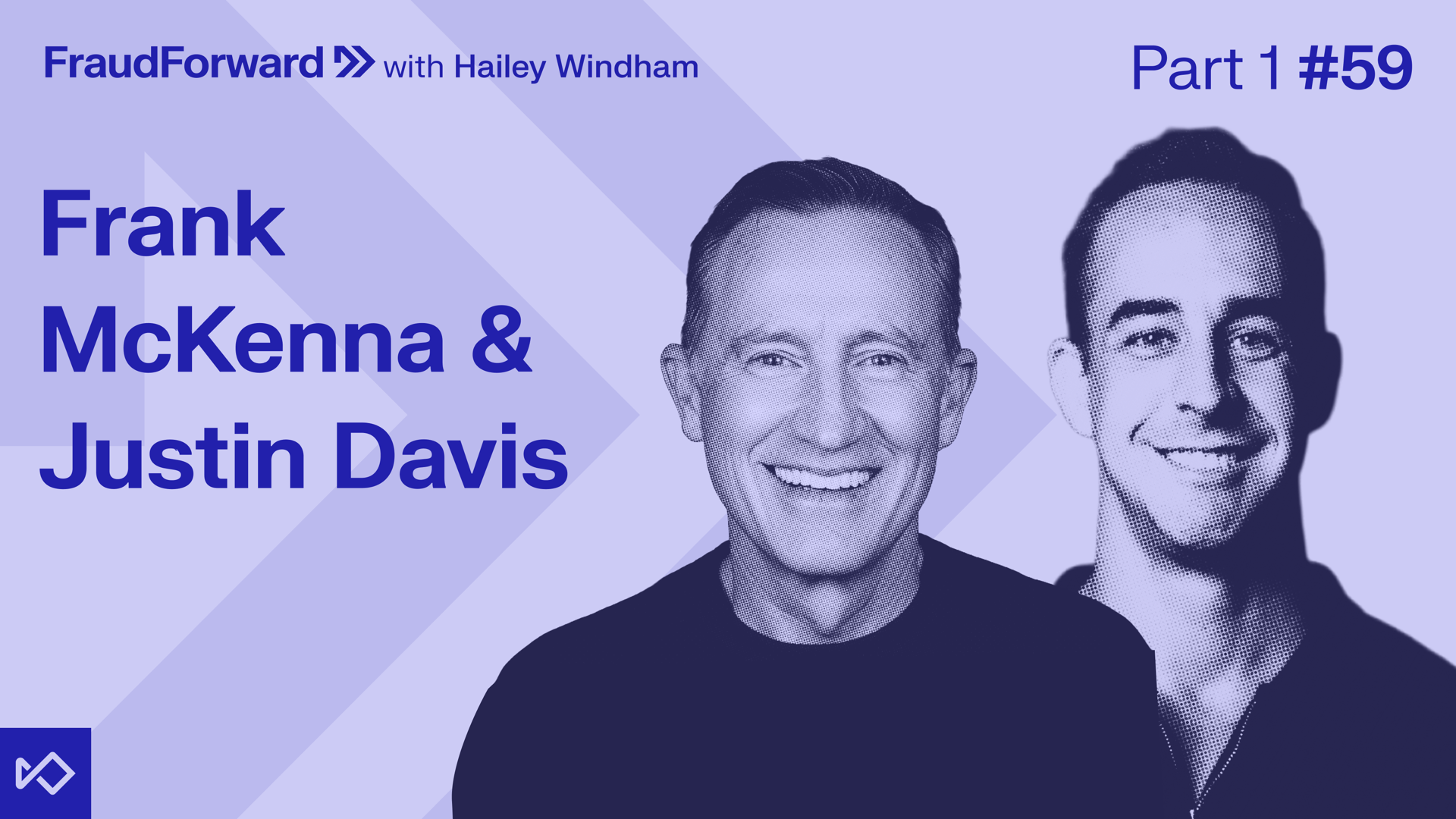
Neste episódio, vamos adotar totalmente o estilo clássico de teleton com dois combatentes de fraude em quem confio profundamente: Frank McKenna e Justin Davis. Vamos discutir as perguntas que esta comunidade está realmente fazendo agora, desde a detecção de fraude de identidade sintética sem ferramentas avançadas, até o risco de fraude em pagamentos P2P, a escalada de fraude de primeira parte, os relatórios para a diretoria e o que realmente tira o sono dos líderes de prevenção a fraudes.
Os programas de combate a fraudes em bancos comunitários e as equipes de supervisão de fraudes em cooperativas de crédito nem sempre contam com os maiores orçamentos, as ferramentas mais avançadas ou equipes ilimitadas. Às vezes, você trabalha com análise manual, indícios vindos de bureaus de crédito, um número de telefone que não faz sentido, a intuição de um concedente de crédito e uma equipe de linha de frente que percebe que algo não está certo.
Este episódio é sobre construir uma estratégia de prevenção a fraudes que você realmente possa usar. Uma estratégia que ajude sua equipe a detectar fraude de identidade sintética, entender os controles de pagamentos peer-to-peer, comunicar o risco de fraude à liderança e construir resiliência operacional contra fraudes mesmo quando o stack de tecnologia não é perfeito.
A fraude de identidade sintética está aparecendo em solicitações que parecem mais limpas do que costumavam ser. A fraude de primeira parte está aumentando porque a pressão econômica, o credit washing, os CPNs e os roteiros de fraude nas redes sociais estão tornando mais fácil para pessoas comuns racionalizarem a fraude. O risco de fraude em pagamentos P2P continua abrindo brechas porque o dinheiro se move mais rápido do que muitos controles, e os criminosos sabem exatamente onde estão esses pontos de atrito.
E então há o lado humano. Frank fala sobre o que está acontecendo dentro dos complexos de golpes ligados a redes de fraude de tráfico de pessoas, e eu quero que a gente pare para refletir sobre isso por um momento. A fraude que vemos na tela muitas vezes está conectada a algo muito maior, muito mais sombrio e muito mais organizado do que uma única transação ou um único caso.
· Como abordar a detecção de fraude de identidade sintética quando sua equipe não possui ferramentas avançadas
· Por que a titularidade do telefone, as inconsistências nos bureaus, as linhas de crédito de usuários autorizados e os dados de identidade divergentes ainda são importantes
· O que o risco de fraude em pagamentos P2P revela sobre a exposição à fraude em pagamentos digitais e a responsabilidade das plataformas
· Por que a escalada da fraude de primeira parte está tirando o sono dos líderes de prevenção a fraudes
· Como as redes de fraude ligadas ao tráfico de pessoas se conectam a operações de golpe, esquemas de pig butchering e ao crime financeiro organizado
· Como melhorar a apresentação de dados de fraude para executivos, de modo que a liderança compreenda o impacto, e não apenas os gráficos
· Por que a maturidade em análise de fraude não se trata de ter mais dashboards, e sim de tomar decisões mais claras
· Como a liderança em crimes financeiros pode conectar histórias, dados, resultados e controles em uma única estratégia de comunicação de risco de fraude
· Trabalha com fraude, BSA, AML, risco, compliance, crédito, operações ou investigações em um banco ou cooperativa de crédito · Está criando ou aprimorando programas de combate à fraude em bancos comunitários com ferramentas limitadas ou equipe reduzida · É responsável pela supervisão de fraude em cooperativas de crédito e precisa de uma forma prática de explicar o risco de fraude para a liderança · Está vendo mais casos de identidade sintética, fraude de primeira parte, fraude em P2P, manipulação de contas ou exposição a fraudes em pagamentos digitais · Precisa de uma forma melhor de apresentar relatórios de fraude para conselhos, executivos ou líderes multifuncionais
Um dos principais temas deste episódio é a detecção de fraude sem o uso de ferramentas avançadas. Justin apresenta indicadores práticos de detecção de fraude de identidade sintética que as equipes podem identificar manualmente, incluindo históricos de crédito limitados, linhas de crédito de usuários autorizados, endereços inconsistentes, titularidade de telefone incompatível e detalhes de identidade que não batem.
Os profissionais de combate à fraude nem sempre precisam de mais barulho. Às vezes, eles precisam de um checklist melhor, uma escalada mais robusta e permissão para pausar quando algo parece errado.
O risco de fraude em pagamentos P2P continua causando problemas porque os criminosos sabem como mover as vítimas de um canal para outro. Se uma transferência desacelera na instituição financeira, o próximo passo pode ser uma plataforma de pagamento peer-to-peer com menos controles visíveis.
É por isso que os controles de pagamentos peer-to-peer, a colaboração com as autoridades policiais e a cooperação entre diferentes setores contra fraudes são tão importantes. A fraude não existe em silos, e a nossa resposta também não pode existir.
Justin aponta o aumento da fraude de primeira parte como uma das maiores preocupações no momento. A lavagem de crédito, os CPNs, os roteiros de fraude divulgados em redes sociais e a pressão econômica estão tornando a fraude de primeira parte mais difícil de detectar e mais fácil de justificar.
Isso gera riscos subsequentes para a política de crédito, perdas, acesso dos associados e responsabilização pela fraude em nível institucional. Se as equipes não definirem claramente a responsabilidade e o processo de escalonamento, o risco aumenta silenciosamente.
Um dos principais aprendizados é como apresentar dados de fraude para executivos. A resposta não é simplesmente mais gráficos.
Os relatórios de fraude para conselhos e equipes executivas devem incluir: · Tentativas · Fraudes bem-sucedidas · Fraudes evitadas · Tendências de perdas · Eficácia dos controles · Impacto humano · Conquistas da equipe · Próximos passos recomendados
A maturidade em análise de fraudes não se trata de ter mais dashboards. Trata-se de ajudar os líderes a entender o que mudou, por que isso é importante e qual decisão precisa ser tomada.
Frank chama a atenção para a realidade das redes de fraude ligadas ao tráfico de pessoas, conectadas a complexos de golpes e esquemas de “pig butchering”. Isso é importante porque esses casos não são apenas eventos isolados de transação. Eles constituem crime financeiro organizado, muitas vezes com vítimas em ambos os lados.
A liderança em crimes financeiros precisa manter duas verdades ao mesmo tempo: proteger o consumidor à sua frente e compreender a ampla rede criminosa por trás da fraude.
A estratégia de prevenção a fraudes precisa funcionar na manhã de segunda-feira e na sala de reunião do conselho.
Você precisa de playbooks práticos de detecção, um alinhamento mais forte da governança de fraude, relatórios de fraude mais eficientes e uma forma clara de comunicar o risco. Você também precisa de colaboração, porque as novas tipologias de fraude evoluem mais rápido do que qualquer instituição consegue enxergar sozinha.
Estamos subindo de nível.
E estamos fazendo isso juntos.
Mantenha-se vigilante, bem informado e continue impulsionando o combate à fraude.