48 min
Bem-vindo de volta ao Fraudology.
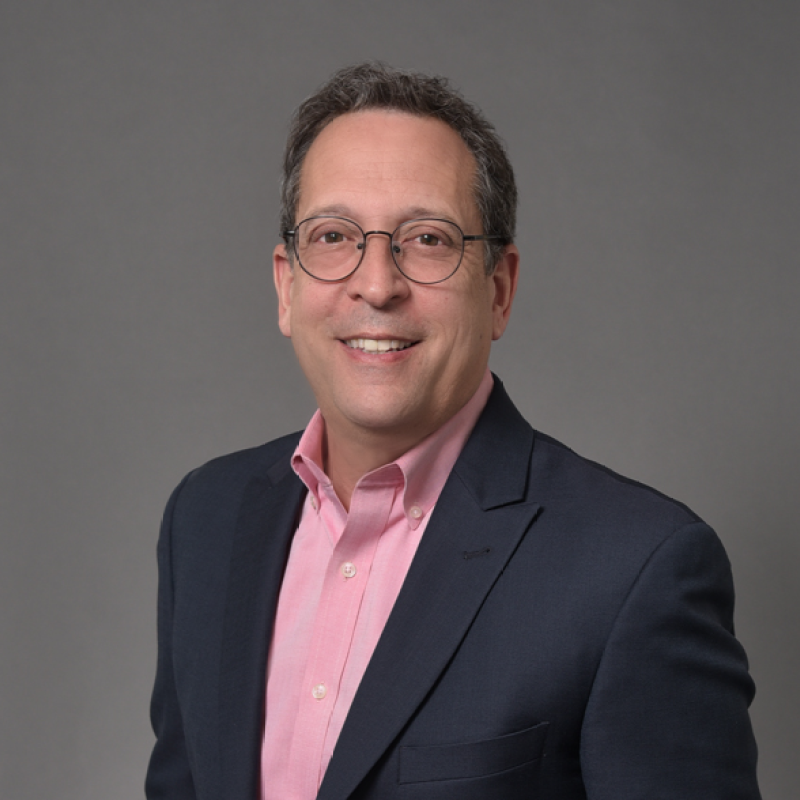
Ron Zayas, CEO da Ironwall, está de volta ao programa para uma conversa que literalmente tira o meu sono. Estamos falando sobre como a IA está industrializando o roubo de identidade. Isso não é uma simples automação. Ron explica como a IA aplica uma lógica semelhante à humana a dados roubados em uma escala que nunca vimos antes.
Exploramos como a IA consegue adivinhar variações de senhas ao reconhecer seus padrões pessoais em múltiplos vazamentos de dados. Em seguida, entramos diretamente na armadilha biométrica, porque armazenar seus dados de reconhecimento facial ou de impressão digital em qualquer organização é um risco permanente que você não pode reverter depois que for comprometido.
· Dados de reconhecimento facial e de impressão digital não podem ser redefinidos da mesma forma que uma senha
· O armazenamento centralizado de dados biométricos cria um único ponto de falha catastrófica
· O armazenamento local, no próprio dispositivo, é atualmente a alternativa mais segura aos bancos de dados centralizados
· Uma vez que os dados biométricos são violados, essa exposição o acompanha pelo resto da vida
· Como a IA vai além da simples automação para reconhecer padrões nas suas senhas e no seu comportamento digital
· As vulnerabilidades dos bancos de dados centralizados de reconhecimento facial
· Altas taxas de erro no reconhecimento facial para pessoas negras e pardas e as consequências reais disso
· Etapas práticas para remover suas informações de corretores de dados
· Como fotos comuns podem revelar sua localização exata por meio de metadados ocultos
· Trabalha com verificação de identidade, segurança biométrica ou prevenção de tomada de contas
· Quer entender os riscos reais por trás do reconhecimento facial e do armazenamento de impressões digitais
· São responsáveis por proteger os dados dos clientes em um banco, varejista ou plataforma
· Se preocupa com a privacidade pessoal e quer medidas práticas para reduzir sua exposição
· Precisam de argumentos para explicar o risco biométrico a partes interessadas não técnicas
Ron explica que o verdadeiro perigo da IA nas fraudes não é a automação em si. É a capacidade da IA de aplicar um reconhecimento de padrões semelhante ao humano a enormes volumes de dados roubados. Isso significa que a adivinhação de senhas, a correlação de vazamentos e a montagem de identidades agora podem acontecer em uma escala que nenhum esquema de fraude humano conseguiria igualar.
· A IA pode identificar padrões pessoais de senhas em várias violações de dados não relacionadas
· Isso permite que as tentativas de tomada de controle de contas sejam ampliadas muito além do esforço criminoso manual
· As regras tradicionais de complexidade de senhas são menos eficazes contra adivinhação baseada em padrões
· As equipes de fraude precisam de estratégias de detecção desenvolvidas para ataques em escala de IA, não apenas em escala humana
A autenticação biométrica tem sido vendida como mais segura do que senhas, mas Ron contesta essa suposição. Depois que seus dados de reconhecimento facial ou de impressão digital são armazenados por um banco ou organização, você não pode simplesmente redefini-los se houver uma violação, ao contrário de uma senha.
· Dados biométricos são permanentes e não podem ser reemitidos após uma violação
· Bancos de dados biométricos centralizados são alvos de alto valor para atacantes
· O armazenamento biométrico local, no dispositivo, reduz significativamente esse risco
· As organizações devem ter cautela ao centralizar dados biométricos
Uma das partes mais impactantes desta conversa aborda as consequências reais dos erros no reconhecimento facial. Ron e eu discutimos as taxas de erro significativamente mais altas no reconhecimento facial para pessoas negras e de outras minorias, incluindo o caso de uma mulher que foi presa por um crime em um estado que ela nunca havia visitado devido a uma identificação incorreta feita por IA.
· Sistemas de reconhecimento facial apresentam taxas de erro significativamente mais altas para pessoas negras e de outras minorias étnicas
· Esses erros levaram a prisões injustas reais, não apenas a um risco teórico
· O viés nos dados de treinamento se traduz diretamente em viés nos resultados da aplicação da lei
· Organizações que utilizam reconhecimento facial precisam de auditorias independentes de viés antes de confiar nessa tecnologia
Concluímos com passos práticos, incluindo como começar a remover suas informações de corretores de dados e por que seu número de celular merece o mesmo sigilo que o seu número de Seguridade Social. Até mesmo uma foto simples da sua casa pode revelar sua localização exata por meio de metadados ocultos, então pequenos hábitos fazem diferença aqui.