Sardine named a Leader in The Forrester Wave™: Financial Crime Management Solutions, Q3 2026

Learn More
The Saturday Fraud Strategist

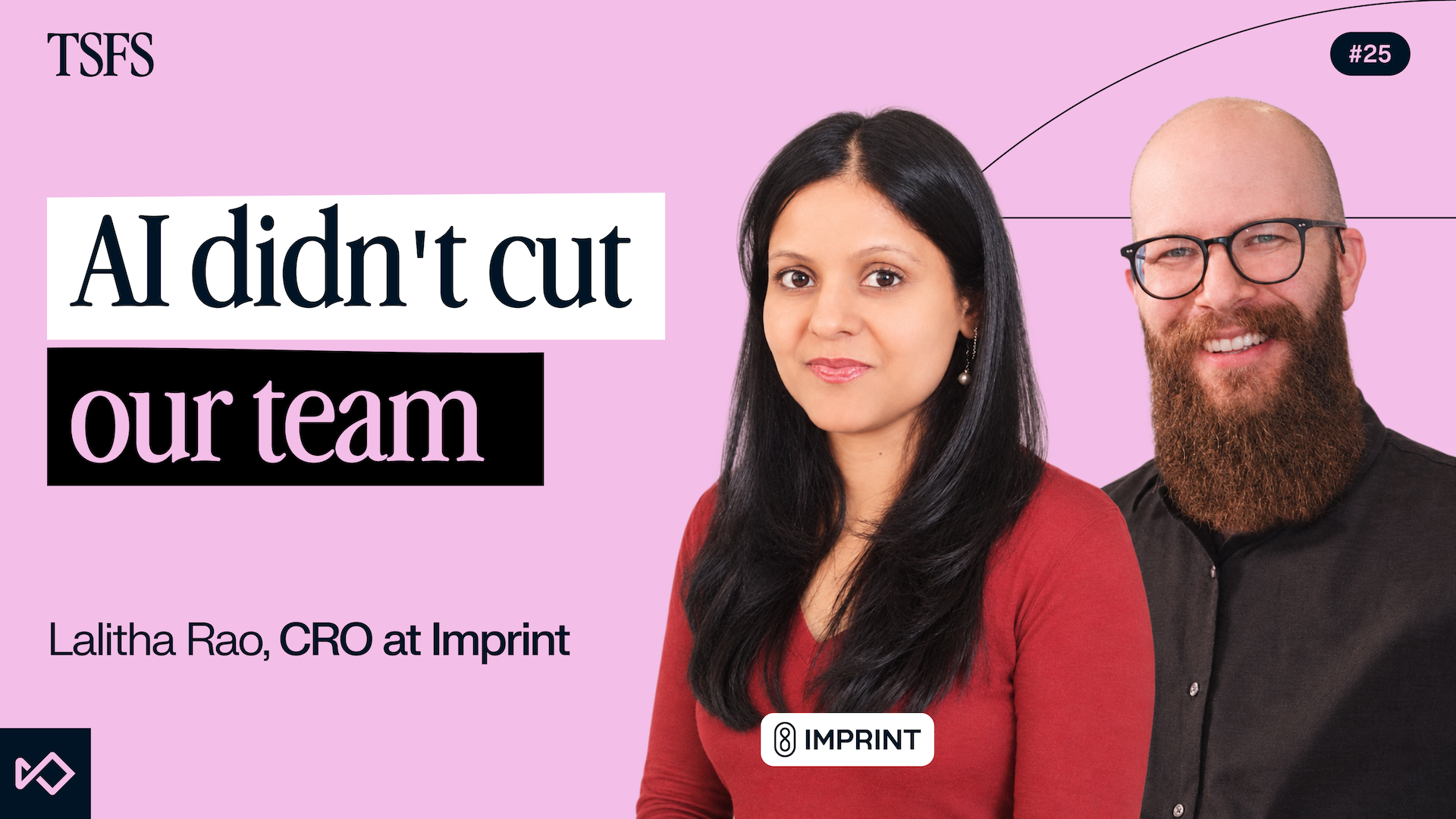
A ascensão das operações de fraude agênticas, parte 3: ampliando a análise de fraudes

10 min

Os líderes de risco estão atualmente sob pressão para usar a IA a fim de reduzir custos. Reduzir custos geralmente significa reduzir o quadro de funcionários. Especificamente nas operações de combate a fraudes, esse impulso cria um ponto cego nas equipes.

Os episódios anteriores desta série mostraram como é, na prática, a transformação de operações antifraude manuais em operações baseadas em IA. O que esses episódios não abordaram foi por que a análise de fraudes precisa ser ampliada paralelamente a essa mudança. Há um efeito de segunda ordem para o qual quase ninguém se prepara. Quando uma equipe adota a IA, uma das funções não diminui — ela precisa crescer. Se o planejamento do quadro de pessoal de uma equipe antifraude não levar isso em conta, o resultado será uma equipe menor, mas sem a estrutura necessária para gerir os sistemas automatizados que acabou de implementar.

Isso é análise de fraudes. Não ampliar essa função é o que faz com que a implementação da IA se transforme silenciosamente em um risco maior do que o processo manual que ela substituiu.

O que você vai ouvir neste episódio:

  • Por que ampliar a capacidade de análise de fraudes é mais importante do que qualquer outra decisão de contratação em uma transformação com IA — e por que a maioria das equipes entende isso ao contrário.
  • Por que a maioria das equipes antifraude se divide em quatro funções: operações antifraude, análise de fraudes, estratégia antifraude e ciência de dados aplicada à fraude. E por que quase nenhuma delas conta com profissionais suficientes nas quatro áreas.
  • Por que as operações antifraude e a análise de fraudes reagem de maneiras opostas à adoção da IA.
  • Há uma diferença real entre revisar uma decisão individual de um agente e gerenciar um pipeline totalmente automatizado em grande escala.
  • Como uma falha silenciosa de pipeline realmente se manifesta na prática e por que os sistemas automatizados não avisam quando algo dá errado.
  • Por que a automação da criação de regras ainda exige revisão humana e o que essa revisão precisa detectar.
  • Como o monitoramento de KPIs de sistemas automatizados e a análise de causa raiz em sistemas antifraude são competências que as equipes de prevenção a fraudes já possuem, apenas direcionadas a um novo objetivo.
  • Onde a reestruturação das equipes antifraude para a IA costuma falhar nas revisões trimestrais. Por que isso acontece quando não há limites de erro definidos e porque as auditorias são realizadas mensalmente, em vez de semanalmente.
  • Por que os analistas de fraude, e não os investigadores ou engenheiros, estão se tornando os novos líderes das equipes de IA.
  • Como pensar no planejamento orçamentário da equipe de prevenção a fraudes durante essa transição, incluindo o financiamento da expansão da área de análise com as economias obtidas nas operações antifraude.

Você deveria ouvir este episódio se:

  • Lidera uma equipa de combate à fraude que está a planear ou já se encontra a meio de uma transformação com IA e ainda não definiu o que acontecerá à sua função de análise
  • Está sob pressão para reduzir o número de funcionários da equipe antifraude e precisa de um argumento claro que mostre onde essa lógica falha
  • Já implementaram ou estão prestes a implementar IA agêntica para investigações, rotulagem ou criação de regras e querem entender a lacuna de governança que passa despercebida pela maioria das equipes
  • Estão elaborando uma proposta orçamentária para a equipe de combate a fraudes a ser apresentada ao conselho e precisam de uma linguagem que relacione a redução de custos às áreas em que esses recursos realmente devem ser reinvestidos
  • Quer uma estrutura prática para o desenho organizacional da equipe antifraude que leve em conta o monitoramento de todo o pipeline, e não apenas a análise de casos individuais
  • Quer saber se a sua área de análise de fraudes está dimensionada para a automação que você já utiliza ou para a automação que está prestes a implementar
Notas do episódio e principais conclusões

Por que a decisão de escalar a análise de fraudes é aquela que a maioria das equipes toma ao contrário

A premissa padrão ao iniciar uma transformação com IA é que todas as funções encolhem. O trabalho de investigação — tarefas de trinta minutos que passam a levar cinco — é exatamente o tipo de atividade que os agentes automatizam bem. Naturalmente, essa equipe fica mais enxuta. Aplicar a mesma lógica à análise de fraudes é o erro que merece atenção. A comparação entre operações antifraude e análise de fraudes não é uma história sobre a automação reduzir tudo por igual, mas sobre o trabalho migrar de uma equipe para outra.

O problema de governança escondido por trás de “está funcionando bem”

Analisar a recomendação de um agente para um caso específico é uma competência que as equipas de combate à fraude já possuem. É semelhante a rever o trabalho de um analista júnior. A verdadeira lacuna está na governação ao nível do pipeline, ou seja, na monitorização dos sistemas de rotulagem, dos motores de recomendação de regras e dos processos de treino de modelos que funcionam continuamente e nunca foram concebidos para serem verificados caso a caso. A falha silenciosa do pipeline é o risco que deve ser levado a sério neste contexto, porque estes sistemas não emitem um alerta quando algo corre mal. Um agente que atribui rótulos incorretos não para. Continua a funcionar até que alguém acabe por reparar nos danos.

A análise da causa raiz não desaparece, apenas passa para um nível superior

As equipas de combate à fraude já sabem como fazer este trabalho. A monitorização de KPI em sistemas automatizados e a análise da causa raiz em sistemas de fraude são novas competências. Assentam nos mesmos instintos que os analistas de fraude sempre aplicaram a uma regra ou modelo, mas agora direcionados para uma nova camada. Mesmo no melhor dos cenários, em que um agente cria uma regra de forma totalmente autónoma, continua a ser necessário que uma pessoa confirme que a regra passou em todos os testes, não contradiz a lógica de negócio existente e não se baseia numa coincidência estatística. Multiplique-se isto por todos os sistemas automatizados utilizados por uma equipa, e a questão passa a ser se alguém está a acompanhar a frequência com que os analistas tiveram de intervir para corrigir algo fundamental. Se esse número estiver a aumentar sem que ninguém o monitorize, é precisamente assim que um programa de combate à fraude se torna menos seguro, embora pareça mais automatizado no papel.

Como uma falha realmente se manifesta na prática

Um sistema autónomo de investigação entra plenamente em produção, mas a equipa de análise continua dimensionada para um contexto em que as regras são revistas trimestralmente. Este é o padrão de falha mais comum. Não existe um limite para a taxa de erro no processo de rotulagem. As auditorias às regras são realizadas mensalmente, em vez de semanalmente. A equipa acaba por ter mais automatização, mas sem um ciclo de resposta mais rápido e, em alguns casos, com um sistema verdadeiramente menos estável do que antes da chegada da IA. Trata-se de uma incapacidade de dimensionar a governação ao mesmo ritmo da automatização, e não de uma falha tecnológica.

Financiando isso da maneira certa

As economias geradas por uma equipe de operações antifraude mais enxuta não deveriam desaparecer em uma rubrica genérica de redução de custos; deveriam, em vez disso, financiar diretamente a expansão da área de análise de fraudes. Além da lógica financeira, esse também é um dos caminhos mais realistas para preservar o conhecimento institucional, em vez de perder por completo profissionais experientes durante uma transformação. O valor que acabará sendo apresentado ao conselho pode ser maior do que todos esperavam no início, e ainda assim vale a pena levá-lo adiante. Em uma frase para essa conversa: os analistas de fraude estão se tornando os novos líderes das equipes de IA. Não os investigadores, nem os engenheiros. E essa é a evolução de função que este momento exige.

Conclusão final

Ampliar a equipa de análise de fraude não é algo meramente desejável, a acrescentar se o orçamento o permitir; é a decisão de dimensionamento da equipa que determina se uma transformação com IA funciona realmente ou se, silenciosamente, torna um programa de prevenção de fraude menos seguro. Reduzir a equipa de operações de fraude é a parte fácil e óbvia desta história. Reforçar a equipa de análise de fraude é a parte que quase ninguém planeia — e é ela que determina se todo o sistema se mantém de pé.

As equipes que fizerem isso da maneira certa não serão as que automatizaram mais rapidamente. Serão aquelas que ampliaram sua supervisão no mesmo ritmo da automação e financiaram esse crescimento de forma intencional, em vez de descobrirem a lacuna depois que algo já tivesse dado errado.

Este conteúdo faz parte de uma série. Se você chegou primeiro a este episódio, talvez seja melhor voltar e ouvir os episódios anteriores. Já abordamos muitos assuntos que tornarão este episódio muito mais fácil de acompanhar.

Confira A ascensão das operações autônomas de fraude, parte 1
Confira A ascensão das operações autônomas de fraude, parte 2

Ainda não quer encerrar a conversa sobre o meu assunto favorito — e, espero, o seu também? Assine a newsletter The Saturday Fraud Strategist.

Conecte-se com Chen Zamir | LinkedIn
Apresentador do The Saturday Fraud Strategist
Ajudando fintechs a criar defesas mais inteligentes contra fraudes
Coautor de “The Fraud Fighter’s AI Playbook

Episode transcript
Chen Zamir
Chen Zamir
00:06
We started this series by talking about the pressure all risk leaders are facing right now. Use AI to cut costs and by cutting cost I mean cutting headcount. But in fraud operations the push for automation also creates a risk. What happens when teams cut the very function needed to govern automated systems? In the previous episode in this series, we outlined what a transformation journey looks like when you move from mostly manual operations to AI powered ones. And as we've discussed, there's a lot of nuance to it, because it's not a switch you just flip. It's a journey with a specific sequence and dependencies. But one thing I didn't cover previously is how you establish AI governance as you implement more and more AI automation. Specifically, there's a second order effect almost nobody's planning. One function on your team doesn't shrink with AI adoption. On the contrary, it actually needs to grow. Because automation creates new oversight requirements that most teams do not have staff today. And if you don't account for it, you'll end up with a smaller team that isn't equipped to govern all the automated systems it runs. And let me tell you that would not end well. That function is fraud analytics. And without it, your system would break faster than you'd like to think. It is the control layer that catches drift, monitors automated decisions, and prevents silent pipeline failures. So in this video, I want to talk about how fraud teams usually look like, what AI governance really means, and what it means to your future organization.
Chen Zamir
Chen Zamir
01:43
In my experience, most fraud teams are built from four functions. Now, I will say in our industry, terms and definitions are very loose. Even the word fraud might mean different things to different people or even the same person when considering different contexts. So it might be that you've seen other names or other organizational structures to this. The point I'm trying to make is around co responsibilities and skill sets an organization holds, rather than how it's actually structured or named. So bear with me. Anyway, back to the four functions I usually see. The first is fraud ops which handles investigations. Reviewing alerts, making rulings, managing chargebacks, and so on. The second is fraud analytics which owns rules and monitoring. Writing detection logic, tracking performance, analyzing attack patterns and producing reports. The third is fraud strategy that sets the risk appetite, risk policies and are likely in charge of vendor selection and architecture. And the fourth and last is data science that builds and maintains machine learning and AI models. But as I mentioned, not every fraud organization has all four. And there are a few reasons for that. First, it might be that some of these responsibilities simply don't exist. Not every organization develops their own AI models, for example. In other cases, especially in smaller organizations, some responsibilities are simply held by the team leader. For example, fraud strategy. It doesn't have to be its own function. So in effect, the bare minimum for a fraud team and what you'll almost always say is just one function, fraud ops. Meaning you can run a fraud function even if probably inefficiently with nothing more than investigators reviewing alerts. At the same time, fraud analytics exists in a lot of midsize and larger teams, but it's often informal or undersized. And that creates a potential oversight gap when these teams begin using AI agents to label cases, suggest rules, cluster alerts, all the things we talked about in the previous episodes. Meaning, if you need analytical skills to monitor agentic powered fraud systems, most teams are behind where they should be. And if you're thinking of downsizing them even more, then you might be risking self-sabotage when adopting AI at the same time. Because here's the thing, the traditional fraud analyst role was already important, but in an AI powered fraud team, it becomes central. Why do I think we'll need a bigger fraud analytics function in the age of agentic AI? In one word, governance.
Chen Zamir
Chen Zamir
04:29
Not all agentic AI creates the same kind of work. And understand the difference is what explains why certain functions on your team grow while others shrink. When fraud teams first roll out Agentic AI, they typically start with investigation assistance. The agent assembles the case and proposes a resolution and the investigator reviews and approves. Which means that this workflow isn't so different from managing a junior analyst. The agent does the leg work and the investigator uses their judgment to validate. And that's the thing, your team already knows how to do that. Governing individual decisions over individual cases is something your team members already do today. But fully automated pipelines are different. Auto labeling uh case clustering, rule recommendations, model training, these decisions operate at scale. They run continuously and you cannot have humans running around after agents because that would slow you down. Exactly the opposite of what you want to achieve. But the problem is that these pipelines can still fail. And when they do, they fail silently. A labeling agent that starts misclassifying doesn't raise its hand. It keeps labeling until someone checks. A rule built on a coincidental correlation looks fine in the back test. This system fails silently. They fail at scale and they fail fast. Unlike a human investigator who notices when something uh feels off, an automated pipeline doesn't feel anything. It just continues to run and spew garbage. But the governance these pipelines need is the same kind of monitoring fraud teams already apply today. KPIs, monitoring, alerting, systematic performance review, and most importantly, being able to run a root cause analysis when something breaks so you are able to fix it. Not just say that it's wrong. Does any of that sound familiar? Observing system performance through data, noticing issues, understanding what causes them, and fixing them, that's the job of fraud analytics.
Chen Zamir
Chen Zamir
06:33
What is the takeaway from looking at those two governing approaches? The obvious assumption when you start rolling out Agentic AI is that you can downsize your fraud team. But that is only correct for one function, fraud ops. For another, fraud analytics, it's not that simple. In fact, for most teams, it'll have to be exactly the opposite. Why? Because investigators benefit most directly from what AI agents automate. The part of their day that consumed the most time pulling transaction details, running IP lookups, checking device history, cross reference accounts. That's exactly what agents handle, an investigation. Simply put, the efficiency gains are straightforward because what used to take 30 minutes now takes five. Naturally, the function needs fewer people. But fraud analytics on the other hand, and as we just discussed, is different. Right now the team observes data, compiles reports, write rules when new attacks emerge and tweak score cut offs when needed. But when agents take over those tasks, all the automated pipelines we just described become their responsibility as well. Now you might think, but wouldn't I be automating the analysts jobs too? And you'll be right thinking that. But you need to remember that while some of the work is now automated, all the new automation you deployed both in analytics and in operations will now fall under their responsibility as well. Let's take rule writing as an example. Even if we reach an ideal state where agents write rules from scratch completely autonomously, which is definitely a stretch goal, your human analysts still have to review them. They need to check that the rules proposed went through all the tests correctly, that they don't contradict your business logic, and that they are not based on shaky statistics. That's still work, and it's only the start because we're still making individual decisions over single rules. But we also need to monitor how well the agents are proposing rules as a whole. How many times have the analysts corrected something fundamental? Did this number grow since last month? And if so, why? And how can we fix it? And this is just one example of how tasks that don't exist today will land in fraud analytics. And take into account that by the time you'll get to monitor your rules recommendation agents, you probably implemented at least five to 10 other systems. So all of them would need monitoring as well.
Chen Zamir
Chen Zamir
09:01
Hopefully, the argument I've outlined for why you'd actually need more analysts when you start automating has been convincing thus far. But the sad reality is that many teams don't have a fully fledged analytics team and so are likely blind to their repercussions. If you don't manage existing automated pipelines today or if engineering does it for you, odds are you have a blind spot there. And so when such teams come under cost pressure, it's very easy to commit to cutting the function that you actually need to enable AI adoption. It's all too easy to get to a point where your agentic investigation systems goes live, cases are being assembled, labels are being generated, and rules are being proposed. But the analytics team is still sized for quarterly rule reviews. And then the labeling pipeline has no error rate thresholds. The rule recommendation audits happen once a month when it should be happening weekly. So your fraud system is more automated, but your reaction cycle isn't faster. Even worse, your system is less stable and less safe than it was before. Why? Because we scaled automation without scaling governance. And that's exactly the recipe for failed AI adoption projects. Because it's easy to forget that redesigning your system means also redesigning your team and not just cutting it.
Chen Zamir
Chen Zamir
10:23
In the first episode in this series, I stressed that redesigning your fraud prevention system will come at a cost and that you'd want to fund it through the cost cutting you achieve. Part of that cost and only one part is making sure your team is properly staffed in the fraud analytics department and that you can increase its size as you go through the transformation journey. To an extent, it means that the savings you make from the shrinking fraud ops team should fund the growth of fraud analytics. And this can also be a way to upscale and retain some of the headcount instead of losing all of the institutional knowledge entirely. Of course, it might be that the target budget figure you show your board is higher than what they or you anticipated at first, but it's mandatory to build the function the new system depends on most because we should expect fraud teams to have a new bare minimum makeup. Investigative capabilities will continue to be part of it, but not all of it. In addition to that, teams will have to include strong analytical functions to operate its agentic workers, monitor automated pipelines, evaluate recommendations, and maintain your system stability as a whole. Or to frame it simply, think of it like that. Fraud analysts will be your new AI team leaders. That's the framing your board would understand.