

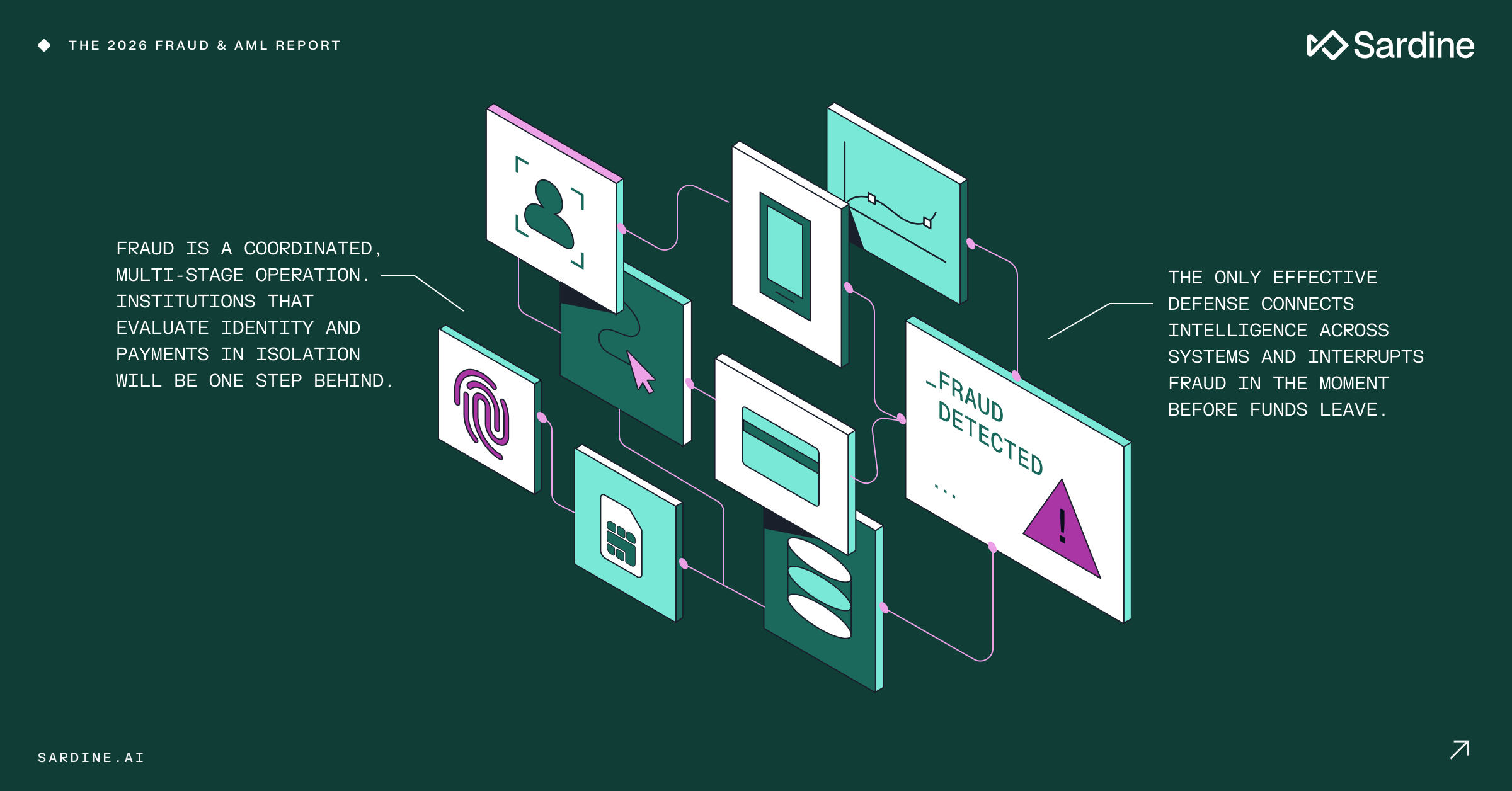
El Informe de Fraude y AML 2026 deja una cosa muy clara: la mayoría de los programas antifraude están actualmente optimizados para un tipo de ataque que ya no existe.
Aunque gran parte de la conversación en la industria sigue centrada en la novedad de los deepfakes, el cambio más peligroso se está produciendo en la industrialización del fraude. Los atacantes han pasado de ejecutar incidentes aislados a gestionar operaciones permanentes y de múltiples etapas. Para cuando un pago siquiera se inicia, el fraude ya ha ocurrido, oculto entre capas de identidad y comportamiento del cliente que las soluciones puntuales heredadas nunca fueron diseñadas para conectar.
El costo de la preparaciónIgnorar esta evolución táctica genera una enorme carga financiera. Al tener en cuenta la mano de obra, los esfuerzos de recuperación y la pérdida de clientes, investigaciones recientes muestran que las instituciones financieras de EE. UU. pierden 3,99 dólares por cada 1 dólar en pérdidas directas por fraude.*
Este informe ofrece un marco para cerrar estas brechas, partiendo de la realidad de que el fraude ahora funciona como un sistema y no como una serie de ataques aislados. Ese cambio transforma de forma fundamental la manera en que los equipos deben evaluar los datos de identidad y de pagos. Cuando estas señales se analizan en conjunto, queda claro que la simple detección ya no es una defensa suficiente, y que la interrupción activa es la única forma de acortar el tiempo de reacción antes de que se produzcan los daños. ¿Quieres profundizar más? Recientemente organizamos un seminario web en el que desglosamos el informe: ponte al día aquí.
1. El fraude ahora opera como un sistema, no como una serie de ataques
La mayoría de los programas contra el fraude están diseñados para detectar un único momento en el tiempo, como un inicio de sesión sospechoso o una transacción marcada, en lugar de la operación más amplia que los rodea. Este enfoque limitado no tiene en cuenta la mecánica real de un ataque moderno. El fraude se ha convertido en un proceso paciente que comienza en la incorporación del cliente y madura a lo largo de la vida de la cuenta.
Esta paciencia se ve impulsada por el enorme aumento de la eficiencia operativa que hace posible la automatización moderna del fraude. Al gestionar miles de cuentas simultáneamente, los atacantes se han alejado de los picos de actividad evidentes y reveladores para los que se diseñaron los sistemas heredados. En su lugar, pueden permitirse pasar meses estableciendo un patrón de actividad normal para eludir los mecanismos de detección estándar. Esta industrialización del fraude sigue un ciclo de vida predecible:
- Incorporación: superar la verificación inicial de KYC con identidades robadas o sintéticas.
- Consolidación: Establecer un historial de transacciones rutinarias de bajo valor.
- Manipulación: Uso de la ingeniería social para guiar al usuario o comprometer la cuenta.
- Extracción: Iniciar pagos de alto valor o retiros de efectivo entre plataformas.
Para cuando llegan a esta etapa final de extracción, la actividad parece una solicitud rutinaria de un usuario de confianza.
Como dijo Steve Lenderman, jefe de prevención de fraude en iSolved, en un reciente episodio del pódcast Fraud Forward: “Todo fraude que ocurre pasa el KYC.”
2. La identidad y los pagos deben evaluarse conjuntamente
Detectar estos ataques dirigidos a los pacientes es difícil porque la mayoría de los departamentos de fraude siguen tratando la identidad y los pagos de riesgo como problemas separados. Cuando estas señales residen en sistemas distintos, una estafa puede ocultarse en los vacíos que existen entre ellos.
Considere el perfil de un pago típico de estafa. Para un sistema aislado, todo parece estar en orden:
Punto de control | Lógica del sistema | El riesgo oculto |
Identidad | MFA válido y dispositivo conocido | Urgencia inusual o comportamiento frenético |
Pagos | Fondos suficientes y autorizados | Beneficiario por primera vez / Sin historial previo |
La verdadera amenaza solo emerge cuando estas señales se evalúan como un riesgo unificado. Cuando un dispositivo reconocido envía dinero a un beneficiario por primera vez mientras muestra indicios de manipulación del comportamiento, el pago sigue pareciendo perfectamente legítimo y probablemente se aprobará. Esta combinación revela un patrón de fraude que ninguno de los sistemas puede detectar de forma aislada.
El fraude rara vez parece sospechoso para un solo control; solo se vuelve visible cuando la identidad, el comportamiento y el movimiento de dinero se evalúan juntos en tiempo real.
3. La detección por sí sola ya no es suficiente
La mayoría de los programas contra el fraude están optimizados para la detección, pero registrar que se ha cometido un delito no es lo mismo que detenerlo. En el fraude impulsado por estafas, el factor más crítico es el tiempo. Una vez que la víctima está bajo la presión psicológica del estafador, ese impulso la empuja a completar el pago a cualquier costo.
Por eso las instituciones más eficaces están reorientando sus esfuerzos hacia la interrupción. En lugar de depender de alertas pasivas y revisiones manuales que ocurren después de los hechos, están introduciendo fricción específica en el momento del pago. Estas intervenciones están diseñadas para romper el hechizo proverbial del estafador.
Las estrategias eficaces de interrupción incluyen:
- Retenciones de pagos en tiempo real
- Verificación de beneficiario por primera vez
- Límites de pago dinámicos
- Rutas de escalamiento para el personal de primera línea
Como muestra uno de los ejemplos del informe, una simple pausa de seguridad ofrece el espacio que un cliente necesita para reconsiderar una transferencia sospechosa. Este retraso rompe el impulso psicológico de la estafa al permitir que la víctima se aparte de la urgencia guionizada por el estafador. Al recuperar este tiempo, los bancos pueden desmantelar con éxito la influencia del atacante antes de que los fondos salgan del sistema.
“El fraude es la nueva fricción, y la prevención del fraude es el nuevo servicio al cliente”.– Karen Boyer, SVP de Delitos Financieros en M&T Bank
La conclusión
El fraude en 2026 será más rápido, parecerá más legítimo y abarcará más sistemas que nunca. Para adaptarse, las instituciones deben centrar su atención en tres áreas específicas:
- Evaluar la identidad y los pagos en conjunto para eliminar puntos ciegos.
- Interrumpeel fraude en el momento antes de que los fondos salgan del sistema.
- Supervisar todo el ciclo de vida del fraude como un sistema continuo en lugar de incidentes aislados.
Estos cambios son objetivos independientes, pero forman parte de un cambio fundamental en la manera en que las organizaciones deben estructurar su defensa. Dado que los ataques modernos son coordinados y persistentes, una respuesta eficaz ya no puede depender de un conjunto de partes desconectadas. Para proteger la integridad de los sistemas financieros de los que millones de personas dependen cada día, la defensa en sí debe funcionar como un sistema cohesionado.Puedes descargar una copia del informe aquí.
*Estudio 2025 sobre el Verdadero Costo del Fraude™ de LexisNexis® en Norteamérica