

What is up fraud fighters, and welcome to Fraud Forward!
Alright, I am going to be very direct today because I am done pretending this is still the old world. compliance events are changing, whether we like it or not, because AI is already embedded in onboarding, fraud detection, AML transaction monitoring, and payment risk decisioning. That means the job changed. And if the job changed, the way we gather, learn, and govern has to change too.
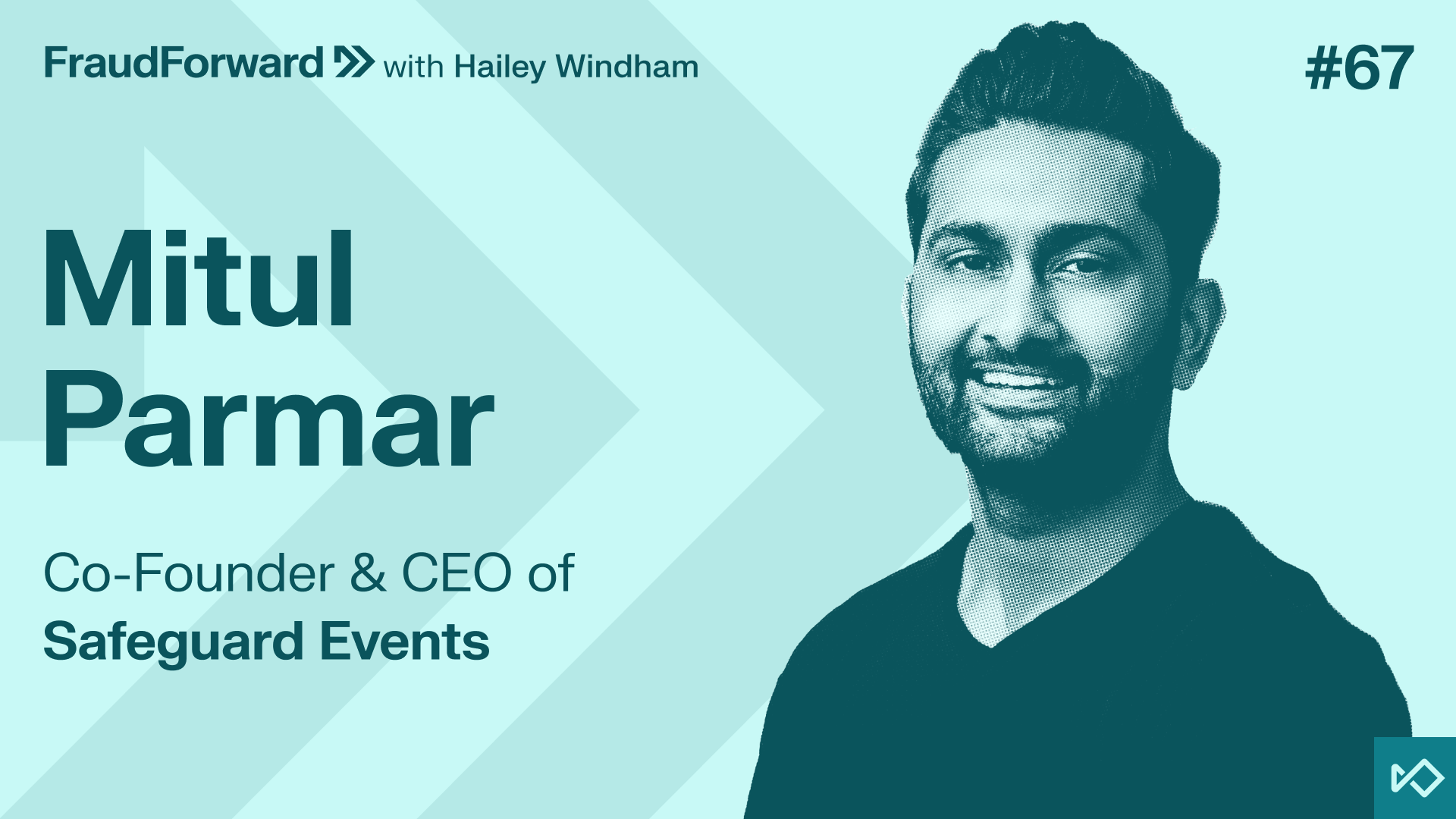
In this episode, I am sitting down with Mitul Parmar, Co-Founder and CEO of Safeguard, and we are introducing something that honestly feels overdue, the AI Deep Dive Retreat. Not a giant ballroom. Not a parade of panels. Not a vendor pitch disguised as “education.” An industry AI training retreat built for the people who actually own the risk.
Let’s reset the room for a moment. Traditional fraud industry conferences and identity and compliance summit formats are great for awareness. They are not built for operational depth. And in 2026, compliance leaders are accountable for AI governance for compliance, model validation standards, regulatory defensibility, and board-level oversight. That is the new baseline.
So when I hear “We’ll cover it at the conference,” I want to double click on what “cover” means. If you are deploying AI in financial services, you do not need another high-level keynote telling you AI is disruptive. You need peer-level working sessions where you can pressure-test policy, document what you will show an examiner, and walk out with defensible outputs.
That is why this retreat is different. It is an executive fraud leadership retreat format. It is a fraud and identity leadership event that prioritizes AI policy and oversight discussion over broad commentary. The goal is financial industry AI education that helps people implement governance, not just admire the problem.
Mitul and I talk about the governance gap that exists in many compliance events. Panels can describe risk, but they rarely build frameworks. And the truth is, financial crime AI strategy cannot be shaped in soundbites. We need environments where risk and compliance networking is paired with actual work, cross-functional alignment, and the kind of collaboration that can hold up when regulators ask hard questions.
Because AI is not just “technology.” It is model risk exposure, audit exposure, escalation exposure, and reputational exposure if you cannot explain how decisions were made. That is why AI regulatory readiness is not an optional project. It is a core readiness requirement for 2026 and beyond.
And yes, I am going to say it. If your institution is rolling out AI and fraud and compliance collaboration is still fragmented, you are building risk into your operating model. FRAML alignment cannot be theoretical. It has to be operational.
This episode is my call to action for leaders who want to stop treating events like entertainment and start treating them like governance infrastructure.
What you’ll hear in this episode:
- Why compliance events must evolve alongside AI in financial services deployment
- Why the traditional fraud industry conference model is not enough for AI governance for compliance
- What makes the AI Deep Dive Retreat different from an identity and compliance summit
- How AI regulatory readiness is reshaping compliance professional development
- The operational risks introduced by AI decisioning and fragmented oversight
- Why structured executive collaboration improves fraud and compliance collaboration outcomes
- How a fraud prevention innovation event can become a real AI risk management event through working sessions
- What financial crime AI strategy leaders need to prepare for 2026 scrutiny
You should listen to this episode if you:
- Oversee fraud, AML, or compliance programs and want deeper regulatory technology education
- Own AI governance for compliance or model risk management and need peer-level dialogue
- Are preparing materials for regulators, auditors, or risk committees and want defensible outputs
- Need a fraud and identity leadership event that is practitioner-led, not vendor-led
- Want financial services AI transformation conversations grounded in governance, not hype
- Are building FRAML alignment and want fraud and compliance collaboration to be operational
If you liked this episode, be sure to subscribe and review the podcast on iTunes, Spotify, YouTube, or wherever you listen to podcasts. It really helps with getting the word out.
Episode notes & key takeaways
Before we double click on the notes, I just want to say my marketing team told me I need to structure these notes a certain way in order for people to find my podcast. The below is a bit of that 😀.
The governance gap in traditional compliance events
Let me just assure you, compliance events historically emphasize awareness, and that structure is misaligned with what AI requires.
When AI in financial services is embedded across onboarding and monitoring, fraud and compliance leaders become accountable for:
- Model explainability and defensibility
- Escalation pathways and override governance
- Documentation controls and audit readiness
- Evidence that oversight exists and functions
Operational Reality Requires:
- Alert enrichment tied to AI-driven anomaly detection
- Cross-signal correlation between identity, device, and transaction data
- Formalized escalation pathways for model overrides
- Governance oversight committees aligned to regulatory expectations
- SAR narrative quality when AI contributes to investigative output
- Continuous behavioral monitoring to detect model drift
If your compliance events do not produce governance outputs, they are not meeting the moment. Leadership implication, compliance events must produce defensible governance outputs, not general discussion.
AI regulatory readiness and institutional exposure
AI regulatory readiness is not a one-time checklist. It is a governance posture.
AI deployment expands institutional exposure across onboarding, transaction monitoring, and payment authorization. Compliance leaders have to align fraud operations, AML oversight, and model risk management under unified frameworks, and that is why this becomes a true AI risk management event topic, not an abstract conversation.
Key Operational Considerations:
- Model validation documentation
- Typology alignment with AI detection systems
- Network analysis integration for fraud ring visibility
- Cross-functional AI accountability between fraud, compliance, and legal
- Board-level AI risk reporting
- Regulatory expectation mapping
Without structured collaboration, institutions risk fragmented oversight and inconsistent governance standards. That is why the AI Deep Dive Retreat is positioned as an industry AI training retreat and compliance professional development experience built for real implementation.
The evolution of banking on fraudology
The mission stays the same:
- Elevate fraud prevention education.
- Strengthen banking community leadership.
- Support real operators inside community banks and credit unions.
- Build durable fraud community building frameworks.
- Advance fraud prevention thought leadership that is grounded, not hyped.
The future of banking fraud prevention depends on community.
The future of credit union fraud prevention depends on collaboration.
The future of fraud industry evolution depends on shared intelligence and values alignment.
We are leveling up.
And we are doing it together.
Stay vigilant, stay informed, and keep moving fraud forward.
.png)


Stay vigilant and stay informed
Get the latest episodes, events, and insights from Hailey as we move fraud forward.