
How to Talk to the Victims of Fraud: Words Matter with Kathy Stokes
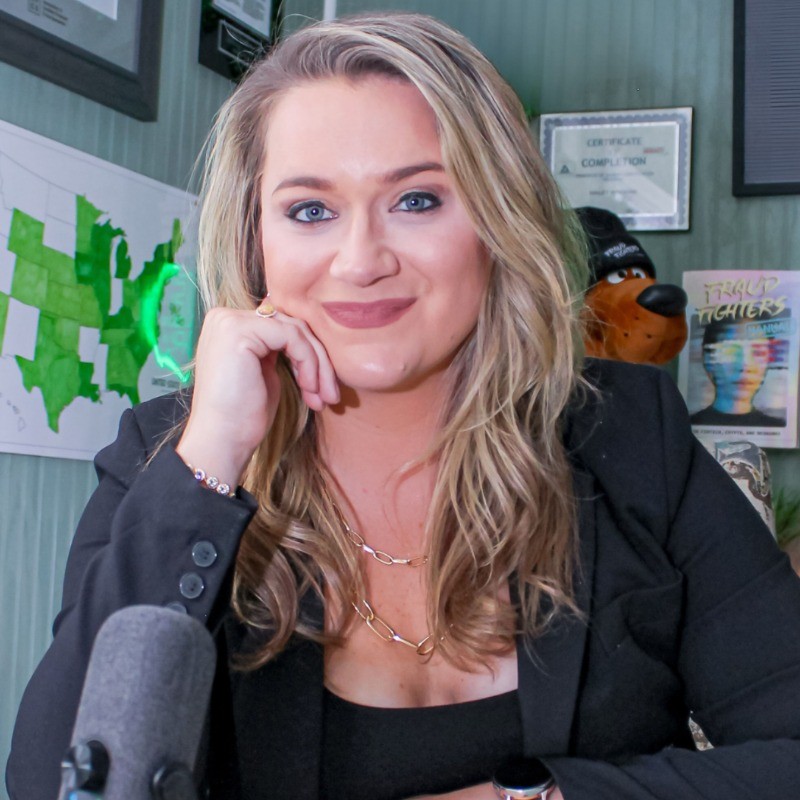
What is up fraud fighters, and welcome to Fraud Forward!
Today we’re talking about something that might sound simple on the surface, but honestly, it has one of the biggest impacts on fraud prevention outcomes.
Language.
Specifically, how to talk to the victims of fraud.
And if you’ve worked in fraud investigations, frontline banking, or fraud operations, you’ve probably seen this moment play out before.
Someone calls the bank. Or walks into a branch. Or gets connected to an investigator. And they’re scared, confused, embarrassed, sometimes even in shock.
What happens next matters more than most institutions realize.
Because the way we talk to someone in that moment will determine whether they open up and share the details investigators need… or whether they shut down.
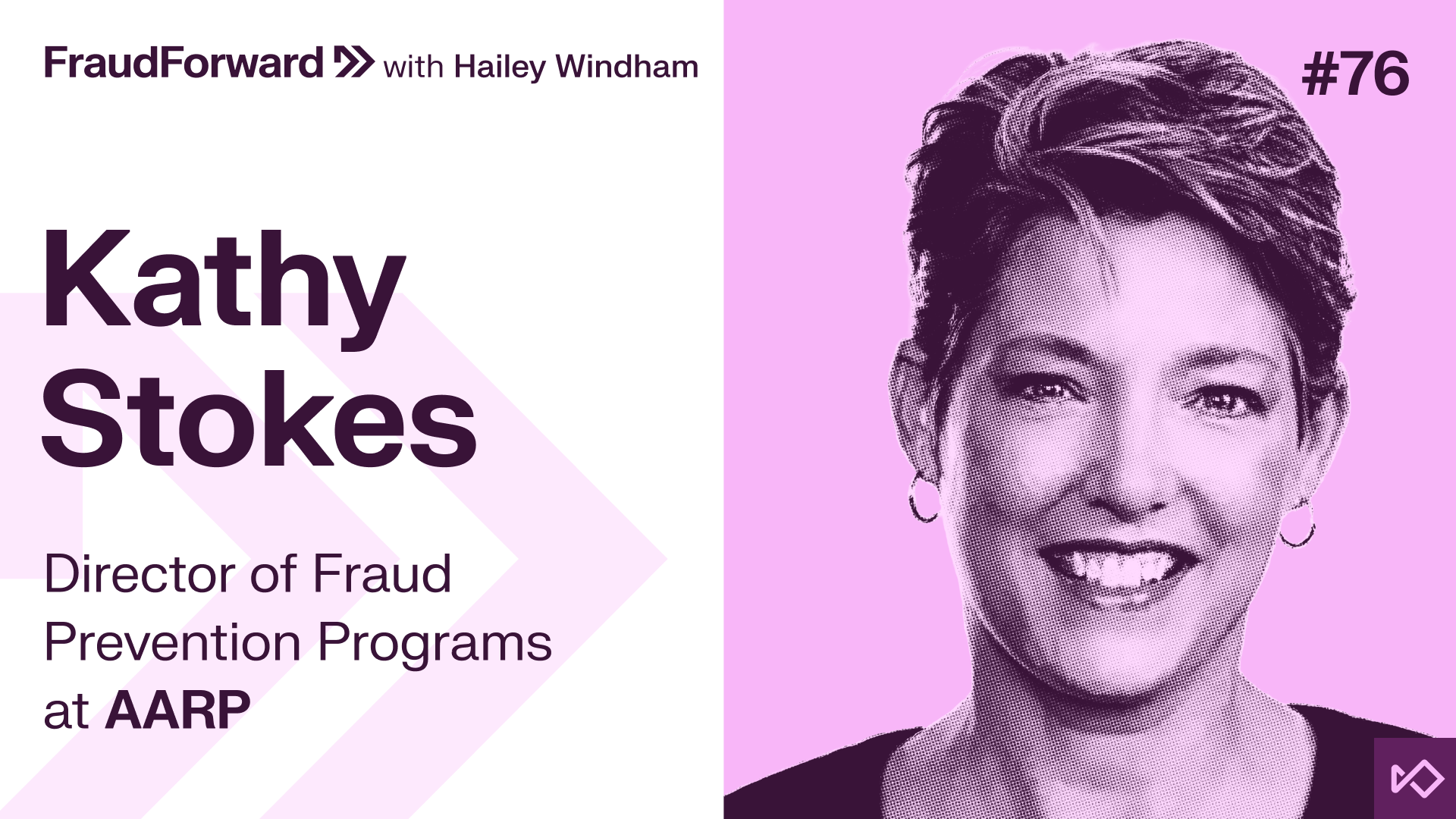
In this episode, I sat down with Kathy Stokes from AARP to talk about why fraud victim communication is not just a customer experience issue. It’s a fraud prevention strategy.
Kathy leads fraud prevention programs at AARP and has been a major voice behind the Words Matter campaign, which focuses on changing the language the industry uses when discussing fraud.
And one thing we both agree on is this.
Fraud is a crime. Not a mistake.
And when the industry describes fraud as a consumer error, it shifts responsibility away from criminal networks and onto the people they targeted.
That framing affects everything from fraud reporting behavior to investigative quality and even public accountability.
So in this conversation, we dig into what victim-centered fraud response really looks like, why empathy improves reporting outcomes, and how financial institutions can rethink the language they use when supporting victims.
What you’ll hear in this episode
- Why how to talk to the victims of fraud directly affects reporting behavior and investigations
- How fraud victim communication influences whether victims disclose critical details
- Why empathy in fraud prevention strengthens investigative outcomes
- The importance of calling fraud a crime instead of a consumer mistake
- How the Words Matter campaign is reshaping industry language
You should listen to this episode if
- You work in fraud investigations or fraud operations
- You support fraud victims through call centers or branch teams
- You oversee fraud prevention leadership or compliance programs
- Your institution is focused on consumer protection fraud initiatives
- You want to strengthen fraud victim advocacy and reporting accuracy
If you liked this episode, be sure to subscribe and review the podcast on iTunes, Spotify, YouTube, or wherever you listen to podcasts. It really helps more fraud fighters find these conversations.
Episode notes & key takeaways
Before we double click on the notes, I just want to say that my marketing team told me I need to structure these notes a certain way in order for people to find my podcast. The below is a bit of that 😀.
How to talk to the victims of fraud
A lot of organizations think about fraud prevention as detection systems, monitoring tools, and investigation workflows.
But the human conversation matters just as much.
The way investigators and frontline staff approach fraud victim communication directly affects whether victims report the full story.
When people feel blamed or judged, they often withdraw or minimize details.
But when institutions lead with empathy, victims are more likely to provide:
- Accurate timelines
- Communication records
- Transaction details
- Context around how the scam unfolded
That information strengthens investigations and improves fraud reporting behavior across institutions.
Reframing fraud as criminal exploitation
One of the most powerful ideas Kathy shared in this conversation is the importance of framing fraud correctly.
Fraud is criminal exploitation.
But when the industry describes fraud as a consumer mistake, the responsibility shifts away from the perpetrator.
This language creates a subtle form of victim blaming in fraud, even when that isn’t the intention.
Calling fraud what it is, a crime, reinforces financial crime accountability and clarifies where the responsibility belongs.
With organized criminal networks.
Not the person targeted.
Eliminating harmful industry terminology
Another area where language matters is terminology the industry has used for years.
Some of these terms unintentionally minimize criminal activity.
For example:
- The word “fraudster” can soften the perception of organized crime
- The phrase “victim assisted” suggests complicity rather than coercion
- Avoiding the word “victim” may dilute the seriousness of the crime
Part of fraud prevention leadership is recognizing how these phrases shape both internal culture and public understanding.
Precision in fraud prevention language strengthens accountability and investigative clarity.
Empathy improves reporting accuracy
Let’s talk about empathy for a minute.
When someone experiences fraud, they are often dealing with a mix of emotions.
Shock.
Embarrassment.
Fear.
If the first response they hear feels accusatory or rushed, they may shut down.
But when investigators start with empathy, something different happens.
Victims begin to share details.
That’s why effective fraud recovery conversations often begin with a simple statement.
“I’m so sorry this happened to you. It’s not your fault. Let’s talk about it.”
That approach improves fraud victim support, strengthens investigations, and ultimately improves fraud prevention outcomes.
Words matter
The final takeaway from this episode comes directly from AARP’s advocacy work.
Words matter.
The Words Matter campaign has shown that when organizations change the way they talk about fraud, they change the way the public understands it.
Better language reduces fraud reporting barriers, improves public awareness, and supports stronger elder fraud prevention efforts.
And that shift helps institutions build a culture where victims feel safe reporting crimes instead of hiding them.
.png)


Stay vigilant and stay informed
Get the latest episodes, events, and insights from Hailey as we move fraud forward.