
#12128 min
¡Qué tal, luchadores contra el fraude, y bienvenidos a Fraud Forward!
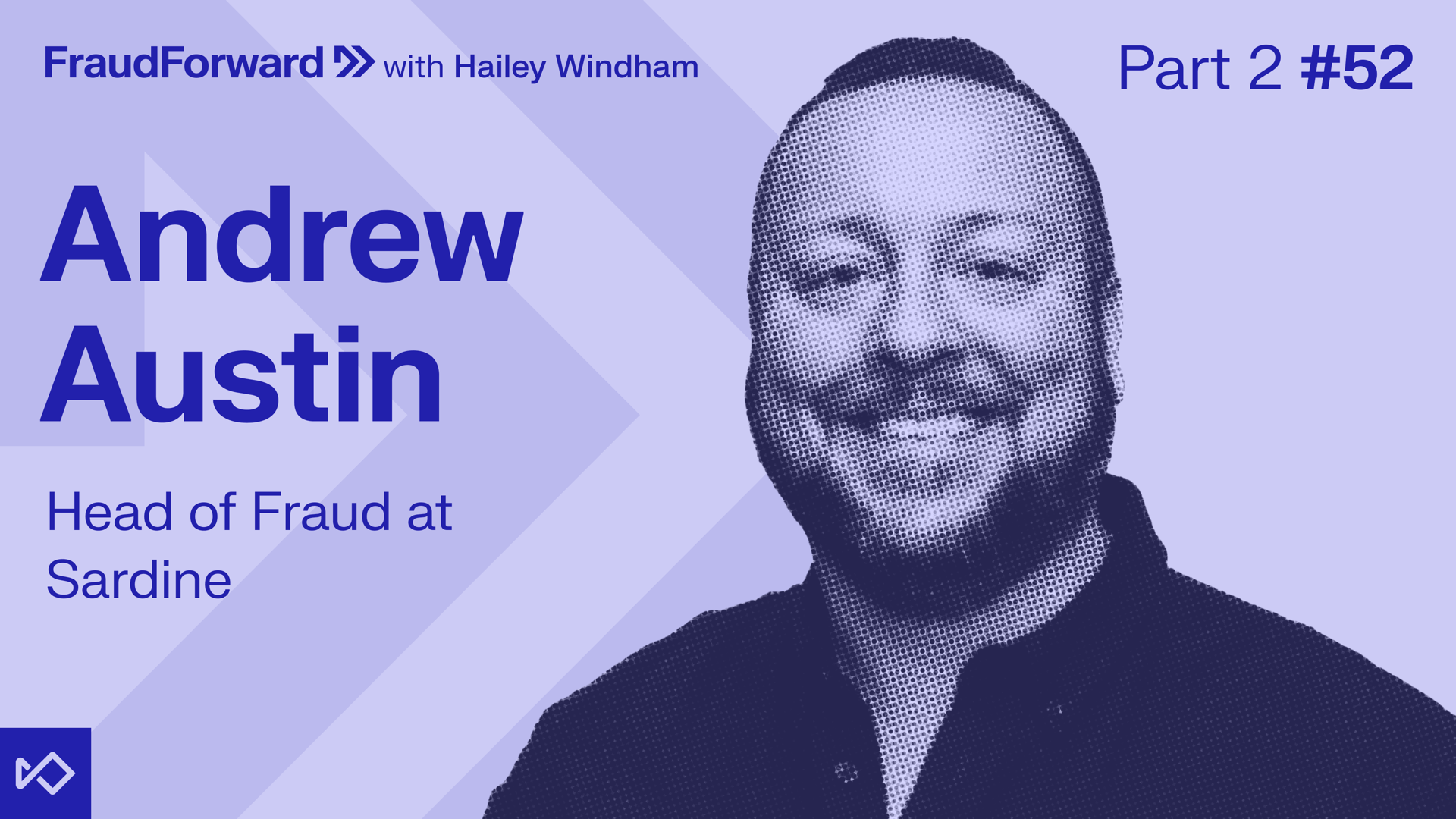
Muy bien, seguimos la conversación con Andrew Austin, y este episodio es de esos que todo líder de fraude necesita escuchar, no porque sea llamativo, sino porque resulta dolorosamente familiar.
Los sistemas de prevención del fraude financiero pueden parecer sólidos sobre el papel. Los paneles se ven limpios. Los controles parecen estar en capas. Las políticas se ven firmes. Pero cuando varios pequeños vacíos se alinean, incluso las defensas más fuertes pueden fallar.
Este episodio profundiza en una devastadora estafa de criptomonedas que tuvo como objetivo al padre de 81 años de Andrew, y sirve como un caso de estudio de cómo la vulneración de dispositivos, la manipulación mediante acceso remoto, la supervisión deficiente de transacciones y la exposición a cajeros automáticos de criptomonedas pueden converger en un evento de pérdida en cascada.
Y permítanme ser claro: esto no se trata de una sola alerta perdida. Esto es fricción sistémica. Abuso de software de acceso remoto en un dispositivo comprometido, urgencia y secretismo producto de la ingeniería social, conversiones de efectivo en cajeros automáticos de criptomonedas que eluden los controles tradicionales y, luego, fallas en la coordinación de los reportes y de las fuerzas del orden que retrasan la intervención cuando cada segundo cuenta.
Tomémonos un momento para recomponer la situación. Cuando los sistemas fallan en materia de fraude, rara vez fallan todos a la vez. Fallan de forma secuencial.
Aquí está la razón por la que este episodio es importante para la prevención del fraude financiero en el mundo real:
La prevención del fraude no puede limitarse solo a los paneles de detección. Debe incluir la concienciación en primera línea, la supervisión del comportamiento y una clara responsabilidad en la gestión de las escaladas que se extienda a través de todos los canales.
Si te gustó este episodio, asegúrate de suscribirte y dejar una reseña del pódcast en iTunes, Spotify, YouTube o en cualquier plataforma donde escuches pódcasts. Realmente ayuda a que más gente lo conozca.
Este estudio de caso sobre una estafa de criptomonedas demuestra que los fallos en la prevención del fraude financiero rara vez se deben a una única debilidad aislada. En cambio, los puntos ciegos en la detección del fraude se van acumulando.
Lo que falló fue el resultado acumulado:
Los sistemas no fallaron de forma aislada. Fallaron en secuencia.
Esta estafa se basó tanto en la tecnología como en la psicología, y no se pueden separar.
Los principales factores que lo hicieron posible fueron:
La tecnología por sí sola no puede resolver estas exposiciones. Los controles antifraude de las instituciones financieras deben estar alineados con la capacitación de los empleados y la educación de los clientes, o la capa humana se convierte en la vía de evasión más fácil.
La estafa abarcó múltiples entornos, y precisamente por eso la coordinación es importante.
Los puntos de exposición incluían:
La exposición al fraude con activos digitales aumenta cuando falta claridad en la coordinación y cuando no está definido quién es responsable de la escalación entre los socios.
La experiencia de Andrew pone de relieve problemas estructurales más amplios que muchas instituciones reconocen, pero que no siempre solucionan hasta que algo se rompe.
Los puntos de fallo incluían:
La prevención del fraude debe ir más allá de la detección y abarcar una recuperación y un apoyo coordinados, porque las víctimas y sus familias se ven obligadas a lidiar con las consecuencias mientras las instituciones aún están reconstruyendo los hechos.
Esta es la parte de la rendición de cuentas. Si quieres romper la secuencia de fallos, tienes que reforzar los conectores, no solo los controles.
Las áreas prácticas de mejora incluyen:
Las brechas en la tecnología de prevención del fraude financiero pueden abordarse, pero solo cuando las instituciones evalúan los fallos con honestidad y alinean los marcos de respuesta entre los distintos departamentos.
Este caso refuerza una dura lección. Los sistemas no fallan de forma aislada. Fallan en secuencia. Romper esa secuencia es donde la prevención mejora.
La misión sigue siendo la misma:
El futuro de la prevención del fraude bancario depende de la comunidad.
El futuro de la prevención del fraude en las cooperativas de crédito depende de la colaboración.
El futuro de la evolución del sector del fraude depende de la inteligencia compartida y de la alineación de valores.
Estamos subiendo de nivel.
Y lo estamos haciendo juntos.
Mantente alerta, mantente informado y sigue impulsando la lucha contra el fraude.