SardineCon SF/2026

Learn More
FRAUDFORWARD
#96

Nuestro recorrido y lo que viene: comprendiendo la prevención del fraude en la banca

24 min

¡Qué tal, luchadores contra el fraude, y bienvenidos a Fraud Forward!

En este episodio estamos solo tú y yo, y sinceramente, eso se sentía correcto. Fraud Forward siempre ha sido sobre conversaciones reales, pero de vez en cuando creo que es importante hacer una pausa, tomar perspectiva y hablar de igual a igual sobre dónde hemos estado, qué he estado construyendo y hacia dónde va este trabajo. Sin invitados. Sin panel. Sin un diálogo pulido y ensayado. Solo una revisión honesta sobre la prevención del fraude en la banca y las decisiones que están definiendo lo que viene después.

Este episodio es importante porque las preguntas que tenemos delante son cada vez más grandes, no más pequeñas. Ya no estamos hablando solo de tendencias de fraude de forma aislada. Estamos hablando de IA en la banca, autorización de pagos, resolución de disputas de clientes en los bancos, toma de decisiones en tiempo real y los problemas de gobernanza que subyacen a todo ello. Si trabajas en fraude, riesgo, pagos, cumplimiento normativo o banca digital, ya sabes que esta no es una conversación sobre un escenario futuro. Está ocurriendo ahora.

Y ese es realmente el núcleo de este episodio. La prevención del fraude en la banca ya no se trata solo de identificar actividades ilícitas después de que ocurren. Se trata de si las instituciones pueden tomar mejores decisiones antes, con un mejor contexto, una mejor gobernanza y una mejor alineación entre los equipos. Ese es el cambio. Eso es lo que he estado escuchando en los pasillos de las conferencias, viendo en las conversaciones entre operadores y construyendo entre bastidores.

También quise hacer que este episodio fuera personal, porque eso también importa. He estado en el lugar del profesional. Sé lo que se siente al tener que defender las pérdidas por fraude en una sala de juntas, que te pregunten cómo se compara tu institución con sus pares, explicar por qué se activó una regla y cargar con la presión de tomar la decisión correcta con información incompleta. Así que, cuando hablo de agentes de IA en banca, de detección de fraude bancario o de IA responsable en banca, no lo hago desde la distancia. Hablo desde la perspectiva de alguien que sabe lo que se siente cuando la realidad operativa golpea primero al equipo de fraude.

Esto es lo que ese cambio significa en la práctica:

  • Debemos dejar de tratar el fraude solo como un problema de detección y empezar a tratarlo como un problema de gobernanza y toma de decisiones.
  • Necesitamos mejores formas de evaluar el fraude en la autorización de clientes, las disputas y el riesgo de transacciones en tiempo real antes de que las pérdidas se consoliden.
  • Necesitamos indicadores de referencia más claros a nivel de operador para que los bancos y las cooperativas de crédito puedan defender la asignación de recursos con datos, no con conjeturas.
  • Necesitamos una colaboración más sólida entre los equipos de fraude, cumplimiento, producto, operaciones y liderazgo, porque ningún equipo puede resolver esto por sí solo.

Lo que escucharás en este episodio:

  • Un repaso a los temas más importantes de las conversaciones recientes de Fraud Forward, incluyendo IA, KYC, fraude de pagos y riesgo a nivel de sistemas.
  • Lo que he estado construyendo entre bastidores para apoyar a los especialistas en fraude con señales más claras, contexto más rápido y orientación más práctica.
  • Por qué la evaluación comparativa se ha convertido en una de las brechas más importantes que deben abordar los bancos comunitarios y las cooperativas de crédito.
  • Lo que estoy observando actualmente en conferencias, conversaciones con operadores y eventos del sector.
  • Mi opinión sobre por qué las estafas, los contracargos, el fraude de primera parte y la regulación están chocando de formas que la industria ya no puede ignorar.

Deberías escuchar este episodio si:

  • Trabajas en la prevención del fraude en el sector bancario y necesitas una visión más clara de hacia dónde se dirige la industria
  • Quieres una perspectiva entre pares sobre la IA en la banca, el gobierno corporativo y el riesgo de transacciones
  • Están intentando vincular las operaciones de fraude con las conversaciones ejecutivas sobre presupuesto, personal y estrategia
  • Necesitan un lenguaje más contundente y un mejor enfoque en la resolución de disputas de clientes en los bancos y en los casos de fraude por autorización del cliente
  • Se preocupan por desarrollar programas de fraude que sean más proactivos, más defendibles y más útiles para la institución

Si te gustó este episodio, asegúrate de suscribirte y dejar una reseña del pódcast en iTunes, Spotify, YouTube o donde sea que escuches pódcasts. Realmente ayuda a correr la voz.

La prevención del fraude en la banca está pasando de la detección a la toma de decisiones

La banca ya no se trata solo de detectar las transacciones fraudulentas. Se trata de cómo tomamos decisiones en tiempo real, cómo gobernamos esas decisiones y de si los equipos adecuados están realmente observando las señales correctas antes de que se conviertan en una pérdida.

Porque seamos honestos, gran parte de lo que los bancos están afrontando ahora mismo ya no encaja bien en el modelo antiguo. Los agentes de IA en la banca están empezando a influir en las decisiones. La autorización de pagos se está volviendo más complicada. Las disputas son cada vez más enredadas porque la intención del cliente, la manipulación y el comportamiento de primera parte se están mezclando. Y, aun así, se sigue esperando que los equipos de fraude gestionen estos casos como si todo empezara y terminara con una sola transacción sospechosa. Sabemos que no es así.

Por eso el verdadero problema no es solo la detección de fraude bancario. Es si la institución cuenta con la gobernanza, el contexto y la alineación interna necesarios para tomar la decisión correcta antes, en lugar de tener que corregirla después.

  • El fraude ya no es solo un problema de detección. Es un problema de gobernanza y de toma de decisiones.
  • La inteligencia artificial en la banca está obligando a las instituciones a replantearse cómo se toman y documentan las decisiones.
  • Las transacciones bancarias necesitan un contexto más sólido, no solo alertas más rápidas.
  • La IA responsable en la banca depende de que las instituciones estén preparadas para gobernar aquello que estos sistemas influyen.

Lo que he estado construyendo y por qué es importante para los combatientes del fraude

Una gran parte de este episodio trata sobre el trabajo que ocurre entre bastidores y por qué es importante a nivel operativo. Quería compartirlo porque creo que quienes luchan contra el fraude merecen algo más que mensajes pulidos. Ustedes merecen saber si las personas que construyen productos y marcos de trabajo realmente entienden lo que se siente al estar en su lugar.

Por eso este episodio se centra en la claridad práctica. Ya sea el seminario web y el blog de NACHA enfocados en las actualizaciones de monitoreo de fraude, el trabajo interno con los equipos de productos bancarios o los formatos de Five Minutes of Fraud y Monday Fraud Fix, el objetivo ha sido el mismo: menos ruido, más señal.

El objetivo no es crear más contenido solo por crear contenido. El objetivo es ayudar a los equipos de fraude, cumplimiento y riesgo a tomar decisiones más rápidas y mejor informadas en entornos donde la velocidad y la claridad son importantes.

  • La gobernanza de la IA en los servicios financieros debe traducirse a un lenguaje operativo, no solo a un lenguaje de políticas.
  • Las conversaciones sobre cumplimiento bancario y sobre IA solo son útiles cuando se conectan directamente con flujos de trabajo reales y controles reales.
  • Los especialistas en la lucha contra el fraude necesitan un contexto conciso y rico en señales que realmente puedan utilizar en reuniones, investigaciones y conversaciones estratégicas.
  • Crear una infraestructura de confianza en la banca comienza por escuchar a las personas que hacen el trabajo cada día.

Por qué la evaluación comparativa es una capa que falta en la gestión de riesgos bancarios

Durante años, a los especialistas en la lucha contra el fraude se les ha pedido que respondan a una pregunta que suena sencilla pero que en realidad es muy difícil: ¿cómo nos comparamos con nuestros pares? Y la verdad es que, la mayoría de las veces, no hemos tenido una respuesta sólida. No porque no estuviéramos haciendo las preguntas correctas, sino porque no teníamos una fuente de verdad creíble, creada por operadores, a la que poder señalar. Y eso se convierte en un problema real cuando intentas justificar la contratación de un nuevo analista, explicar las pérdidas por fraude a la dirección o defender la inversión en la tecnología que tu equipo realmente necesita.

Por eso la comparación con referencias (benchmarking) no es solo un ejercicio de informes; es parte de la gestión del riesgo bancario. Porque si no sabes cómo se comparan tus pérdidas por fraude, tu modelo de dotación de personal o tus herramientas con las de instituciones similares a la tuya, entonces estás entrando en conversaciones estratégicas sin el contexto que necesitas. Y ese es un lugar difícil en el que estar cuando se espera que seas tú quien tenga la respuesta.

Por eso mismo dediqué tiempo en este episodio a hablar de lo que este esfuerzo de benchmarking pretende resolver. No es contenido patrocinado vacío. No es un sesgo impulsado por soluciones. Son datos reales diseñados para apoyar las decisiones de los operadores, porque eso es exactamente lo que los equipos de fraude realmente necesitan.

  • Los bancos comunitarios y las cooperativas de crédito necesitan métricas de fraude basadas en sus pares que puedan utilizar en conversaciones estratégicas reales.
  • Una mejor evaluación comparativa respalda las decisiones sobre personal, inversión en tecnología y evaluación de riesgos.
  • La prevención del fraude en la banca se fortalece cuando las instituciones pueden comparar pérdidas, controles y madurez de los programas con el contexto adecuado.
  • La evaluación comparativa creada por los propios operadores ofrece un mejor apoyo a la toma de decisiones que las narrativas diseñadas por los proveedores.

Las estafas, los contracargos y el fraude de primera parte están convergiendo

Antes, los equipos de fraude podían apoyarse en una pregunta bastante sencilla: ¿el cliente lo autorizó? Pero hoy, esa pregunta por sí sola ya no es suficiente.

Una víctima de una estafa puede enviar el pago porque realmente cree que el estafador es legítimo. Un cliente puede disputar una transacción que hizo a sabiendas. Alguien puede presentar un contracargo por una compra que fue completamente válida. Sobre el papel, esas situaciones pueden parecer muy similares. Pero no significan lo mismo, y ahí es donde las cosas empiezan a complicarse.

Y eso es importante para la resolución de disputas de clientes en los bancos, porque los marcos anteriores se diseñaron para un mundo en el que las líneas parecían mucho más claras. Hoy ya no es así. El fraude, el abuso, la manipulación y la intención del cliente se están mezclando. Así que, si las instituciones quieren tomar mejores decisiones, necesitan formas más sólidas de dar un paso atrás, observar todo el contexto y entender qué fue lo que realmente ocurrió.

  • El fraude por autorización del cliente está creando nuevas zonas grises para los equipos de fraude y resolución de disputas.
  • Los bancos deben ir más allá de los simples modelos de confirmación y avanzar hacia un análisis conductual y contextual.
  • La detección de fraudes bancarios debe tener en cuenta las estafas que ocurren con el cliente, no solo las que ocurren al cliente.
  • La gobernanza de las transacciones en los bancos debe evolucionar para gestionar con mayor precisión la intención, la manipulación y el abuso.

La regulación sigue rezagada frente a la realidad operativa

El fraude ha cambiado rápidamente. Pero muchos de los marcos en torno a la responsabilidad, la prevención y la rendición de cuentas todavía no se han puesto al día. Y eso es un problema serio. Las instituciones financieras siguen siendo tratadas como la última instancia de responsabilidad financiera, incluso cuando la estafa comenzó en otro lugar, se aceleró a través de otros canales y solo tocó el banco al final.

Eso coloca a los equipos de fraude en una situación realmente difícil. Las expectativas no dejan de aumentar. La tolerancia a las pérdidas sigue reduciéndose. Pero el control sobre toda la cadena de fraude sigue siendo limitado. Y, sinceramente, esa es una de las razones más claras por las que la prevención del fraude en la banca ya no puede tratarse de forma aislada. Tiene que formar parte de una conversación más amplia sobre IA, cumplimiento normativo, resolución de disputas y sobre quién es realmente responsable en todo el ecosistema.

Porque el verdadero problema no es si el fraude se comparte; eso ya lo sabemos. El verdadero problema es si el sector está por fin preparado para alinear la responsabilidad con el punto en el que la prevención realmente podría haber ocurrido.

  • Las instituciones financieras siguen asumiendo pérdidas relacionadas con estafas que comienzan fuera del banco.
  • La inteligencia artificial y el cumplimiento normativo en los bancos deben formar parte de una conversación más amplia sobre la responsabilidad compartida.
  • Los marcos de autorización de pagos y los modelos de reembolso al cliente están bajo presión.
  • Se les pide a los equipos de fraude que resuelvan problemas sistémicos sin tener control de todos los mecanismos.

Este episodio trata realmente sobre el impulso. Se trata de dónde ha estado la conversación, qué es lo que por fin empieza a aclararse y qué aún necesita construirse. El sector no necesita una conciencia vaga adicional; necesita mejores señales, una colaboración más sólida y conversaciones más honestas, a nivel operativo, sobre lo que los equipos de fraude están enfrentando en realidad. Hacia ahí se dirige este programa, y ese es el estándar al que quiero que Fraud Forward siga aspirando.
Episode transcript
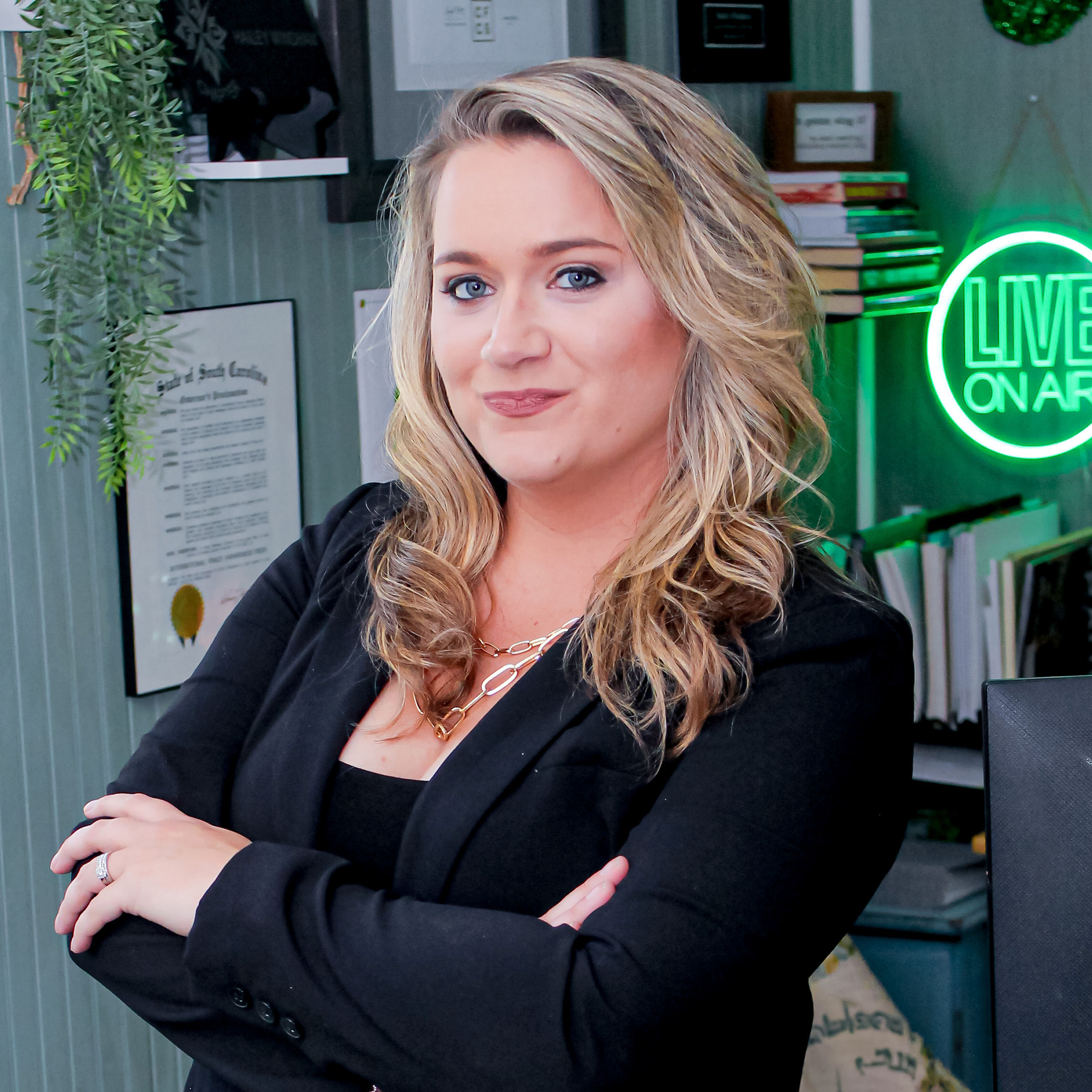
A blonde woman in a black blazer smiles slightly against a purple background.
Hailey Windham
00:01
What is up, fraud fighters? Today's episode is just me and you. This is the first solo episode since we made the move to Fraud Forward. And honestly, it just felt right, you know, to pause for a second and talk mano a mano. You know, no guests, no back and forth, just a real check-in of where we've been, what I've been up to, and where we're going next. So let's get into it. Since January, we've had some incredible conversations on the podcast. And what I love about the lineup is that we're not just talking in theory. It's real operators talking about what's actually breaking. And of course we kicked things off with the first Fraud Forward episode with Jen Lamont, Karen Boyer, and Angela Diaz, where we got real about fraud trends and what to actually do about them. Then we've had, you know, Kyle Caldwell from The Clearing House come on, where we were breaking down fraud across the payment life cycle because fraud doesn't start at the rail and it definitely doesn't end there. And of course we had Frank McKenna come on. We talked about fraud not being a solo problem, but more of a systems problem. Steve Linderman was on, where we talked about KYC, that it really isn't broken, but we just keep asking it to do something it was never supposed to do. And I'll be honest, some of these topics used to intimidate me as a community banker, right? But that's what this show is about. It's stepping into conversations that we have to be having, especially when it comes to agentic banking, AI making decisions, and now AI actually moving money. That episode with Hens Demar, that one really should wake everyone up because we're not asking if this is happening anymore. We're asking if we're ready for it. And across every single one of these conversations, one theme that kept showing up is that we don't have a fraud detection problem. We have a governance and decisioning problem. And that shift, that's Fraud Forward. So now I wanna talk about what we've been building.
A blonde woman in a black blazer smiles slightly against a purple background.
Hailey Windham
02:14
You know, behind the scenes. So like what I've been up to since joining Sardine. And, you know, for me, joining Sardine, it wasn't about, you know, really a job change, but it was like we both had this non-negotiable mission alignment. From day one, you know, we agreed, if I'm going to do this, I need to be able to advocate for community banks and credit unions. You know, I want to be in the room with product and I want to tell them what I experienced as a practitioner, all the shortcomings of solutions that I'd used in the past, and I need to be able to bring the real voice of fraud fighters into what's getting built. And Sardine has fully embraced that, truly. So here's what that looked like. We did a NACHA webinar with FIS where, this one's important because there was a lot of noise in the industry around the NACHA fraud monitoring updates. And what we focused on was simple. Let's remove the confusion. Let's remove the fear. Let's talk about what it actually means operationally, because this isn't like a brand new obligation. It's just a maturity check. It's about understanding your originators, monitoring behavior changes, moving beyond batch reviews into real signal-based monitoring. And it didn't stop there. Your girl also put out a pretty awesome blog, if I do say so myself, where I broke it down even further because this is one of those moments where clarity matters more than ever. I've also been spending a lot of time internally with the banking team, and I'll just say this, the talent that's coming in right now is real. Like, we're talking people who understand fraud, people who've sat in the seat, people who know what it feels like to defend decisions to leadership and regulators. And that matters because that perspective is getting built directly into this product. Now let's talk about the, of course, Five Minutes of Fraud with Hailey. If you've missed those, you truly are missing out. It happens on Friday afternoons usually, but it's where I give about a five-and-a-half-minute, I know I try to keep it under five minutes, but you guys, I just get so excited, clearly like as I'm doing right now. But it's where I really am able to...
A blonde woman in a black blazer smiles slightly against a purple background.
Hailey Windham
04:37
Just have that real talk real fast. You know, what's happening, why it matters, and what you should be thinking about. No overproduction, although that intro and outro is fire, if I do say so myself. No filler, but it's just signal. We also just launched the Monday Fraud Fix newsletter. Same idea, but different format. You know, this isn't about content. It's about signal, just like I mentioned before. It's talking about what made me pause this week, what's worth your time, what fraud fighters are actually seeing right now. Of course, we also do a shout-out for Featured Fraud Fighter. That is a segment that is so important to me. And the reason why is because I know how busy you are. Truly, as a fraud practitioner, I've sat in those seats. I know what it's like to truly wish like, hey, can somebody just summarize this for me? And yeah, we have AI and we can, you know, plug it into the LLMs, but come on, they do not have the personality that I do. Don't you want it coming from me? So that's the whole purpose behind it. And you know, if I can help you connect one dot faster, it's worth it. Moving on, talking obviously about conferences and community. I've been out with, you know, a lot of you lately talking ICBA Live, Carolinas Credit Union League, where I had a, you know, presentation on fraud risk assessments and how to build one. Really diving into the math of that, which I think is honestly something that needs to be spoken about more because too often we're just kind of handed a blank template and say, you know, go forth and do your risk assessment. Yeah, but like, is it my opinion? Because I've got some opinions if you want them, but if we need to back it up with facts, how do we figure in that math? How do we do it accurately where we can back up the statements that we're making? So that was one that was obviously near and dear to me and I'll be able to present that a couple more times this year. So I'm really excited about that. And then we've got some more conferences coming up. Fraud Fight Club is like, I think it's like less than 10 days away now. We have a Safeguard coming up, which is at the beginning of May. I'll also be at the IAFCI in Connecticut.
A blonde woman in a black blazer smiles slightly against a purple background.
Hailey Windham
06:51
Right after Safeguard, where I'll be presenting on fraud trends with Karen Boyer. So if you're gonna be there, I am so glad and I can't wait to connect with you. But you know, there's one thing that like literally everywhere I go, I'm hearing the same thing. We are all trying to solve the same problems, but we're doing it in silos. And that's the gap. And it's one that I care deeply about fixing. And I think that we're getting there. We as an industry truly are embracing the power of collaboration and what can be done when we combine our knowledge and our information and our insights. So this was a great tee-up, if I do say so myself in my outline of what I wanna talk about next. Speaking about collaboration and insights and learning from your peers of what's going on, I wanna talk about what's coming because I can't tell you how excited I am for this. This is one of those things that I pitched to Sardine originally when we were talking about the possibility of a role for me here. And one of those things was I want to do some benchmarking. It's something that's needed. It's something that I, as a practitioner, I struggled with because, you know, I've sat in a boardroom and I've been asked, how do we compare to our peers? And what was I supposed to say? Like, I can phone a friend and I can find out from like three credit unions that are in our area. But if you're wanting like industry standard, where do we sit with our fraud losses? I didn't have that. I needed to be able to provide that information. And then the only way to do that was seriously like a phone tree. So, hey, I know this is kind of weird, but could you tell me what your fraud losses are? And hey, let's be granular with it. Like what are your check fraud losses specifically? What tools and systems do you have in place to help prevent that? Because those are things that we can also use again in that risk assessment. So all of it kind of ties back in together. But so you guys already know that this is a problem, right? But this is information that's missing because we don't really know how we compare to our peers, right? That's the point I was trying to make, is that we don't really know how we compare. But this benchmarking survey is built specifically for credit unions, community banks, real fraud programs.
A blonde woman in a black blazer smiles slightly against a purple background.
Hailey Windham
09:09
That are really under like five billion, if I'm being honest. And it's not sponsored fluff. How many times have we gotten a benchmarking report that it's basically the results that the solution provider needed it to be in order to say that that's why you should buy their product? That's not what we need. Also, because how do you have benchmarking if you didn't ask me to participate in it? And I know you didn't ask ABC and DEF Credit Union. So like, where are you getting these numbers from? So that's not what this is. This instead, and it's not even solution-driven bias. That's the other beauty. We'll have these other solution providers that'll say, hey, we work with check fraud or we work with this or that. And so they're gonna give you stats that are specific to those things and not really something that's tangible that you can take back to your organization to really have an educated response for how are we comparing to our peers. What more do we need to do? How do we need to allocate resources? What percentage of budget goes to technology, goes to capacity, goes to solutions, goes to education? And so being able to do that, I think it's really important because that is the difference with this benchmarking survey. It's operator-built data for operator decisions. And this is something that I've literally wanted for years. I've cultivated the questions from the last at least seven years of things that I needed answered in a fraud report or something that I wish I could tell my C-suite, hey, this is what we're doing. And so anyways, we're finally doing it. More to come on when that will be released, but it is very soon and I am just honestly beside myself because it is one of those things that when it finally comes through and you're able to see the results, I think it's gonna help so many fraud programs not only advocate for, we need resources because here's another credit union that's a billion and a half in assets and they have 10 employees dedicated to fraud. We have two. All I'm asking for is a new analyst. Like that's a result that you need in order to help advocate for what's missing in your program. Same thing with solutions. Hey, this credit union has this, this, and this. We don't even have the bare minimum of what they have.
A blonde woman in a black blazer smiles slightly against a purple background.
Hailey Windham
11:33
Maybe we can look to see this is something that we can do better. Also, it's looking to see, our losses comparatively, we're doing really good. So maybe there's something that we can fix and we can share with another department, a business unit owner. So this is not like the results are not to say, hey, C-suite, be afraid because we're coming after your budget. That's not it at all. This is showing how we can be more proactive and how we can really perform well comparatively to our peers. So that is, I think that's enough teasing it up. Again, I'm just a big cheerleader for it because it's something that I needed in my fraud fight and something that I think that you guys will find valuable as well. Okay, the next thing that I wanna talk about that's coming up is, guys, I don't know if you noticed or not, but like this is episode 96. We are four away from the 100th episode and this one's gonna be special. We're bringing together voices from across the industry for a live town hall conversation. That's right, it will be live and it's gonna be on LinkedIn, obviously, or maybe YouTube and then we'll link it on LinkedIn anyways. More information to come on that. But what I think is important to call out is that it's not just one perspective. We're talking about different roles, different experiences, different opinions, because that's what it takes to actually move this conversation forward. I really think that you guys are gonna be so impressed with who I have coming on. Some we've met before and some we're just getting to know. You guys, I think truly magic is gonna be created in episode 100. So stay tuned. Obviously we're like four or five weeks away. It's either gonna be, I'll be honest, because I'm traveling that first week of May. So if it's not May 6th, it's gonna be May 13th. But just tentatively put that on your calendars. More to come soon, but trust me, you will want to be there. Okay. Now, it wouldn't be a solo episode if I didn't do the daily fraud news with Hailey, right? This is our headline section, I guess, or like our news media section, so pretend this is our newsroom, right? Because I actually want to talk about a couple of articles that I saw, and I will definitely link them in the show notes. But...
A blonde woman in a black blazer smiles slightly against a purple background.
Hailey Windham
13:59
Let's get into a story that I think perfectly captures where we're at right now in fraud. And it's not about a new scam, it's not about a new tool, it's about a shift. There's a recent article from CU Today, it's a credit union newsletter that comes out, talking about how scams, chargebacks, and first-party fraud are all starting to blur together. And we know this is not something that we're just seeing, right? We're all living in this. You know, for years, fraud strategies were built on one core assumption. If something looks suspicious, all we got to do is call a customer, right? Because that's it. It's a simple fix. Just call a customer, ask them, hey, did you participate? Okay, great. We'll let it go through. But that's not, it's not that simple anymore, right? So that assumption doesn't work because today's customer might be a scam victim who believes the fraudster is legitimate, confused about what actually happened, or if we're being honest about the day in which we live today, sometimes they're intentionally gaming the system. I know, we don't want to say that out loud, but it happens. And this is where things get messy, right? Because now we're dealing with what the article calls consumer-engaged fraud, which basically means the customer's involved in the transaction. But the intent behind it, that's where everything breaks down. Think about it, you know, a scam victim authorizes a payment, a customer disputes a transaction they actually made, someone files a chargeback knowing full well it was legitimate. From an operational standpoint, those can look identical, right? And that's the real risk here because our systems, and honestly, a lot of processors, come on, we're speaking truth on this podcast, were built for a world where the customer was in control. But now, the customer might be the victim, the risk, or somewhere in between. And here's the part that should make every fraud team pause. If we keep relying on customer confirmation as our source of truth, we're going to keep missing scams, paying out bad claims, and reinforcing behaviors that are actually increasing fraud losses. So what does this mean for us? It means we have to shift from, did the customer authorize this, to what actually happened here. That means behavioral analytics, transaction context,
A blonde woman in a black blazer smiles slightly against a purple background.
Hailey Windham
16:20
Understanding manipulation versus intent. Because fraud today isn't just happening to the customer, it's increasingly happening with the customer. And if we don't adapt to that shift, credit unions and honestly the entire industry are going to pay the price. Okay, this next one is talking about regulation. This article is titled, Stop Harmful Credit Union Regulation, focused on fraud and it was written by Scott Simpson, who is the president and CEO of America's Credit Unions. And I want to, you know, spend a little bit more time on this one because there's a lot here to unpack. So what the article is saying is at its core, fraud has evolved fast. You know, credit unions are investing heavily to keep up, but regulation isn't evolving at the same pace. And in some cases, it's actually making things harder. We know this. The article walks through that evolution though, you know, from landlines and AOL scams to AI-driven fraud, deepfakes, synthetic identities, large-scale automated attacks. And we all know that's not an exaggeration. So where this, you know, really hits in my take is that I, what I think is getting really interesting is that this isn't just a credit union versus regulation conversation. This is like a who-owns-fraud conversation because right now we're still operating in a model where the financial institution is the last stop and therefore they are the one that absorbs the loss. Even when the scam started on social media, the conversation happened over telecom and the payment moved through a third-party app and that's the disconnect. The article calls out in a really important way that we don't have a modern liability framework and that's the truth. But what we have today is essentially whoever is closest to the money, that's who pays, and not who had the opportunity to prevent this. And those are very different things. When we think about even like check warranties, it's like who was in the best possible position to identify fraud? And that's where UCC guidelines work, but that's where we're missing it here on these APP, authorized push payment frauds, or debit card Reg E things.
A blonde woman in a black blazer smiles slightly against a purple background.
Hailey Windham
18:44
So what does this mean for fraud teams? Let's bring it back to the fraud fighter, the one who's listening on this call, the one who cares about this issue. Because this is what I see that's what's happening, right? Our expectations are increasing, the loss tolerance is decreasing and control over the full fraud chain is still limited. Which means you're being asked to solve a problem without owning all the levers. And that's not sustainable. The article also talks about trust, and I think that's something that we don't say enough. Credit unions and community banks are still the most trusted players in the system, not because of marketing, but because of experience. Because when something goes wrong, people expect you to help them, and most of the time you do, even when it's not technically your responsibility. But here's where I want to push the conversation forward a little more, because I don't think the answer is less regulation. I think the answer is better alignment of responsibility. We need shared accountability across the fraud chain, incentives for prevention, not just reimbursement, and recognition of proactive controls. Because right now, we reward institutions for cleaning up fraud more than we reward them for preventing it. And that has to change. So if I had to boil this article down into one sentence, fraud has become a shared problem, but we're still treating it like a single-player game. And until that shifts, we're gonna keep seeing rising losses, frustrated fraud teams, and gaps that fraudsters will continue to exploit. And honestly, this ties back to everything we've been talking about on this show, better signals, better decisioning, and most importantly, better collaboration across the ecosystem because fraud doesn't respect silos and neither can we. So in closing, right, if there's one thing I want you to take away from this episode, it's this. Fraud is evolving faster than ever, but we don't have to solve it alone. At Sardine, we're building what we're building and what I'm focused on...
A blonde woman in a black blazer smiles slightly against a purple background.
Hailey Windham
21:03
Is helping financial institutions move from that reactive detection to real-time informed decisioning. You know, powered by better data, better signals, and shared intelligence across the industry. So if you're a fraud fighter trying to make better decisions, defend your program, or just feel a little alone in this fight, let's connect. Because this next phase of fraud, we're not just reacting to it, we're building what comes next. And so with that, of course, stay vigilant, stay informed, and keep moving fraud forward.