今回の『The Saturday Fraud Strategist』では、Gilit Saporta 氏と一緒に、金融詐欺におけるアドテクについて話します。一見するととてもニッチなテーマに聞こえますが、実はマルウェア、不正トラフィック、ボット検知、消費者への悪用、広告詐欺、そして「自分たちはちゃんと対策できている」と静かに装っている多くのシステムにも深く関わっているのです。
アドテク不正は、単に「誰かが偽の広告をクリックした」という話ではありません。そんなのはまだ単純なほうです。ここで本当に問題にしているのは、詐欺師たちがトラフィックを収益化し、デバイスを乗っ取り、広告費を操作し、ときには一般の人たちを、何が起きたのか気づきもしないうちに巻き込んでしまうような、ひとつの巨大なエコシステムなのです。
Gilit は、金融サービス、暗号資産、eコマース、デジタル広告といった分野で、約20年にわたって不正と戦ってきた経験を持っているため、話はすぐに実務的な内容になります。私たちは、金融犯罪におけるアドテクが従来型の不正とどう違うのか、不正検知がどこで進歩しているのか、そして文脈が欠けているせいでシステムがどこで破綻してしまうのかを掘り下げていきます。
正直なところ、それが何度も話題に上る部分なんです。
AIによる不正防止を導入することも、自動化された不正検知を導入することもできます。取締役会の場でとても印象的に見えるダッシュボードを用意することもできるでしょう。ですが、そのシステムが「ちょっと変だけれど正当なパターン」と「本物の不正のシグナル」を見分けられないのであれば、その時点で問題を抱えていることになります。しかも、かなり高くつく問題かもしれません。
このエピソードでお届けする内容:
- 広告テクノロジーにおける不正行為がどのように行われるのか、そしてなぜ従来の金融詐欺とは異なる動きをするのかを、ステップごとに解説します
- 現代の不正検知がうまく機能している点と、いまだに課題が残っている点を実践的に解説
- なぜ金融機関、プラットフォーム、技術チームは、不正リスク管理を他人任せの後始末として扱うのをやめる必要があるのか
- AI を活用した不正対策、オートメーション、説明責任、そしてスピードと判断力の間にある居心地の悪いギャップについての対話
- 消費者がどのようにしてデバイス乗っ取りやマルウェア、詐欺、偽アプリ、そして不正な広告エコシステムに巻き込まれてしまうのか
- より優れた金融詐欺防止には、より大きなモデルやより速いアラートだけでなく、文脈の理解が不可欠である理由
- 不正対策チーム、トラスト&セーフティ、研究者、規制当局、そして有用なデータを保有する組織の間での連携についての議論
誰が聞くべきか:
- 不正対策の専門家および金融機関の経営層
- リスク、コンプライアンス、およびサイバーセキュリティの担当チーム
- AI、機械学習、および不正検知分析の実務担当者
- トラスト&セーフティチーム
- 広告テクノロジー、eコマース、デジタルプラットフォームのリーダー
- 規制当局、政策アドバイザー、および業界団体
- システム同士のすき間をぬってなぜ不正が繰り返し起きるのかを理解しようとしている人すべて
このエピソードは、プレスリリース向けのきれいごとを超えた不正防止戦略に関心のある人のためのものです。検知は重要です。コンプライアンスも重要です。でも、こう自問する必要があります。本当に被害を防げているのか、それとも事後にラベリングするのが上手くなっているだけなのか?
エピソードノート
金融詐欺におけるアドテクは、詐欺師たちにとって非常に都合のよい遊び場になっています。複雑な広告システムの中をお金が流れ、トラフィックは偽装や操作が可能で、デバイスは乗っ取られるおそれがあり、多くの消費者は自分がその不正な仕組みの一部にされていたことにまったく気づかないのです。
それだけでもすでに厄介です。
そこに、AI、自動化、ボット、偽アプリ、マルウェア、そして決して完全な透明性を前提に作られたわけではない広告ネットワークが加わると、話は単なる不正行為の問題というより、エコシステム全体の問題のように見え始めます。
ギリットと私は、組織がどのようにAIによる不正検知やボット検知、高度な不正分析、そしてインテリジェンス共有を活用して予防を強化しているのかについて話しています。公正に言えば、その一部は本当に前進と言えるものです。私はここでマイクに向かって文句を言うためだけに来ているわけではありません。たいていはそうですが。
しかし、依然として大きなギャップが残っています。
AI システムは高速に動作できますが、性急に結論を出してしまうこともあります。パターンを検出することはできますが、そのパターンがなぜ重要なのかを常に理解しているわけではありません。異常を検知することはできますが、強固な不正調査のワークフローと人間の判断がなければ、非常に自信満々な「取り違え」に終わってしまうかもしれません。
また、悪意のある自動化、正当な自動化、そして無駄な自動化の違いについても掘り下げていきます。この区別は、多くの人が思っている以上に重要です。すべてのボットを同じものとして扱ったり、あらゆる不審な行動を不正行為とみなしたりすると、チームはノイズを生み出してしまいます。一方で、自動化の問題を完全に無視してしまうと、不正行為者にとっては格好の招待状を渡すようなものです。
あまり良い印象ではありません。
消費者への影響は、この議論において非常に重要な要素です。デバイスの乗っ取り、マルウェア、不正アプリ、詐欺目的の広告、そして人をだますようなエコシステムは、被害者になるとは思ってもいなかった人々をしばしば襲います。そうした被害に遭ったとき、恥ずかしさや後ろめたさから、被害を届け出られない人も少なくありません。
ボットによるトラフィックや不正インストール、自動クリック、不審なパターンの背後には、たいていどこかに、問題を十分早い段階で検知できなかったシステムによって搾取され、操作され、あるいはひっそりと傷つけられた人がいます。
また、今後公開予定のFraud Fighters AI Playbookについても取り上げ、詐欺対策チームにとって「責任あるAI導入」とは実際にはどうあるべきかを議論します。きれいごとの話ではなく、現場で本当に使える形の話です。ガバナンス、データ品質、説明責任、不正防止テクノロジー、調査ワークフロー、そしてツールが本当に人々のより良い意思決定を支援しているのか、それとも単に対処すべきアラートを増やしているだけなのか――そういった点までチームが考えなければならないバージョンです。
主なポイント
- 認識することは役に立ちますが、それだけでは予防にはなりません。
- 不正検知には、テクノロジーと状況の理解、そして人間の判断が連携して機能することが必要です。
- AI を活用した不正対策は、強力な調査体制によって支えられてはじめて真価を発揮します。
- 金融詐欺におけるアドテクは、広告詐欺、なりすましなどの不正利用、マルウェア、消費者保護、金融サービス全般にわたってリスクを生み出します。
- 組織は、悪意のある自動化と、正当なものや単に無駄なだけの自動化とをより適切に見分ける方法を必要としています。
- 広告詐欺の検知は、より速いアラートだけに頼ることはできません。より良い文脈情報、より質の高いデータ、そして優れた運用判断が必要です。
- 不正対策チーム、トラスト&セーフティチーム、研究者、規制当局、そしてプラットフォームは、より直接的に連携する必要があります。
- 詐欺による人間的な犠牲を、取るに足らないこととして扱うべきではありません。
より重要な問いは、組織が実際に被害を減らす仕組みを構築しているのか、それとも、被害が起きた後でその理由を説明するだけの仕組みを作っているにすぎないのか、という点です。
もう一つの選択肢は、分断されたシステムや弱い説明責任、そして防御策よりも速いペースで拡大し続ける不正のエコシステムを受け入れてしまうことです。
それはあまり良い考えではありません。
さらに深く知るには、The Fraud Fighter’s AI Playbook(著者:Gilit Saporta、Chen Zamir、Shoshana Maraney)を O’Reilly で入手してください:https://www.oreilly.com/library/view/the-fraud-fighters/9798341660359/
私の、そしてできればあなたの一番好きなテーマについての会話を、まだ終わらせたくありませんか? それなら「The Saturday Fraud Strategist」ニュースレターを購読してください。
Episode transcript

Chen Zamir
00:02
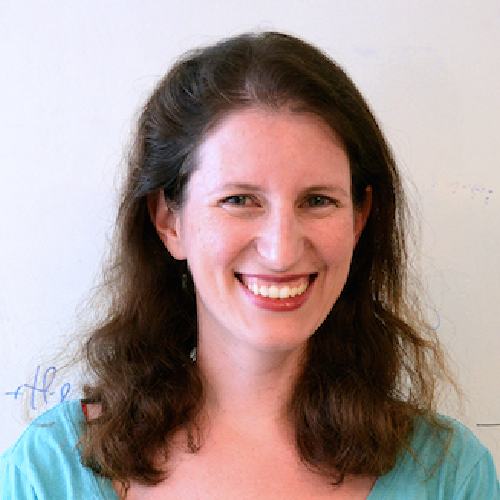
All right. Welcome back, everybody, for another episode of The Saturday Fraud Strategist. And with me today, a very special guest, one that has so much experience in the field of fraud, fraud prevention, and one of the most experienced fraud fighters that I've got to meet throughout my career. I also had the privilege in the last year to be her co-author, writing our upcoming book. We'll talk about it a bit later. Gilit Saporta, it's such a pleasure to have you on the show.
Gilit Saporta
00:37
It's such a pleasure to be here, Chen. Thank you so much for inviting me. We just realized that you and I go way back, to the point that you still have me saved with my maiden name on your contact list. That's so cool.
Chen Zamir
00:51
Yeah, I met Gilit on my first day doing fraud prevention. Well, likely the first day. So that means that we know each other for nearly 17 years now. It's a bit scary to say that, but yeah. Gilit, you've been around, and I'm sure that a lot of the listeners who are listening right now know you either personally, through a conference, or through a podcast. Can you share a bit about who you are and tell us a bit about your career so far, just so we're all on equal ground?
Gilit Saporta
01:36
So yeah, I've been around, and I was one of the lucky ones to be part of the early days of e-commerce and e-commerce financial crime. Our first opportunity to work together, you and I, was with the reincarnation of my first student job, doing some manual review of credit card payments, mostly for people who were paying for VPN services. Even the ones who were doing so without a stolen credit card back then were probably buying the services to do something nefarious or naughty later on.
Chen Zamir
02:30
Not to watch the newest Netflix release.
Gilit Saporta
02:33
Who knows, who knows? No, Netflix was still a service for shipping DVDs to your home back then. That's how old we are. Do you realize that? So yeah, it was a fun ride and an amazing opportunity to learn about how diverse and creative the human mind can be when it comes to both fraudulent manipulations and just bizarre behaviors that are not fraudulent online. I think that, in a nutshell, characterizes what I do and what I love doing throughout my career. I moved from financial fraud, where you and I met, with PayPal. After nearly a decade with Fraud Sciences, which got acquired by PayPal, I moved into e-commerce with Forter, where I got to be part of the fairly early days of that amazing company. Then I moved into cryptocurrency fraud with Simplex, which got acquired by Nuvei. During the first COVID lockdown in 2020, I moved into DoubleVerify, where I work today as VP of Product for our wonderful Fraud Lab. That gave me the chance to experience both the most sophisticated, targeted version of crypto fraud, where you're targeting one victim in a very spear-phishing kind of way, all the way to bot attacks with DoubleVerify, where we identify massive volumes of events with anomalies in order to help uncover fraud attacks.
Chen Zamir
06:26
Yeah, that's amazing. The reason why I was so keen to have you on the show is because you've had such a fascinating journey. When I look at it, I see three things. First, you've spent almost two decades on cutting-edge teams, building cutting-edge technologies. And it's not just one team. You've seen several problems from several different angles over a very extended period of time, always on the forefront, dealing with frontier problems and frontier solutions. Second, you've transitioned from financial fraud and e-commerce fraud into ad tech fraud, which is a space I don't know much about. And third, and this is probably the main reason why I wanted to have you on the show, you've had roles that involved training. That positioned you in a place where you had to think about abstractions, methodologies, and the theory behind fraud and fraud prevention. I thought, who better to talk to about fraud in general, and the differences between financial fraud prevention and ad tech fraud, than Gilit? So I'm super excited to dive into it. Let me start with the first thing that came to mind. I'm not even sure I know what ad tech fraud is. I can imagine, but I can also imagine there are several major typologies. Maybe I know some of them, maybe I don't. Can we start by discussing that and how it's different from financial fraud?
Gilit Saporta
09:06
Yeah, for sure. I think you and I both share this passion for abstraction, methodologies, and training. It's a great way to help teams and the industry think about the next potential attack and threat we should be looking out for. In ad tech, we define fraud as any kind of manipulation that's out there to monetize and drain the advertising budgets of brands. The largest brands in the world are our clients today, which means I get the fun and very stressful experience of having to explain fraud attacks to brands like Disney and many others. There's a huge sensitivity not just to the financial impact, but also to brand reputation, brand suitability, and brand safety. What does it mean for a large organization to be perceived as monetizing fraud? Or supporting fraud? Or allowing children to be exposed to content they shouldn't be exposed to because some manipulation in the advertising pipeline led them there? We see that all the time. The classic example I provide when I explain what I do is how advertising fuels our digital lives. If you look at the mobile device we all have next to us, there is a lot of technology running both in ways we see and under the hood. Once I became more aware of it through our Fraud Lab, I realized that almost every device has some app running code that may be generating ad calls, whether you see them or not. My dad experienced this all the time. No matter how often I told him not to click suspicious links, he would install all sorts of junk apps. Flashlight apps, for example, even though the phone already has a flashlight. A few days later he'd notice the device heating up, the battery draining quickly, or his data plan disappearing. It was malware producing invisible ads that brands were paying for. That's one example of an ad tech fraud typology. A device hijacking attack. Someone is tricked into installing malware. Advertisers pay substantial amounts to run ads on that device around the clock, and nobody is aware of it. These are the kinds of operations I feel proud about uncovering at scale and helping the industry address, especially when there's a human victim involved. Part of my passion for education, and I think yours as well, comes from the fact that we've seen so many fraud attacks that are technically sophisticated but could have been prevented through public awareness. People shouldn't feel ashamed of being victims. My dad often noticed something was wrong, but he felt embarrassed. We see that in romance scams, ransomware, and countless other fraud schemes. We need to remove the shame element so we can all be safer.
Chen Zamir
15:46
It's interesting because I expected you to talk about affiliate fraud and things like that. What I didn't expect was how much ad tech fraud resembles scams. There are elements of social engineering, cybersecurity, malware, and classical fraud prevention because ultimately someone needs to monetize and move the money. That's super interesting. Going back to 2020 and your move into DoubleVerify, I'd assume you came in with a tremendous amount of experience compared to many team members, even if not in the ad tech domain itself. What parts of your experience translated directly into your new role? What frameworks or processes were you able to lift from financial fraud and apply on day one?
Gilit Saporta
17:54
That's such a great question. First, I was completely overwhelmed by the volume of data and expertise I needed to absorb. Even six years later, I'm still amazed by the researchers here. Their understanding, creativity, and mindset are incredible. It felt like walking into Hogwarts, and I definitely wasn't the wizard in that scenario. The first thing we heavily invested in was collaboration, both within the Fraud Lab and across the broader organization. Fraud fighters naturally gravitate toward each other. That's one reason fraud meetups are so enjoyable. We love sharing analytical riddles and discussing attacks. But if you're talking to sales, commercial teams, or even engineering teams, you can quickly lose people. It's important to connect fraud prevention to human outcomes, like my dad's hijacked phone, but also to business outcomes. What's the financial impact? What does this do to the bottom line? Should you accept more risk to gain more scale? That need for cross-organizational collaboration became a major focus. In fact, Shoshana and I, who is also our co-author on the upcoming book, created a video series on FraudLab.com about translating fraud fighter language into business language that executives can understand.
Chen Zamir
21:49
And you think that's easier in financial services because the connection to the bottom line is more obvious?
Gilit Saporta
22:01
Yes. It's easier when you're in a risk organization that directly measures chargebacks, clawbacks, and financial losses. It's harder when you're in product organizations or ecosystems where scale and bot attacks create more indirect impacts. The second thing that transferred directly was the good story, bad story approach. Whenever we see an anomaly, we ask: What's the most plausible legitimate explanation? And what's the most plausible fraudulent explanation? The ability to ask why is something we still practice every day. In fact, it's one of the biggest challenges for AI agents. Our AI systems tend to jump to conclusions. If they see a traffic spike at 3:00 a.m., they immediately say, "Bot attack." A human analyst would ask, "What if Taylor Swift tickets just went on sale and everyone hit the site at once?" The challenge is teaching AI to consistently generate reasonable human explanations before concluding fraud. You need to hold both possibilities simultaneously.
Chen Zamir
26:18
I completely agree. LLMs are incredibly quick to find conspiratorial explanations. I want to double-click on the good story, bad story approach. You're describing it in the context of individual cases, but you work in a Fraud Lab. You're not investigating one case at a time. How does that framework translate into scalable, analytical work?
Gilit Saporta
27:48
Great question. Our Fraud Lab is somewhat unique because we've automated a lot of the operational work. That allows us to focus on edge-case analytics. You still need automation to process huge volumes of traffic. Whether that's rule engines, machine learning, or AI systems, something has to filter the majority of activity. But I don't believe in one model to rule them all. The attacks targeting senior citizens are different from those targeting gamers, which are different from attacks targeting sports audiences. The patterns vary dramatically. That's why I love the good story, bad story approach. Take a TV generating ads 24 hours a day. One story is that it's a bot attack. Another story is that it's a legitimate display at an airport showing sports programming around the clock. Both explanations fit the data. You need systems capable of distinguishing between them. You can't just say, "24-hour traffic equals fraud." That won't work.
Chen Zamir
33:50
How do you actually do that at scale?
Gilit Saporta
34:35
That's exactly why we need excellent people building these systems. We're like kids in a candy store right now. The challenge isn't access to AI. It's orchestration. We've found success with specialized skills. For example, we have an investigate skill trained to tell good and bad stories. That skill feeds into a detect skill that looks for anomalies and compares them against the outputs of the investigate skill. It's like building with LEGO pieces. You create smaller components and connect them together. One of the motivations behind our book was to show fraud fighters that they can now mix and match capabilities much more easily than before. Even if you're moving from fintech into ad tech, AI can help accelerate the learning process.
Chen Zamir
37:59
That's fascinating. We spent years talking about these theories, and suddenly we have tools that can operationalize them. Going back to your first weeks at DoubleVerify, what surprised you? What felt truly novel?
Gilit Saporta
39:08
I was surprised by the murkiness of the industry. Ad tech is a B2B ecosystem where everyone knows everyone. That was very different from fintech, where many adversaries were anonymous criminals or organized crime groups. In ad tech, you sometimes have companies operating in gray areas. They're not necessarily criminals, but they're serving ads in ways that provide little or no value to advertisers. The industry relies heavily on trust and transparency. That led me to appreciate collaboration in ways I hadn't expected. I never imagined I'd spend part of my job working directly with other fraud labs, such as Roku's, to bring down device hijacking schemes together. That level of cooperation surprised me. It also required learning about legal considerations, business sensitivities, and collaboration across organizations.
Chen Zamir
43:34
I don't think I've ever heard of two private companies collaborating to bring down a fraud ring in financial services. How does that work?
Gilit Saporta
44:14
The regulator plays a major role. The Media Rating Council and organizations like TAG, the Trustworthy Accountability Group, invest heavily in collaboration and education. The goal is to maintain trust in the ecosystem and support a free internet supported by advertising. These groups provide resources, events, and frameworks that help the industry work together. Ad tech is younger than fintech, but in terms of collaboration, I think it's actually more mature.
Chen Zamir
46:37
That's amazing. If you returned to financial services tomorrow, what lesson would you bring from ad tech?
Gilit Saporta
48:06
One major lesson is that bot does not automatically mean fraud. Bots can be shopping assistants, agents, and other forms of automation working on behalf of humans. The challenge is distinguishing malicious bots from legitimate bots. That's something ad tech has spent years refining. We've tried to share many of those ideas in the book.
Chen Zamir
50:20
Can you give an example?
Gilit Saporta
50:57
It becomes almost philosophical. Intent is difficult to measure. We often focus on impact instead. For example, websites today are constantly scraped by bots. Sometimes those bots belong to major AI companies collecting data to train models. Sometimes they're projects built by students. The intent isn't necessarily malicious. But the impact can still be costly. I know of a large e-commerce website that has been scraped continuously for years. It may have started as a school project someone forgot to turn off. But it's still consuming resources and generating costs. That's where I think we all need to become more responsible. Not all bots are malicious, but some are wasteful. And AI has dramatically increased the scale of that problem.
Chen Zamir
55:02
That's really interesting. It sounds like we now have a new category that's neither good nor bad, just careless or wasteful.
Gilit Saporta
55:48
Exactly. And the challenge is scale. One example we discuss in the book involves AI-generated content farms. Some are promoting dropshipping schemes. Others are more dangerous and lead users toward ransomware or other scams. The sophistication isn't always impressive. What's impressive is the volume. That's the challenge we need to solve as an industry.
Chen Zamir
59:36
I'm glad you brought up the book. We started writing it about a year ago, and everything has changed since then. The technology, the attacks, the defenses, our understanding of the space. If we started writing it again today, it would be a different book. What made you want to take on such a challenging project?
Gilit Saporta
61:00
Terrible FOMO. That's the honest answer. Fortunately, O'Reilly has allowed us to keep updating and refining the content until the very last minute. It's daunting to write about a topic moving this quickly. What helped was that you constantly brought us back to frameworks and methodology. I kept showing up with new attacks every week saying, "Put this in the book." You kept saying, "Let's generalize." That balance helped create something more durable. My hope is that readers walk away feeling more confident discussing AI and fraud, regardless of their starting point.
Chen Zamir
65:19
I'm curious to see how quickly it ages. One question I ask all guests is this: Leaders know they need to adopt AI. They're being pushed to do it. Where should they start?
Gilit Saporta
67:13
If your organization is encouraging AI adoption, start by understanding what technology is already integrated into your enterprise environment. What systems already have access to your data? What tools are approved? Our team experimented with everything early on. That was fun, but we also built a lot of things that weren't scalable. Eventually, we rebuilt many of them into workflows where AI could participate across the entire process. From documenting findings in Jira, to accessing data sources, to routing insights to the right business stakeholders. That level of automation requires maturity. A year ago, most organizations didn't have that infrastructure. Today, many do. The key is starting with your existing ecosystem.
Chen Zamir
71:19
That's such a good point. Many organizations still think AI is magic. They assume it's plug-and-play. But like any data-driven technology, it depends on the quality and accessibility of your data.
Gilit Saporta
71:51
And it will lie to your face shamelessly. It will confidently generate information that isn't there. You have to be very careful.
Chen Zamir
72:06
Exactly. Gilit, this has been so much fun. Let me summarize some of the key takeaways. Fraud teams often struggle to connect their work directly to business outcomes, even though that connection is critical. We discussed the good story, bad story approach and how AI finally gives us tools to scale that way of thinking. We talked about the importance of granularity rather than trying to build one model that does everything. We discussed how bot detection is no longer about identifying all bots as bad, but rather distinguishing between good, bad, and sometimes simply wasteful automation. And finally, we talked about AI adoption and the importance of getting your data in order before expecting meaningful results.
Gilit Saporta
74:01
Yeah. It's an inherent challenge. If you're doing a great job in fraud prevention, you're often invisible. It's a bit like parenting teenagers. If everything is working, nobody notices.
Chen Zamir
74:16
That's a great description of the catch-22. Gilit, thank you so much for joining me. The Fraud Fighters AI Playbook is either out now or coming very soon. You may still be able to get a free copy from O'Reilly. The link is below. Thank you again for joining me today.
Gilit Saporta
79:48
Thank you.
Chen Zamir
79:50
All the best, and I'll see you all next Saturday.
View full transcript