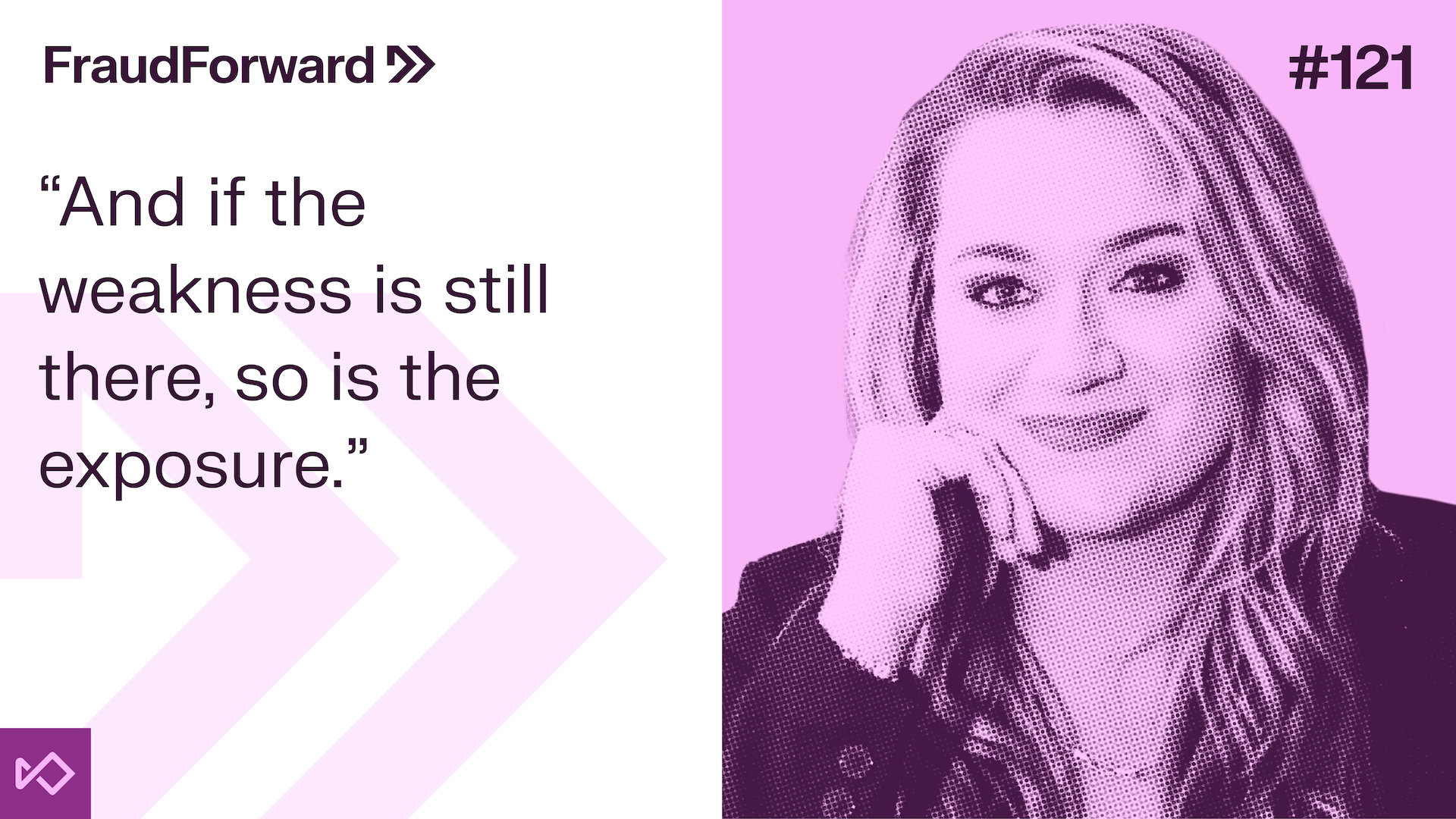
#12246 min
¿Qué tal, luchadores contra el fraude? ¡Bienvenidos de nuevo a Fraud Forward!
Siempre digo que el fraude es un deporte de equipo, y este episodio lo demuestra perfectamente.
Grabé estas conversaciones en vivo durante la conferencia de fraude de la ACFE en Boston, sentándome con cinco luchadores contra el fraude que aportan cada uno una pieza completamente diferente del rompecabezas. Fuerzas del orden. Banca. Gobierno. Fintech. BSA. Investigaciones. Todos y cada uno de ellos volvieron al mismo punto: no podemos combatir el fraude solos, y los silos en los que trabajamos son una de las mayores ventajas que les estamos dando a los estafadores.
Marc Evans abrió la conversación defendiendo que la formación de los analistas de fraude tiene que basarse en casos reales, no en teoría. Linda Miller continuó con una de las opiniones más sinceras del día: las organizaciones que están esperando orientación regulatoria antes de construir sus marcos de gobernanza de IA ya se han quedado atrás. Tracy Swaim añadió algo que nunca había oído expresado con tanta claridad: que el fraude documental es un problema de contexto, no de tecnología. Y Dustin Eaton nos devolvió a los datos: la información limpia y compartida es la verdadera ventaja, y los estafadores cuentan con que no la tengamos.
Jen Lamont concluyó con un recordatorio que nos tocó muy de cerca. Para cada luchador contra el fraude que no puede asistir a una conferencia como esta, el conocimiento sigue estando disponible. Podcasts, white papers, LinkedIn, asociaciones contra el fraude locales e internacionales. Esta comunidad es una de las más generosas que existen.
Y si hay algo que saqué de las cinco conversaciones, es esto: los estafadores comparten todo entre ellos. Hasta que hagamos lo mismo, siempre iremos un paso por detrás.
Los estafadores comparten información constantemente en Telegram, Signal, LinkedIn y en todas las plataformas que encuentran. Se adaptan con rapidez y aprenden unos de otros. Los especialistas en la lucha contra el fraude, en cambio, suelen mantenerse en sus propios ámbitos. Marc Evans y Jen Lamont señalaron lo mismo desde ángulos distintos: la comunidad antifraude es más efectiva cuando deja de tratar el conocimiento como algo que hay que proteger y empieza a verlo como algo que hay que compartir.
Marc Evans explicó cómo su programa de formación para instituciones financieras está construido íntegramente a partir de casos reales. Ha hablado con víctimas, bancos y sospechosos. Esa perspectiva a ras de suelo les da a los nuevos analistas de fraude una ventaja inicial que la teoría por sí sola no puede ofrecer. Tracy Swaim y Jen Lamont reforzaron esta idea: los equipos sólidos de lucha contra el fraude se construyen mediante la mentoría, la curiosidad y la disposición a seguir investigando a fondo incluso cuando la cola de trabajo es larga.
Tracy Swaim compartió una conclusión aleccionadora de la ponencia principal de la mañana en la conferencia. Actualmente no existe ninguna solución tecnológica que pueda detectar de forma fiable documentos generados por IA con metadatos forensemente coherentes. La respuesta no es esperar a que exista una. Es examinar a fondo el contexto que rodea al documento: la persona, la empresa, el momento, el comportamiento.
Linda Miller ha estado observando cómo esto se desarrolla en organismos gubernamentales e instituciones financieras. Las organizaciones están adoptando herramientas de IA más rápido de lo que están construyendo los marcos de gobernanza para respaldarlas. Su consejo: no esperes a que lleguen las regulaciones. Construye ahora tu marco en función de lo que consideres que será aceptable y ajústalo cuando las normas se pongan al día. Quienes estén esperando se enfrentarán a un problema mucho mayor más adelante.
Dustin Eaton argumentó que los estafadores siempre trabajan con datos fragmentados, reuniendo filtraciones, ingeniería social y llamadas salientes. Cuando los equipos de fraude pueden centralizar y conectar sus datos a través de los distintos silos, los patrones que los estafadores confían en ocultar dentro del ruido empiezan a hacerse visibles.
Jen Lamont cerró el episodio recordándonos que los recursos para seguir aprendiendo están en todas partes: pódcasts, whitepapers, LinkedIn, asociaciones locales de lucha contra el fraude, organizaciones internacionales. Asistir a una conferencia como la ACFE es un privilegio al que no todo el mundo puede acceder cada año. Aprovechar todos los recursos gratuitos disponibles entre una y otra es la forma en que la comunidad de profesionales antifraude se mantiene en forma, juntos.
Ninguno de nosotros puede combatir el fraude por sí solo. Ya sea que trabajes en banca, fintech, fuerzas del orden, investigaciones, gobierno o gestión de riesgos, solo estás viendo una parte de la historia. Cuanto más compartamos lo que estamos aprendiendo, mejor preparados estaremos todos.
Esa es exactamente la razón por la que me encanta la conferencia sobre fraude de la ACFE. Reúne en un mismo lugar a personas que se preocupan por esta misión y permite que se den las conversaciones. Esas conversaciones no terminan cuando acaba la conferencia. Continúan cada vez que elegimos la colaboración por encima de la competencia.
Conecta con Marc Evans, CFE | LinkedIn
Fundador de Fraud Hero
Detective de fraudes y ciberdelitos
Conferencista principal
Examinador de fraudes certificado
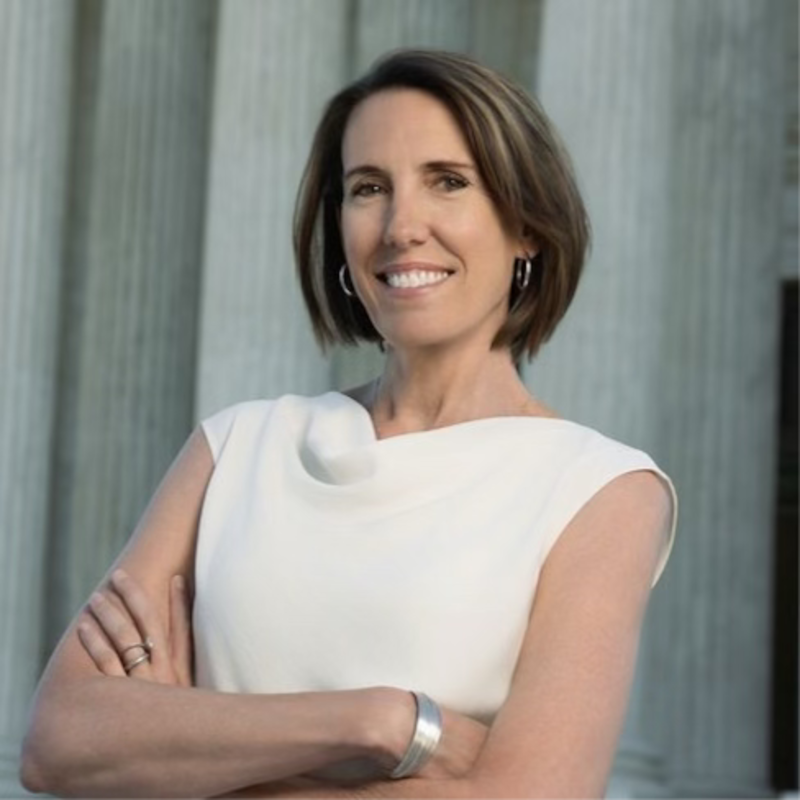
Conéctate con Linda Miller, OLY | LinkedIn
Experta en prevención del fraude
Olimpiana
Cofundadora de Program Integrity Alliance
Conéctate con Tracy Swaim, CFE, ACP | LinkedIn
Gerente de Riesgo de Fraude
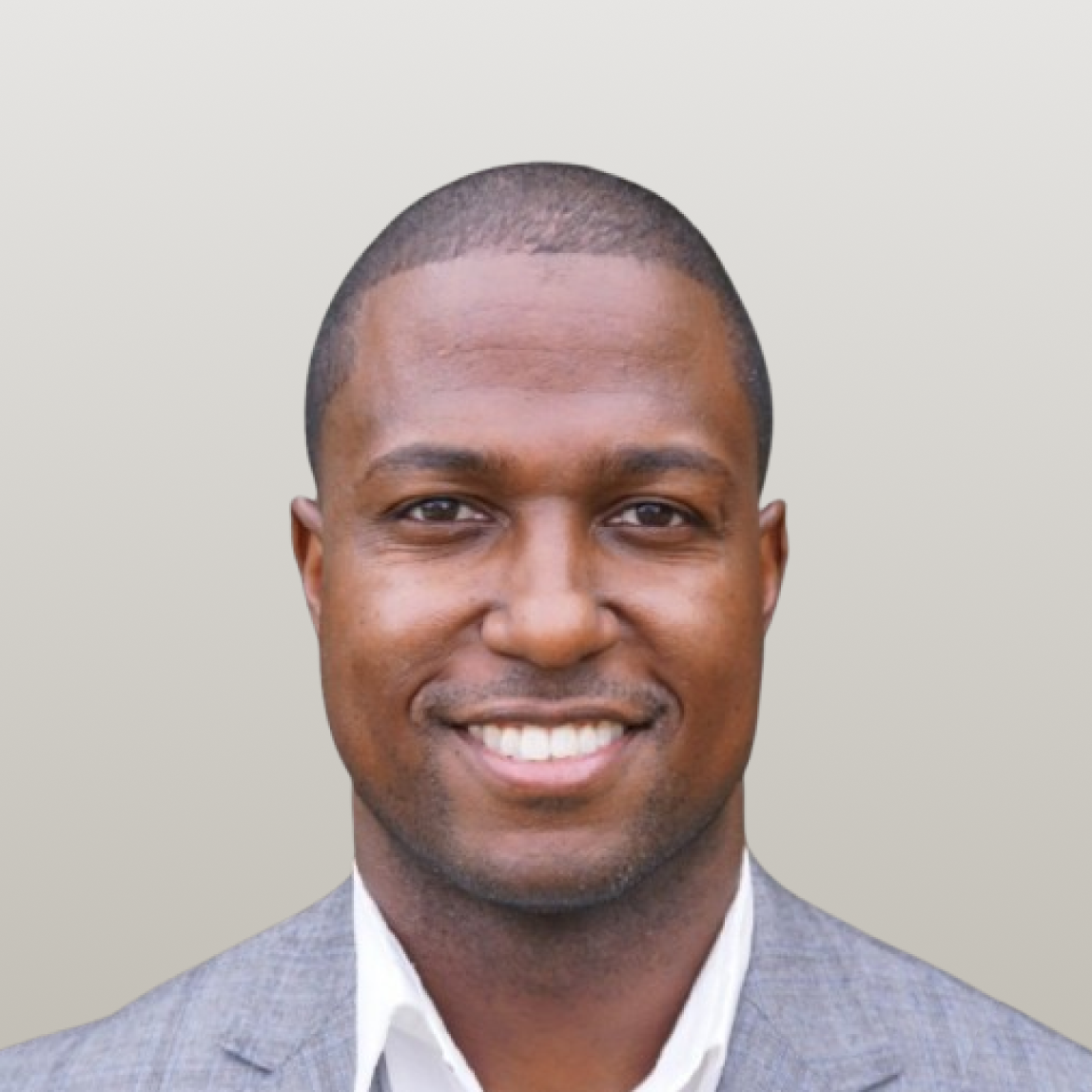
Conéctate con Dustin J. Eaton CFE CAMS CFCI CFCS CAFP CGSS CAMS-RM CAFS | LinkedIn
Líder de opinión publicado
Miembro de la facultad de ACAMS
Colaborador de la revista CEP
Consejo Asesor de la ACFE
Mentor de la ACFE
Conéctate con Ruth K. BSA, AML, CTF | LinkedIn
Southwest Heritage Bank
Conéctate con Jen Lamont, CFE, CBSAP | LinkedIn
Estratega de fraude en Point Predictive
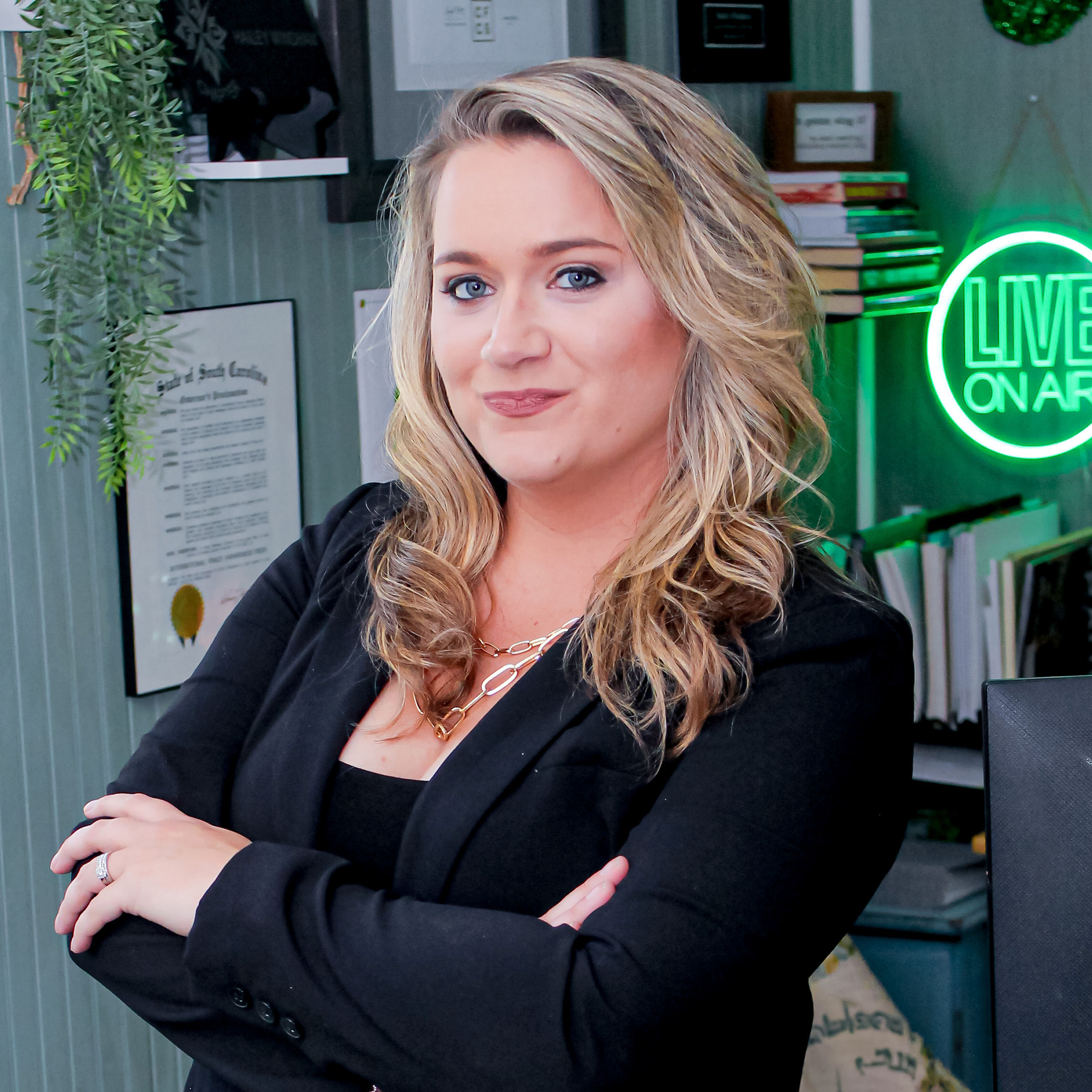
Conéctate con Hailey Windham, CFCS | LinkedIn
Anfitriona del pódcast Fraud Forward
Líder de la comunidad bancaria en Sardine
Especialista Certificada en Delitos Financieros (CFCS)
Rockstar de Cooperativas de Crédito 2023, CU Magazine
Premio a la Mejora Continua, SAFE Federal Credit Union, 2023
Top 20 Profesionales Menores de 40, The Sumter Item, 2022