SardineCon SF/2026

Learn More
FRAUDFORWARD
#99

No existe tal cosa como “solo un cajero”

26 min

¡Qué tal, luchadores contra el fraude, y bienvenidos de nuevo a Fraud Forward!

Antes de estar sentado en conversaciones sobre estrategias de fraude, antes de hablar de controles, gobernanza y defensas en capas, antes de todo eso, yo estaba en la ventanilla. Cara a cara con los socios. Equilibrando rapidez, servicio y esa corazonada cuando algo simplemente no cuadraba. Y te digo ahora mismo: esa experiencia dio forma a todo lo que hoy entiendo sobre la prevención del fraude en ventanilla.

Porque esta es la realidad de la que no hablamos lo suficiente. Estamos construyendo sistemas más inteligentes. Estamos invirtiendo en IA. Nos estamos moviendo hacia la supervisión en tiempo real y pagos más rápidos. Y el fraude sigue creciendo justo a la par. El último informe del IC3 lo dejó muy claro. Las cifras están aumentando. Las pérdidas están aumentando. Y si somos sinceros, parte del problema es que estamos subestimando una de las herramientas de prevención del fraude más poderosas que ya tenemos: nuestra primera línea.

Este episodio trata de reajustar esa perspectiva. Se trata de reconocer que el fraude no solo está ocurriendo en los datos. Está ocurriendo en el comportamiento. En la duda. En cambios sutiles que ningún sistema puede captar por completo todavía. Y es precisamente ahí donde la prevención del fraude en ventanilla se vuelve crítica.

Esto es lo que ese enfoque de prevención del fraude centrado en la primera línea significa en la práctica:

· Reconocer que las señales de comportamiento suelen ser los primeros indicadores de fraude

· Tratar al personal de primera línea como participantes activos en la gestión del riesgo de fraude

· Reducir la brecha entre los datos de transacciones y la interacción en el mundo real

· Desarrollar una estrategia de prevención del fraude basada en la intuición humana, no solo en la automatización

Lo que escucharás en este episodio:

· Por qué la prevención del fraude en ventanilla es uno de los controles más infrautilizados en la banca

· Cómo la detección de fraude en primera línea captura señales que los sistemas pasan por alto

· Un escenario real que muestra cómo se desarrolla la detección de fraude basada en el comportamiento

· Por qué la prevención del fraude en la banca debe incluir capas de interacción humana

· Cómo fracasan los controles de fraude de las instituciones financieras sin la aportación del personal de primera línea

Deberías escuchar este episodio si:

· Trabajas en la gestión del riesgo de fraude y quieres una detección de fraude más sólida en primera línea

· Están desarrollando una estrategia de prevención del fraude en banca y necesitan una mejor alineación

· Supervisa equipos de cajeros o centros de llamadas y quiere mejorar la concienciación sobre el fraude

· Han visto que el fraude se les escapa a pesar de contar con sistemas y controles sólidos

· Quieren entender cómo las señales humanas de detección de fraude afectan los resultados reales

Si te gustó este episodio, asegúrate de suscribirte y dejar una reseña del pódcast en iTunes, Spotify, YouTube o en cualquier plataforma donde escuches pódcasts. Realmente ayuda a que más gente lo conozca.

Notas del episodio y puntos clave

La prevención del fraude en ventanilla comienza donde termina la información

Una de las mayores brechas que veo en la prevención del fraude en la banca es la suposición de que, si no aparece en el sistema, no existe. Y eso ya no es cierto. El fraude ha evolucionado. Ya no es solo transaccional. Es conductual.

Lo he visto de primera mano. Un socio que no quiere hacer contacto visual. Alguien que responde a las preguntas de manera diferente a como lo haría normalmente. Una persona que de repente no se comporta como ella misma. Esas son señales. Y ahora mismo, esas señales las están detectando los cajeros, no los sistemas.

Por eso la prevención del fraude en ventanilla es tan importante. Cubre la brecha entre lo que podemos medir y lo que podemos observar.

Aquí es donde esto se ve con mayor claridad: · Detección de fraude basada en el comportamiento antes de que se complete una transacción · Indicadores sutiles de coerción o manipulación · Situaciones en las que el riesgo de fraude no es visible en el historial de transacciones · Escenarios de fraude en etapas tempranas que nunca llegan a activar alertas

La detección de fraude en primera línea es la primera línea real de defensa

Hablamos mucho de las capas en la gestión del riesgo de fraude. Pero, si somos sinceros, la primera línea a menudo se trata como algo secundario en lugar de como la primera capa.

Y eso es un problema.

Porque los cajeros no solo procesan transacciones. Son el último punto de interacción humana antes de que el dinero salga de una cuenta. Eso importa. Mucho.

He visto situaciones en las que un cajero evitó una pérdida simplemente al hacer una pausa, hacer una pregunta más o notar que algo no cuadraba. Sin esa intervención, la transacción habría continuado y el fraude solo se habría detectado después.

Esa es la diferencia entre detección y prevención.

Aquí es donde la detección de fraude en primera línea se vuelve crítica: · Identificar en tiempo real el fraude a personas mayores y la coerción · Interrumpir retiros sospechosos antes de que los fondos salgan · Aportar contexto al que los sistemas de monitoreo de fraude no pueden acceder · Escalar preocupaciones que de otro modo pasarían desapercibidas

Llamar a alguien “solo un cajero” crea brechas operativas que facilitan el fraude

Voy a ser sincero, esta siempre me llega al corazón.

He oído a personas decir: “Solo soy un cajero”. Y cada vez tengo que detenerme y replantear esa conversación. Porque esa mentalidad no solo infravalora el puesto, sino que crea un riesgo real.

Cuando el personal de primera línea no entiende el impacto que tiene en la prevención del fraude en ventanilla, duda. Se cuestiona a sí mismo. No escala los casos. Y esa vacilación crea brechas.

El fraude no necesita una gran falla del sistema. Solo necesita un momento en el que alguien no actúe.

Esto es lo que ocurre cuando esa mentalidad se afianza: · Las señales de comportamiento no se reportan · Los indicadores de riesgo de fraude se descartan o se pasan por alto · La comunicación entre el personal de primera línea y los equipos de fraude se rompe · Los controles antifraude de la institución financiera pierden eficacia

La estrategia de prevención del fraude debe incluir la capa humana

Estamos invirtiendo fuertemente en IA, automatización y sistemas avanzados de detección de fraude. Y eso es importante. Pero si esos sistemas no están conectados con la capa humana, están incompletos.

Porque el fraude no es algo puramente técnico. Es psicológico. Es emocional. Es relacional.

Y eso significa que la prevención del fraude en ventanilla debe ser parte de la estrategia, no algo separado de ella.

En la práctica, esto implica: · Capacitar al personal de primera línea para reconocer señales de fraude conductual · Crear rutas claras de escalamiento para actividades sospechosas · Integrar las observaciones del personal de primera línea en la evaluación del riesgo de fraude · Tratar a los cajeros como contribuyentes a la estrategia de prevención del fraude, no solo como operadores

Si no hacemos eso, estaremos creando sistemas que reaccionan en lugar de sistemas que previenen.

El camino a seguir consiste en empoderar a la primera línea

Al final del día, todo se reduce a una cosa: empoderamiento.

Si queremos una prevención del fraude más sólida en el sector bancario, tenemos que invertir en las personas que están más cerca del riesgo. Eso significa formación, comunicación y asegurarnos de que comprendan el impacto de lo que ven cada día.

Porque realmente creo en esto. Muchos luchadores contra el fraude se forman en la ventanilla del banco. Ahí es donde se desarrollan los instintos. Ahí es donde comienza el reconocimiento de patrones. Ahí es donde ocurre la verdadera prevención.

Y si ignoramos eso, estamos dejando una de nuestras defensas más fuertes infrautilizada.

Así que este es el cambio: · Diseñar la estrategia de fraude junto con el personal de primera línea, no alrededor de ellos · Reforzar la importancia de la concienciación sobre fraude entre los cajeros · Crear circuitos de retroalimentación entre los equipos de primera línea y los equipos de fraude · Tratar la intuición humana como un control central de prevención del fraude

Así es como avanzamos. No reemplazando la capa humana, sino fortaleciéndola.

Cerrar desplegable del acordeón

Transcripción > (desplegable de acordeón)

Este episodio refuerza una verdad sencilla: la prevención del fraude no empieza con los sistemas, empieza con las personas. Y si queremos cerrar las brechas, tenemos que empezar por ahí.
Episode transcript
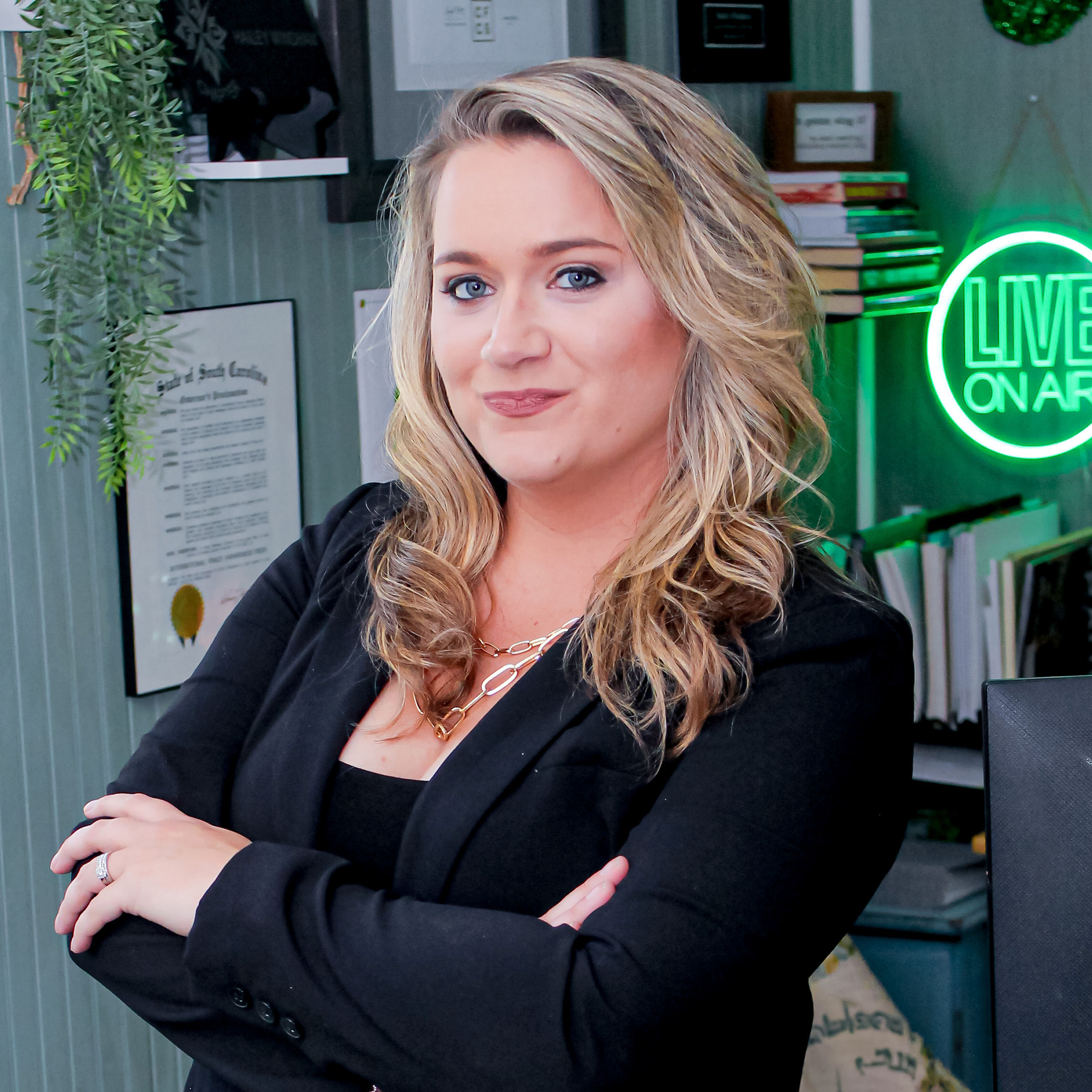
A blonde woman in a black blazer smiles slightly against a purple background.
Hailey Windham
00:10
What's up, fraud fighters? Welcome back to Fraud Forward. Before I was sitting in strategy, fraud strategy conversations, before I was talking about controls, governance, and layered defenses, before the podcast, I was on the teller line. Community banking, face-to-face with members, handling transactions, balancing speed, service, and that gut feeling when something just doesn't sit right. My path was Teller, obviously, then moved into deposit operations to disputes and ultimately fraud risk management. And I'll tell you right now, I truly believe that starting on the Teller line, having that real hands-on understanding of how money moves, how members behave, and how things actually get processed is the reason I've been successful as a fraud fighter. Because everything we talk about at a strategic level starts right there. I know what you might be thinking. Haley, you've been talking about innovation, AI agents. Why the shift? Why are we talking about tellers right now? Well, because while all of that is happening, the problem is still growing. You know, the Federal Bureau of Investigation just released their latest IC3 report, the Internet Crime Complaints Center report, and the numbers were, you know, huge. So over 1 million complaints. more than 20 billion in reported losses. Like that's huge. It grew at scale. We are moving faster. We are building smarter systems. We are investing in better technology and fraud is still scaling right alongside it. So here's what I'm seeing across the industry, right? While we are doing all of these things, We're still, again, the investing in the tools, the building the models, the talking about AI and real-time monitoring and faster payments. But at that same time, I truly think that we're underestimating one of the most powerful controls that we have, and it's the frontline. And more specifically, tellers, call center reps.
A blonde woman in a black blazer smiles slightly against a purple background.
Hailey Windham
02:22
Because fraud isn't just showing up in the data anymore, it's showing up in behavior, in hesitation, in someone looking over the shoulder before answering a question, in a member who suddenly isn't acting like themselves. And no system, no matter how advanced currently, can fully see that right now. But a teller can. So I remember being in a company-wide training once, and someone said during it, like, I'm just a teller, what does it matter? I like, I remember like the fury that kind of rose up inside me. I'm pretty sure I had a fever at that moment. I had to pause like, you know, count to two at least and breathe through before I responded because it was like full stop. No, you are not just a teller. You're the first line of defense. Pause to mute my phone.
A blonde woman in a black blazer smiles slightly against a purple background.
Hailey Windham
03:35
You are the first line of defense. You are the bridge between what we see in data and what's actually happening in real life. Our members aren't just coming into the branch to run a transaction. They're coming in for you, for that interaction, for that trust, for that moment where someone might notice that something's off, which granted, that's probably like that subconscious thing. Maybe they'll notice something. But you know... The way that I presented it back then, whenever I was a practitioner and I was in the credit union, it was truly that we have mobile banking. We have remote deposit. We have where you can call and check your balances online. We have where you can submit for a loan application online. Why is the member coming into the branch? They want that personal experience with you. So why would we not use that as a power for good, for... one of our tools in fighting fraud. You I can look at transactions all day long, but what I can't see in the transaction log or the transaction alert monitoring system is behavior. And that's where the fraud lives. So I have a story that I like to tell. Let me grab it.
A blonde woman in a black blazer smiles slightly against a purple background.
Hailey Windham
06:08
Okay, so this is a scenario I would use whenever I was a broad practitioner and I wanted to explain how this could look. So I give a scenario and if you are not a 90s baby and you don't know Boy Meets World, you won't understand these characters, but you should at least understand the concept. So I would say, I'm a floating teller and I was working at branch three on August 2nd. Our member, Mr. Feeney came into the branch and requested a withdrawal of $2,000. He told me he was helping a young man that he has known for a while get back on his feet. I didn't think anything of it, as Mr. Feeney seemed very happy conducting that transaction. Two days later, I was working in Branch 2 when Mr. Feeney walked in with a younger man we've now identified as Eric Matthews. Mr. Feeney was not acting like his normal self. You know, usually Mr. Feeney is very friendly to anyone he sees, always offering words of wisdom and kind gestures. Today, he seemed almost fearful. He wouldn't make eye contact with me and barely spoke. He requested to make a withdrawal from his account. And when I asked for the amount, Eric interjected and said $3,000. Mr. Feeney then looked at me and nodded his head, indicating that he agreed. I asked him if he was sure that he wanted to make this transaction. And he said, yes, I do. I asked what the purpose for the transaction was. And when Mr. Feeney went to answer, Eric interrupted again and said, it's his money, give it to him. I felt odd about completing the transaction, but the lobby was full with lunch traffic and my manager was out of the office for lunch. So I informed the member that we could not complete the transaction until my manager approved it. The young man began cursing and escorted Mr. Feeney outside. I'm worried Mr. Feeney might be in a dangerous situation. So I put a note on the member's account to use caution for cash withdrawals and possible elder abuse. Without a notification from my frontline, How am I supposed to help Mr. Feeney as the fraud practitioner? We have to communicate the value that our team members provide. You aren't just a cog in a wheel, you you are so much more than that. And so I just remember the way that I would explain it as is of course, you you as the frontline, we wouldn't have even seen that the transaction didn't go through, right? You didn't submit the transaction.
A blonde woman in a black blazer smiles slightly against a purple background.
Hailey Windham
08:33
We wouldn't have known if there was not any notification. And for us in the background, when we get transaction monitoring alerts, maybe the $3,000 would have set off and just said, hey, this is kind of out of the norm. Well, what if it was May? We know that he's a retired teacher. What if these were graduation gifts that he was giving? So it's not always our job to say, well, we think it's fraud because it's out of the norm. No, we do want to try to rationalize these, but it's that interaction that the teller had that would make all the difference. And so that's exactly why I wanted to have this conversation. And while I was at Fraud Fight Club, I asked fraud leaders one simple question, actually two. What is a teller? And what do you say to someone who calls themselves just a teller? Here's what they had to say.
A blonde woman in a black blazer smiles slightly against a purple background.
Hailey Windham
09:40
All right, fraud fighters, if you've heard one theme across all of this, it's this. There's no such thing as just a teller. What we heard over and over again were tellers are the front line, the first line of defense, the last line before money leaves, the human layer that fraud cannot automate around. They are catching things that systems miss. They are protecting members in real time. They are preventing losses before they ever hit a report. But here's the hard truth. If they don't understand their value, if we don't train them, if we don't empower them, we are leaving one of our strongest defenses underutilized. And in today's environment, we can't afford to do that. So here's what I'll leave you with. If you're a fraud leader, go talk to your frontline. If you're building strategy, build with them, not around them. And if you've ever called yourself just a teller, I hope that this episode changed that. because this is where a lot of fraud fighters are built, right there on the Teller line. If this episode hits home, share it with someone on your frontline team or someone who just started there. And if you haven't already, make sure you're subscribed to Fraud Forward so you don't miss what's coming next because fraud is evolving and so are we. Stay vigilant, stay informed, keep moving fraud forward.