「Fraud Forward」のホストをしていて特に気に入っていることのひとつは、会話がときどき自分の想定していなかった方向に進んでいくことです。Modern Treasury の Matt Janiga と話すときも、API やペイメントレール、そしてフィンテックインフラの進化について1時間ほど語り合うつもりで臨みました。もちろん、そのあたりはしっかりカバーしました。でも、話を終えてみると、詐欺対策チームがどのように金融犯罪を調査しているのか、そしてその仕事の多くがこれからどれほど変わっていくのか、ということばかり考えていました。
もちろん、不正の手口は常に変化しており、私たちは皆、犯罪者が年ごと、月ごと、さらには週ごとに仕掛けてくるあらゆるものに適応することに慣れています。しかし今まさに同時に、金融サービスを支えるインフラはこれまでになく速いスピードで進化しています。
マットが言った一言が心に残っています。「ドッド=フランク法は、ファックス機、有線電話、人が対応するコールセンターの時代に書かれた法律だ」と。現代の銀行業を形作っている規制は、リアルタイム決済やクラウドネイティブな勘定系、組み込み型金融、そしてAIエージェントが登場するよりも前のものです。私たちは、そうした枠組みに、当時の立案者たちにはほとんど想像もできなかった世界を統治することを求めているのです。そのギャップは埋めることができますし、規制当局もようやくそれに気づき始めていると感じています。
会話は変わった
何年もの間、規制に関する問いは「どうやってこれを止めるか?」という形のものばかりでした。マットが指摘しているのは、そして私自身も会話の中で感じているのは、その問いが「どうやってこれを安全に実現するか?」へと変わりつつある、ということです。
それはまったく違う姿勢です。規制当局はいまでも不正行為を重視しています。変わったのは、この技術はルールブックの準備が整っているかどうかにかかわらず到来するのだという受け止め方であり、そのうえで重要になるのは、各機関がそれをいかに責任を持って導入するかという問いなのです。
不正対策の専門家として、私はその取引を受け入れます。技術が成熟するまで誰もガバナンスについて語らないというやり方は、これまで一度も成功したことがありません。私は、その技術が作られている最中の部屋にこそいたいのです。(私たち皆が憧れる、あの能動的なユートピアの一部ですね。)
モダンな不正対策スタック:これまでの不正対策チームにはなかったツール群
マットは初期のフィンテックについて、みんなが「棒を打ち鳴らしているようなものだ」と表現しましたが、それがあまりにも的確だったので思わず笑ってしまいました。今この業界に入ってくる多くの不正対策のプロたちは、ゼロから不正対策のオペレーションを構築した経験がありません。今の私たちには、次のようなものがあります。
- コンソーシアム型インテリジェンス
- デバイスインテリジェンス
- 行動分析
- クラウドネイティブ型不正対策プラットフォーム
- AI支援による調査
- リアルタイムオーケストレーション
15年前は?そんなもののほとんどは存在していませんでした。チームは一日中、バラバラなシステムからのデータを手作業でつなぎ合わせ、犯罪者に先を越される前に、その次の抜け穴を塞ごうとエンジニアリングが必死で対応していました。
私たちはここまで大きく前進してきました。そして、その成果は今日の案件数をはるかに超えるところまで及んでいます。同じツール群こそが、次に何が来ても対応できる準備を私たちに与えているのです。
決定的AIが決済分野の調査を変革する
最近、エージェント型コマースについてよく考えています。特に興味があるのは、それが調査の進め方や構造をどのように変えてしまうのかという点です。
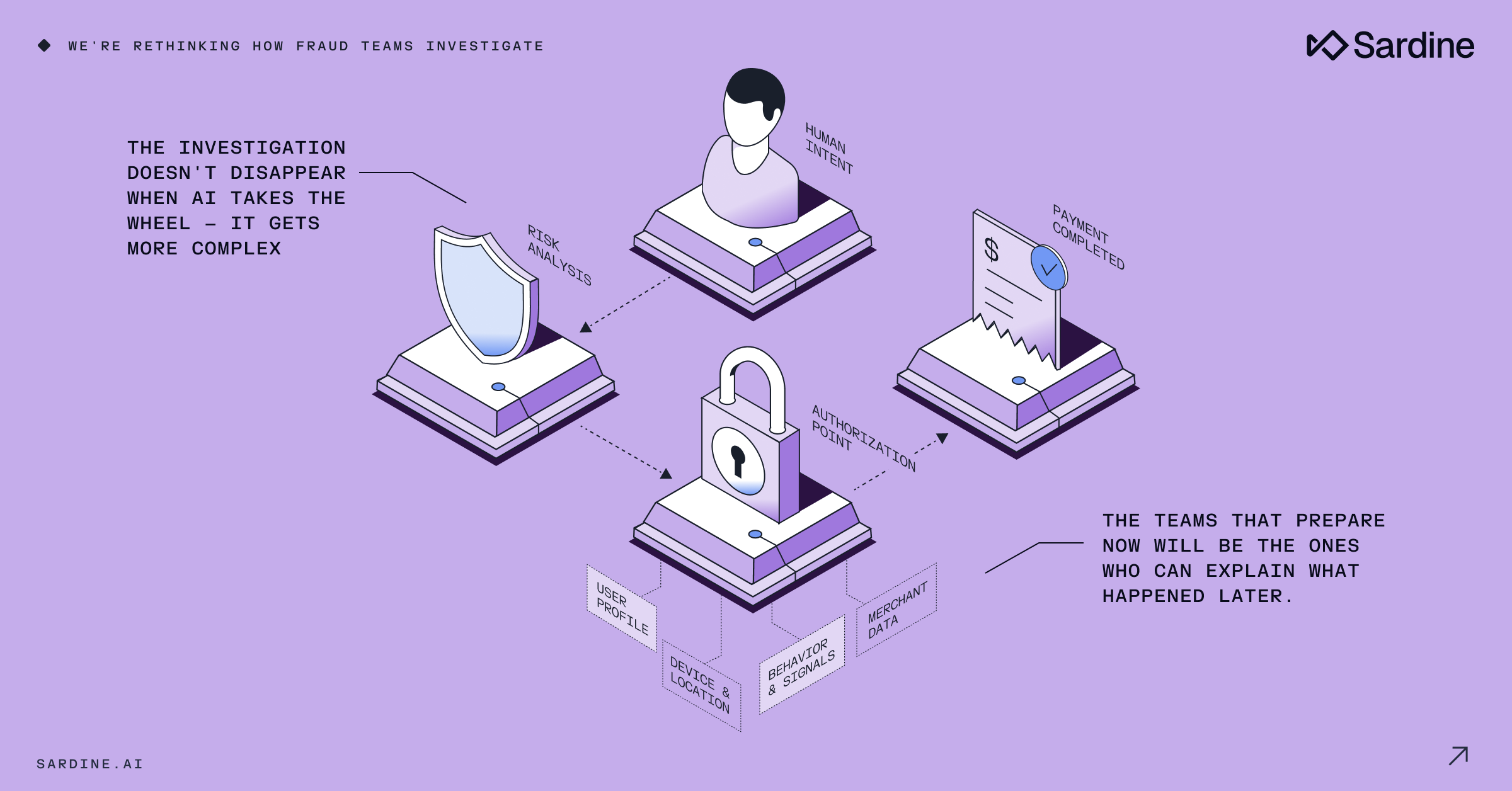
私がこれまで関わってきたあらゆる不正調査は、ある前提から始まっていました。それは「人間が取引を開始した」ということです。誰かがログインして送信ボタンを押した、という前提です。しかし今では、エージェント型コマースによってその境界があいまいになっています。なぜなら、ソフトウェアが顧客に代わって行動している可能性があるからです。
顧客は依然として責任を負います。帰属の特定こそが、作業がより困難になる部分です。「誰がボタンをクリックしたのか?」という問いは、一連の質問へと変わっていきます。
- 誰がそのエージェントを承認したのか?
- どのような権限が与えられ、その範囲内に代理人はとどまっていましたか?
- それはどのような情報に基づいて行動しましたか?
- その行動は、お客様が本当に意図していたことと一致していましたか?
私たちの多くが訓練で使ってきたものとは異なる調査上の問いです。
アイデンティティは消えない。文脈がすべてになる。
よく耳にする心配があります。「AIによって、もはや本人確認やアイデンティティは成り立たなくなるのではないか?」というものです。私はまったく逆だと考えています。顧客との関係は依然として存在します。口座の名義人も、認可の仕組みも同様です。変わるのは、調査担当者が再構築しなければならないコンテキスト(状況情報)の量なのです。
明日の不正調査では、次の点を確認する必要があるかもしれません。
- 代理権限
- 意思決定履歴
- 監査ログ
- 行動の変化
- 人による承認
- 権限の境界
取引そのものからは、物語のごく一部しか見えてこないかもしれません。
気づかないうちに、この日のための準備をしてきた
この会話で特に印象に残っているのは、コンソーシアム・インテリジェンスに対するマットの見方です。金融機関は何年も前から、自社の枠を超えた可視性を求めてきました。銀行は、近隣のFIが同じパターンを目にしているかどうかを知りたがっていました。フィンテック企業は、銀行業界の一部で既に存在していた共有インテリジェンスを求めていました。単独では、十分な可視性を持てるところはどこにもありません。
エージェント型コマースも同じ考え方に従います。単独の銀行やフィンテック企業、不正対策チームが把握できるのは、エージェントたちがエコシステム全体でどのように振る舞っているかのごく一部にすぎません。共有されたインテリジェンスこそが前提条件となるのです。
基本原則は変わっていない
結局のところ、私たちが常に向き合ってきた問いは変わりません。「何が起きたのかを説明できるか?」ということです。その問いは、活動の主体が人であれ、エージェントであれ、オーケストレーションプラットフォームであれ、あるいはその三つすべてであっても、同じように当てはまります。
だからこそ、完璧な規制ガイダンスを待つのはやめるべきだと私は考えます。
- 権限の記録を始めましょう。
- 帰属について考え始める。
- 顧客ではなくソフトウェアがその行動を起こしたとしたら、あなたの調査がどのように変わるかを考え始めてください。
エージェント型コマースが当たり前になる頃には、最も良い状態にある組織は、こうした問いをいち早く投げかけ始めたところだろう。
Modern Treasury の Matt Janiga との対談を最初から最後まで聞いてみたい方は、決済インフラ、コンソーシアムインテリジェンス、リアルタイム決済、そして今後の不正対策オペレーションの行方についての議論も含めて、最新エピソードの「Fraud Forward」をお聞きください。聞き終えたとき、答えよりもむしろ新たな疑問のほうが多く残る――そんな会話のひとつでしたが、正直なところ、そういう対話こそが一番おもしろいものだと思います。
よくある質問
エージェント型AI決済とは何ですか?
エージェント型AI決済とは、顧客本人が直接操作して支払うのではなく、顧客に代わってAIエージェントが取引を開始する決済のことです。人間が「送金」ボタンをクリックする代わりに、ソフトウェアが条件を評価し、委任された権限に基づいて判断し、支払いを承認します。本人確認は依然として重要であり、そのうえで「誰の意思による支払いか」という帰属の概念がさらに広がります。
AIエージェントが支払いを開始した場合、アトリビューションはどのように変わりますか?
アトリビューションは、単一の質問から多層的なものへと変化します。「誰がボタンをクリックしたのか」という問いではなく、「誰がエージェントを承認したのか」「どのような権限が与えられたのか」「エージェントがどの情報を利用したのか」「権限の範囲内にとどまっていたか」「その行動がお客様の意図と一貫していたか」を捉え直すことになります。アカウンタビリティ(説明責任)が失われるわけではありません。それは、権限設定、意思決定の履歴、監査の境界といった複数の層に分散して存在するようになるのです。
エージェント型AIによる決済は、どのように不正行為を防止しますか?
これらはデフォルトで不正行為を防ぐわけではありません。不正が表面化する場所を変えるだけです。エージェントが開始したトランザクションは、人間によるものよりもクリーンに見えることがあります。なぜなら、従来の不正検知モデルが頼りにしてきた摩擦のシグナルなしに到達するからです。いまや「防止」とは、単にトランザクションをスコアリングすることではなく、そのエージェントの権限、意思決定の履歴、そしてインテント(意図)の整合性を再構成することを意味します。
現代的な不正対策スタックは、エージェント主導の取引をどのように調査しますか?
現代的な不正対策スタック(コンソーシアムインテリジェンス、デバイスインテリジェンス、行動分析、クラウドネイティブな不正対策プラットフォーム、AI支援型調査、リアルタイムオーケストレーション)は、再構築のための基盤を提供します。調査担当者は、エージェントの権限、意思決定履歴、監査ログ、行動の変化、人による承認、権限の境界という6つの証拠を収集します。
Model Context Protocol(MCP)とは何であり、なぜ不正対策チームにとって重要なのですか?
モデルコンテキストプロトコル(MCP)とは何であり、なぜ不正対策チームにとって重要なのですか?
不正対策チームは、今日からどのような事項を文書化し始めるべきでしょうか?
まず5つのポイントから始めましょう。誰がエージェントを承認したのか、どのような権限が与えられたのか、エージェントがどの情報を利用したのか、その行動が付与された権限の範囲内に収まっていたかどうか、そしてその行動が顧客の意図と一貫していたかどうか、という点です。次に、各ケースについて6つの成果物を文書化します。エージェントの権限、意思決定の履歴、監査ログ、行動の変化、人間による承認、そして権限の境界です。