

金融犯罪対策は限界に達しつつあります。アナリストチームは増え続けるアラート件数に埋もれており、その多くは依然として手作業での確認が必要なノイズです。調査には時間がかかりすぎ、案件のキューは増え続け、SAR(疑わしい取引報告)提出に必要な手作業も膨大で、当局との対応においてミスが許される余地はほとんど残されていません。
同時に、詐欺師たちはAIを活用し、攻撃のスピードと規模を拡大しています。こうした攻撃キャンペーンはレガシーツールの対応速度を上回るペースで進化し、アラートの件数と調査に必要な時間の両方を増大させています。リスク管理チームは、このペースに追いつくほどの人材を採用・育成することができず、既存のシステムも、現在のような膨大なボリュームや高度な手口を前提として設計されていません。
AI はそのバランスを立て直し始めています。滞留している案件を解消し、調査における反復的な手順を自動化し、本当に重要なアラートを優先することで、AI はより少ないリソースでより多くの案件を処理できるようチームを支援します。
AI がどのように金融機関の防御体制の拡充を支援し、金融犯罪対策を持続可能なものにしているのか見ていきましょう。
AIはどのように金融犯罪対策に役立つのか
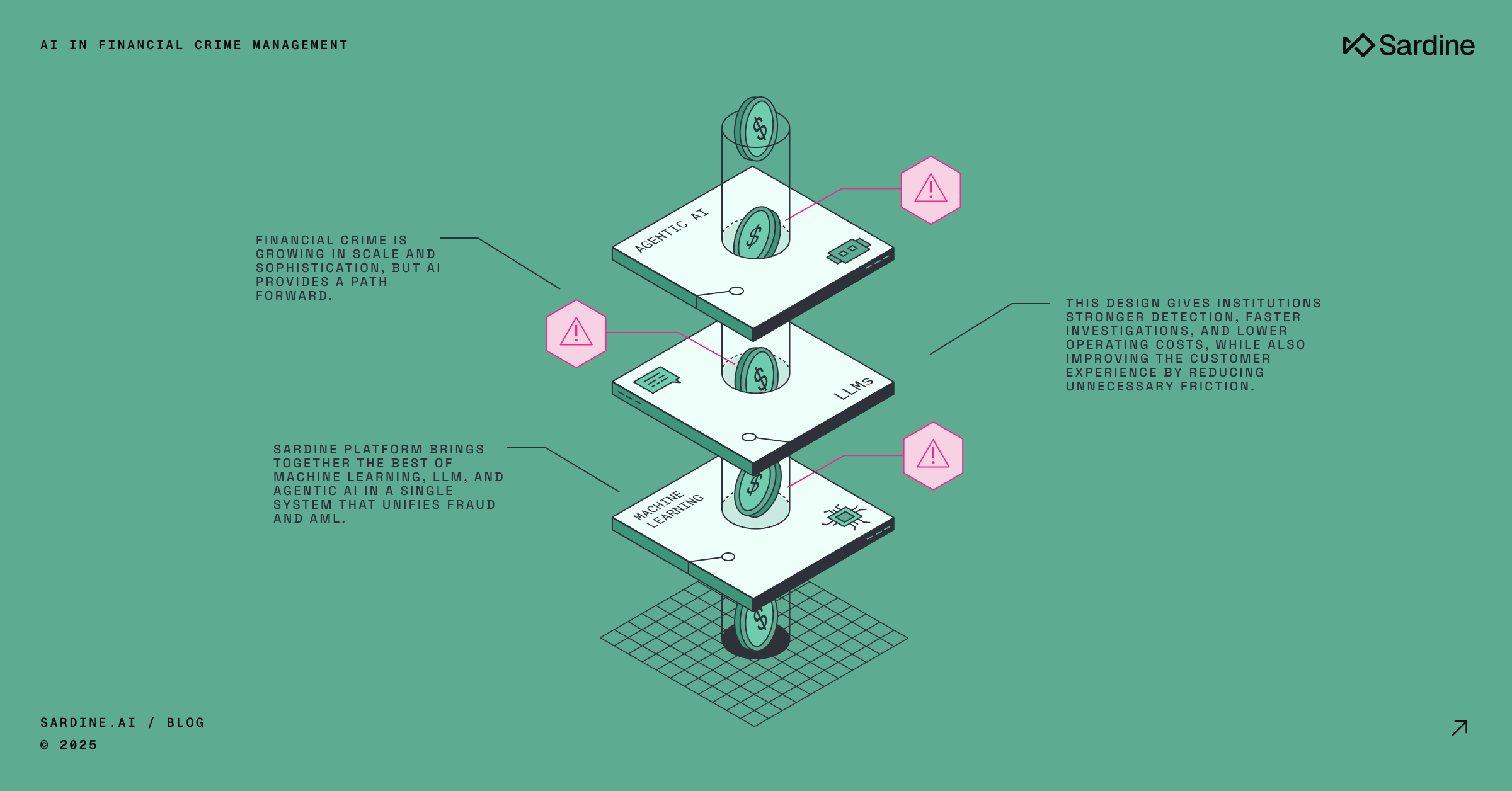
不正検知やマネーロンダリング対策(AML)におけるAIは、単一の技術ではなく、金融犯罪対策のワークフローのさまざまな層に対応する一連のツール群です。機械学習、大規模言語モデル(生成AI)、そしてエージェント型AIは、それぞれ異なる能力を提供します。チーフリスクオフィサーやコンプライアンス責任者にとっての課題は、これらの技術をどこに導入すれば、自社のリスク業務に最大のインパクトを与えられるかを見極めることです。
機械学習
機械学習は、大規模なリアルタイム検知とパターン認識に最も優れています。大量の取引データや行動データを処理して、固定的なルールでは見逃してしまうリスクをあぶり出し、チームが新たなルールをハードコードする前に、新たに出現する脅威を特定することができます。
- リアルタイムのリスクスコアリング: モデルはデバイス、行動、取引に関するシグナルを即座に評価し、損失が発生する前にリスクの高い行為を検知してフラグ付けしたり、ブロックしたりできます。これによりバッチレビューへの依存度が下がり、チームはリアルタイムで介入できるようになります。
- 異常検知: 静的なルールのみに依存するのではなく、ML(機械学習)は顧客行動や支払いフロー、加盟店の活動における逸脱をあぶり出し、新たに発生しつつある不正やマネーロンダリングの手口を示します。
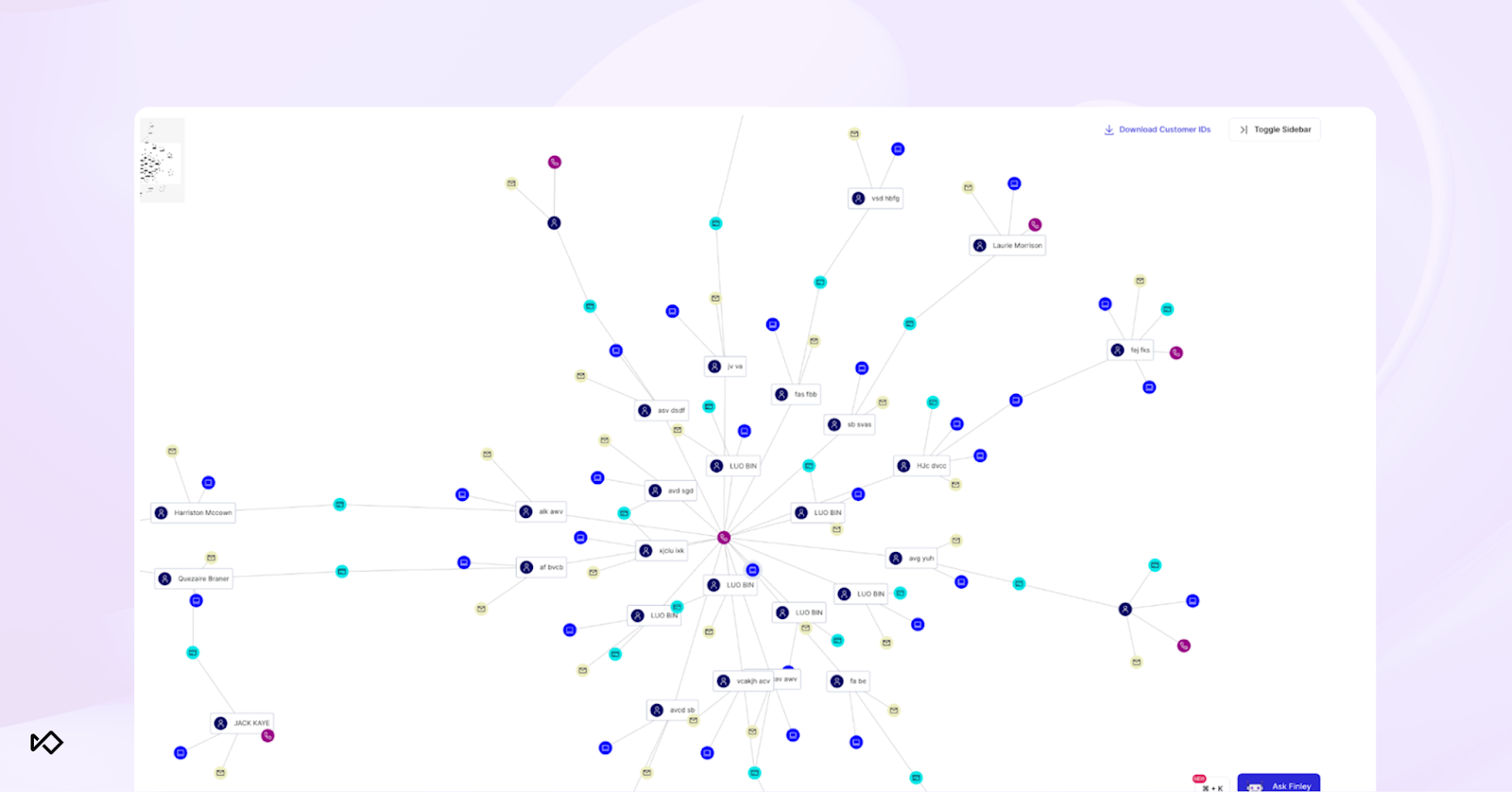
- リンク分析:ML はアカウント、デバイス、ID を関連付けることで、個別に見ると無害に見えるマネーミュールのネットワークや協調攻撃を明らかにします。
- 継続的な改善:確定した不正取引や誤検知(フィードバック)がシステムに戻されることで、モデルが自動的に適応し、アナリストによる継続的なルール調整の必要性を減らします。
大規模言語モデル(LLM)と生成AI
生成AIとは、テキストや画像などの新しいコンテンツを生成できるシステムを指します。大規模言語モデル(LLM)は、その中でも特に文章(書き言葉)に特化したもので、構造化されていないテキスト中心のデータから有用なインサイトを引き出す点で非常に優れています。これにより、本来であればアナリストが読解やデータ分析、レポート作成に費やしていた時間を大幅に短縮し、業務プロセスを効率化できます。
- アラートおよびケースの要約: 生のログや多数のデータポイントを、アナリストがより多くのケースを短時間で確認できるようにする構造化されたサマリーへと変換します。
- 調査: 長文のケースファイルや顧客履歴から重要な事実、タイムライン、関連するエンティティを抽出し、生データをすべて確認しなくても、何が重要かをアナリストが一目で把握できるようにします。
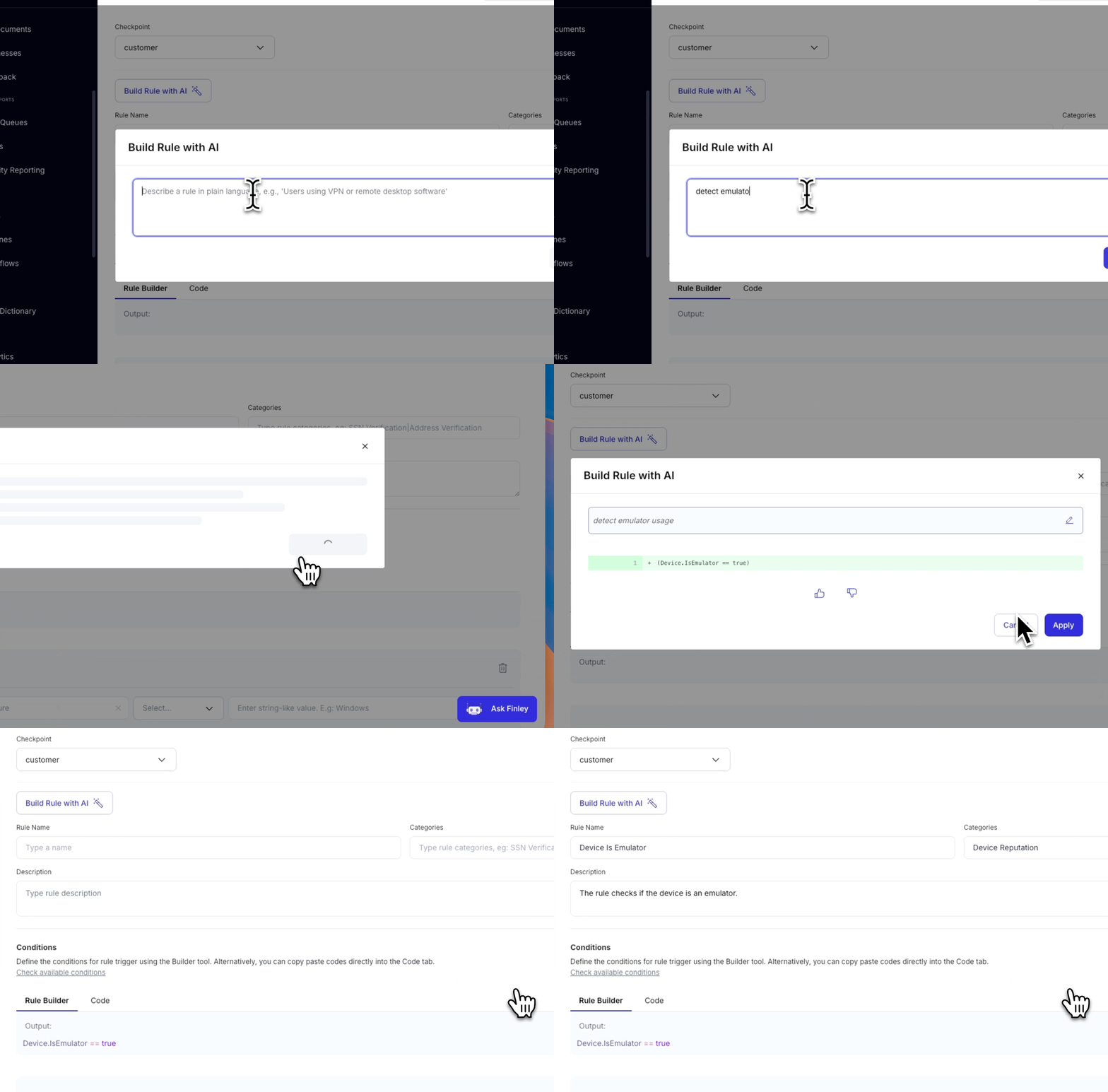
- 自然言語によるルール生成: コーディングなしでポリシー要件を実行可能なルールに変換し、新しいコントロールの導入を迅速化します。
- 顧客デューデリジェンス支援:本人確認書類、財務諸表、ウェブサイト、公開情報を分析し、アナリストが個人を確認し、ビジネスの真の実態を理解できるよう支援することで、オンボーディング審査を迅速化します。
- SARナラティブの作成: 構造化されたケースデータから規制当局向けのナラティブを作成し、報告書の提出に必要な時間を短縮するとともに、不整合が生じるリスクを低減します。
- 紛争証拠の準備: 返金請求やエスカレーションに利用できるよう、取引履歴、デバイスフィンガープリント、セッションデータ、行動バイオメトリクスなどの関連するシグナルをまとめてパッケージ化します。
エージェント型AI
エージェンティックAIは、あらかじめ定義されたワークフローの中でタスクを実行でき、チームの一員として機能する点で非常にユニークです。定められた標準業務手順(SOP)に従って、アナリストの作業を遅らせる日常的なステップを処理しつつ、判断が必要な場面やエスカレーションは引き続き人間の審査担当者に委ねられるようにします。
- 不正検知アラートの自動化とトリアージ:受信したアラートを確認し、重複を除外して低リスク案件を処理し、キューを適切な状態に保ちます。
- AI を活用したオンボーディング時の不正検知: 定期的な KYC レビューやリスクプロファイルの更新など、繰り返し発生するコンプライアンス業務を自動化し、手作業による負荷を増やすことなく、顧客がスケジュールどおりに再評価されるようにします。
- 不正集団/マネーミュール口座の検知: モデルによってフラグされた不審な口座・取引・デバイスを集約し関連付けることで、アナリストがネットワーク全体を手作業でつなぎ合わせる必要がないようにします。
- 誤検知の解消: 制裁スクリーニングにおけるあいまいな名前の一致など、繰り返し発生する審査を自動処理し、アナリストが真にリスクの高いエスカレーション対応に集中できるようにします。
- オンボーディングのオーケストレーション: 複数のシステム間で本人確認、不正検知、KYC チェックを連携させて、スムーズなオンボーディングプロセスを構築し、コンプライアンスを損なうことなく実現します。
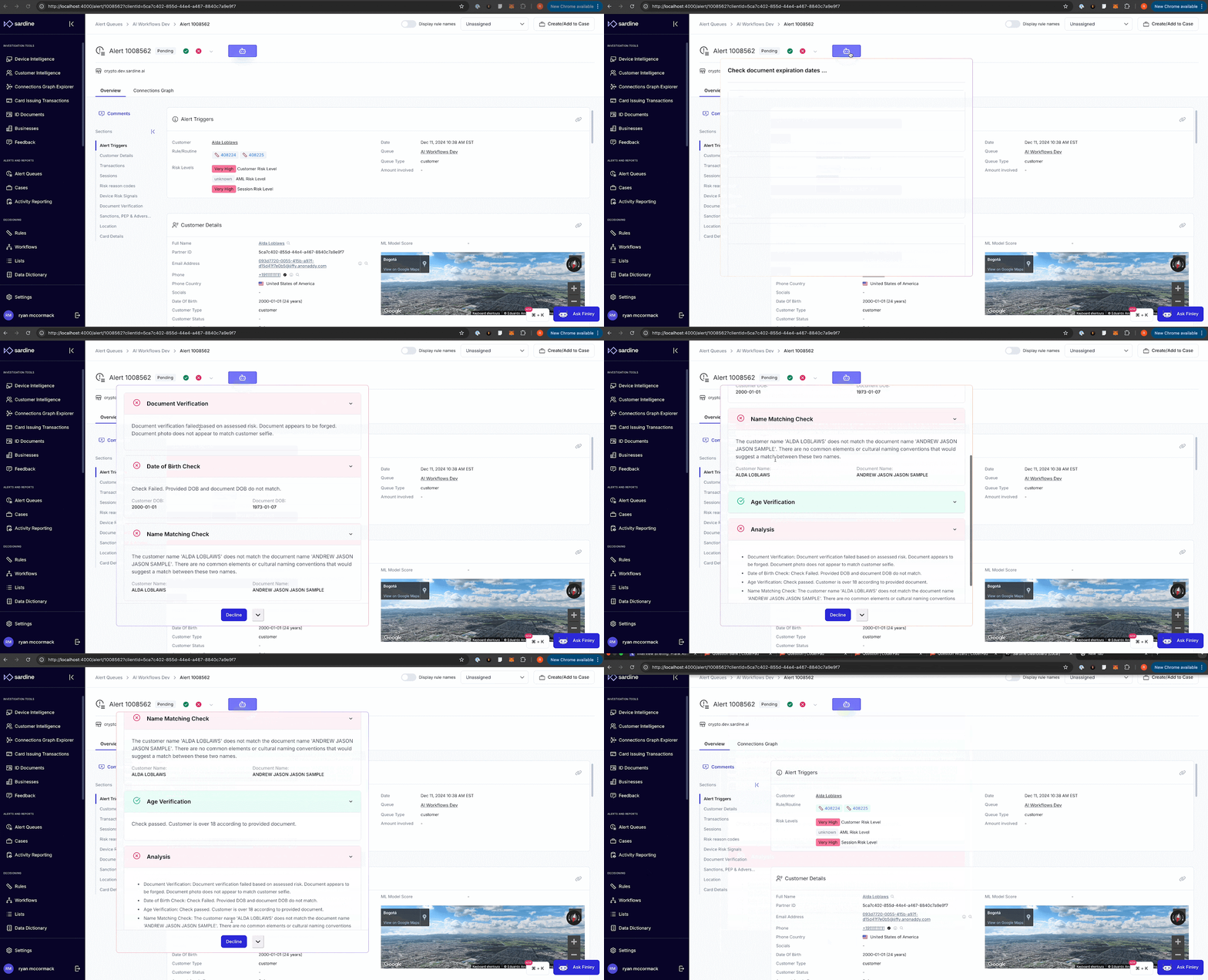
今日、金融機関はどのようにSardineのAIプラットフォームを活用しているのか
Sardine の AI プラットフォームは、金融サービス業界でも最大規模の機関を含む、数百の銀行、フィンテック企業、決済事業者から信頼されています。たとえば FIS は、Sardine を利用して自社の Money Movement Hub におけるリスクエンジンを稼働させており、このハブは不正防止とコンプライアンス管理機能を組み込んだ形で、数百の銀行によるリアルタイム決済処理を支えています。
AI を活用したコンプライアンス・ワークフローを管理するこれらのエンタープライズ向けツールは、オンボーディングの滞留解消から制裁アラートの対応、オープンソースチェックの実施、不正やチャージバックの削減に至るまで、不正対策・コンプライアンスチームに最も大きな負荷をかけている業務に、金融機関が取り組めるよう支援します。以下では、組織がどのように Sardine の AI を活用してこうした業務に取り組み、どのような成果を上げているのか、その具体例をいくつかご紹介します。
オンボーディング審査の自動化
あるカード発行会社は、不一致なデータや重複レコードが原因で、オンボーディングに長い遅延が発生していました。滞留案件は二桁時間にまで膨れ上がり、顧客は解決まで数週間待たされることも珍しくありませんでした。この発行会社は問題解決のために、Sardine の AI 搭載オンボーディング不正検知を導入し、エージェントが自動的に一致案件を処理し、人による確認が必要なグレーなケースだけをフラグ付けする仕組みを構築しました。
- 滞留時間は14時間から41分へと短縮されました
- 顧客の待ち時間は20日からわずか2分にまで短縮されました
- AIは意思決定において95%の精度を達成しました
- 収益化までの時間を49%短縮
アラート解決の迅速化
ある大手デジタル資産取引所は、オンボーディング時に発生する制裁およびPEPアラートの多さに圧倒されていました。ヒットの多くは「Mohammed Khan」や「John Smith」のようなありふれた名前で、本来は誤検知であるにもかかわらず、すべて手作業で確認する必要がありました。1件あたりの確認には5〜20分かかり、未処理案件の山はすぐにチームの処理能力を超えてしまいました。
取引所では、明らかな誤検知に対応するために Sardine の AI エージェントによる自動不正アラートが導入され、裏付けとなる証拠を収集し、人間の判断が必要なアラートだけをエスカレーションするようにしました。
- レビュー時間を数分から数秒へと短縮
- 約30秒でアラートの55%を解決
- レビュー能力を2倍に向上
カード関連の不正行為の削減
ある商業向けネオバンクは、持続不可能なカード不正による損失と紛争件数の増加に直面していました。チャージバックは月に約10万ドルものコストとなり、アナリストたちは11万6,000件もの紛争処理に埋もれていました。審査はほとんどが事後対応で、チームは不正の発生源で食い止めるのではなく、発生後の紛争対応に追われていました。Sardine の機械学習モデルで取引をリアルタイムにスコアリングすることで、この銀行は次のことを実現できました。
- チャージバックによる損失を70%削減
- チャージバック率を0.0003%に抑える
- 紛争を91%削減
Sardine AI を活用して、金融犯罪対策をより高度に管理しましょう
金融犯罪は規模も手口も高度化し続けていますが、AI はその先へ進むための道筋を示してくれます。分析的な検知から自律的な意思決定まで、AI は金融機関に、犯罪者を上回るために必要なスピード、スケール、そして柔軟性をもたらします。
Sardine は、リアルタイムの金融犯罪対策のために特別に設計されており、私たちのあらゆる取り組みの中心にはデータサイエンスがあります。金融犯罪に対して効果的な AI を実現するには、機械学習、大規模言語モデル、そしてエージェント型 AI を統合し、不正対策とマネーロンダリング対策(AML)のオペレーションを一元化する単一のシステムとして組み合わせることが不可欠です。この設計により、金融機関はより強力な検知能力と迅速な調査を実現し、運用コストを削減できるだけでなく、不必要な摩擦を減らすことで顧客体験も向上させることができます。
サーディンの金融犯罪対策向けAIプラットフォームが、御社の検知能力、調査業務、コンプライアンス業務をどのように向上できるかご覧になりたい場合は、デモのご依頼はこちらからお問い合わせください。
よくある質問
金融犯罪対策におけるAIとは何ですか?
金融犯罪におけるAIとは、機械学習、大規模言語モデル、エージェント型AIを組み合わせて、不正行為、マネーロンダリング、制裁逃れ、そして身元(アイデンティティ)に関連する攻撃を検知し対処することを指します。各モデルの種類は、それぞれ異なる攻撃パターンを捉える役割を担っています。
金融犯罪において、機械学習は生成AIとどのように違うのですか?
従来型の機械学習は、既知のパターンをスコアリングします(不正検知ルール、マネロン対策シナリオ、KYCリスクなど)。一方、生成AIはチャットのログ、音声、動画、文書解析、SAR(疑わしい取引の届出)ナラティブの下書きなど、非構造化データを扱います。両者は現代的な不正対策スタックの中で並行して稼働します。
金融犯罪の文脈におけるエージェンティックAIとは何ですか?
エージェント型AIは、あらかじめ定められたガードレールの範囲内で複数のステップからなる処理を行います。たとえば、アラートキューの優先度付け、SAR(不審行為報告書)ナラティブの下書き作成、手動審査への振り分け、高い確度のケースのエスカレーションなどです。顧客に影響を与える判断や、規制当局への届出を伴う判断については、人間のアナリストが最終承認を行います。
金融犯罪対策向けAIは、SR 11-7およびNIST AI RMFとどのように整合しているのですか?
スタック内のすべてのモデルには、SR 11-7 に準拠したモデルリスク文書(開発手法、バリデーションパック、モニタリング計画、バイアス検証)と、NIST AI RMF の系譜情報(govern、map、measure、manage)が付属しています。監査担当者は、あらゆる判断要素について単一の情報源を参照できます。
Sardine は、本番環境を妨げることなく、どのように AI を金融犯罪対策に活用しているのですか?
シャドーモード。Sardine は新しいモデルを既存のルールエンジンと並行して、設定可能な期間だけ稼働させ、差分をダッシュボード上に可視化します。そして、不正対策責任者とモデルリスク担当責任者の承認が得られた時点でのみ、本番環境に切り替えます。