
SardineCon SF/2026

Learn More
FRAUDFORWARD
#38

Bank Scam Liability and Prevention Strategies

36 min
Bank Scam Liability and Prevention Strategies

What’s up fraud fighters, and welcome to Fraud Forward!

Alright, I am going to be blunt because this is where the industry is heading whether anyone likes it or not. bank scam liability expectations are rising, and the people carrying the weight are fraud teams, compliance teams, ops teams, and customer support teams who are already stretched thin. This episode is about how we get in front of it instead of getting steamrolled by it.

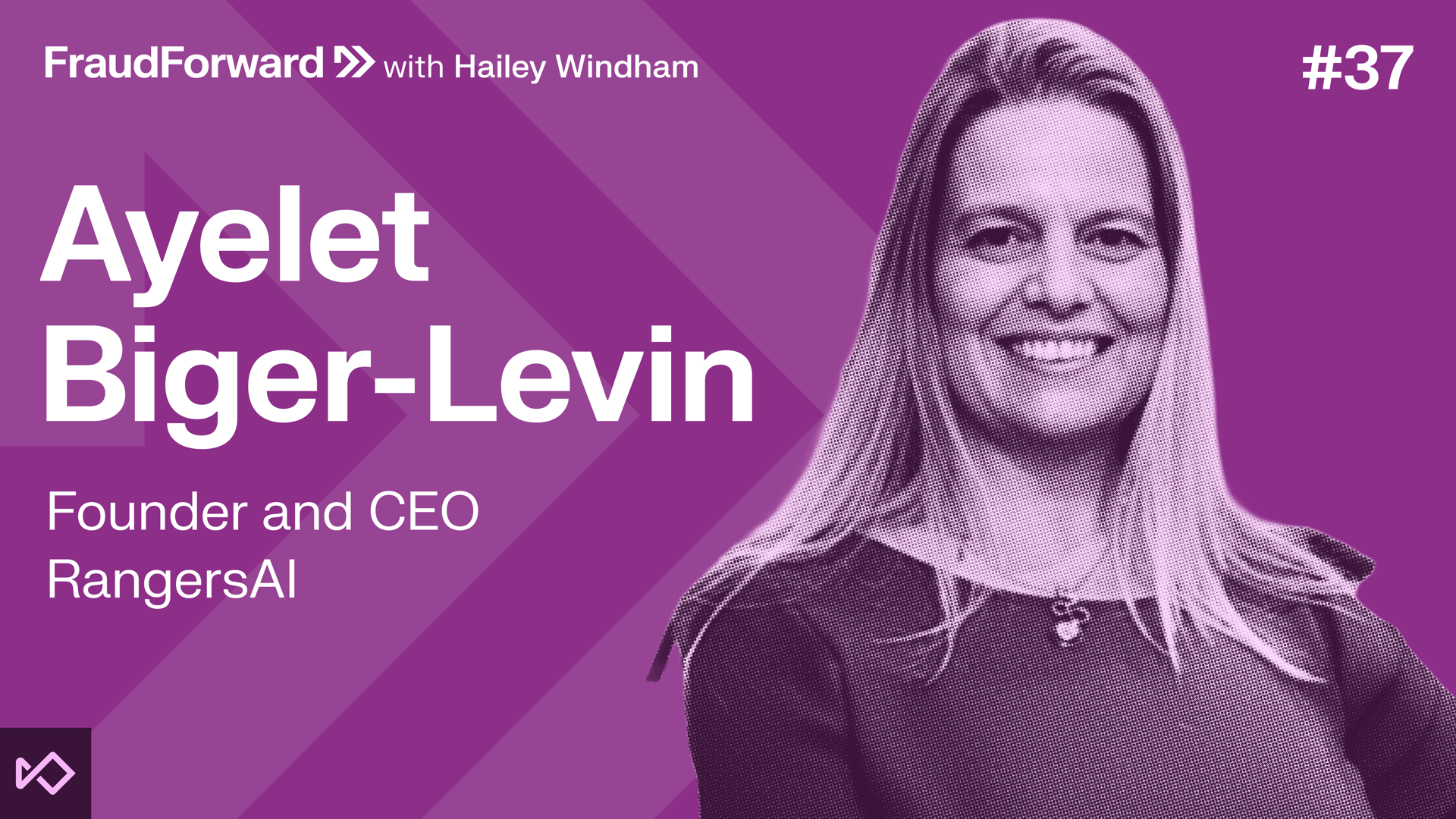
I am sitting down with Ayelet Biger-Levin, and I loved this conversation because Ayelet does not let us hide behind “but the customer authorized it.” Yes, the customer clicked send. Yes, the authentication passed. And yes, the scam still happened, because social engineering payment scams are built to make a victim participate in their own loss. That is why authorized push payment fraud is forcing an APP liability shift globally, and why reimbursement is turning into a bigger and bigger part of the bank scam story.

Let’s reset the room for a moment. Reimbursement is not the only cost. It is just the most obvious one.

scam reimbursement costs show up on a spreadsheet. But the hidden costs are everywhere:

  • Customer support time and complaint load
  • Investigation time and operational strain
  • Reputation damage that your marketing team cannot “brand” away
  • customer churn after fraud that quietly drains lifetime value
  • deposit attrition risk when people move their money because they do not feel safe

So when leaders ask, “Why invest,” my answer is, because you are already paying, you are just paying in the worst ways.

We also talk about what is driving the global shift. UK APP reimbursement rules and Australia scam liability reform are shaping expectations, even for institutions outside those markets. The signal to banks everywhere is, bank accountability for scams is becoming the norm, not the exception. And yes, regulatory pressure on banks is part of that, but customer expectations are part of it too. People do not care what you call the fraud type. They care that they lost money and they want their bank to help.

Here is the part that I think can actually make you feel hopeful. Banks are uniquely positioned to intervene earlier.

We have real-time visibility into payment behavior. We see patterns. We see recipients. We see velocity. We see risk signals. That is a huge opportunity if we build the right controls. And Ayelet and I talk about what “right” looks like, scam escalation workflows that are consistent, real-time scam warnings that show up at the moment of vulnerability, and friction that is smart, not blanket.

I want to double click on friction for a second. People love to say “friction is bad.” No. Friction is either dumb or smart. Dumb friction punishes legitimate customers. Smart friction interrupts authorized transaction fraud at the exact moment someone is being pressured.

That can look like:

  • Step-up verification when risk signals spike
  • A clear “pause” moment with real-time scam warnings
  • A live outreach call when indicators align
  • A confirmation step that forces the customer to slow down and think

And we also talk tools. Consumer scam detection tools can help. Message-based scam screening can help. Cross-channel scam detection can help because scams move across channels before they hit the payment rail. But tools alone are not the solution. Prevention has to be accessible, because not everyone lives in an app, and human support still matters.

That is why customer fraud education and consumer protection compliance have to be paired with good scam reporting protocols. If people cannot report quickly, we lose the window. If frontline teams are not trained, we miss the story. If escalation is inconsistent, we fail at scale.

This episode is basically my playbook for how to prepare for an APP liability shift without panic, and how to reduce reimbursement exposure while strengthening trust.

What you’ll hear in this episode:

  • How bank scam liability expectations are shifting and what APP liability shift means in practice
  • Why authorized push payment fraud is changing global expectations for reimbursement and prevention
  • How UK APP reimbursement rules and Australia scam liability reform are influencing bank accountability for scams
  • The true cost of scams, including scam reimbursement costs, customer churn after fraud, and deposit attrition risk
  • What smart friction looks like through real-time scam warnings and consistent scam escalation workflows
  • How consumer scam detection tools and message-based scam screening support earlier intervention
  • Why cross-channel scam detection and scam reporting protocols matter for fraud loss containment
  • How customer fraud education and consumer protection compliance work together in prevention

You should listen to this episode if you:

  • Lead fraud, BSA, or compliance and are preparing for authorized push payment fraud pressure
  • Are seeing scam reimbursement costs rise and need better fraud loss containment strategy
  • Want to reduce customer churn after fraud and lower deposit attrition risk
  • Are evaluating cross-channel scam detection and prevention investments
  • Need more consistent scam escalation workflows across teams
  • Want to implement real-time scam warnings without destroying customer experience
  • Own consumer protection compliance responsibilities and want stronger scam reporting protocols

If you liked this episode, be sure to subscribe and review the podcast on iTunes, Spotify, YouTube, or wherever you listen to podcasts. It really helps with getting the word out.

Episode notes & key takeaways

Liability expectations are redefining bank scam strategy

Let me just assure you, bank scam liability expectations are not static anymore.

Regulatory pressure on banks has accelerated in markets with UK APP reimbursement rules and Australia scam liability reform, and even if your institution is not in those markets, the expectation signal is loud. authorized push payment fraud is forcing an APP liability shift toward greater institutional responsibility.

That makes bank scam prevention:

  • A compliance issue
  • A customer trust issue
  • A retention issue
  • A cost containment issue

Institutions that prepare early reduce friction later, because they will not be scrambling when expectations shift again.

Reimbursement is only part of the financial impact

scam reimbursement costs are the visible number, but they are not the whole story.

The full cost of a scam includes:

  • Customer support load and complaint management
  • Investigation time and operational strain
  • customer churn after fraud driven by trust erosion
  • deposit attrition risk that quietly drains long-term value

If you want to reduce that total cost, you need fraud loss containment strategies that include prevention and response, not just reimbursement decisions.

Prevention requires smart friction

I want to double click on this. Friction can be protective when it is targeted.

Smart intervention can include:

  • real-time scam warnings at the moment of highest pressure
  • Step-up verification during high-risk transfers
  • Review and outreach when cross-channel scam detection signals align
  • Clear scam escalation workflows so teams act consistently

Blanket friction frustrates legitimate customers. Targeted friction interrupts authorized transaction fraud without alienating people, especially when customer fraud education helps them understand why the bank is intervening.

Technology and human support must work together

message-based scam screening and consumer scam detection tools can surface risk before the payment is sent, especially in high-risk flows.

But prevention must also work for customers who are not digital-first. That means:

  • Accessible scam reporting protocols
  • Trained frontline teams who can spot the story behind the payment
  • Clear consumer protection compliance alignment so interventions are defensible
  • Human support that helps customers cooperate instead of resist

The strongest bank scam prevention strategies combine automation with human judgment, and that combination is what reduces reimbursement exposure while building trust.

The evolution of Banking on Fraudology

The mission stays the same:

  • Elevate fraud prevention education.
  • Strengthen banking community leadership.
  • Support real operators inside community banks and credit unions.
  • Build durable fraud community building frameworks.
  • Advance fraud prevention thought leadership that is grounded, not hyped.

The future of banking fraud prevention depends on community.

The future of credit union fraud prevention depends on collaboration.

The future of fraud industry evolution depends on shared intelligence and values alignment.

We are leveling up.

And we are doing it together.

Stay vigilant, stay informed, and keep moving fraud forward.

Host
A blonde woman in a black blazer smiles slightly against a purple background.
Hailey Windham
Fraud Forward, Sardine