
What is up fraud fighters, and welcome to Fraud Forward!
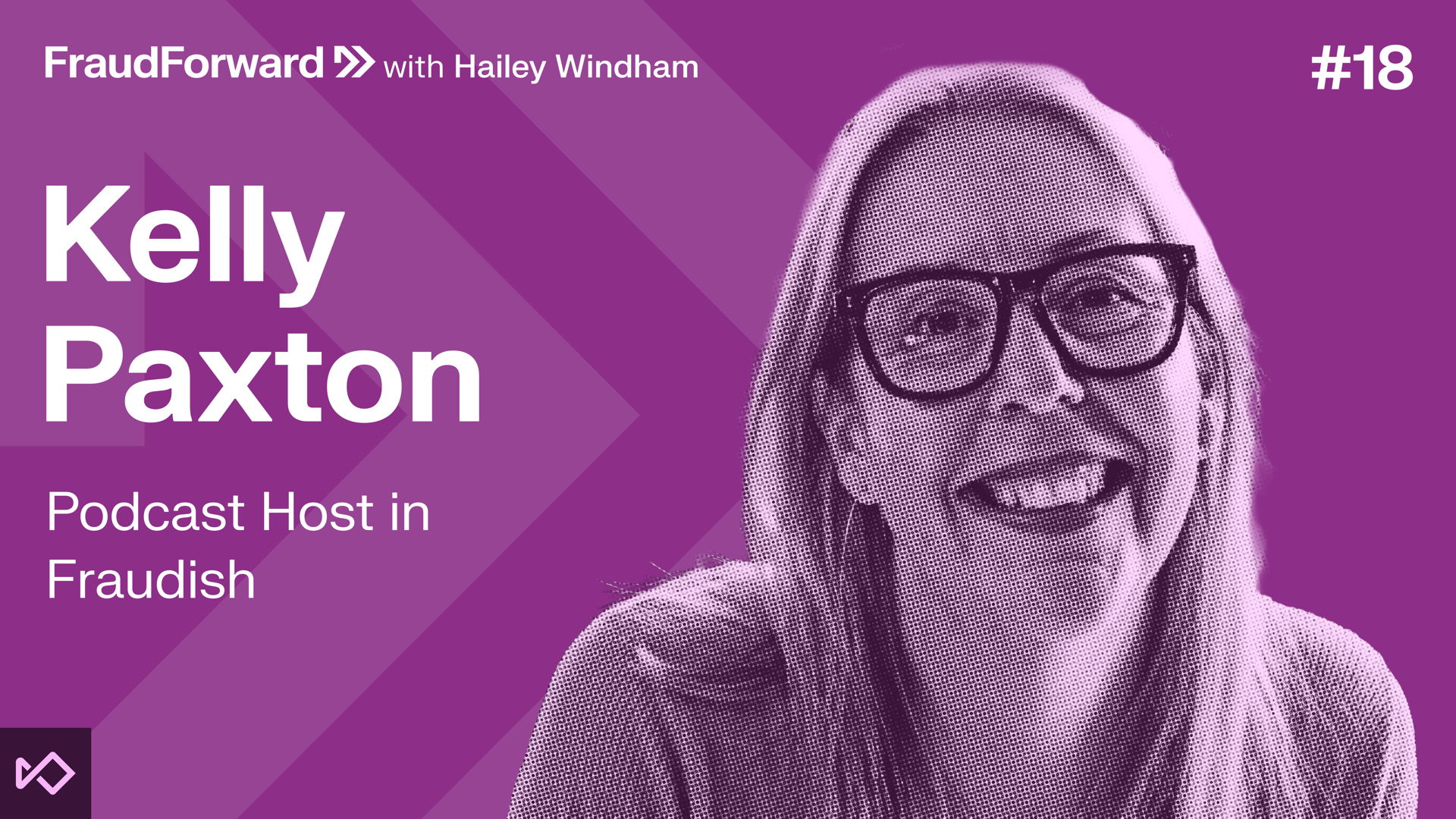
In this episode, I am sitting down with Kelly Paxton, and we are reflecting on Fraud Retreat 2024 insights that every compliance leader, internal auditor, and risk professional needs to hear right now. Because corporate fraud is not just a financial problem. It is reputational. It is cultural. It is governance stability. And when misconduct surfaces, it tests everything, leadership tone, reporting pathways, internal audit oversight, and whether your organization actually protects the people who speak up.
Let’s reset the room for a moment. corporate fraud is one of the most sensitive and high-impact risk areas organizations face, and it often comes to light because someone makes the hard decision to report what they are seeing. That is why whistleblower protection programs cannot be a policy document that lives in a folder. They have to be real, visible, and trusted. Because whistleblower retaliation risks are still real, and I have seen how quickly trust collapses when reporting pathways are unclear or leadership messaging is inconsistent.
Kelly shares lessons grounded in real investigative work, and we talk through internal reporting frameworks that actually function as an early warning system, not a liability trap. We also talk about corporate compliance leadership, because your culture does not become ethical by accident. corporate ethics culture is built through consistency, example, and what leadership is willing to enforce.
Then we get into the investigative side, and I want to double click on this because it matters operationally. fraud investigation best practices are not just about finding facts. They are about doing it in a way that holds up. Defensible investigation documentation matters. forensic interview strategies matter. And yes, litigation strategy in fraud cases matters, because how you document, how you interview, and how you preserve decision logic can become the difference between resolution and long-term exposure.
We also talk about audit and fraud collaboration and the role internal audit oversight plays in preventing escalation. The strongest programs treat audit as proactive, not just a retrospective checkpoint. That is enterprise fraud governance in action.
And because this is the fraud community, we also reflect on the value of fraud professional networking and continued learning, plus the way charity engagement in fraud community efforts brings people together around purpose. Because transparency, education, and community are how we get stronger.
If you are trying to strengthen corporate misconduct reporting, protect whistleblowers, and reduce corporate fraud exposure with controls that actually work, this episode is for you.
What you’ll hear in this episode:
- Key corporate fraud lessons and Fraud Retreat 2024 insights that translate into real-world action
- Why whistleblower protection programs and internal reporting frameworks are foundational
- How whistleblower retaliation risks show up and what leaders can do to prevent harm
- The evolving role of internal audit oversight and why audit and fraud collaboration improves outcomes
- Practical fraud investigation best practices, including defensible investigation documentation
- Forensic interview strategies, deception detection techniques, and how they support accountability
- What to consider in litigation strategy in fraud cases and fraud case litigation secrets that protect organizations
You should listen to this episode if you:
- Own compliance, audit, or enterprise risk oversight and corporate fraud is in your threat model
- Need stronger whistleblower protection programs and more trusted internal reporting frameworks
- Want to modernize enterprise fraud governance and improve organizational risk transparency
- Are refining fraud investigation best practices and want more defensible investigation documentation
Need audit and fraud collaboration to work better across internal audit oversight and investigations
- Believe corporate ethics culture depends on daily reinforcement, not annual training
If you liked this episode, be sure to subscribe and review the podcast on iTunes, Spotify, YouTube, or wherever you listen to podcasts. It really helps with getting the word out.
Episode notes & key takeaways
Whistleblowers are central to corporate fraud prevention
Let me just assure you, corporate fraud often comes to light because someone decides to speak up.
That decision is not easy, and whistleblower retaliation risks are still a serious concern, especially when leadership tone is inconsistent or reporting pathways feel unsafe. If your organization wants responsible reporting, it has to earn trust.
Strong whistleblower protection programs should include:
- Confidential reporting mechanisms that employees actually believe are confidential
- Clear anti-retaliation policies with real enforcement
- Visible corporate compliance leadership support when reports come in
- Transparent internal reporting frameworks that explain what happens next
Organizational risk transparency builds confidence that concerns will be handled responsibly. When employees trust the process, corporate misconduct reporting becomes an effective early warning system, not a last resort.
Internal audit strengthens oversight
Let’s get into it. internal audit oversight is not just a rearview mirror function.
When internal audit oversight is proactive, it can identify systemic weaknesses before misconduct escalates. That is a powerful prevention lever in corporate fraud programs.
Here is what strengthens outcomes:
- Audit and fraud collaboration that aligns evidence, timelines, and control context
- Fraud investigation best practices that treat rigor as non-negotiable
- Defensible investigation documentation that explains decisions and preserves integrity
- Structured forensic interview strategies that reduce contamination and improve truth-finding
And yes, litigation strategy in fraud cases belongs in the room early. The way you document and investigate can reduce exposure and protect the organization when disputes escalate. Those fraud case litigation secrets are not about hiding facts, they are about making sure your process is defensible.
Enterprise fraud governance improves when audit independence is preserved and leadership reinforces accountability consistently.
Ethics culture drives long-term resilience
100 percent, corporate ethics culture shapes daily decision-making.
Ethics training initiatives matter, but training alone is not culture. Culture is reinforcement, clarity, and what is tolerated. Consistent messaging and visible corporate compliance leadership reduce normalization of misconduct.
Fraud Retreat 2024 insights reinforced a hard truth. corporate fraud prevention extends beyond policy design. It requires:
- Leadership example and follow-through
- Continued education and professional development
- Fraud professional networking that keeps practitioners sharp and informed
- Community connection, including charity engagement in fraud community initiatives that strengthen purpose
Organizations that prioritize transparency and support responsible reporting create durable safeguards against corporate fraud.
The evolution of Banking on Fraudology
The mission stays the same:
- Elevate fraud prevention education.
- Strengthen banking community leadership.
- Support real operators inside community banks and credit unions.
- Build durable fraud community building frameworks.
- Advance fraud prevention thought leadership that is grounded, not hyped.
The future of banking fraud prevention depends on community.
The future of credit union fraud prevention depends on collaboration.
The future of fraud industry evolution depends on shared intelligence and values alignment.
We are leveling up.
And we are doing it together.
Stay vigilant, stay informed, and keep moving fraud forward.