

SardineCon SF/2026

Learn More
FRAUDFORWARD
#7

Fraud Detection Technology and Blockchain in Credit Unions

48 min
Fraud Detection Technology and Blockchain in Credit Unions

What’s up fraud fighters! Welcome to Fraud Forward.

Today I want to talk about something that is popping up in more and more conversations across our industry. Fraud detection technology and the role that blockchain, decentralized finance, and digital identity might play in the future of fraud prevention.

Now I know for some people those topics can feel a little abstract. Sometimes they get framed as hype. Sometimes they get dismissed entirely. But the truth is somewhere in the middle, and that is exactly what we explore in this episode.

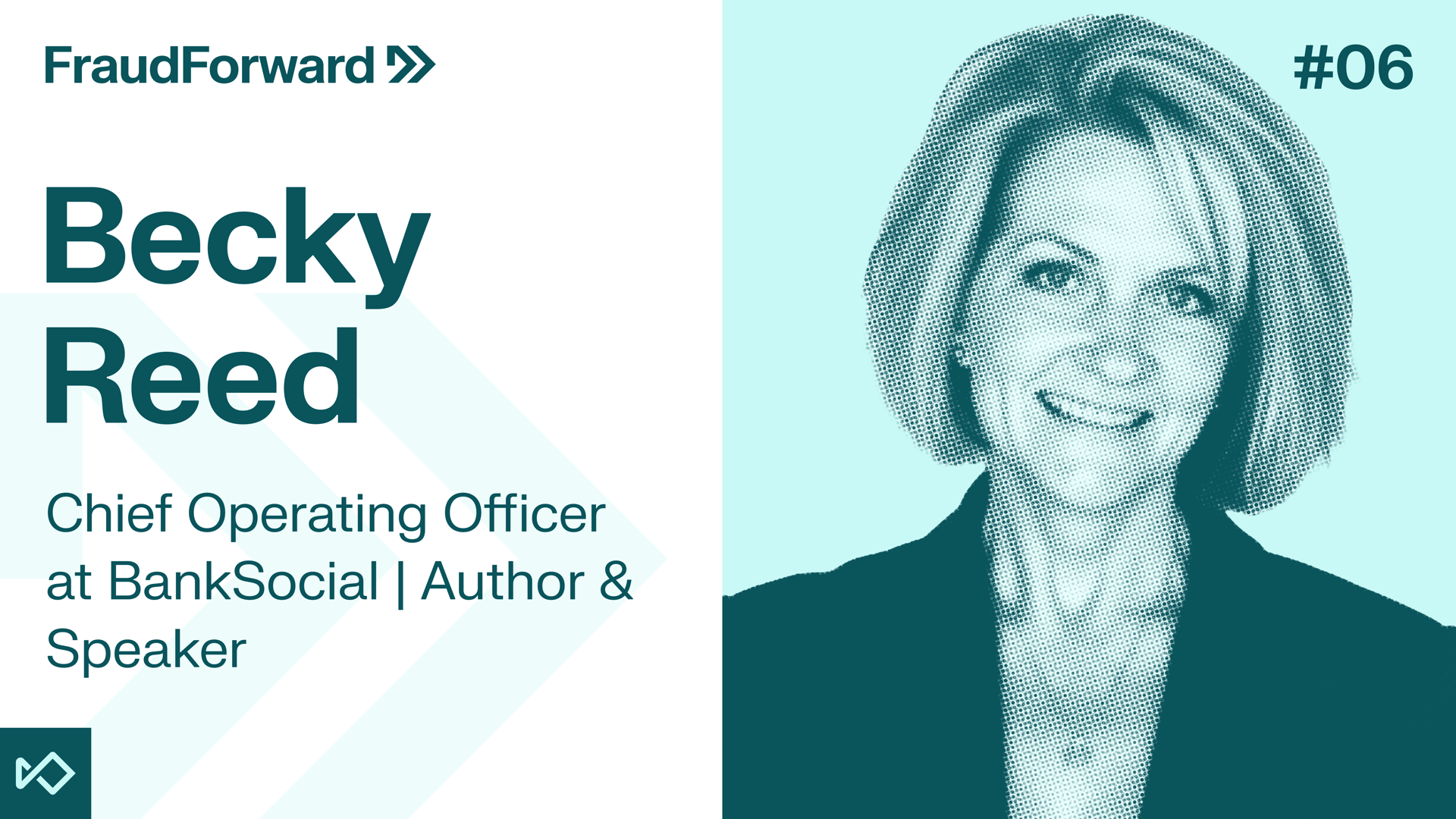
I sat down with Becky Reed, a longtime credit union executive and the author of Credit Unions and a Financial Renaissance. Becky has spent years thinking about where financial services is heading and how credit unions can innovate while still protecting the people they serve.

And that balance is the heart of this conversation.

Innovation matters.

Governance matters just as much.

What Becky and I talk about is how fraud detection technology could evolve as financial institutions begin exploring tools like distributed ledger transparency, blockchain audit trails, and digital identity frameworks.

Traditional payment systems still rely heavily on delayed reconciliation and fragmented data sharing. Anyone working in fraud operations knows how messy that can make investigations.

Blockchain-based environments introduce a different possibility.

They can create:

  • Near real-time payment transparency
  • Immutable transaction histories
  • Clearer counterparty verification
  • Shared audit trails across participants

When those capabilities are implemented thoughtfully, they do not complicate fraud prevention. They can actually strengthen consumer protection innovation.

We also spend time unpacking some of the concepts that often get thrown around but not always explained clearly.

Things like:

  • Decentralized finance risk
  • Tokenized financial systems
  • Self-sovereign digital identity

These ideas can sound disruptive. But they also create structured opportunities to improve authentication and reduce identity misuse if they are paired with strong governance.

For credit unions in particular, this conversation is really about leadership.

Community institutions have an opportunity to shape the next chapter of financial services by evaluating these technologies carefully and making sure modernization supports both operational efficiency and member trust.

What you’ll hear in this episode

  • How I see fraud detection technology intersecting with blockchain environments
  • Why distributed ledger transparency and blockchain audit trails matter for fraud prevention
  • How Becky thinks about decentralized finance risk and governance
  • Where self-sovereign digital identity could change authentication
  • Why credit union leadership plays a critical role in payment system modernization

You should listen to this episode if

  • Fraud or compliance strategy is part of your role
  • Your institution is evaluating blockchain or digital asset exposure
  • Payment transparency and consumer protection innovation are priorities
  • You are curious how next-generation fraud controls might evolve

If you liked this episode, be sure to subscribe and review the podcast on iTunes, Spotify, YouTube, or wherever you listen to podcasts. It really helps more fraud fighters find these conversations.

Episode notes & key takeaways

Before we double click on the notes, I want to say something Becky and I kept coming back to in this conversation.

Technology alone does not solve fraud.

Strong governance, collaboration, and education are still the foundation. Technology just gives us new tools to work with.

Fraud detection technology is moving toward transparency

For a long time, fraud detection technology has been built around reacting after something happens.

We monitor transactions.

We flag anomalies.

We investigate once activity has already occurred.

Blockchain-based systems introduce a different framework that centers around distributed ledger transparency.

Instead of relying on fragmented records across institutions, participating organizations can verify transactions through shared, immutable ledgers.

From my perspective, what makes that interesting is the visibility it creates.

When transaction records are consistent and tamper-resistant, investigations become clearer. Audit trails become easier to follow. Disputes can be resolved faster.

Blockchain audit trails can help create:

  • Consistent transaction records across participants
  • Clearer timelines for payment activity
  • Stronger coordination in cross-border environments
  • Greater accountability across networks

That does not mean blockchain replaces traditional fraud controls.

What it does mean is that fraud detection technology could become stronger when transparency supports existing oversight.

Digital identity evolution strengthens authentication

Another part of this conversation that I found fascinating was Becky’s perspective on digital identity evolution.

Right now, most identity systems rely on centralized credential storage. When those systems are compromised, the impact can spread quickly.

Self-sovereign digital identity models offer a different approach.

In decentralized identity frameworks, individuals control verifiable credentials that can be cryptographically validated without exposing all of their personal data.

From a fraud prevention standpoint, that has the potential to reduce certain forms of identity misuse.

But it also introduces governance questions.

Institutions evaluating blockchain fraud prevention need to think carefully about how decentralized identity systems interact with existing KYC optimization and regulatory expectations.

The key here is balance.

Authentication must remain strong, but identity verification friction also needs to stay manageable so member trust is preserved.

Credit unions can lead technology modernization

One of the things I loved most about talking with Becky is her belief that innovation does not belong only to the biggest institutions.

Credit unions have always been community-focused organizations built on trust and member relationships.

That positioning actually creates a powerful opportunity when it comes to technology leadership.

Credit union blockchain adoption shows that smaller institutions can play a meaningful role in shaping payment system modernization.

But modernization cannot happen in isolation.

Fraud detection technology must align with broader governance around:

  • Decentralized finance DeFi risk
  • Digital asset exposure management
  • Cross-functional collaboration between fraud, compliance, and technology teams

When those groups work together, innovation becomes structured and defensible.

And that is where real progress happens.

Credit union technology leadership demonstrates that consumer protection innovation and technological advancement are not competing priorities.

They can reinforce each other when the strategy is thoughtful.

Final takeaway

Fraud detection technology is evolving as blockchain systems, decentralized finance, and digital identity frameworks continue to develop.

These technologies are not a replacement for governance.

But when they are implemented thoughtfully, they can strengthen transparency, authentication, and fraud prevention capabilities across the financial ecosystem.

For credit unions and community institutions, the opportunity is not just adoption.

It is leadership.

By evaluating these tools carefully and aligning them with strong oversight, institutions can modernize payment systems while continuing to protect the people who trust them.

The evolution of Banking on Fraudology

The mission stays the same:

  • Elevate fraud prevention education.
  • Strengthen banking community leadership.
  • Support real operators inside community banks and credit unions.
  • Build durable fraud community building frameworks.
  • Advance fraud prevention thought leadership that is grounded, not hyped.

The future of banking fraud prevention depends on community.

The future of credit union fraud prevention depends on collaboration.

The future of fraud industry evolution depends on shared intelligence and values alignment.

We are leveling up.

And we are doing it together.

Stay vigilant, stay informed, and keep moving fraud forward.

Host
A blonde woman in a black blazer smiles slightly against a purple background.
Hailey Windham
Fraud Forward, Sardine

Guests

Smiling woman with short, curly blonde hair wearing a striped shirt.
Becky Reed
Financial Services Strategist