
SardineCon SF/2026

Learn More
FRAUDFORWARD
#20

Fraud Impact on Families and Fraud Professionals

37 min
Fraud Impact on Families and Fraud Professionals

What’s up fraud fighters, and welcome to Fraud Forward!

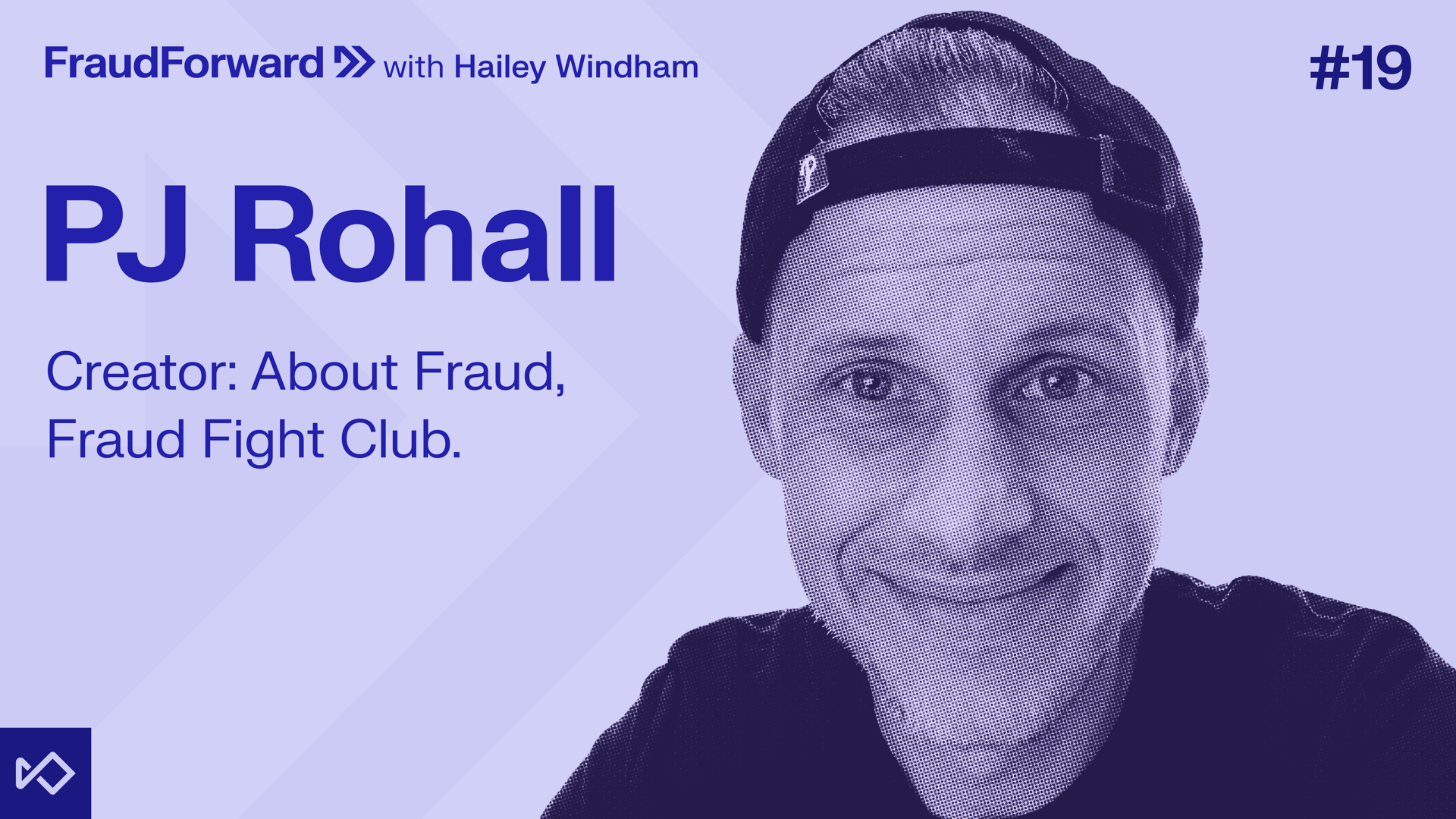
In this episode, I am sitting down with PJ Rohall, and I need you to hear me on this, fraud impact is not just a loss number. It is a human event. It shows up in homes, in relationships, in workplaces, and in the bodies and minds of the people living through it, including the people working the cases.

PJ and I talk about how his view of fraud shifted through personal experience. What started as a focus on productivity and performance expanded into a deeper awareness of the emotional toll of fraud, and honestly, that is the shift I want more institutions to make. Because we can build the best controls in the world, but if we ignore fraud victim psychology and the financial crime emotional effects that linger long after the funds are gone, we are missing the full picture of harm.

Let’s reset the room for a moment. Shame, fear, and stress do not just disappear after a scam. The way we respond matters. supporting scam victims requires trauma-informed fraud response and victim-centered fraud practices that recognize both financial loss and emotional recovery. And I am going to say this the way I say it in real life when someone calls in devastated, my God, I’m so sorry this happened to you. It’s not your fault. That is not a script. That is a necessary starting point to disrupt stigma and open the door for cooperation and healing.

We also talk about families, because fraud impact hits them too. PJ reflects on raising children in digital age, and we get into digital safety education for kids, parent guidance on online safety, and the importance of digital risk conversations at home. Scam awareness for families has to be ongoing, not a one-time warning, because the internet is not waiting for us to catch up. Protecting children from online scams starts with consistent, calm, honest conversations that build confidence and awareness before a child is targeted.

And fraud fighters, we talk about you. The episode highlights fraud prevention burnout, mental health in fraud teams, and what it takes to build fraud professional resilience. Fraud investigator well-being is not optional. When institutions normalize emotional strain and support work-life balance in fraud careers, teams perform better and stay healthier. That is fraud culture and empathy done right.

This episode is a reminder that prevention and response are not just technical. They are human. And if we want better outcomes, we have to address fraud impact holistically.

What you’ll hear in this episode:

  • How fraud impact affects families, children, and the professionals doing the work
  • The emotional toll of fraud, fraud victim psychology, and why stigma slows reporting
  • What trauma-informed fraud response and victim-centered fraud practices look like in real life
  • Practical digital safety education for kids, including parent guidance on online safety
  • How to build scam awareness for families through digital risk conversations at home
  • Why fraud prevention burnout and mental health in fraud teams must be treated as operational priorities
  • How to strengthen fraud professional resilience and fraud investigator well-being through healthier culture

You should listen to this episode if you:

  • Work in fraud prevention, compliance, or financial crime and see fraud impact daily
  • Want a stronger trauma-informed fraud response approach that supports supporting scam victims
  • Are raising children in digital age and need digital safety education for kids that actually sticks
  • Want better parent guidance on online safety and practical ways to protect children from online scams
  • Care about community fraud education and reducing stigma across your member or customer base
  • Are feeling fraud prevention burnout and want a more sustainable model for work-life balance in fraud careers

If you liked this episode, be sure to subscribe and review the podcast on iTunes, Spotify, YouTube, or wherever you listen to podcasts. It really helps with getting the word out.

Episode notes & key takeaways

Fraud impact is both financial and emotional

Let me just assure you, fraud impact includes measurable loss and invisible harm.

Fraud victim psychology shows us something important. Embarrassment and isolation can prevent people from reporting quickly, which means the scam continues and losses deepen. That is why supporting scam victims starts with empathy and clarity.

Here is what I want institutions to practice:

  • Trauma-informed fraud response that recognizes emotional recovery alongside restitution
  • Victim-centered fraud practices that remove stigma and keep language human
  • Consistent reassurance that victims were manipulated, not careless

The financial crime emotional effects can include anxiety, sleeplessness, fear of technology, and a deep loss of trust. The emotional toll of fraud is real, and it affects cooperation, recovery, and long-term wellness.

Community fraud education and transparent messaging reduce stigma and encourage earlier intervention. Earlier reporting means better containment, better outcomes, and less harm.

Families need structured digital safety conversations

Now let’s talk about home, because family exposure to scams is not hypothetical anymore.

Raising children in digital age requires proactive habits. Digital safety education for kids should not be fear-based, it should be skill-based. Children need to learn how manipulation works, how pressure works, and how to ask for help without shame.

What helps most:

  • Parent guidance on online safety that is consistent and age-appropriate
  • Digital risk conversations at home that happen regularly, not only after a scare
  • Scam awareness for families that uses real examples without overwhelming kids
  • Clear steps for protecting children from online scams, including boundaries and reporting

When families normalize talking about online risk, kids become more likely to pause, question, and ask for help. That pause can break the psychological hold of a scam.

Fraud professionals carry emotional weight

Fraud fighters, I am talking to you here.

Fraud professionals absorb the stress of supporting victims while managing investigative demand, and that is a real weight. Fraud prevention burnout and mental health in fraud teams impact performance, retention, and decision quality.

Fraud investigator well-being improves when leadership supports:

  • Work-life balance in fraud careers through realistic staffing and workload expectations
  • Debriefing and emotional support practices after high-trauma cases
  • Fraud culture and empathy that values humans, not just metrics
  • Development pathways that strengthen fraud professional resilience

Institutions that prioritize emotional support create stronger outcomes for customers and stronger teams for the long haul.

Fraud impact must be addressed holistically. When we combine education, empathy, and resilience, we strengthen both prevention and recovery efforts across the entire community.

The evolution of Banking on Fraudology

The mission stays the same:

  • Elevate fraud prevention education.
  • Strengthen banking community leadership.
  • Support real operators inside community banks and credit unions.
  • Build durable fraud community building frameworks.
  • Advance fraud prevention thought leadership that is grounded, not hyped.

The future of banking fraud prevention depends on community.

The future of credit union fraud prevention depends on collaboration.

The future of fraud industry evolution depends on shared intelligence and values alignment.

We are leveling up.

And we are doing it together.

Stay vigilant, stay informed, and keep moving fraud forward.

Host
A blonde woman in a black blazer smiles slightly against a purple background.
Hailey Windham
Fraud Forward, Sardine