What’s up fraud fighters! Welcome to Fraud Forward.
Today we are talking about something that does not always get the spotlight in fraud conversations but absolutely should. Fraud risk assessment.
Because if you are leading fraud, compliance, or risk inside a fintech or financial institution, your fraud risk assessment is not just a document. It is a living framework that connects fraud threats, operational controls, and leadership oversight.
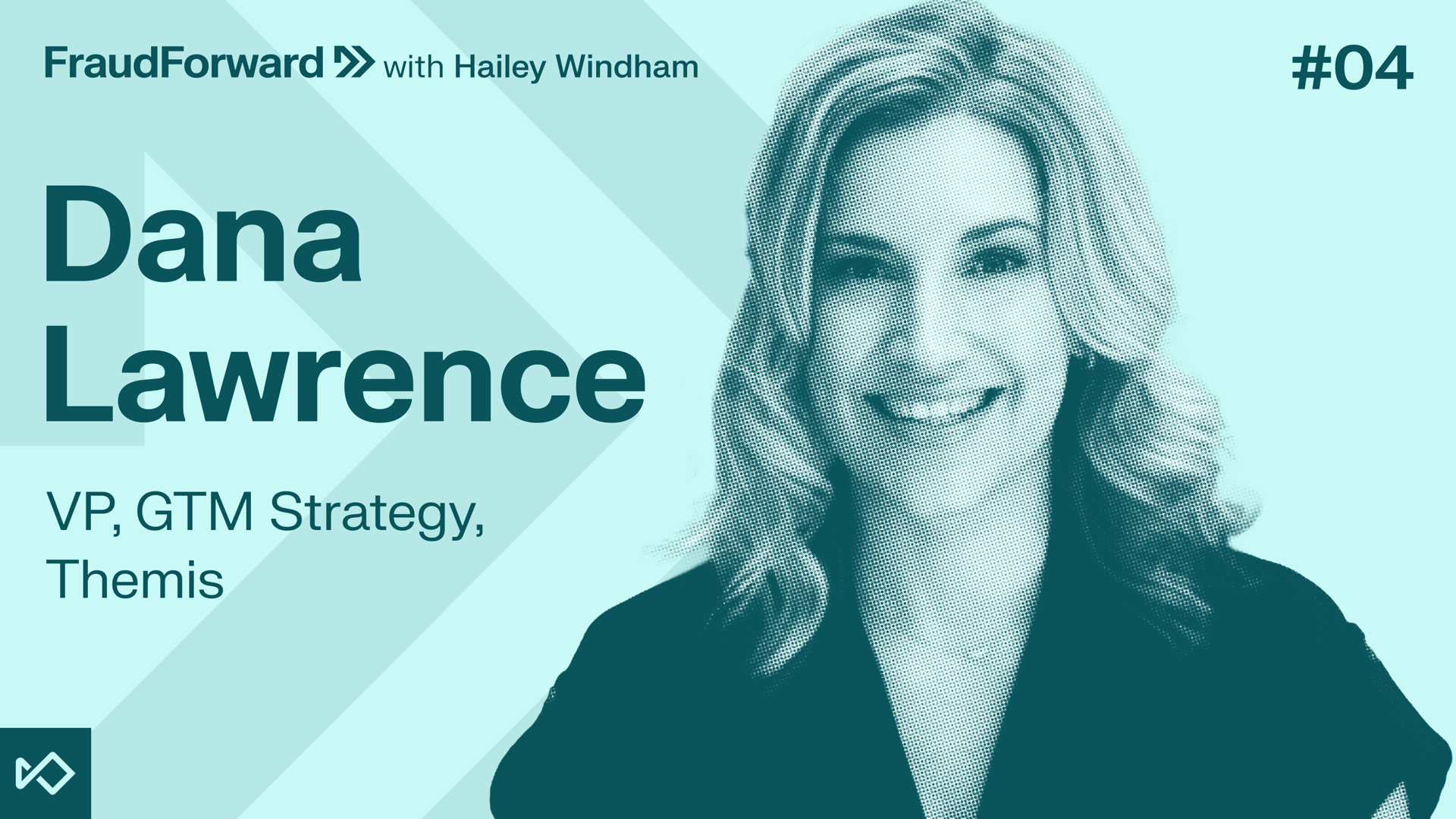
In this episode, I sit down with Dana Lawrence, an experienced fintech compliance and risk leader, to break down what a practical fraud risk assessment actually looks like in the real world.
Not the version that sits in a binder waiting for the next regulatory exam.
The version that teams actually use.
Dana and I talk about how institutions can build fraud risk assessment processes that are structured, clear, and defensible. We walk through what needs to be documented, where control gaps typically appear, and how accountability should be defined across fraud, compliance, and operations.
And I want to emphasize something that comes up a lot in this conversation.
A strong fraud risk assessment is not a signal that something is wrong.
It is a signal that leadership is paying attention.
It shows that your organization understands emerging fraud typologies, aligns policies to real operational activity, and continuously strengthens the control environment.
Because fraud evolves.
Products evolve.
Digital channels evolve.
Customer behavior evolves.
Your fraud risk assessment has to evolve right alongside them.
What you’ll hear in this episode
- How to structure a practical fraud risk assessment framework
- Methods for identifying and documenting control gaps
- Aligning fraud programs with enterprise governance
- Strengthening accountability across departments
- Preparing documentation that supports regulatory readiness
You should listen to this episode if
- Fraud, compliance, or risk functions are refining governance structures
- Institutional leadership wants stronger documentation and oversight
- Your team is building proactive fraud risk management practices
- You are preparing your program for regulatory review or growth
If you liked this episode, be sure to subscribe and review the podcast on iTunes, Spotify, YouTube, or wherever you listen to podcasts. It really helps more fraud fighters find these conversations.
Episode notes & key takeaways
Before we double click on the notes, let me say something that I think a lot of fraud leaders quietly feel.
Fraud risk assessment sometimes gets treated like annual paperwork.
But if we are being honest with ourselves, it should be one of the most practical tools we have.
Fraud risk assessment as ongoing upkeep, not annual paperwork
Dana reframes fraud risk assessment as something far more practical than a once-a-year compliance deliverable.
It is ongoing upkeep.
Products evolve.
Digital channels expand.
Customer behaviors shift.
Fraud typologies follow that movement.
If your fraud risk assessment stays static, it stops reflecting operational reality.
The institutions that do this well treat their assessment like a living document tied directly to what is happening across the business.
That means the assessment reflects:
- How accounts are opened
- How payments move across rails
- How transaction monitoring alerts are reviewed
- How fraud cases are investigated and resolved
When those pieces align, fraud leaders can explain exposure clearly and confidently.
Instead of reacting after an incident or an exam request, teams can show how risks were identified, mapped, and addressed as part of normal governance.
And that changes the conversation.
It moves the narrative from remediation to stewardship.
Control ownership must be clear and visible
One of the most practical themes Dana and I discuss is ownership.
Fraud risk rarely lives in one department.
In many institutions:
- Product teams design the feature
- Operations teams run the workflow
- Compliance teams monitor regulatory alignment
- Fraud teams investigate alerts
Without clearly documented ownership, risks can fall into shared but unclaimed territory.
Dana makes a great point here.
Documentation is not bureaucracy. It is clarity.
When control ownership is visible, leaders can see:
- Who monitors performance
- Who tests control effectiveness
- Who updates controls when processes change
That level of clarity improves reporting for senior leadership and boards.
It also strengthens cross-functional collaboration.
Instead of debating who should act when a gap appears, the structure already exists.
Embedding risk assessment into strategic planning
Another theme we explore is how fraud risk assessment should connect directly to institutional growth.
New product launches.
New payment rails.
New fintech partnerships.
All of those moments should trigger fraud risk mapping conversations.
Institutions that embed fraud risk assessment into planning cycles often discover something interesting.
It does not slow innovation.
It strengthens confidence.
When risks and controls are documented early, teams move forward knowing exposure has been evaluated thoughtfully.
Over time, this approach builds a proactive culture where fraud risk assessment becomes part of decision making rather than something reviewed after the fact.
That shift protects customers while supporting responsible growth.
Final takeaway
Fraud risk assessment should never be treated as static compliance documentation.
It should function as a living governance framework that evolves alongside your institution.
When organizations treat fraud risk assessment as ongoing upkeep, they gain:
- Clearer visibility into emerging fraud threats
- Stronger alignment across fraud, compliance, and operations
- More confident communication with regulators and leadership
And most importantly, they strengthen their ability to protect customers.
The evolution of Banking on Fraudology
The mission stays the same:
- Elevate fraud prevention education.
- Strengthen banking community leadership.
- Support real operators inside community banks and credit unions.
- Build durable fraud community building frameworks.
- Advance fraud prevention thought leadership that is grounded, not hyped.
The future of banking fraud prevention depends on community.
The future of credit union fraud prevention depends on collaboration.
The future of fraud industry evolution depends on shared intelligence and values alignment.
We are leveling up.
And we are doing it together.
Stay vigilant, stay informed, and keep moving fraud forward.