
SardineCon SF/2026

Learn More
FRAUDFORWARD
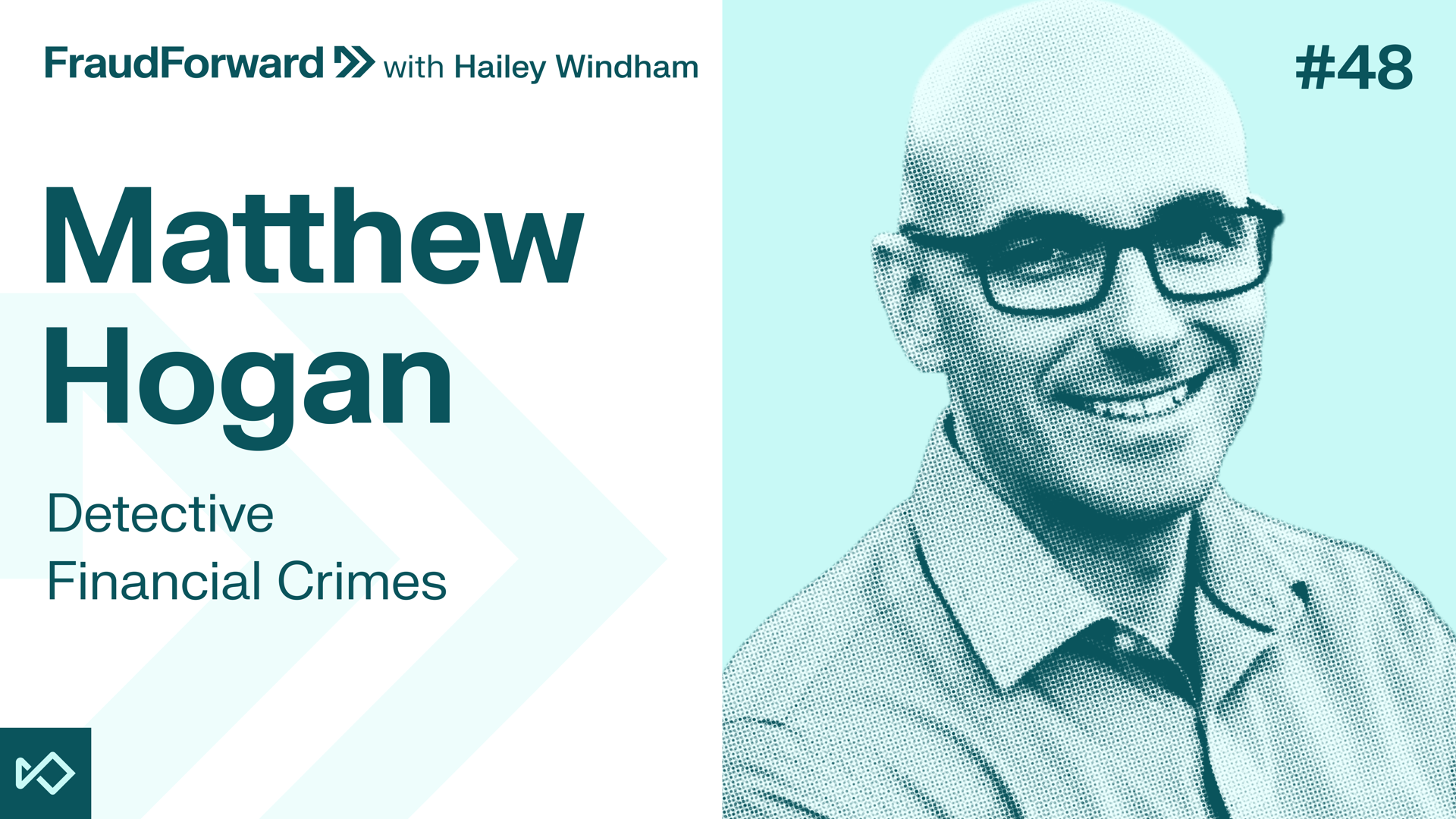
#48

White Collar Crime Investigator on Crypto and Modern Fraud

38 min
White Collar Crime Investigator on Crypto and Modern Fraud

What’s up fraud fighters, and welcome to Fraud Forward!

Alright, I want to double click on something that is hitting institutions every single day. Social engineering fraud keeps winning because it targets people before it targets systems. And if you have ever looked at a case and thought, “Our controls are solid, how did this still happen,” this episode is for you.

I’m joined by fraud examiner and investigator Marc Evans, and we’re walking through the manipulation tactics in banking that drive romance scam tactics, check fraud resurgence, account takeover schemes, and credential stuffing attacks. Marc has worked more than 500 identity theft cases and fraud investigations, and he lays out something we all need to keep front and center, fraudster psychology is doing most of the heavy lifting.

Because yes, technology plays a role, but persuasion moves the money.

Why this matters for fraud fighters

Let’s reset the room for a moment. Social engineering fraud hides inside everyday banking interactions, and that is what makes it so dangerous.

It can look like:

  • A check deposit that feels routine, but connects to check fraud resurgence
  • A password reset that seems normal, but signals digital account compromise
  • A login attempt that looks like background noise, but is really credential stuffing attacks in motion
  • A wire transfer request that appears customer initiated, but is consumer trust exploitation with heavy coaching behind it

And when you are managing credit union fraud risk or running bank fraud monitoring programs, you know the hardest part is that systems do not always fail. People are persuaded. That is why behavioral fraud indicators matter as much as alerts.

What you’ll hear in this episode

  • How social engineering fraud uses urgency and emotional pressure to bypass safeguards
  • Why romance scam tactics continue to devastate victims and delay reporting
  • The persistence of check fraud resurgence in digital banking environments
  • How credential stuffing attacks enable account takeover schemes and digital account compromise
  • Real-world financial crime case studies and fraud investigation insights from hundreds of investigations

You should listen to this episode if you

  • Oversee fraud prevention or investigations and want clearer scam prevention strategies that work in real life
  • Manage digital banking, account security, or monitoring and want practical insight into online banking security risks
  • Want deeper understanding of financial scam patterns and why scams succeed even when controls exist
  • Are building enterprise fraud awareness and want cross-team language that supports earlier escalation

If you liked this episode, be sure to subscribe and review the podcast on iTunes, Spotify, YouTube, or wherever you listen to podcasts. It really helps with getting the word out.

Episode notes and key takeaways

Why social engineering fraud still works

Social engineering fraud relies on trust exploitation. Criminals create urgency, isolate victims, and normalize secrecy before funds ever move.

And that is why these cases feel so frustrating. In many scenarios, systems do not fail. People are persuaded, coached, and manipulated. If you want earlier detection, you have to treat behavioral fraud indicators like primary signals, not secondary clues.

The many forms of everyday manipulation

This episode walks through financial scam patterns that may look different on paper but share the same manipulation core.

The big categories we cover:

  • Romance scam tactics built on emotional connection, secrecy, and escalating urgency
  • Check fraud resurgence that exploits legacy channels and routine deposit behavior
  • Account takeover schemes driven by credential stuffing attacks and credential reuse
  • Identity theft cases that start with digital account compromise and spiral into downstream fraud

Each scheme begins with persuasion and escalates into financial loss. The fraudster psychology piece is what connects them.

What fraud investigations reveal

Across hundreds of cases, Marc points to themes that show up again and again. And once you see them, you cannot unsee them.

Patterns include:

  • Fraudsters rehearsing detailed narratives and keeping victims on script
  • Victims being coached before they interact with bank staff
  • Trust being established before any transaction occurs
  • Institutions intervening after funds move, because the early signals were treated as customer behavior, not criminal influence

These fraud investigation insights reinforce something we need to operationalize. Early behavioral recognition matters as much as technical alerts.

Where financial institutions are exposed

Banks and credit unions get stuck in operational friction when:

  • Customers defend suspicious transactions and resist intervention
  • System alerts are treated as the sole detection mechanism
  • Scam scripts evolve faster than training updates
  • Credential reuse increases online banking security risks and expands takeover exposure

Blending consumer scam awareness with stronger bank fraud monitoring helps close the timing gap. The goal is earlier recognition, earlier interruption, and cleaner escalation pathways.

Strengthening prevention in everyday banking

Preventing social engineering fraud requires layers, and it requires consistency.

A practical approach includes:

  • Training frontline teams to identify manipulation tactics in banking, not just transaction anomalies
  • Enhancing monitoring for abnormal behavioral shifts tied to digital account compromise
  • Encouraging timely law enforcement fraud response coordination when patterns suggest organized activity
  • Embedding enterprise fraud awareness across departments so marketing, ops, fraud, and support are not working separate realities

Social engineering fraud hides in plain sight. The institutions that recognize behavioral patterns early reduce loss and strengthen customer trust.

The evolution of Banking on Fraudology

The mission stays the same:

  • Elevate fraud prevention education.
  • Strengthen banking community leadership.
  • Support real operators inside community banks and credit unions.
  • Build durable fraud community building frameworks.
  • Advance fraud prevention thought leadership that is grounded, not hyped.

The future of banking fraud prevention depends on community.

The future of credit union fraud prevention depends on collaboration.

The future of fraud industry evolution depends on shared intelligence and values alignment.

We are leveling up.

And we are doing it together.

Stay vigilant, stay informed, and keep moving fraud forward.

Host
A blonde woman in a black blazer smiles slightly against a purple background.
Hailey Windham
Fraud Forward, Sardine