SardineCon SF/2026

Learn More
FRAUDFORWARD
#99

「ただの窓口係」なんて存在しない

26 min

やあ、フロードファイターのみんな、『Fraud Forward』へおかえり!

私が不正対策の戦略会議に出るようになるずっと前、コントロールやガバナンス、多層防御について語るようになる前、そうしたことが始まる前の私は、窓口に立っていました。会員の皆さんと、文字どおり顔を突き合わせて。スピードとサービス、そして「何かおかしい」という直感とのバランスを取りながら仕事をしていたんです。そして今はっきり言えるのは、そのときの経験こそが、今日の私の「窓口での不正防止」に対する理解のすべてを形作ったということです。

私たちが十分に語れていない現実があります。私たちは、より賢いシステムを構築し、AIに投資し、リアルタイム監視やより高速な決済へと進んでいます。それでも、不正はそのすぐ横で同じペースで拡大し続けています。最新のIC3レポートは、そのことをはっきりと示しました。件数は増え、損失も増えています。そして正直に言えば、問題の一因は、私たちがすでに持っている最も強力な不正防止ツールの一つ――現場のフロントライン――を過小評価していることにあります。

このエピソードは、その見方をリセットすることについてのものです。詐欺はデータの中だけで起きているわけではないと認識することが重要です。行動の中で、ためらいの中で、そしていまだどんなシステムでも完全には捉えきれない、ささやかな変化の中で起きています。そしてまさにその領域こそが、窓口担当者による詐欺防止が極めて重要になるところなのです。

現場を最優先する不正防止のマインドセットが、実務では具体的に次のような意味を持ちます。

· 行動パターンのシグナルが、しばしば最も早期の不正の兆候であることを認識すること

・第一線のスタッフを、不正リスク管理に積極的に関与する参加者として位置づけること

· 取引データと現実のやり取りとのギャップを埋めること

· 不正防止対策は自動化だけでなく、人間の洞察を中心に構築する

このエピソードでお届けする内容:

・なぜ窓口担当者による不正防止が、銀行業務において最も活用されていない管理手段の一つなのか

· なぜ現場での不正検知はシステムが見逃す兆候を捉えられるのか

· 行動ベースの不正検知がどのように機能するかを示す実際のシナリオ

· なぜ銀行の不正防止には、人との対話・やり取りのレイヤーが不可欠なのか

· なぜ金融機関の不正防止対策は現場の声がなければ機能しないのか

このエピソードは次のような方におすすめです:

・不正リスク管理に携わっており、現場レベルでの不正検知をさらに強化したい方

· 銀行業で不正防止戦略を構築しており、より良い連携が必要な方

· 窓口担当チームやコールセンターを統括しており、不正対策への意識を高めたい方

· 強力なシステムや管理体制があるにもかかわらず、不正がすり抜けてしまうのを目の当たりにしている

· 人による不正検知のシグナルが実際の結果にどのような影響を与えるのかを理解したい

このエピソードを気に入っていただけたら、ぜひ購読して、iTunes、Spotify、YouTube、または普段お使いのポッドキャストアプリでレビューをお願いします。番組を多くの方に知ってもらううえで本当に助けになります。

エピソードノートと主なポイント

テラーの不正防止は、データのその先から始まる

銀行における不正防止で私が最も大きいと感じるギャップの一つは、「システム上に現れなければ存在しない」という前提に立ってしまっていることです。ですが、今やそれは通用しません。不正は進化しており、単なる取引上の問題ではなく、行動パターンの問題でもあるのです。

私自身、現場で何度も目にしてきました。目を合わせようとしない会員、いつもと違う答え方をする人、突然いつものその人らしくなく振る舞い始める人。そうしたものはすべてサインです。そして今、そのサインを拾っているのはシステムではなく、窓口担当者なのです。

だからこそ、窓口での不正防止がこれほど重要なのです。私たちが数値として測定できることと、実際に目で観察できることとの間にあるギャップを埋めてくれます。

これが最もはっきり現れるのは次のような場面です:・取引が完了する前の行動ベースの不正検知・強要や操作の微妙な兆候・取引履歴には表れない不正リスクのある状況・アラートが一切発報されない初期段階の不正シナリオ

フロントラインでの不正検知は、実質的に最初の防衛ラインです

不正リスク管理では、多層防御についてよく語られます。しかし正直なところ、現場は第一の防御層としてではなく、後回しにされる存在として扱われがちです。

それが問題なのです。

なぜなら、窓口係は単に取引を処理しているだけではないからです。口座からお金が出ていく前の、最後の人間的な接点なのです。それはとても重要なことです。本当に。

私は、窓口係が少し立ち止まってもう一つ質問をしたり、どこか違和感を覚えたりしたことで、損失を未然に防いだ場面を見てきました。そうした介入がなければ、その取引はそのまま実行され、不正は事後になって初めて発見されていたはずです。

それが、検知と防止の違いです。

ここで、現場での不正検知が極めて重要になります。具体的には、・高齢者への詐欺や強要をリアルタイムで見抜くこと・資金が口座から出てしまう前に、不審な出金を止めること・不正監視システムだけでは把握できない文脈情報を補うこと・本来なら見過ごされてしまう懸念事項をエスカレーションすること、などです。

誰かを「ただの窓口係」と呼ぶことは、業務上の不正リスクの隙間を生む

正直に言うと、これは毎回心に響きます。

「私はただの窓口係です」と言う人たちを何度も見てきました。そのたびに、私は会話を止めて、考え方を切り替えてもらうところから始めなければなりません。というのも、その考え方は役割の価値を下げてしまうだけでなく、実際に大きなリスクを生み出してしまうからです。

窓口業務の最前線にいるスタッフが、自分たちの行動が窓口での不正防止にどれほど影響しているかを理解していないと、ためらってしまいます。判断に迷い、自分の判断を疑い、問題をエスカレーションしなくなります。そして、そのためらいが隙を生むのです。

不正行為に大規模なシステム障害は必要ありません。誰かが行動を起こさない、その一瞬さえあれば十分なのです。

そのようなマインドセットが定着すると、次のようなことが起こります。· 行動上の兆候が報告されなくなる · 不正リスクの指標が軽視されたり見落とされたりする · 現場担当者と不正対策チームのコミュニケーションが崩れる · 金融機関の不正防止管理の有効性が低下する

不正防止戦略には必ず人の要素を含めなければならない

私たちはAI、自動化、そして高度な不正検知システムに多額の投資を行っています。それはとても重要なことです。しかし、そうしたシステムが人間のレイヤーとつながっていなければ、不完全なままなのです。

なぜなら、不正行為は純粋に技術的なものではないからです。心理的であり、感情的であり、人間関係にも深く関わるものだからです。

つまり、窓口担当者による不正防止は、戦略の一部でなければならず、切り離して考えるべきではないということです。

実際には、次のような取り組みになります。・行員などのフロントラインスタッフに対し、行動面からの不正の兆候を見抜くトレーニングを行う・不審な取引や行動があった場合の明確なエスカレーション経路を整備する・現場で得られた気づきや観察結果を不正リスク評価に組み込む・テラーを単なるオペレーターではなく、不正防止戦略に貢献する重要な担い手として位置づける

それをしなければ、私たちが作るのは不正を防ぐ仕組みではなく、不正が起きてから対応するだけの仕組みになってしまいます。

これから進むべき道は、現場の最前線に力を与えることです

結局のところ、突き詰めれば一つのことに行き着きます。エンパワーメントです。

銀行業でより強力な不正防止を実現したいのであれば、リスクに最も近い人たちに投資しなければなりません。つまり、研修やコミュニケーションを充実させ、彼らが日々目にしている事象の影響をきちんと理解できるようにすることです。

私は本気でそう信じています。多くの優れた不正対策のプロは、窓口業務の現場で育てられます。そこで直感が養われ、パターン認識が始まり、そして本当の意味での不正防止が行われるのです。

そしてそれを無視してしまえば、私たちは最も強力な防御の一つを十分に活かせないままでいることになります。

では、ここからの転換点です。・現場を取り巻くのではなく、現場とともに不正対策の戦略を構築する・窓口担当者による不正検知・不正防止への意識の重要性を強化する・現場と不正対策チームの間にフィードバックループを構築する・人間の洞察力を、不正防止における中核的な管理手段として位置づける

それが私たちの前進の仕方です。人の役割を置き換えるのではなく、その力を強化することによって進んでいくのです。

アコーディオンドロップダウンを閉じる

トランスクリプト >(アコーディオンドロップダウン)

このエピソードは、あるシンプルな真実を改めて示しています。詐欺防止はシステムから始まるのではなく、人から始まります。そして、その抜け穴を塞ぎたいのであれば、まず人のところから取り組まなければなりません。
Episode transcript
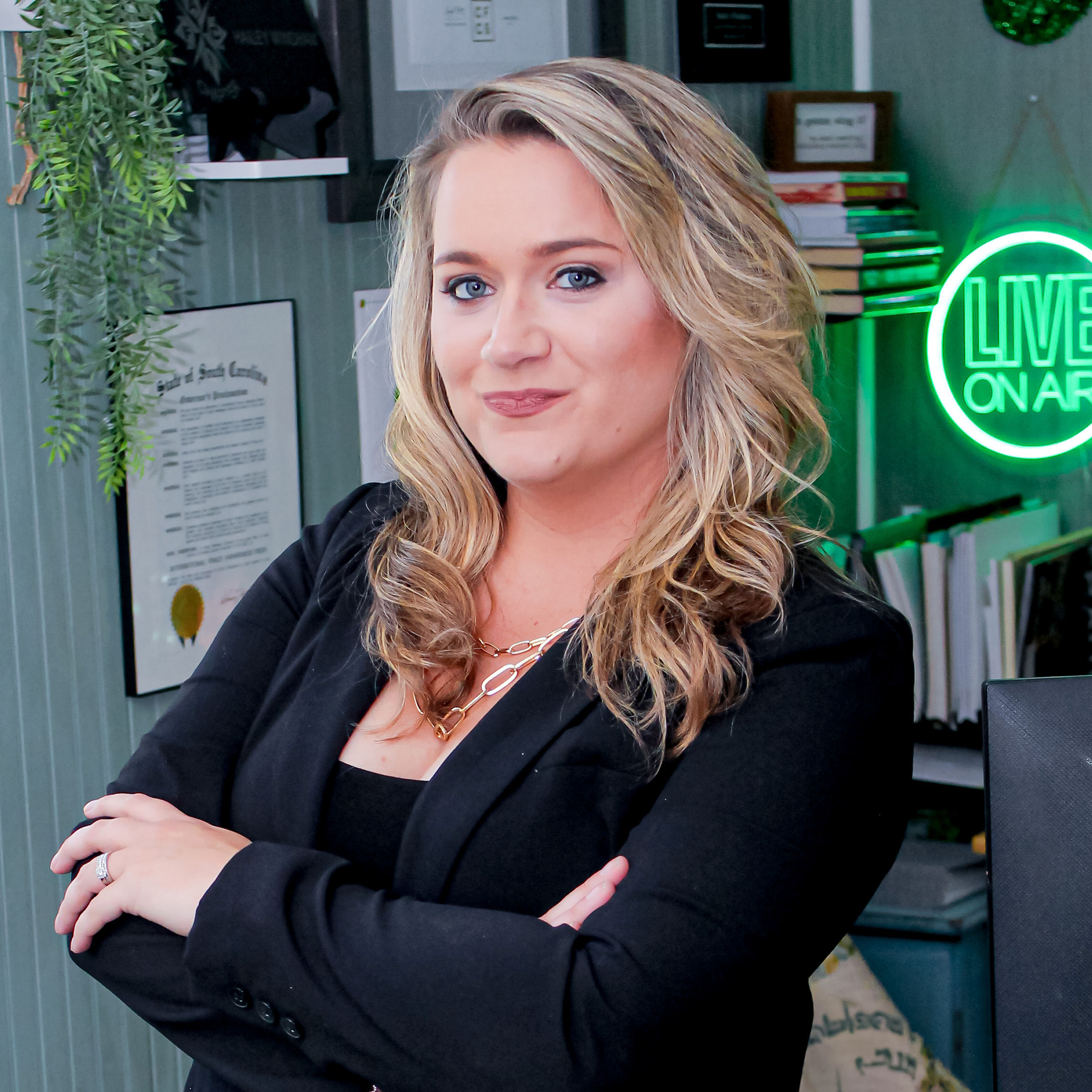
A blonde woman in a black blazer smiles slightly against a purple background.
Hailey Windham
00:10
What's up, fraud fighters? Welcome back to Fraud Forward. Before I was sitting in strategy, fraud strategy conversations, before I was talking about controls, governance, and layered defenses, before the podcast, I was on the teller line. Community banking, face-to-face with members, handling transactions, balancing speed, service, and that gut feeling when something just doesn't sit right. My path was Teller, obviously, then moved into deposit operations to disputes and ultimately fraud risk management. And I'll tell you right now, I truly believe that starting on the Teller line, having that real hands-on understanding of how money moves, how members behave, and how things actually get processed is the reason I've been successful as a fraud fighter. Because everything we talk about at a strategic level starts right there. I know what you might be thinking. Haley, you've been talking about innovation, AI agents. Why the shift? Why are we talking about tellers right now? Well, because while all of that is happening, the problem is still growing. You know, the Federal Bureau of Investigation just released their latest IC3 report, the Internet Crime Complaints Center report, and the numbers were, you know, huge. So over 1 million complaints. more than 20 billion in reported losses. Like that's huge. It grew at scale. We are moving faster. We are building smarter systems. We are investing in better technology and fraud is still scaling right alongside it. So here's what I'm seeing across the industry, right? While we are doing all of these things, We're still, again, the investing in the tools, the building the models, the talking about AI and real-time monitoring and faster payments. But at that same time, I truly think that we're underestimating one of the most powerful controls that we have, and it's the frontline. And more specifically, tellers, call center reps.
A blonde woman in a black blazer smiles slightly against a purple background.
Hailey Windham
02:22
Because fraud isn't just showing up in the data anymore, it's showing up in behavior, in hesitation, in someone looking over the shoulder before answering a question, in a member who suddenly isn't acting like themselves. And no system, no matter how advanced currently, can fully see that right now. But a teller can. So I remember being in a company-wide training once, and someone said during it, like, I'm just a teller, what does it matter? I like, I remember like the fury that kind of rose up inside me. I'm pretty sure I had a fever at that moment. I had to pause like, you know, count to two at least and breathe through before I responded because it was like full stop. No, you are not just a teller. You're the first line of defense. Pause to mute my phone.
A blonde woman in a black blazer smiles slightly against a purple background.
Hailey Windham
03:35
You are the first line of defense. You are the bridge between what we see in data and what's actually happening in real life. Our members aren't just coming into the branch to run a transaction. They're coming in for you, for that interaction, for that trust, for that moment where someone might notice that something's off, which granted, that's probably like that subconscious thing. Maybe they'll notice something. But you know... The way that I presented it back then, whenever I was a practitioner and I was in the credit union, it was truly that we have mobile banking. We have remote deposit. We have where you can call and check your balances online. We have where you can submit for a loan application online. Why is the member coming into the branch? They want that personal experience with you. So why would we not use that as a power for good, for... one of our tools in fighting fraud. You I can look at transactions all day long, but what I can't see in the transaction log or the transaction alert monitoring system is behavior. And that's where the fraud lives. So I have a story that I like to tell. Let me grab it.
A blonde woman in a black blazer smiles slightly against a purple background.
Hailey Windham
06:08
Okay, so this is a scenario I would use whenever I was a broad practitioner and I wanted to explain how this could look. So I give a scenario and if you are not a 90s baby and you don't know Boy Meets World, you won't understand these characters, but you should at least understand the concept. So I would say, I'm a floating teller and I was working at branch three on August 2nd. Our member, Mr. Feeney came into the branch and requested a withdrawal of $2,000. He told me he was helping a young man that he has known for a while get back on his feet. I didn't think anything of it, as Mr. Feeney seemed very happy conducting that transaction. Two days later, I was working in Branch 2 when Mr. Feeney walked in with a younger man we've now identified as Eric Matthews. Mr. Feeney was not acting like his normal self. You know, usually Mr. Feeney is very friendly to anyone he sees, always offering words of wisdom and kind gestures. Today, he seemed almost fearful. He wouldn't make eye contact with me and barely spoke. He requested to make a withdrawal from his account. And when I asked for the amount, Eric interjected and said $3,000. Mr. Feeney then looked at me and nodded his head, indicating that he agreed. I asked him if he was sure that he wanted to make this transaction. And he said, yes, I do. I asked what the purpose for the transaction was. And when Mr. Feeney went to answer, Eric interrupted again and said, it's his money, give it to him. I felt odd about completing the transaction, but the lobby was full with lunch traffic and my manager was out of the office for lunch. So I informed the member that we could not complete the transaction until my manager approved it. The young man began cursing and escorted Mr. Feeney outside. I'm worried Mr. Feeney might be in a dangerous situation. So I put a note on the member's account to use caution for cash withdrawals and possible elder abuse. Without a notification from my frontline, How am I supposed to help Mr. Feeney as the fraud practitioner? We have to communicate the value that our team members provide. You aren't just a cog in a wheel, you you are so much more than that. And so I just remember the way that I would explain it as is of course, you you as the frontline, we wouldn't have even seen that the transaction didn't go through, right? You didn't submit the transaction.
A blonde woman in a black blazer smiles slightly against a purple background.
Hailey Windham
08:33
We wouldn't have known if there was not any notification. And for us in the background, when we get transaction monitoring alerts, maybe the $3,000 would have set off and just said, hey, this is kind of out of the norm. Well, what if it was May? We know that he's a retired teacher. What if these were graduation gifts that he was giving? So it's not always our job to say, well, we think it's fraud because it's out of the norm. No, we do want to try to rationalize these, but it's that interaction that the teller had that would make all the difference. And so that's exactly why I wanted to have this conversation. And while I was at Fraud Fight Club, I asked fraud leaders one simple question, actually two. What is a teller? And what do you say to someone who calls themselves just a teller? Here's what they had to say.
A blonde woman in a black blazer smiles slightly against a purple background.
Hailey Windham
09:40
All right, fraud fighters, if you've heard one theme across all of this, it's this. There's no such thing as just a teller. What we heard over and over again were tellers are the front line, the first line of defense, the last line before money leaves, the human layer that fraud cannot automate around. They are catching things that systems miss. They are protecting members in real time. They are preventing losses before they ever hit a report. But here's the hard truth. If they don't understand their value, if we don't train them, if we don't empower them, we are leaving one of our strongest defenses underutilized. And in today's environment, we can't afford to do that. So here's what I'll leave you with. If you're a fraud leader, go talk to your frontline. If you're building strategy, build with them, not around them. And if you've ever called yourself just a teller, I hope that this episode changed that. because this is where a lot of fraud fighters are built, right there on the Teller line. If this episode hits home, share it with someone on your frontline team or someone who just started there. And if you haven't already, make sure you're subscribed to Fraud Forward so you don't miss what's coming next because fraud is evolving and so are we. Stay vigilant, stay informed, keep moving fraud forward.