A few days later, the check came back as fictitious. The check was fake. So now the job isn't real. The check isn't real. But the money that Jaime spent, that is real. And Jaime is left with a negative balance in her account. Jaime's total loss, $9,500.
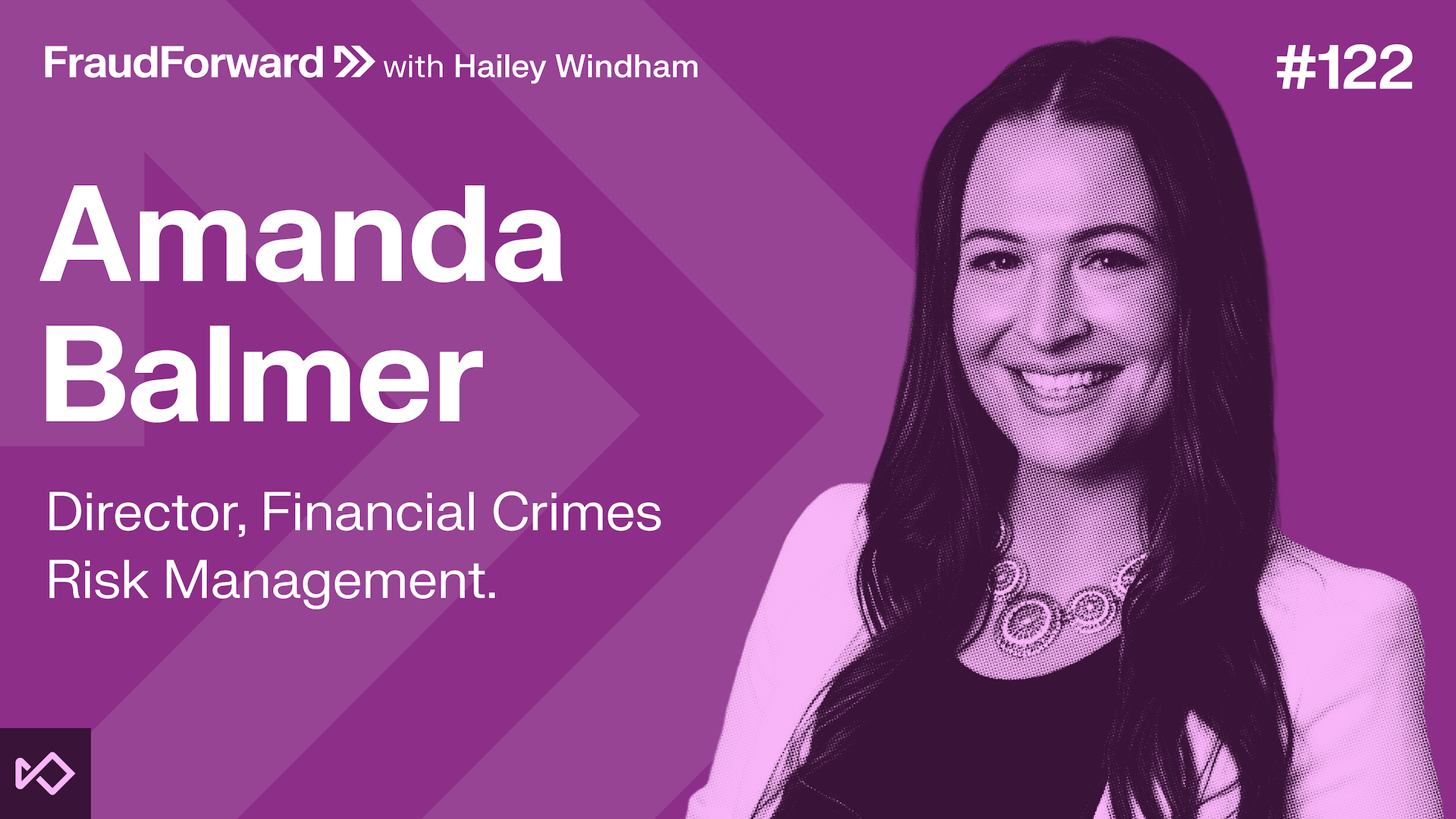
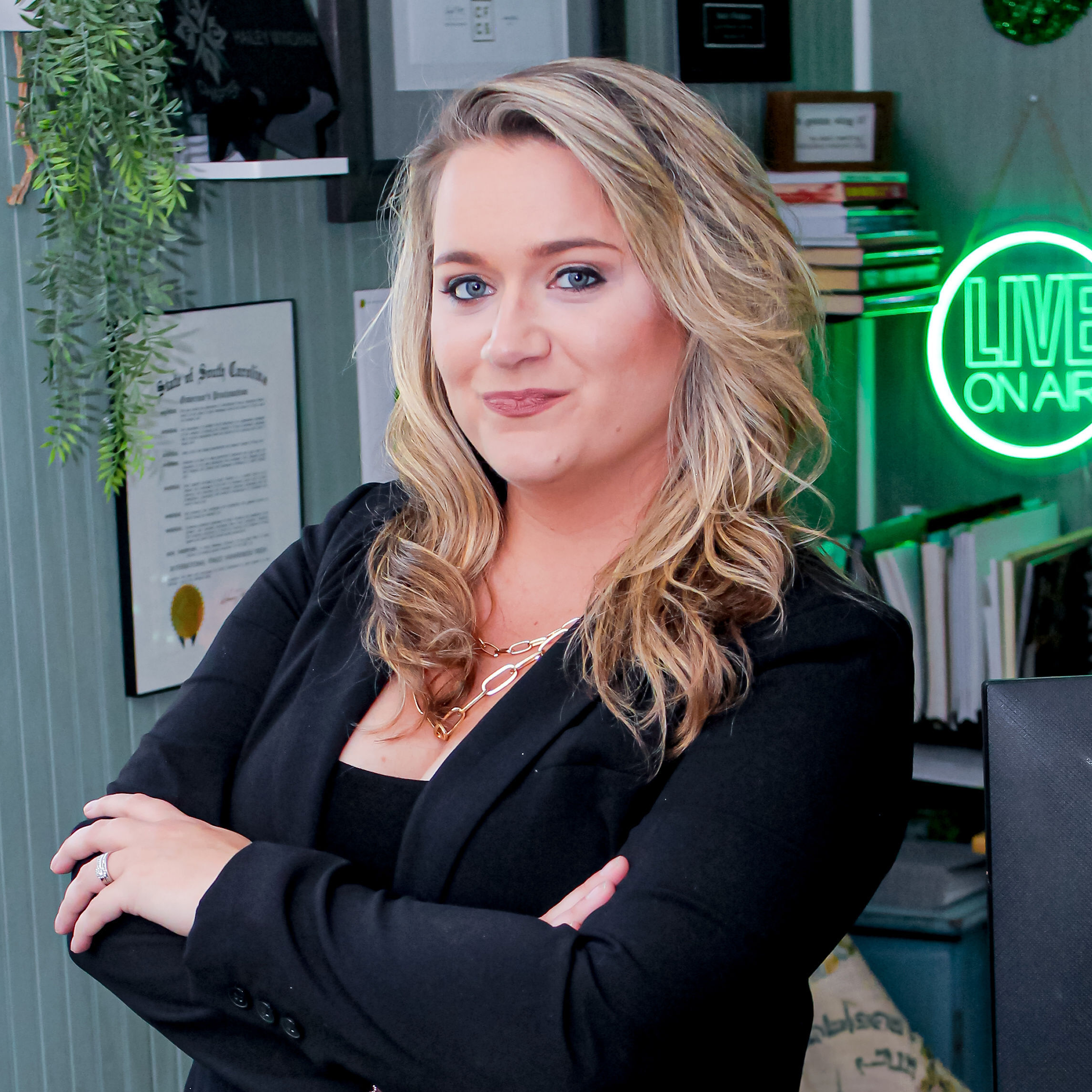
What you just heard was not an actor or a hypothetical scenario. That was a real PSECU team member describing how what appeared to be a legitimate job opportunity became a scam for one of their members. Today we're talking about why PSECU decided to tell real stories like this one. What these stories teach us that another list of red flags cannot and whether storytelling can actually change member behavior. What is up fraud fighters and welcome back to Fraud Forward. Amanda Balmer has joined me for conversations at conferences before, but today she finally gets an episode all her own. Amanda is the director of financial crimes at PSECU, and I wanted to sit down with her, not only to explore her journey into fraud, but also to talk about one of the most compelling fraud education efforts I have seen from a financial institution. So, PSECU's fraud file series gives real member stories the opportunity to be heard. They share these experiences from fraud and scams. These stories help us understand more than what happened. They help us understand why the situation felt believable while it was happening.
Amanda, welcome back to Fraud Forward. I'm so glad you're here.
Thank you. I am so excited to be here to talk about something I'm so passionate about. And before we get started, I just have to say this. I just want to say that the opinions that I express on today's podcast are my own and do not necessarily represent the visa at PSECU. I will not discuss confidential or proprietary information related to my role at PSECU. So, let's get started.
Yeah, I love that. And I should probably put that disclaimer on anything and everything or like make it a bumper sticker, you know, whenever we go out to conferences, pass it out with a little card. By the way, everything I'm saying is my own opinion.
Yep. I should have it memorized by now, but I still have to read it off.
Kind of like our Miranda rights, you know, do you have the right to
I love it. I love it. So, Amanda, you know, before we talk about the work that's happening at PSECU, which is so commendable, I want listeners to understand the person helping lead it, one of my favorite people in this industry. So, you know, what did you originally believe your career would look like and how did you find your way into financial crime?
So, I really had no clue what I was going to do. I majored in criminal justice at Penn State and I minored in women's studies. And I always knew that I wanted to do something criminal justice related. I just didn't know what. I liked the idea of helping people. And then I graduated. I jumped around. I was a social worker for a little bit. Did private investigations and I landed a job as an intelligence analyst. That kind of gave me the basis for what I feel like I'm doing today. It gave me the basis for being able to dig, understand the risks, understand the impact. And then a job at PSECU opened up. I started as an investigator and I've grown from there. I was really excited. My manager took a chance on me and I have loved the field of financial fraud ever since.
I love that and love that I kind of got an inside look at what that journey was like uh the other day when we were both in uh Hershey, Pennsylvania for the ACFE chapter conference. That was amazing. Um but so you began your career as an intelligence analyst. What skills from that work do you think still shape the way you investigate and and think about fraud today?
That job really taught me how to dig. It formulated my curiosity. It helped also refine how I digged. It gave me this, I don't know, healthy persistence, I guess you would say. Figuring out how to dig deep, but also when to stop and not go down these rabbit holes. It really shaped my curiosity. It helped me learn the benefit of different types of information. How to all piece it together and give like that full perspective. For example, there's different types of information. There's open source, there's source information, and sometimes both are needed to get that full risk understanding. It allowed me to really have that open mind, and it made sure that I kind of dig in to find that full picture and don't just make a quick decision.
I love that. I do have a tendency to make a quick decision. Um I think it's just because I'm like, "Oh god, I got to stop the fraud. I can't let this happen." Um but, and I I was humbled several times in my career where it was take a step back Hailey. Uh you know we've got to think about the whole membership. We can't just think about this one member. You know if we stop all fraud that happens through this one channel this one particular way. There's also a lot of very good legitimate transactions that you're going to stop and you're going to cause a lot of inconvenience to members that they don't need it. So I fully understand the the reaction the reaction time being um immediate when it shouldn't be. Um and now knowing the importance of taking that time to understand the full context. So, I love that you mentioned that and that that's one of those things that that you were able to bring on from the get. Um, I think it's super important and also al also one that, you know, I kind of see in your your leadership where you're also taking that time to show your team like, hey, this was a really good thought, but let's consider this. And and I think that the way that I've seen you interact with your team is super empowering to them. Um and really helps set what you at PSECU are doing. Uh it sets you apart from from all the others.
Thank you. That means so much to me because at the end of the day, it's not just a one person job. I can't do it all alone. There are so many benefits from what one person brings to the table um versus what another person brings to the table. And it's so great to hear from an outsider's perspective that our team is, you know, has that healthy dose of skepticism that's really digging in, that's feeling comfortable being challenged. And I love that you were able to talk with my team at the local conference and really even just see that perspective. So, thank you for sharing that.
Of course, shout out to Lucy, our number one fan of Fraud Forward.
Yes, she is. She loves Fraud Forward and she was so excited that you spoke at our conference. Which by the way, I do have to say, you did a phenomenal job and I loved it and I took so many notes from your presentation. So, thank you for doing that again.
Of course, I was happy to do it. Okay, so we're going to move on. Still talking about, of course, your time at PSECU and and what you've you've built and and how your team has grown. So your career, like we said, eventually led you and brought you into the credit union space where fraud prevention includes more than just monitoring transactions and investigating alerts. It also includes helping members recognize the manipulation behind the scams. And you know, we're all about members first at at credit unions. Um, so I'd love for you to tell us a little bit more about your role at PSECU and and your team's role like you know for financial crimes like what are you guys responsible for today?
Yes. So there's so much that goes on with my team. I could go on for days about what my team does, but at the end of the day we just have such a great team of great people. In summary, we're responsible for figuring out how to protect our members money, preventing both the losses for PSECU and for our members. And we have a team of analysts, investigators, strategists, and we're collaborating internally with our teams, but we're also working across the credit union to review and investigate those red flags. It could be concerns that members are being scammed out of their hard-earned money or that individuals are coming to PSECU to attempt to defraud us. At the end of the day, our team's mission is really to further PSECU's mission overall. Which is providing that lifelong value to our members, our communities, and our employees. And we and the fraud team have such an important piece of the puzzle doing that.
So true. What um fraud or scam trends are having the greatest impact on on well, I'll just say the industry because I don't think it's just specific to your organization. I think it's everywhere. So, so we'll be broad in that question of, you know, what what do you think fraud and scam trends are having the greatest impact?
Definitely. Um, by far I would say impostor scams. There's just this wide range of types of these scams and the impact and the victims. The stories these scammers are coming up with are getting more and more detailed. And importantly as well more and more specific. So, yes, we're still seeing calls from fraudsters claiming to be with their financial institution and their fraud departments. And then tricking members into giving the code that actually authorizes digital banking activity or purchases. But some of these are just going into so much more depth. Um, we've seen fraudsters pretending to be with the financial institution's internal investigations team conducting an internal investigation on a teller. Asking them to go into the branch and withdraw money and move it to another financial institution. These scammers are taking the time to not only research their victim, but also taking the time to gain the trust from those victims. Spending time developing those detailed backstories so that they can get to the point where they have the victim believing that they can trust them more than they can trust their financial institution. Um they want that victim to lie to their financial institution because they know that we will be asking those questions to try to prevent that loss. Um, but these scammers are just becoming more and more focused, investing more time with their victims, and these impostor scams are just impacting people a lot more than we've seen before.
Yeah, I I heard one uh recently at another uh conference where it was the exact same scenario. They had um called the member and said that they were um investigating a a teller that they thought was stealing and they wanted them to go in and withdraw like 20 $30,000 in cash and then they instructed them to put it in a car in the parking lot of the financial institution. And that person did not knowing that they were withdrawing their own funds and putting it in the car of a stranger. But it was uh that was one that it's like clearly they're doing they're the stories are so good coming from these fraudsters that they're making it impossible to believe the credit unions the banks because if you're going in for a suspicious teller why are you going to tell that teller I was told I'm I'm doing this because you're stealing money. They're not going to do that. And it's such a big manipulation tactic and it's working.
Yes. And they know the controls that we have as financial institutions. They know we're going to ask that member, hey, what are you doing with this cash? They're training them ahead of time in order to answer those questions to circumvent those controls. So just the time and effort that they're taking into these impostor scams are it's just it's out of control. It's crazy.
Yeah. So crazy. So then that brings us to one of the main reasons I wanted to bring you on the podcast today is to talk about that member education. You know, where does that fit into PSECU's overall fraud strategy? Do you consider it an awareness effort, a fraud control, or or both?
Simple answer to that, both. Um, we always say at PSECU that what we do as a fraud team, what we do as a credit union, it's only one part of that puzzle piece to ensuring that account security. Our members truly are an important piece to ensuring that their account stays secure and that they don't lose money to fraud. So, we have all of these controls that we build and we can have all the controls that we want, but if our members are unknowingly circumventing those controls, then our controls are weakened. So for example, the fraudster tries to log into digital banking. They get a reauthentication code request. They con our member into giving them that reauthentication code. Even though we say do not provide this code over the phone, they are circumventing that control. So if we educate, we raise awareness about scams, what to look out for, what might happen, then when a fraudster approaches them, they're more prepared. So if they have that awareness then our control becomes more strength or it becomes more strong at that at the end of the day. Our control can work to its fullest extent as long as our members are part of that puzzle.
I love that. That is one of those mic drop moments that I have to write down that we you know might put on a t-shirt or something. Um but it's so true. Making sure that that we can make these controls stronger. And if one of the ways that we can do it is by, you know, face-to-face conversation or a YouTube video of the fraud files, which I think is just honestly genius. It's it's a simple idea that can make a massive impact and I love that your organization has supported it. So, I'd love to dive into like the the origin of the fraud files. Many financial institutions, they educate members with fraud alerts, a list of warning signs, maybe a newsletter. Um, PSECU took a little more of a personal approach by, you know, telling these stories that have affected your your members. So, where did the idea for fraud files originate and what did you hope these member stories could accomplish?
So, I have to give full credit to our marketing team. So, we used to have a newsletter called the fraud files. We sent it out. It had articles on scams, what to look out for, but we really studied how much engagement were we getting from it. Is it making an impact? Um, and then we really looked at the mediums that were being digested by our members a lot more. And we identified that those videos and the storytelling really drew people in. So, we know that the fraud is evolving. They're changing up their tactics. So we identified that the member education also needs to evolve with it. Um we have for years given a list of things to do, things to not do. Um these warnings, but a lot of people really kind of have that mindset. It can't happen to me. So we share industry or we share information across the industry on what fraud trends are hitting financial institutions, but we need to share that same detail with our members so that they are most prepared. If we water down those warnings by don't give out a code, don't do this, always do this. It kind of takes away that human aspect of where those members are falling for these scams or where these members are being victimized by these scams. So, we actually had a senior fraud forum a few years ago. Where we highlighted an interview with one of our members who almost lost $100,000. Luckily, we were able to intercept the package that she sent with the money so we could recover that money. She didn't take a loss. And what we saw is people really related to it. We realized how impactful those real member stories can actually be and how necessary that is. It's you're sharing the story. It happened to someone. You're reducing the stigma. These people don't fall for fraud. They were targeted. And telling the stories in the way that we're telling them, we're hoping that it has a real impact on our members or the people that see them that understand, hey, you need to be looking out for these warning signs. Because just because I know that fraud is out there isn't going to protect me. These frauds are designed to catch people off guard. So, we want to make sure that people have an awareness.
So, true. And you know another thing that I feel is important that we touch on here is that like you mentioned these stories involve loss you know trust loss of money and a lot of times shame. You know people we know now in fraud that you know only a very small percentage actually report fraud that's happened because of that shame or that fear of judgment. How do you protect the members privacy and and dignity while still telling the story honestly?
Yeah. So, we anonymize the information. While fraud prevention is key, our members privacy is always at the forefront. So, we won't use our real members name and exact dollar amount, but the facts are close enough to the real situation to truly get that point across. If there's something that we see that we identify, hey, another member could benefit from hearing how this happened, what the backstory was before this individual sent, you know, $1,000 for this job scam. We think that that's beneficial. Um without really ruining the trust that we have in members by sharing that story. So, we just want to make sure that we keep it anonymous.
So, was there a moment um you know of hesitation internally? I know you mentioned that your your marketing team really kind of helped spearhead this, which I think is phenomenal. I think one of the biggest hurdles that fraud practitioners have is connecting with their marketing to make sure that hey, if we share this, we're not associating our brand with fraud. We're just saying, hey, this is something that happens. Is happening all over. And here's something we did to you know help protect or or mitigate or prevent something. So again, you know, was there any hesitation internally about featuring you know real member stories although you know you were going to anonymize it. And how did you build support for the series or was it just automatically given?
We wanted to make sure that we approached it in the correct way. Um, I think that everyone was on board. Because everyone knows that we can't just sit back and act like fraud doesn't happen, that fraud doesn't impact our members, that we're immune from that. Join PSECU and, you know, you won't have fraud. That that's not that's not realistic. That's not true. The bigger risk is not sharing the fraud prevention stories. So, I think that everyone really was on board. But at the end of the day, when preparing this series, we never wanted anyone to hear a story, realize that this was their story, and feel the shame. While we won't use a real member's name, there's a very good possibility that someone's listening to a story we're telling and thinking, "Same thing just happened to me." And so, just like that, we need to make sure that when we're doing this, we are approaching this awareness series with empathy. It's really easy to look back on a situation, especially in the if you're in the financial field, you can look back on the situation and be like, I can't believe they fell for that. But when you're in this situation, you're busy taking care of kids. You're behind on bills. You're feeling like you have to get something done by 10:00 and you get this text message by 9:00. Oh my gosh, I have this other thing that I have to do. We're really trying to make sure that people understand the full environment that these situations happen in and how they can happen, how these fraudsters are catching people off guard. And we really want to make sure that when we're doing this, we're taking the shame out of the story that we're telling. We're telling how it happened. We're understanding how it happened. And we're making sure that you are prepared if you are in that same situation that you can recognize that warning sign and not hit respond on something that you might get uh notified of. Hey, I have this toll that I need to pay.
Yeah. Yeah. I I love how empathetic, practical, and relatable you guys approach this series. Uh truly, even as someone who is in the fraud space, I I watch fraud education all the time. I was hooked from the get. Also, a lot of it had to do with some of the lighting and how the video looks. I was intrigued. I mean, it's a great production. So, truly shout out to your marketing team. They did a phenomenal job. Um,
Shout out to Martin right now. He is amazing.
So great. But I'll tell you, at one point that one of the first videos because of that one pink light that comes down, I was like, did Amanda dye her hair pink? Does she have like a pink strand? I was like, what is this for?
So many questions about that and they're like, did you really dye your hair pink? It is so out of what would be expected from me and I'm like, "No, no, I did not. It's just the lighting."
Yeah. Yeah. I noticed it was the lighting when I finally like took some time to look at it and also I saw you in person. I was like, "Okay, so she didn't do it." Um, but I love it. Like I I think the quality is good and it shows how serious your marketing team takes these stories and these series, which I think also shows the the your members, shows even people, me, you know, an external person who's like they really take this serious. They take pride in what they're trying to tell of the story and you know I'm all about how important a story is. So very big shout out to you guys.
Thank you. I appreciate that a lot.
[Fraud Fighters. If you're anything like me, your list of things to read keeps growing. Your time to read them though probably not so much. That's why I write the Monday fraud fix. It's the newsletter companion to Fraud Forward. So, every Monday I'm sharing fraud trends that made me pause, what I'm reading, conversations happening in our community, and the fraud fighters that I think you should know. I also bring my take. You know, what it means for the people doing this work, and the questions we need to be asking. Every now and again, I might leave you a little Scooby snack to start your week. You know, I just can't help myself. You can find the Monday fraud fix on Substack or tap the link in the episode show notes and subscribe. I'll see you in your inbox, fraud fighters.]
So, I want to return to the job scam story we heard at the beginning of the episode. Job scams are effective because they begin with something people genuinely want or need. They begin with, you know, hope and opportunity and the promise of financial stability. The request for money may not come until after the fraudster has created a convincing process and earned the victim's trust. Before we unpack the story, I want to offer to the fraud forward listeners just a little bit more from that fraud file.
A job scam doesn't always look like a scam at first. Sometimes it looks like a remote job or a flexible side gig, a chance to catch up after losing work. This is a real member story. This is the fraud files. All right, here we go. This case involves Jamie. Jaime was a long-term member who had recently lost a job they've had for years. They were trying to keep up with bills, manage debt, and figure out what came next. This is a really vulnerable place for Jaime to be in. She needs money. She needs it quick. And scammers really just do love that. Jaime connected with someone online through social media and a messaging app. After talking to them for a few weeks, the person presented what sounded like a money-making opportunity, a way to help Jaime bring in extra money and get caught up financially. Really, who wouldn't want that? These people don't start by saying, "Hey, give me money." They build the trust. They're talking to Jamie for a few weeks and then they tell her that they have a great opportunity. She can trust them. She knows them. That's the trap. They don't always start with, "Hey, give me money." They were telling Jaime that they could help them make money with this really easy job. Eventually, Jaime received a check for nearly $10,000. The check was overnighted, made payable to Jaime, and appeared to come from a business account. In this case, Jaime got a physical check. It's a real check, real money, a real business. These scammers can really make these checks look legitimate. They're good at what they do. Jaime was instructed to deposit the check using mobile deposit and coordinate shipping equipment with the logistics company her employer uses. So, they did. Once the money appeared available, Jaime sent the money to the company, then use the rest of the money to pay bills and make household purchases. And that's the trap here. In this situation, the scammer told her to deposit the money into her own account. Used that money for the business purposes and then the rest of the money was basically her salary. So, she's using her own account to deposit the check and she's mixing her business activity with her personal activity. A few days later, the check came back as fictitious. The check was fake. So, now the job isn't real. The check isn't real. But the money that Jaime spent, that is real. And Jaime is left with a negative balance in her account. During the review, Jaime also shared that they'd given their banking credentials to that person. That's a huge red flag. No employer should ever need your username, your password, your access codes, nothing. They shouldn't need it for onboarding. They shouldn't need it for verification. That is your information and you need to keep that secure. Account activity also showed online banking login from outside of Jaime's area. Jaime contacted PSECU and explained that they believed they had been caught in a scam. Our security team helped secure her account. Jaime's total loss, $9,500. Here's what you need to remember. A real job pays you to work. It doesn't ask you to deposit a large check before you've done anything. It doesn't ask you to use your personal account to move money. It doesn't ask you to send money to another person. And it never asks you for your online banking credentials. Here's what to watch for. A job offer or a side gig that comes through social media or a messaging app. A remote position that sounds easy, flexible, and too good to question. Getting paid before you've done any work. You're told to deposit money and send some of it somewhere else. The employer asks for your online banking credentials. You feel rushed to deposit the check or move the money. Take a pause before accepting that job offer. Look up the company using an official website, not just the link they sent you. Search the company name with the words like scam, complaint, or reviews. Talk to someone you trust. If something feels off, contact PSECU before moving your money. In a job scam, the scammer isn't really offering you work. They're trying to make you work for them. For more fraud prevention tips, visit psecu.com/fraud.
Okay. Looking back, we can identify the the warning signs. What this story captures is how believable the opportunity felt while the member was living through it. So, Amanda, what stood out to you when you first heard this this member story?
I think it was the vulnerabilities of Jamie who was the victim in the story. She was down on her luck. She needed to get a job. She was really focused on getting that job. And the fraudsters took the time to realize that that was the place that they could kind of weasel their way in. Um that fraudster took the time to develop the trust. And I think that that's the part that a lot of people don't understand with job scams or any type of scams that these fraudsters are taking the time to become your friend. You feel like you can trust them. In this situation, Jamie felt like she could trust this new connection. They weren't asking her for money. They were trying to help her. Um, and I think that that's the key here that we need everyone, a lot of listeners from the fraud files to know. That these scams might not appear to say, "Hey, give us money and I can help you by you giving us money." It's making it seem like there's really no money exchanging hands with this new connection. It's it's this job that you're getting. And that's I think the part that really stood out to me.
Yeah, it's like this opportunity for her was made to feel it really credible. Um, and that the scammers are exploiting this emotional kind of instability whenever we are facing joblessness. Um, you know, we have to worry about feeding our families. We have to, you know, if we've been looking for jobs for a while, you know, when a good opportunity comes, we're so I don't want to use the word desperate, but we're anxious and and really needing it that it's like, okay, I'll do whatever it takes in order to get this job. And so, like you said, they're they they weasled their way into exploiting them, you know, emotionally, even with something that, you know, it just seems so credible that they were able to do that. And I I hate that. I hate that it works, but it it does. We're seeing it.
Oh, yeah. They're just capitalizing on people's weaknesses. They're developing that friendship. They're developing that relationship, that trust. And you know, in this story specifically, Jamie felt like she was doing something on the right path. She's trying to get a job. And why would this be something that she would have to look out for red flags for? So, I think that that's the craziest part with this is that the scammer is coming in pretending to be that angel that's helping her find this job that she needs and then boom. Um, they take her for all that they can.
Yeah. Uh, it's really unfortunate. Um the what I'd like to ask you um you know just on the fraud practitioner side is uh what could a financial institution or even a frontline employee um see when a member believes they are dealing with a legitimate employer?
That's such a good question and I truly believe our frontline team members are so important in these situations. In the words of the Hailey Windham, you're never just a teller. Um I it's it's really one of those things that the frontline employees have that direct relationship with the member. Um these calls that we're getting from the members or when their members are stopping to the branch, they might not be as direct as saying, "Hey, I feel a little funky about this situation and I have questions about what I'm doing." They might come up and get all excited because they just got a new job. They might tell the team member, "Hey, I just got this new job and I'm depositing this check." They might ask, "Hey, how soon can I withdraw the funds from this check?" If our team members are equipped with knowing the red flags of fraud and the different types of scams, they can then inject that fraud prevention practice into our white glove member service. They take the time to actually connect with our members, which also allows them to identify those red flags. It's one of those things. Fraud prevention doesn't always have to be that warning sign that, hey, I'm going to ask you fraud prevention questions. Let's go ahead and let's check off these boxes. Fraud prevention is in everything that our teams are doing, in every conversation, in every transaction. In that situation, congratulations on your new job. What are you doing? Uh how how'd you hear about this job? That's awesome. So excited for you. As you're typing away, you know, getting into their account, it's just that conversation. So really understanding our members, understanding their goals, their dreams, their hopes, and their current situation, it allows us to really identify something that doesn't sound right as long as we are educated in what can actually be out there in terms of scams and fraud.
Yeah. Um, what would you want every job seeker to understand before depositing a check, purchasing equipment, or sending money connected to a new job? And before you answer, I'm going to give you another scenario. Um, so back once upon a time, I thought I wanted to sell Mary Kay because I wanted to get the pink Cadillac. Um, and I was working in fraud, too. Uh, this is when I was at the community bank. And I'll never forget I um you know had set up my little Mary Kay website and I got someone um had requested or I was talking to another Mary Kay person and she had sent an email or a request and she was like, "Hey, what do I do? Like I this person wanted to purchase from me and they sent me a check, but the check is too much. Um and they want me to send them back just a cashier's check with the leftover. Like they sent $3,000 for $500 worth of product." And so for that person, that $500 was $250 in profits that they were going to get. And that was something that they needed. And so to their mind, if they just deposited the check and get them back the others, they're going to quickly get their 250. But we had to hurry up and intervene and say, "No, no, no. If you deposit that check, if it comes back, you're responsible for all of it." And so, you know, it's I I just want to kind of go back to it was one of those times where it was like they really needed that $250, but in the long run it was going to cost them so much. So, what what do you want every job seeker to understand before depositing a check or purchasing equipment or sending money?
That story feeds right into my perspective on this. I feel like in that situation, she had such a healthy amount of skepticism. She knew it was not a bad thing to question. I want everyone to understand, hey, questioning something is not bad. Just just take a look at it, you know, come in and have that healthy amount of skepticism. But the other key piece there was she had that knowledgeable resource that she could run something by. And I think that's always such a big piece of the puzzle. She could come to you and say, "Hey, uh, do you have any information on this? Like this sounds a little funky, but is is it actually okay? You were able to be there and say, "No, no, no. This is what could actually happen from that." I think if people know, hey, I can call my credit union. I can call a friend that is um a fraud professional or I can actually ask a question to get an outside perspective. I think that's key there because then they're not just alone in it. They have that resource and they are okay with questioning. They don't think that questioning is, you know, admitting defeat or shame because they might be caught up in a scam. They're able to identify those warning signs. Reach out to that trusted person and ask that question.
I love that. You know, a list of red flags tells someone what to look for. A real story shows them what the scam feels like while it's happening. And that emotional recognition could be like the real power of the fraud files. Showing them. You know, my my grandparents say all the time, "Well, not everybody has a Hailey they can call." And I'm like, "You're right. Don't give my number out to all your friends, please." Because they will. They do that. They're like, "Hey, can you call this person?" I'm like, "I will call them. Please don't give them my number. I will call them." Because, you know, they call right in the middle of something and then I look like the jerk for not answering or hanging up quickly and not listening. So, I'm like, "I will call them, Nana." But imagine, you know, that this that's what's happening with these stories is that they go, I remember I watched them. They said that they wouldn't mind talking to me. I heard it in her voice that she actually cared. Could that be the power that that's what's happening with these fraud files?
Yeah. And I feel like especially as credit unions, we have that responsibility. Our members are not just a number to us. They are a person. We care about them. We care about their money. We care about what happens when, you know, they lose money or we care about what happens when they gain money. And I think as a credit union, making sure that our members know that they can call us and ask that question. That we're not going to be annoyed, that we're not going to kind of just try to pass them along very quickly. That we're actually there to help them. I think that that's huge. And I think that we as credit unions and we as fraud teams need to make sure our members know that we want to hear from them. We want to answer their questions and we'd rather prevent the fraud because they're asking a question than having to talk to them and figure out what to do if they've already lost the money.
Yeah. So true. So I guess the larger question about these compelling videos is whether they are changing what members recognize and how quickly they are now willing to ask for help. So what response have you received from your members since beginning the the fraud file series?
Yeah. So I think one of the things that I've noticed just personally is that I have friends, I have relatives, even colleagues are more open to talking about how they or their loved ones found themselves in a fraud situation. You hear about how people from every age, all walks of life find themselves in the middle of a scam and what they do next. You might hear a story a little bit more often now that hey, somebody did lose money and they had to do XYZ afterwards. Or you might hear somebody so excited that they identified a red flag of fraud and they were able to say, "Nope, I'm not responding to that text message." Even if they would have done it before. So, I think it's just the biggest impact that I've seen myself is that it's getting people talking again. And that's what we need. We need people to know that they don't need to feel shame if they thought something looked a little bit legitimate at first. Um, we need people to understand that these fraudsters are good at what they do. They're studying deception and people are talking and then kind of going back to our previous conversation. Then they the people that are talking about it become part of that puzzle. Helping to bring awareness to fraud and becoming part of somebody else's story. And they are now helping out and kind of even just becoming the fraud control themselves.
I love that. God, so empowering. Becoming the fraud control themselves, right? Oh, I love that. Um, you know, fraud prevention is is difficult to measure because the best outcome is often something that never happens, right? And I think that what we're seeing or what you're seeing in this is that maybe things are changing. So has hearing these stories changed anything even internally like including how employees are are trained or how the fraud team approaches members now?
So I think one of the biggest things is that we're expanding our regular internal training to keep up with these trends. So our employees are even learning how these fraudsters are kind of getting their grips in their victims. Um they're hearing about the different tactics that are changing. They're using that information to make our teams aware of what the different tactics are so that we can quickly and appropriately respond. So, one of the things that I think these stories have also helped with is making sure that we have empathy for our members that find themselves into these situations. We do so much training and our employees are hearing about fraud this, fraud that, how to identify those red flags. That I think they sometimes forget that not everyone gets the benefit of having that fraud education on a daily basis like they have. So I think that sometimes there is an ability to lose that empathy. And I think by doing these fraud files, you're hearing about the background of these stories. You're hearing about what happens before they actually make that transaction to lose their money. And then I think it's helping our employees have a little bit more sympathy, a little bit more patience for the members that are falling for these scams. And I think they're also celebrating a lot more when we're able to stop these scams. So I think it's had a an impact on our internal employees just as much as it has had an impact on our uh members.
I love that. What What do you think has been the most like meaningful uh response you've received from a member or an employee about these?
So, I had um one of my co-workers who um came up to me and told me that her mom identified the warning signs of a scam and was able to stop and prevent a loss. Um, she was so excited that her mom was able to see what happened and didn't actually send money. There is no tracking that, hey, they would have asked her for $20,000 and we saved her from $20,000. But I think for me, just hearing a coworker say, hey, this is something that impacted me. You know, I we talk about at PSECU bringing that lifelong value to our members, communities, and employees. And this is a cool situation where I was able to hear firsthand at how our fraud education impacted a member who was also a family member to one of our employees and just how happy that made them feel because it it it made them feel good that they don't have to worry. They didn't have to worry about their mom losing that money. They always have to be on guard, but they have those tools to identify those frauds.
I love that so much. Okay. So, if another institution wants to share uh you know, real member stories but is concerned about privacy and reputational risk, what what's your advice to them?
I'd say it's more of a reputational risk to act like your members or your customers aren't impacted by fraud and that fraud doesn't happen. In this day and age, I think that members are expecting their financial institution to have a lot more fraud education. From the privacy side Just collaborate internally. Um, work with your legal and your marketing teams. Make sure you're on the same page. There is truly a way to tell the story without violating privacy. And there's truly a way to tell that story that actually helps you become known as a financial institution that cares about your members, wants to help them not fall for a scam, not be victimized for a scam. And I say just ask the questions and figure out how you can do it.
I love that. I love that. So, if a if someone listening has experienced fraud and still feels embarrassed or ashamed, what do you want that person to hear?
So, I would say it's so easy to just respond to that question by saying, "Oh, don't be embarrassed. Don't be ashamed." Um, but it truly is deeper than that. I think that if somebody listening has experienced fraud, they need to remember that these fraudsters have more resources, more information, more training, better abilities today than they've had before. Um, they are these fraudsters are studying people to identify their vulnerabilities. I hate to give credit, but fraudsters are good at what they do. That's why the fraud industry is growing. And at the end of the day, understanding that it's not your fault. Don't be embarrassed. Take the situation, learn from it, use your experience to be more prepared in the future. It's not easy to swallow. But at the end of the day, I just want people to understand, do not sit there and blame yourself. Learn from it, grow, but do not be embarrassed. Do not blame yourself.
So true. Okay, final question. What are you most proud of when you look at the work you and your team are doing at PSECU?
I am most proud of my co-workers at PSECU. Because they have so much care for our members. I'm proud of the work that my team and the rest of PSECU is doing to put fraud prevention at the forefront of our team's minds and also sharing that with our members. Within PSECU, Obviously, not everyone's part of our fraud unit. I would love to have a team of hundreds of people, but I don't. Not everyone's part of our fraud unit, but everyone at PSECU is doing their part and understands how their role fits into fraud prevention on a daily basis. And they genuinely care for our members and their well-being. At PSCU, I know I've said our mission statement time and time again, but it truly is to provide that lifelong value. And it's not just a saying. It's how we handle ourself in everything that we do. We want to provide the value to our members to help them secure their money from fraud. And that's just one piece of the puzzle. But that piece of the puzzle is so important and carried out with so much passion and dedication. And that's why I am so proud to be part of PSECU and this team. I know that sounds cheesy, but it truly is.
So cheesy. That is so cheesy, but I love it. I love it so much Amanda. Thank you for for sharing your journey and for giving us a look be behind the fraud files. This is truly one of those things that is inspiring to me um and lets me know that there there are different ways that we can really approach this fraud prevention thing and how we get in front of our members and customers and I just appreciate your your willingness to share with us.
Thank you so much for having me and chatting about this. I loved being here and I am obviously if you haven't seen number one fan of fraud forward.
Yes, I love it. I love it. Love it. Love it. So fraud statistics can show us the size of the problem. Real stories show us the people living through it. When financial institutions are willing to tell those member stories and financial institutions and members are willing to listen, we have an opportunity to replace shame with awareness and turn someone's experience into protection for the next person. Fraud fighters, you can watch PSECU's fraud files on YouTube. We will include links to PSECU's uh uh YouTube link there and in the episode description. So stay vigilant, stay informed, keep moving fraud forward.
Thanks for listening to Fraud Forward. Remember, every conversation, every connection, and every insight moves our industry one step closer to stronger fraud defenses. If today's episode sparked an idea, share it with your team or tag me on LinkedIn. I love hearing how you're moving fraud forward in your own organization. Until next time, stay curious, stay resilient, keep moving fraud forward.