SardineCon SF/2026

Learn More
FRAUDFORWARD
#23

Victims of Scams and Romance Fraud Prevention

22 min
Victims of Scams and Romance Fraud Prevention

What’s up fraud fighters, and welcome to Fraud Forward!

Today’s episode is a heart check and an operations check at the same time. Because when we talk about victims of scams, we are not talking about a line item on a loss report. We are talking about real people who got emotionally cornered by professional manipulators, and romance fraud is one of the clearest examples of how deep that harm goes.

In recognition of World Romance Scam Prevention Day, I am digging into what the industry gets right, what we still get wrong, and what we have to change if we want better outcomes. I also want to call out the national attention generated by the CBS Anything for Money series, because it forced a lot of people to look directly at the lived experience of victims of scams. Not a headline. Not a statistic. A human story.

Here’s what I keep coming back to. romance fraud awareness has grown, but our responses are still uneven. And one of the hardest friction points is authorized payment scam losses. Because yes, the customer clicked send. Yes, the customer authorized the transfer. And no, that does not mean they “wanted” this outcome. That means they were coerced, groomed, isolated, and psychologically controlled. That is why I am relentless about a victim-centered fraud response and why reducing victim shaming in fraud cases is not optional. It is essential for early reporting, better intervention, and better recovery.

Let’s reset the room for a moment. Early bank intervention protocols and strong financial institution escalation practices are how we reduce harm before losses stack. This is not about blaming a frontline employee for missing one cue. This is about building a system where romance scam red flags are recognized, escalated, and handled with care.

I also highlight the advocacy work by Advocating Against Romance Scammers and the AARS nonprofit initiative, because the community is doing work that institutions need to learn from. fraud awareness campaigns should not be performative. They should be designed to reach people before the scam becomes their entire reality.

If you are a fraud leader, a frontline teammate, or anyone responsible for community bank fraud response, this episode is your practical guide to supporting victims of scams with dignity while strengthening customer protection strategies that actually prevent loss.

What you’ll hear in this episode:

  • The emotional and financial reality for victims of scams and why romance fraud hits differently
  • What World Romance Scam Prevention Day should mean for real bank practices
  • Key takeaways from the CBS Anything for Money series and what it reveals about victim experience
  • Romance scam red flags and the early intervention moments institutions keep missing
  • How bank intervention protocols and financial institution escalation practices reduce authorized payment scam losses
  • Why empathy in fraud investigations improves reporting, cooperation, and scam loss recovery efforts
  • How Advocating Against Romance Scammers and the AARS nonprofit initiative are shaping romance scam victim support

You should listen to this episode if you:

  • Own fraud prevention, customer protection, or escalation oversight and victims of scams are showing up more often
  • Are seeing elder romance scam trends and need clearer intervention pathways
  • Want stronger romance fraud awareness and more effective consumer scam education
  • Need better bank intervention protocols for authorized payment scam losses
  • Are working toward a fraud prevention culture shift and want less victim shaming in fraud cases
  • Want a stronger community bank fraud response that protects customers without sacrificing dignity

If you liked this episode, be sure to subscribe and review the podcast on iTunes, Spotify, YouTube, or wherever you listen to podcasts. It really helps with getting the word out.

Episode notes & key takeaways

Victims of scams require more than financial resolution

Let me just assure you, victims of scams are dealing with harm that does not end when a transaction settles.

The emotional toll is real:

  • Shame and isolation that keeps people quiet
  • Fear of being judged by their bank, their family, their community
  • Long-term anxiety and trust damage that can follow them for years

This is why a victim-centered fraud response is not “soft.” It is effective. It reduces silence. It increases disclosure. It creates a path to action.

And on World Romance Scam Prevention Day, I want institutions to treat romance fraud awareness as a year-round commitment, not a calendar moment. Sustained consumer scam education helps people recognize grooming patterns earlier, before the scam becomes entrenched.

Most importantly, we have to stop victim shaming in fraud cases. When we shame people, they stop talking. When they stop talking, we lose time. And time is everything in scam loss recovery efforts.

Early intervention reduces harm

Now let’s get practical. Romance scam red flags are often visible before the big transfer happens, but they show up as behavior, not as a neat fraud rule.

Watch for patterns like:

  • Secrecy around a new relationship and refusal to let anyone verify details
  • Repeated transfers that look like authorized payment scam losses in motion
  • Escalating urgency, especially when “fees,” “travel,” or “emergencies” appear
  • Emotional agitation when questioned, and resistance to a pause or second opinion
  • Elder romance scam trends indicators, including sudden new online “companionship” paired with withdrawals or wires

Financial institution escalation practices need to empower frontline teams to act. Not to interrogate, not to accuse, but to interrupt the psychological hold with care.

Strong bank intervention protocols should include:

  • Clear escalation steps that are easy to follow in the moment
  • Scripts grounded in empathy in fraud investigations
  • A documented path for romance scam victim support resources
  • Coordination so community bank fraud response is consistent across branches and channels

When these systems are built well, we reduce authorized payment scam losses and we protect relationships.

Culture shapes prevention outcomes

This is the part that separates institutions that respond well from those that unintentionally cause more harm.

Fraud prevention culture shift starts with leadership tone and training. It shows up in whether staff are rewarded for pausing a risky transfer, not punished for slowing a transaction down.

Empathy in fraud investigations strengthens:

  • Customer trust and cooperation
  • Earlier disclosure and better recovery potential
  • Internal morale and retention on high-stress teams

Fraud awareness campaigns should match this culture. They should be clear, specific, and stigma-reducing. The advocacy work from Advocating Against Romance Scammers and the AARS nonprofit initiative is a reminder that this is not just a banking issue, it is a community protection issue.

Customer protection strategies need to integrate:

  • Awareness and education that reaches people before the scam peaks
  • Detection and escalation that prioritize speed and clarity
  • Supportive recovery practices that make scam loss recovery efforts more successful

Supporting victims of scams requires structure and dignity. Institutions that combine operational discipline with empathy strengthen both prevention and recovery outcomes.

The evolution of Banking on Fraudology

The mission stays the same:

  • Elevate fraud prevention education.
  • Strengthen banking community leadership.
  • Support real operators inside community banks and credit unions.
  • Build durable fraud community building frameworks.
  • Advance fraud prevention thought leadership that is grounded, not hyped.

The future of banking fraud prevention depends on community.

The future of credit union fraud prevention depends on collaboration.

The future of fraud industry evolution depends on shared intelligence and values alignment.

We are leveling up.

And we are doing it together.

Stay vigilant, stay informed, and keep moving fraud forward.

Host
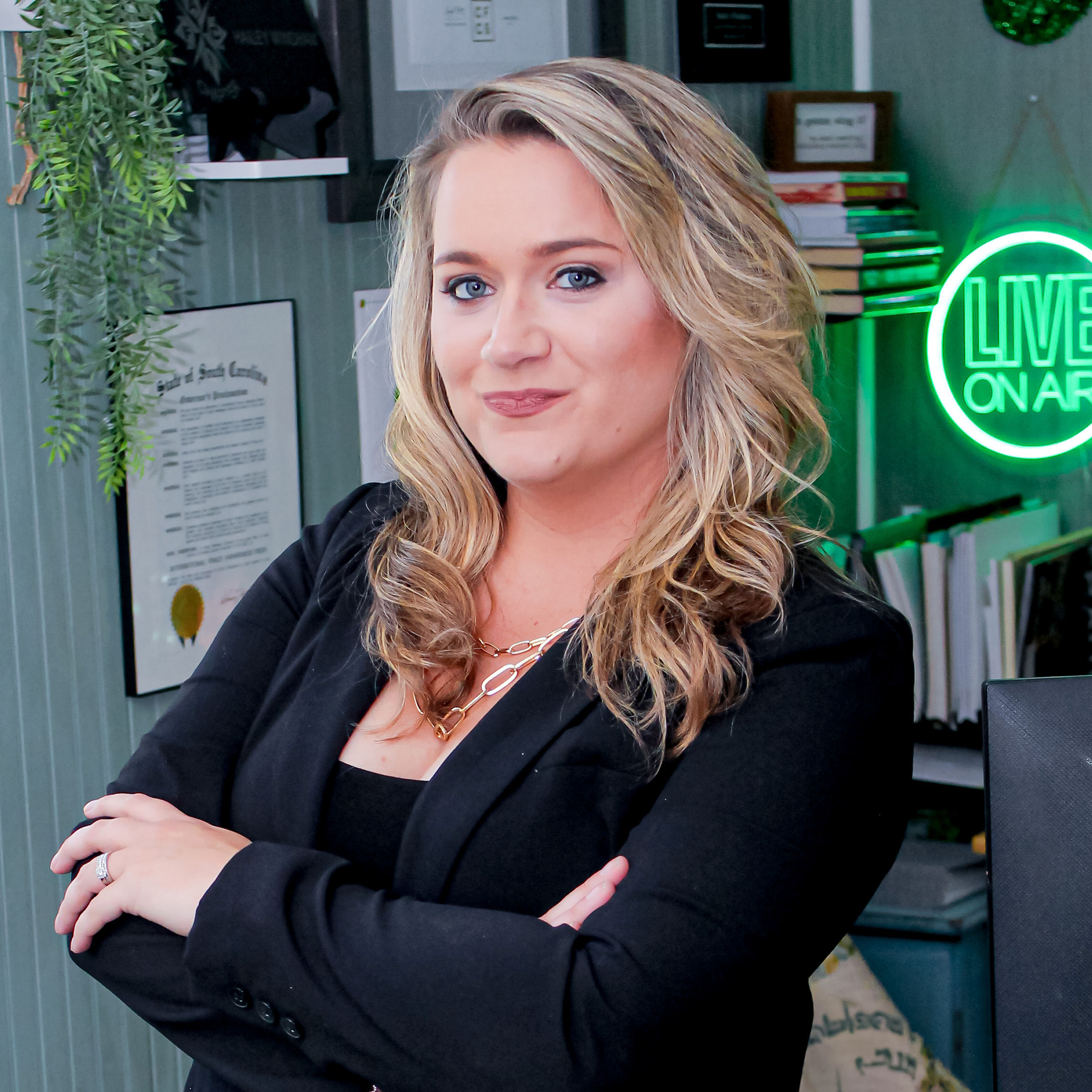
A blonde woman in a black blazer smiles slightly against a purple background.
Hailey Windham
Fraud Forward, Sardine