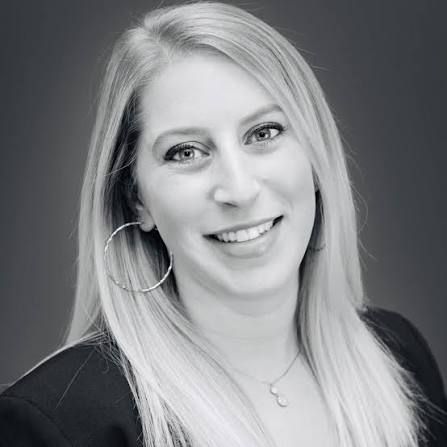
Welcome back to Fraudology. Well, I'm really looking forward to this conversation today. She is someone that I have known a very long time in my career, has worked for some very impressive and well-known companies across the industries, right? From e-commerce to fintech, compliance, banking. Very smart and very experienced risk leader in the space. I have with meTal Yashinov, and I am just so excited that this worked out. So,Tal, thank you so much for joining me on Fraudology.
Thank you so much for having me. I am a longtime listener, longtime follower, and so I feel very honored and very excited to be here today.
Well, I feel honored to have you. You are, you know, very in demand in a lot of ways. Your expertise is often leaned on for, you know, in startups and with, you know, a lot of different companies. So I think that, I know that my listeners will learn a lot from you today. And from our conversations. So I'm gonna start with, I warned you ahead of time. I'm gonna start with the same question that I ask everyone, because the answer is always different. How did you get started in online fraud prevention?
So completely by accident, I went and worked at Google at the time. Google owned YouTube, and I know multiple languages. And so I was actually hired for my language skills because they had the challenge of figuring out how to monetize content. YouTube, I don't know, almost 20 years ago, had hours uploaded every one minute. You can imagine how much, and now it's even just more.
And so they had a classification issue where they needed language experts to help them tag data and videos, read the metadata and listen. So read and listen to videos. And so I was lucky that I had analytical skills and language skills and could work very well with engineers and product managers. And so out of college I went and worked at YouTube. And a lot of the work I did with classification and rule systems and machine learning and AI. But it wasn't called AI
20 ago or whatever, but the machine learning modeling. All of that ended up translating really well into risk and fraud and rule systems. And so from there I went on to Eventbrite before its IPO. Where it was a really small company. And I worked on building the rules in a two-sided marketplace. Sorry, actually, sorry,.
One of the first two sided marketplaces, honestly.
Yeah, and so it was totally by accident. But that's how I found out that I really like risk. And so dealt with risk, chargebacks, payment processing, all of that. And then it was, it turned out to be an international company. So got a lot of exposure there. Went on to other companies and so forth.
I think that was the first time we met. Was when you were at Eventbrite. I was down in San Francisco for a merchant meetup that I think Eventbrite was hosting. And Eventbrite was like this small scrappy startup that not many people had heard of. That was in, like an old industrial building in like San Francisco. In a weird part of the neighborhood. I remember,
I remember Robert Caps being like, I will be walking you to your hotel. And I was like, I'll be fine, he's like, no.
But that yeah, so I mean that shows I've known you a little while. But yeah, and then Eventbrite grew. And then after Eventbrite, I think I know what was next. But where, where did you go once you did all of that at Eventbrite?
I went and worked at a small startup. Didn't succeed. And ultimately after that I went to work at Uber. For Uber I, it was 2016. It was still it's in its infancy. But it was starting its hockey stick growth. And I had targeted wanting to work at Uber because at that time, it was already doing real-time machine learning modeling. And it was already a global company. And I knew that if I wanted to do risk at scale, and in an automated way, that I needed to go work at like the best of the best. In terms of, you know, like the challenge of having to build systems from scratch. And so, like Uber was, like my goal company to work for. And it was challenging, but I learned a lot.
Yeah. every company that you've worked at, I think you have built the system without any playbook, right? Because they've been new business models. I mean, Uber really changed the game for the gig economy. It changed the game for a lot of online companies and apps. There's a lot of companies that were built off of it. Not just Lyft. But you know, food delivery and so many other things, were built because Uber succeeded. And you were able to build, you know, an Eventbrite too. And you know everywhere else. Like you were really at the beginning and built something for a business model that didn't exist. A super risky business model that didn't exist. And that no one thought would succeed.
I remember at the same the same trip that I went to see you, I also visited the guys at Square. And they were also in a really small, like that was a really really small office, but it was like industrial too. And in a weird part of town. And it was way before they moved into their fancy, you know, their fancy headquarters that they share with Uber. And I remember telling the guys that worked there, like, why would you take this job? I can't imagine it being successful. Like it sounds so risky, right? Like, everything in my body, like from a fraud perspective, says that's all you're gonna get. Like who's gonna, you know. I, from a payment processor, and I had been a payment processor, and I was like, there's a lot of stuff that, like you guys aren't doing that you have to do. And they're like, no, we don't anymore. And so that, that was a very pivotal time in my career. Because I got to work with so many of you. At that stage. Where you guys were figuring it out. And learning how to use big data in really cool ways to pinpoint risk. It was just, it was a really exciting time in fraud and technology.
It really was. Yeah, San Francisco, especially in the early twenty tens, even twenty twenty onwards, San Francisco is always just kind of filled with interesting people, talent, ideas, thoughts, technologies. I mean, even now with the AI bubble. Well, sorry, shouldn’t say bubble. Even with the AI world,
There's so much coming out of San Francisco. And it's a lot of fun to, to build and take on ideas, that might otherwise seem like they're crazy ideas, that might not succeed. But you put the right talent. And you put the right data. And you create the right software. And create a product that customers enjoy. And of course have the right controls for risk and fraud in place and things happen.
Yes. Yeah, yeah, very exciting things. So you know, talking a little bit about that time, I mean I, we were really focused on you know single points of data. And I mean because that's all we had, right? But AI really just changes, I mean you mentioned AI. It changes how decisions are made, right? Because it opens up the world to so much more information. And the more information you have, the better decisions you can make. I'd love for you to talk a bit about, like what, what things used to be. Compared to where we're at now. From a risk perspective. Whether it's transaction monitoring, account, you know, security, all of those, you know, different points of, of risk management.
Yeah, so I think what used to be, was we had rule systems that then adopted into modeling and rules and models were used together. We had multiple point solutions. So we would get data from device vendors, and phone vendors, and IP vendors and email vendors. And then we would take all that data and create those rules and models and sometimes those rules and models were static. It required a lot of involvement from IT and engineering teams. Sometimes security and legal teams. And then the output would be something that an analyst would need to review to decide if the model or the rule made the right decision. Sometimes there were automated decisioning, depending on what the company was doing and what kind of risk threshold they could take. So I'll put that little asterisk in there. But manual reviews were definitely something companies had to think about. And a lot of the times, too, companies would use outdated SOPs. Or there would be tribal knowledge where somebody would, know a bunch of stuff, and then they would leave. And you no longer know what to do. What I'm seeing right now is a really big shift to using AI. Where a lot of the times, those rule and model systems, and those multiple point solutions, can be unified into like an orchestration platform. Where you can look at different points of how the user is interacting with your website or your app. So what used to be a rule that existed on just a transaction could now be a system or a workflow that is being orchestrated across the entire life cycle. And you could have workflows work alongside humans, right? We're talking so much about AI replacing humans. I don't think it's a replacement, I think it's working alongside.
To ensure that there is AI assisted investigations. So that the analysts can be more productive. And can also do their job without having to rely on engineers or product managers. Because now we have zero code agility. We have rapid deployment. We have agentic AI opportunities where we can improve our day to day operations. And so that allows companies to be a lot more flexible and creative in finding and responding to fraud.
Right. Yeah, it used to be like a snapshot at the time of transaction, right? Like what's the device they're using at the time of transaction? What's their IP? What's the you know, the payment information? Did AVS and C V V match? Like, you know, those type of things. Now, as you're saying, you can track how they entered your website. You can track, you know, how they're interacting with it. Did they go straight to a product or did they click around a little bit? What size their screen is. How they're holding it. I mean you can get really, really detailed.
Yeah. And then also like the entire, you know, what they did when you were on they were on the website. And, you know, a lot of risk signals can be picked up from that. And then the other thing that I I've found with a lot of companies that switch from just the transaction monitoring piece to a more holistic view as you're talking about, where you're looking at the entire customer journey, is a lot of times when they first switch over, they'll see a pattern of fraudsters using their own device and their own IP when they enter the website. Because they just assume that that they have transaction monitoring still. And then they, right before the transaction, then they're like, I have to, you know, look all perfect at for my picture basically. And they, you know, get a SOX5 proxy and they, you know, change their device and they do all this stuff to look good there. And when you can see the whole thing, you're like, oh yeah, you're totally fraudulent. Because you're doing, not a, you know, a regular customer wouldn't sign into the VPN just to make a transaction. If they were using a VPN, they would have used it from the beginning. So just little things like that. I think it's so so important for everybody to go upstream and start collecting a lot of those data points. And it provides like you said, it you know, provides so much more data. And the more data and information we have, the more precise decisions we can make. And that's always been the holy grail in fraud is you know, approving the right sales and you know, declining the the bad ones.
That's absolutely right. I remember one time I was leading an investigation on what we could do to find more signals. Because we were, I was lucky enough to be at a company that had feature engineering capabilities. Where the analysts could talk to the engineers to design features.
That could then be built into rules and models. And so a feature that I had recommended for an engineer to build, was I noticed that when users were sharing things with their friends from a feature in the app, then they were never fraudsters. Because, of course, fraudsters don't socially share anything with anyone. And so it was almost, and we actually ended up using that feature that we engineered in our chargeback representment strategy. Because we knew that customers were lying. Because they did make the transaction. And we could confirm they made the transaction. Because we knew that they had shared. What I don't remember exactly what that piece was, but we knew that they had shared that.
They told their friends about it.
So they were a legitimate user. And so that's like a non risk signal that ended up being used in our risk models. That was fun.
Yeah. Mmm hmm. I love stories like that because there's so many like it. Yeah. It also helps you be able to identify the good guys, right? And you can give them the faster happy path than, you know, the ones that are a little more risky. You know, if they're sharing their, you know, they're sharing whatever they bought with their friends. Or they're, you know, sharing it on social media. You know, the trip that they're taking. Or whatever it is, like that. You know, can be a good now, granted, like it kinda reminds me of gift cards. You know, back in the day. A very easy risk signal of, on gift cards was, if they even filled out a gift, like a note, right? For the digital gift cards to go to email. Or if it would like, how how short it was, right? Like that was such a risk signal for us for so long. And then fraudsters figured it out. And then they started like writing these big long, like three sentence things. But you know, I mean eventually they'll adapt, but for a while they worked well.
That's right. Yeah, and it's just as important to find your legitimate users as it is to find your fraudsters. And so I think a lot of the times that's also missed in conversations from my experience is people are so focused on finding the fraud, which is absolutely important, but it's not the full picture. You have to think about the false positives as well, because if you're making a decision by only thinking about the fraudsters, you're going to harm good users, lose trust and turn away revenue. And so you absolutely want to have a holistic approach. And I think that's what AI is allowing us to do right now, is having that holistic approach by looking at so many more data points. That before you couldn't really see all those data points. And now you have a lot more capability to see those data points. And create agents, workflows, operating procedures to take action.
Mm. Yeah, that's a very good point. I mean there's definitely kinks to be worked out. And it depends on, you know, how you're using AI. And what you're using it for. And, you know, the partners that you work with, and all of that. Because really, the sky's the limit. But I do, I mean, especially because you've, you in your career, have always been on the forefront of the technology piece. Because you gotta work with so many engineers and product people for companies that had those resources. I think that you know you're, you're a hundred percent right. That, that's where we're headed. And that's where the biggest companies, what the biggest companies are doing now. And I think a lot of other companies are in the process of catching up in different ways. Whether that means augmenting their current system, or changing it altogether. There's a lot of conversations around those things.
Yeah, I wish I had AI in prior roles. Prior companies.
When, you know, when does AI fit for like ops and AI agents? Like, you know. Sometimes, sometimes it doesn't, right? But when, when, where does it fit?
Yeah, so I think depending on how you use AI. So I think it depends what problem you're solving for. And different problems require different types of AI uses. And so I have used AI to connect Claude to our company's database. So that I could query the company's database. With by, by just asking Claude questions. Whereas in the past, what I would have to do as an analyst is, I would have to write SQL queries to ask the questions. Get the data. And make the decisions that I needed to make, based off of the queries I wrote. If the queries I wrote weren't correct, or had a bug, or I didn't ask the right query question; of course I would get a bad output. With AI, you can do all that so much faster. And so that right now is my favorite use case for AI, is not every company can connect Claude to their database. But if you can, that's incredibly powerful. Another thing that I've seen work really well is, risk teams always need to work closely with customer support teams. Because risk is, in many cases, taking adverse actions against customers. And those customers have questions about why actions were taken. Or why certain onboarding has to happen. Or why certain pieces of data needs to be collected. Or why they were locked out, right?
Whatever it is. So in certain cases, the amount of questions becomes so big. And you can't staff your support teams to grow in line with your customer support queries. You need to find a way to scale and automate how you respond to your customers. And so one of the things I did at a prior company, was use like AI to go through it. And read all of our operating procedures and answer simple questions that already existed in our documentation.
Things that were either published online. Or were not published online. So that users could know when they're getting their payout. Or if they were locked out, who do they need to contact? Or if they're being asked for this documentation, what is required within that documentation? So that was a really good way for the risk team and the customer support team to be able to quickly respond to customer concerns. But again, it didn't completely take the human out of the equation. People still needed to audit the work,
that the AI agent responded. And create the actual substance behind the answers for the AI workflow to read. And then finally, the third really cool use case that I've seen work very well is in companies where there is a lot of escalations and a lot of competing priorities. You can use AI to scan everything that your company is working through. And treat, like give you an analysis of all the open items, and triage which items must, might be the higher priority item. So that you can respond appropriately. Again, you can use it in a lot of creative ways. And it doesn't replace humans. It just allows people to be a lot more creative in the questions they're asking and the solutions they offer. So that they can be more efficient in their workflows.
Yeah, you're absolutely right. And that's, those are some really cool ways, that you know, companies and people, I know other merchants are doing. You know, dashboards created by, you know, Claude or, you know, whatever, whatever GPT they're using, you know, whether it's open AI or whatever else. There's also, you know, a few vendors popping up that, you know, provide AI agents to actually, you know, do manual review. To review things.
That's, I know a newer technology that's coming out. That people are looking at as well.
Absolutely. And I think that's really impactful. And we will see better customer experiences. And I think we will also see improved revenue outcomes for companies that can adopt this technology the right way. You can't just kind of take the software and apply it. You have to customize it. One size approach does not fit all.
But I think that taking that kind of solutioning, is gonna allow companies to be very successful.
Absolutely. Yeah. I, I would agree with that. I've seen some really cool, you know, ways that a couple different vendors are are implementing AI agents. To not do the job of a human, but to enhance the ability of the human to do more. And, you know, maybe it increases their manual review rate. Maybe it increases their ability to analyze more data. Maybe it, you know, allows them to take on more tasks. Or more responsibilities, because they're not doing, you know, they're not pulling end of month reporting anymore. There's just so many different things that I think it's really, it's fascinating. It's moving very fast. And that can be a little overwhelming sometimes. But I think it's also very fascinating how different companies are using it.
I think so too. Yeah. I, I think what most people miss in this AI conversation is that AI is only solving half of the risk operations problem. It's all about how it's used, right? And so every company can build those really powerful AI agents. And we are seeing that. And and I'm a big proponent of it. But you have to have that structured understanding of what the risk is. And so the most successful implementations that I've seen are able to use the institutional knowledge that already exists at the company. So all the tribal knowledge that gets lost if someone's leaving, or if someone's kind of just doing their own reviews and isn't sharing it out with the rest of their team. I think AI can help, really help create like a competitive advantage. If it's used in a way that, in in a creative way where teams are able to organize the data. And then use it, and it's all about knowledge.
Right, right. Yeah. I I think yeah, maximizing on that on that tribal knowledge on that domain expertise is so important. Because you're right. If it's a copy paste situation, where this worked for this for company A, it's gonna work for company B, you're not gonna be as precise. And and you're not gonna be able to you know, you're gonna have a lot of false positives to your point earlier.
Because, you know, risk is gonna look like, good orders will look risky.
Correct. And I think the hard part is like you can't just say, there's a device mismatch, it's fraud. Or velocity means you know, high velocity of orders means fraud. Or IP risk, IP is risky, so it's fraud. Each signal is a piece of the pie. But the goal isn't just diagnosing by just taking individual attributes. The goal is about and it's not about scoring, right? Rule systems would score and model it, model systems would score. It’s not just scoring. You want to really understand how everything comes together. So that you can create a holistic response to things. I can tell you early in my career I worked at a company where I wrote a rule. And the rule that I wrote was incredibly effective. It had all of the right signals that it, and and all the signals combined together caught the fraudsters that I was trying to catch. And so I was very proud of this rule. But it failed me. And if I knew what I know now about AI, and I could have used AI then I wouldn't have failed. And so this particular rule was trying to look for triangulation fraud. And without going into too much detail about what triangulation fraud is, it was looking for a certain type of behavior where a fraudster was trying to resell a legitimate product. And these fraudsters were able to commit this triangulation fraud all over the world. And so because of the nature of the fraud, I had written a rule that was looking to see if a human was teleporting. By looking at an equation of speed and distance and can a human be in two locations at once. The rule I had written was looking to see the velocity of the orders. And it looked to find situations where there was abnormal behavior. And so this particular rule got hit, because this user ended up placing an order in LA and then another order in Asia, five minutes apart. Karisse Hendrick(27:55) Well. Which is impossible for one person to be in both places at once.
I know, I know. Unless you're Superman and then you can fly. But my rule assumed Superman wasn't committing. Wasn't purchasing the item.
So my rule worked effectively. It caught this exact behavior. But, eleven PM. I'm trying to get to bed. I get an email. My phone's going off. I get phone calls. I get texts. I'm not understanding what's happening. I go, I log on to my corporate email account. And I realize, that an executive at the company I had worked at, wasn't able to use the product. Because that particular rule had hit his account. And I was like, oh my god, I'm gonna get fired. So this rule that I was incredibly proud of, I was no longer proud of for that moment. Point being, I had done all the right things and I looked at all the right signals. Device, velocity, IP, luxury goods. Everything. And so even though this rule had a good hit rate. What I had learned is that in this particular case, this executive who was trying to use his card, could not. Because his girlfriend, had had used his credit card in LA. And so he was a false positive. The rule hitting him was a false positive. And so that's why I failed in that scenario. Luckily this executive appreciated rule systems. And appreciated the work. And appreciated that the rule was behaving how it should have. But if I could have rewritten that rule in today's time, I would have looked at so much more than just the signals that I had at the time of transaction. I would have looked to see if multiple devices had used this particular credit card. I would have looked to, to see how long this user had been on the platform. What they were doing immediately before they had placed the transaction. What I, I would have looked at the two devices that were operating. I would have looked at so many more factors and not just at the transaction details.
And so AI is really powerful in that sense. Because you can do so much with it. So much more with it.
Right. It can do more than we can do on our own, right? Because it's able to look, you know, at a ten thousand foot view instead of a thousand foot view, so to speak.
And it also works a lot with account security as well. I mean it's same, same principles, right? A lot of times, you know, traditional rules engines or, you know, even, you know, machine learning. Or whatever it is. Are looking at, there's, instead of taking a snapshot at the time of transaction, they're taking a snapshot at the time of login, right? Or account creation. But mostly, you know, for account takeovers, we're looking at login. And same thing can be said, that if you are you know, looking at more data and more signals from upstream in the transaction. Then you're able to identify, ‘huh?’, this device has logged into a lot of different accounts. Or this device has never logged into this account. You know, maybe we should trigger MFA. Or maybe we should, you know, trigger something else. That, but you could also look at, you know, so many more data points, right? Like how many, how long it takes them to do the, you know, to log in. Are they copying and pasting? Is it autofill? Is it, you know, are they typing it in really slowly? Like, you know, do they type it in the same way that they typed it in last time? There's a lot of really unique things that you can do. So I just wanted to touch on account security as well. Because I know so many merchants are, are dealing with that right now. And banks as well. You know, account takeovers. I, I don't think they're ever truly going to go away. Maybe until, you know, we get really good at AI and can surgically remove them. But there are definitely a lot of, there are more solutions for it now than there ever have been.
Absolutely. And, and I think the thing too, with account security that's interesting is, we're seeing that fraud behaviors aren't just happening just at the transaction level, right? Account security could impact compliance, and regulations, and credit decisioning, and identity verification. And so when account security isn't set up correctly, what that means is a fraudster can take over an existing account. But then use additional synthetic identities or credit information or payout schemes. And layer that on with other types of fraudulent behaviors. So what I would see earlier in my career is that you would have just account security issues. And account takeover. And it was just an account takeover issue. Someone would get access to an account. Move the payout. Or move the money. Or make a transaction on a credit card that existed on the account. Whatever it was, they would just do that one fraudulent behavior. But now because the companies that we have are more interesting and nuanced, right? You have buy now, pay later. You have two sided and three sided marketplaces. You have lending products, you have so many different types of, like fintech companies. And even just the fintech dynamics of like having multiple layered approaches between who the customer is, and the merchant, and the fintech, and the sponsor bank. Anyways, I digress. The issue is that now account takeover isn't just an account takeover issue. It's an issue that spans more than just account takeover. Where it impacts so many other types of business lines. Or potential, or creates potentials for losses, across different types of behaviors.
Right. You're you're absolutely, I think a couple years ago we started to see hybrid or kind of these zombie fraud MO's. Where like, it was a little bit of this and a little bit of that. It's like it's a hybrid of, you know, card testing and account takeover. Or you know, triangulation fraud and you know something else, right? They're and they don't know what we call it. And they don't know, like what this, oh this department's in charge of that part. And this department's in charge of that part. Like they don't care. Because I mean the truth is, we've been talking about you know the just the advent of AI. And, and the speed of it you know growing and improving. And how much it helps us on the fraud side, but on the fraud prevention side. But the truth is fraudsters have the same technology. And they're doing all kinds of cool stuff too. With this technology. To be able to identify vulnerabilities easier, and be able to exploit those vulnerabilities at record speed. So it's like both sides of this battle are, need to step up and engage with today's technology. Because the other side is going to.
I. Yeah. I just, I couldn't agree more with what you're saying. Because it's just absolutely true. I'm sure you're seeing fraudsters, you know, use and utilize AI and adapting to, you know, whatever fraud technology merchants and fintechs and banks have. How are you seeing them utilizing AI in that way?
So I'm seeing that fraudsters can now bypass some identity verification software. Which is really scary. Because you used to think like, ask a user to turn their head up and down sideways. Or have them upload their driver's license and then the metadata of the barcode is scanned. And this is foolproof. But now fraudsters are actually able to get through and set up accounts. And that's incredibly scary because the company thinks that they're giving a legitimate user an account. And in scenarios where it's a company that has businesses or is a fintech and money is moving, you don't want to be allowing a fraudster to transact. Because then they're laundering money. So I think one challenge that I see, and I don't think the industry has solved it yet, is of course they care about solving money laundering. But money laundering doesn't cause them financial losses. And so product leaders, who care about revenue and care about user experience, they, product managers, will sometimes win in those conversations. And so the fraudsters actually can succeed. Because that investment from companies; to improve the onboarding, the KYC, the KYB, the compliance infrastructure, isn't really a top priority for every company. And that to me is one of the scariest things. Because I think the industry just hasn't, one, solved for the issue. And, two, the problem isn't a financial problem today. Until regulators come and regulate. Of course money laundering and regulatory issues. But to me that's, that that feels like a really big problem.
Hm. I was just talking today with a very large retailer in the US. And was catching up with their fraud leader. And they had been added a lot more responsibilities and purview in their role back in February. And so I was asking them, you know, how that was going. And they their first response was, ‘Well, I'm breathing.’ and I was like, yeah, I've been there before. But one of the things that they were responsible for is reselling. And a lot of times this is on the merchant side primarily. Where, if there are goods and services that can be resold. They, it's not necessarily triangulation fraud. Because there's not a stolen payment method involved. It's, for instance, I worked with a merchant once in my consultancy that had a brand that had been around for years. But got recent uptick with Gen Z. And all of a sudden their sales just went through the roof. Well, so did their chargebacks. Because you know, a lot of fraudsters want to be able to sell. Their, their products were going for higher on the secondary market, than they were the primary market. So, you know, a lot of people wanted to buy the products from the company and then resell them on, on two sided marketplaces. They also had issues with pricing. Because, while they were global, they had very different pricing structures for items. And different inventory in different locations. So you know, the US may have some inventory that you know Asia doesn't have. And vice versa. And you know, same with EU, or whatever. And then the other thing was pricing, where the product was much cheaper in North America. Whether it was the US or Canada, than it was in Asia. It was significantly more expensive in Asia. So you saw all of these entrepreneurial people popping up to to become resellers. To per, simply make purchases on the website in the US or Canada. Receive them. And then, oh I have a cousin in China I can send this to. Or, you know, they'd find a business contact online. Or whatever it was. And so, that made their sales go through the roof. And at first, when we talked to the business and said, ‘Hey, we identified a reseller problem. What would you like to do about it?’ They were like, yeah, we don't want resellers because it dilutes the brand and it's you know kind of corporate arbitrage. And like, you know, the just, all these different things. We don't want them. Okay. When we provided them with a number, with the percentage of sales that would drop, if we did anything about these resellers. Cause while they're not using stolen credit cards, they are, you know, impacting the brand. They were doing a lot of sneaky stuff with gift cards to try to get around, you know, rules and stuff like that. We prov, you know, just for like the sake of the story, say that, we we said like twenty five percent of your sales will be gone tomorrow if we shut down resellers. We just want to make sure you're okay with that. They might pop up in other areas of the company. They might pop up in Europe. They might pop up in China, you know. But like in the North America region, which you're only responsible for, just so you know. This is going to happen. And then it was a very different conversation. As you said. Where product is like, wait, wait, wait. I mean, it's not really fraud, right? Like, we're not getting chargebacks for this. I think we're good with it. Even though like it was wrecking their inventory. It was, you know, really impacting their good customers. Because resellers were, you know, putting bots on the website to try to get the drops.
Yeah, the good customers weren't getting it.
Yep, the good customers weren't getting it. It was the customers in other parts of the world that were getting it. And also, as I tried to explain to this company, they were losing out on a lot of money. Because, you know, if the people in China just were able to buy, if that product was a little cheaper in China, there wouldn't be this need for all of this international shipping and by and all this other stuff. You know, if you just made your prices a little more cohesive, you know. Obviously taking, you know, different things into effect. Like, you know, the exchange rate and things like that. But if you made them, you know, comparable, then you wouldn't have this problem either. And because they were managed by different teams, like there was a completely different org for North America than there was for Europe, than there was for Asia. They were like, North America was my client, and they're like, nope, we don't want to give those sales. Like we don't want to tell that to China, and have them, we don't want to lose those sales. So anyway, that's like a side story to explain this merchant I was talking to today. They're having a massive reseller problem. And they're running up against the same thing. And it was, they they sell some very popular products. That can be resold on the secondary market for more. That they're noticing just this huge uptick in. And it's not fraud, but it's abuse, right? It's impacting the good customers, especially when they have drops of new products. They're not the ones being able to do it. It's similar to what happened in the ticketing industry, or what has happened in the ticketing industry.
Yeah. We saw that a lot when I was at Eventbrite. I think you're hitting on something incredibly important. In is that a lot of teams focus on fraud. And a lot of roles are open as fraud roles. But what we're seeing in the industry is, that whether it's fraud or abuse, I'm seeing that a lot more companies are adopting the term of risk, risk teams.
Because it's all encompassing, right? Like whether it's fraud, or account takeover, or or abuse, or transaction fraud, or first party fraud, or scams, or I don't know. B2B credit underrating that was done wrong because of false information. Whatever it is. Collections, right, because the fraudster didn't use the right, I don't know, whatever. There's so many different flavors of risk.
And I think what we're seeing is that now this world is becoming, to your point, the fraudsters don't care what we call it, they're finding different ways to steal money and to steal identities. And at the end of the day, it's impacting companies and users in a negative way. And so what gets lost a lot in translation, between teams, is that oh well, I'm not responsible for it. Or it doesn't hit my PNL. Or you know, marketing cares about getting users. Product cares about getting users. They don't necessarily care about stopping fraud.
Keeping the money at the end of the day.
Right. And so I think that's a really big challenge and and you hit the nail on the head with that example. Unfortunately.
Yeah. Yeah. It was like, a today example, right? And she's just buried in all of this stuff. And it's like you know, this problem was created. And then she's also in charge of claims. You know, claiming that an item didn't make it or claiming that, you know, the product was broken. And they recently had a product, a new type of product that they're selling on their website. And they did an analysis because they no, started noticing a pattern. Like, huh? A lot of, we're getting a lot of claims for this new product. It's a product we've never sold before. Under our brand, like we've never, you know. But we're getting a lot of claims. Is there something wrong with the product? And as they dove deeper, it was, you know, good users with their own credit cards. That were saying, hey, I didn't get it. When they did. So they could keep the product. And then get their money back.
And so that's also growing on the retail side significantly. And yeah, that's a huge risk. But it's not fraud. I think that's also why we're seeing, and we have for a long time. Like for at least 10 years, in marketplaces, you know. Calling it trust and safety. Versus, you know, fraud. Because, and and sometimes that that involves content moderation as well. Sometimes it doesn't. But you know, really trying to protect the safety of the users and spinning it, where this is a positive thing. You know, we're building trust and we're keeping you safe.
So a couple more things. I wanted to ask you a little bit about your fraud leadership philosophy. Like you have had, not only have you had, you know, some really good opportunities to, you know, hone your skills as a leader,. I happen to know that a lot of people that, you know, have reported to you in the past, still frequently reach out to you with questions and asking for advice. And I think that's the sign of a really good leader. A lot of times people leave their jobs, or their their leader leaves the the company, and they don't really keep in touch anymore. So I'd love to ask you more about, like your your philosophy around around fraud leadership. And what you, a little wisdom you could, you know, give to other people that are in similar positions.
Wow, it's a cool question. Yeah, so I I just love people.
Yeah. Other than fraudsters.
Other than fraudsters. But, and I just happen to be very lucky that I'm in a space where a lot of the people in our industry are just amazing people that are curious and ambitious and very driven. So I've been very lucky that I've had amazing teams. And I've been able to connect with a lot of the folks that report up to me. And so one of the things that I really value when I'm trying to be a good leader, and in leaders that I think are good leaders to me, is transparency and empathy. And I think those two things go very well together. I think you need to be very transparent in what you expect of people, what you communicate to people, why you make the decisions you make. Especially people that are, you know, hard working and care about their jobs. Which so many of our peers really love this industry and love their work. And then that transparency I think leads to really good relationships. And that's kind of where the empathy component comes in for me. I really, really try to connect with people on a basic human level. Right? We all want to do a good job. But sometimes things happen. And you can't really understand, or have real conversations with people if you don't know what's happening with them. If you don't know their goals, their aspirations, the hardships they're going through. You know, where they want their career to go. Or why they have or haven't been able to do what they're trying to do. And so, I feel like because I've had the opportunity to be transparent and empathetic with my teams, I have received that back. And it's allowed us to create really genuine relationships that, yeah. Fast forward five, ten, fifteen years, I'm still in touch with a lot of my peers and a lot of the folks that reported to me as well as some managers that I've reported to. And so I, I just, I love this industry so much. I feel very lucky.
Hmm. I, I get it. I, I do too. I really feel grateful that I, I also fell into it by accident. I think most of us at, you know, our level and, and length of time in the industry have, did fall into it by accident in various ways. But I consider myself so grateful that I'm in an industry where that doesn't stay stagnant. And that continues to grow and change. Just like we were talking about, you know, right? Like I just the changes that have happened in the last like five, even two years. Are monumental. And I love stretching my brain and learning about new technology and how to apply it. But also just to have a career. I mean, at the time I was a college dropout. So I, you know, that is something I'm very grateful for. But back to your point of leading with empathy and transparency, I think that goes a really long way. I think especially because those of us that are drawn to this industry have really good bullshit meters. And you know, that means that the people that report to you are really good at sniffing it out. And if you're not transparent with them, they're not gonna respect you. And having that empathy to say, you know, yeah. I think also being in fraud, you need to have empathy for good users, and understanding of their situations. As well as empathy for victims, right?
And so I think those are two skills that don't, that are really good to have if you're just in fraud in general. But I agree with you that especially in leadership. They're pretty, pretty important. And the most empathetic leaders I know of, are also the ones that have a following. Like, whether it's a physical following at a conference. And like, their past employees are still, you know, following them around. Which I have seen happen in at least one circumstance. And you're like, wait a second, you don't work with them anymore. But they're all there. Or it's you know, like figuratively. Where you know, when they have a question, and they don't know who to ask. They reach out to you. Because they, they're going to respect your answer. And they know that you're, you know, you're gonna be transparent and not, you know, give a fluffy answer.
That's right. I, I for better or worse, I speak my mind. I have opinions.
And I think, in the risk space, that's a good thing.
Yeah, yeah, yeah. Some you know, I I think over the years we learn to hone that in. Especially with leadership that doesn't understand fraud people. Or that don't understand fraud people, you know, and don't understand that we can just be direct. And, you know, not have our feelings hurt or anything else like that. But you know, and be be direct and mean. But I think it's also a really important skill because if you're not being direct then you're kinda talking in circles. And not, you know, and when you're working with engineering and you're working with product and you're working with all these other you know cross-functional teams, you need to just say what needs to be done. And, you know, maybe provide a little bit of context. But not, not be, you know, beating around the bush.
Absolutely. I think being direct in some cases is a kindness. Of course you can do it in a very polite and nice way. You don't have to be a jerk about it. But it's a kindness because then the person knows what's expected of them. Where they stand, how to deliver, what's not important, what's important. And so I think folks that know how to be direct and kind are folks that get results.
Hmm. That's really well said. I think the last question I wanna ask you is around jobs, right? I mean, I think the scariest thing about AI, you know, while we're excited about it for various reasons. The scary thing, scariest thing about AI is, you know, we are seeing jobs disappearing. I've seen a few companies, very prematurely, lay off fraud leaders. And be like, Claude can do it. And like legitimately just think that Claude can fight fraud. And my response is, well, and I mean unless you have the enterprise model and it's you know got your database and everything else, even then, all of these GPT tools are running off of the internet. And a lot of this is not open source. A lot of what we know, you know, you call it tribal knowledge, I call it domain expertise, whatever we call it, like that lives inside of our brains. That's not anywhere that Claude's gonna be able to access. And so I, I have seen some companies prematurely do that. And then within three months you see their account takeovers, you know, explode by three times. Or, you know, you see their their chargeback losses just, you know, go up. Because, you know, they're losing the leader. Or they're losing, you know, they're they're laying off manual reviewers or whatever it is. So AI is definitely impacting jobs. And some jobs are disappearing. And it's really hard for, um, it has been more difficult. I shouldn't say really hard, but it's been more difficult, and challenging for people in fraud that I think are the some of the smartest people in the world. Like top five percent in fraud, I would say, like, know more than me. Like they know they know way more than me. They, you know, have done this forever. Like everything, like are just, you know. It's not as easy for them to get another job. So I'm kind of seeing, you know, that it's changing. But how are you looking at it? From like a perspective of: which jobs are disappearing? And how fraud teams look now, and and what the landscape looks like too?
Yeah. So first of all, I completely agree with you. I've definitely seen a lot of companies prematurely lay off people. And we're seeing, we're hearing about layoffs on an almost daily basis. And we're seeing huge layoffs, right?
Thirty percent of a company is getting laid off, which is insane. I think one, it's insane. But two, I think companies are asking the wrong question. I think the question that companies should be asking is: what work should people stop doing? And I don't think companies think about that question. Because there absolutely is work that people, humans, should stop doing. But then there's a lot of work that we should still continue to do. And it's more important now that we do it. And so the kind of work that I think we should stop doing is the repetitive work. Where system can can follow an operating procedure, for example. So that repetitive work, you can give that to AI. But someone has to be creative and understand the domain. And bring their domain expertise to create the operating procedures. To create the workflows. To create the rules or the models or the systems. So the work that I see that's going to become incredibly important and the jobs that are not going to be replaced, are the jobs where people have the domain expertise. And are able to be creative in asking AI for the right answer. Like, so you have to prompt an agent with the right information. You have to ask the right questions and you have to design the right system. And so the folks who can bring that creativity and can bring that domain expertise to create those systems, create those workflows, create those operating procedures, those are the people that are going to succeed. And those are the jobs that humans are going to continue doing. And AI is not going to ever be able to replace human creativity and human ingenuity. Because the fraudsters are adapting. So the behaviors are adapting. The products are adapting. The features are adapting. And with it a human has to adapt. So the human's gonna feed AI, and then the AI is gonna have the output. I, I think what's really, I think a lot of the times people think one size really can fit all. And I don't think that's true. And so I think that customization is gonna become incredibly important. And only the folks who can focus on that customization. Again by being creative and having that domain expertise can can succeed. Will succeed.
Yeah, a hundred percent. I think you're right about that. I think that's really good advice. And I think it's our job, as fraud practitioners, to do our best at explaining that to senior leadership.
Right. I would say we have to design our operations.
Yeah, that's a good way of, yes.
If I had to say it in one sentence.
Design our operations. Yes, that's a good way. I am not surprised that this time flew by so quickly and that we got a lot in. Yeah, I know. Well we already I mean we already had the capacity of having like a you know an hour-long conversation and not realizing it already. So it doesn't surprise me that you know when recording it was the same way. But I am absolutely gonna include a link to your profile in the show notes. I know that you are looking for your next opportunity. And I want to make sure that people know that. So they can, you know, reach out to you with, you know, anything they want to talk about. Questions and, you know, that type of thing. And I just really appreciate your time today. And your wisdom. You have a lot of good fraud wisdom.
I appreciate you having me on your show. Thank you so much. It's been so fun to talk to you, and to catch up, and thank you. Karisse Hendrick(01:00:45): Yes. No, you too. I'm so grateful. We'll have to do this again soon. I think that would be really fun. But yep, thank you again so much. And I will talk to everyone else very soon. Next week.