#12128 min
¡Qué tal, luchadores contra el fraude, y bienvenidos a Fraud Forward!
Muy bien, voy a ser directo porque hacia aquí es donde se dirige el sector, le guste a quien le guste. Las expectativas sobre la responsabilidad en las estafas bancarias están aumentando, y quienes están cargando con el peso son los equipos de fraude, los equipos de cumplimiento, los equipos de operaciones y los equipos de atención al cliente, que ya están al límite. Este episodio trata de cómo nos adelantamos a esto en lugar de que nos pase por encima.
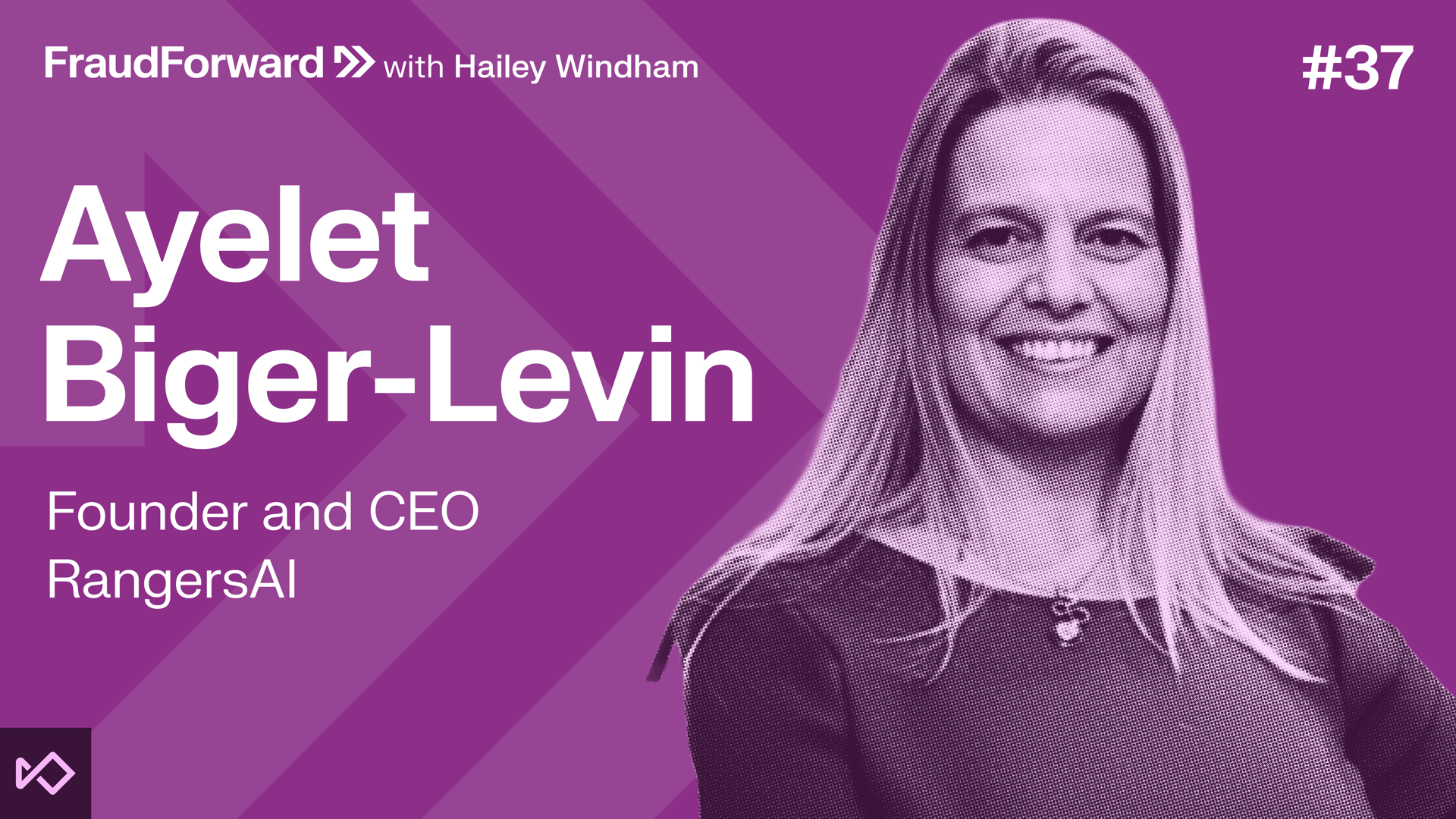
Estoy conversando con Ayelet Biger-Levin, y me encantó esta charla porque Ayelet no nos deja escondernos detrás de “pero el cliente lo autorizó”. Sí, el cliente hizo clic en enviar. Sí, la autenticación se completó. Y sí, la estafa igual ocurrió, porque las estafas de pagos mediante ingeniería social están diseñadas para hacer que la víctima participe en su propia pérdida. Por eso el fraude de pagos autorizados (APP) está forzando un cambio de responsabilidad a nivel global, y por eso los reembolsos se están convirtiendo en una parte cada vez más importante de la historia de las estafas bancarias.
Tomemos un momento para replantear la situación. El reembolso no es el único costo; solo es el más evidente.
Los costos de reembolso por estafas aparecen en una hoja de cálculo. Pero los costos ocultos están en todas partes:
Entonces, cuando los líderes preguntan: «¿Por qué invertir?», mi respuesta es: porque ya están pagando, solo que lo están haciendo de las peores maneras.
También hablamos de qué está impulsando el cambio global. Las normas de reembolso del APP en el Reino Unido y la reforma de la responsabilidad por estafas en Australia están moldeando las expectativas, incluso para instituciones fuera de esos mercados. La señal para los bancos en todas partes es que la responsabilidad bancaria por las estafas se está convirtiendo en la norma, no en la excepción. Y sí, la presión regulatoria sobre los bancos forma parte de ello, pero las expectativas de los clientes también. A la gente no le importa cómo se clasifique el tipo de fraude. Les importa que perdieron dinero y quieren que su banco los ayude.
Esta es la parte que creo que realmente puede hacerte sentir esperanzado. Los bancos están en una posición única para intervenir antes.
Tenemos visibilidad en tiempo real del comportamiento de pago. Vemos patrones. Vemos destinatarios. Vemos la velocidad. Vemos señales de riesgo. Eso es una gran oportunidad si construimos los controles adecuados. Y Ayelet y yo hablamos de cómo se ve lo “correcto”: flujos de escalamiento de estafas que sean coherentes, alertas de estafas en tiempo real que aparezcan en el momento de mayor vulnerabilidad y fricción que sea inteligente, no generalizada.
Quiero profundizar en el tema de la fricción por un momento. A la gente le encanta decir “la fricción es mala”. No. La fricción es o bien tonta o bien inteligente. La fricción tonta castiga a los clientes legítimos. La fricción inteligente interrumpe el fraude en transacciones autorizadas justo en el momento exacto en que alguien está siendo presionado.
Eso puede verse así:
Y también hablamos de herramientas. Las herramientas de detección de estafas para consumidores pueden ayudar. El filtrado de estafas basado en mensajes puede ayudar. La detección de estafas entre canales puede ayudar, porque las estafas se mueven entre canales antes de llegar al riel de pago. Pero las herramientas por sí solas no son la solución. La prevención tiene que ser accesible, porque no todo el mundo vive en una app, y el apoyo humano sigue siendo importante.
Por eso, la educación del cliente sobre fraudes y el cumplimiento de la protección al consumidor deben ir de la mano con buenos protocolos de reporte de estafas. Si la gente no puede reportar con rapidez, perdemos la oportunidad. Si los equipos de primera línea no están capacitados, perdemos la historia. Si la escalada es inconsistente, fallamos a gran escala.
Este episodio es básicamente mi guía sobre cómo prepararse para un cambio en la responsabilidad por APP sin entrar en pánico, y cómo reducir la exposición a reembolsos mientras se fortalece la confianza.
Si te gustó este episodio, asegúrate de suscribirte y dejar una reseña del pódcast en iTunes, Spotify, YouTube o en cualquier plataforma donde escuches pódcasts. Realmente ayuda a que más gente lo conozca.
Permíteme asegurarte que las expectativas sobre la responsabilidad en estafas bancarias ya no son estáticas.
La presión regulatoria sobre los bancos se ha acelerado en los mercados con normas de reembolso de APP en el Reino Unido y la reforma de la responsabilidad por estafas en Australia, y aunque tu institución no esté en esos mercados, la señal de expectativas es clara. El fraude de pagos push autorizados está forzando un cambio en la responsabilidad de APP hacia una mayor responsabilidad institucional.
Eso convierte la prevención de estafas bancarias en:
Las instituciones que se preparan con anticipación reducen la fricción más adelante, porque no tendrán que apresurarse cuando las expectativas vuelvan a cambiar.
Los costos de reembolso por estafas son la parte visible, pero no cuentan toda la historia.
El costo total de una estafa incluye:
Si quieres reducir ese costo total, necesitas estrategias de contención de pérdidas por fraude que incluyan prevención y respuesta, no solo decisiones de reembolso.
Quiero profundizar en esto. La fricción puede ser protectora cuando está bien dirigida.
La intervención inteligente puede incluir:
La fricción generalizada frustra a los clientes legítimos. La fricción dirigida interrumpe el fraude en transacciones autorizadas sin alienar a las personas, especialmente cuando la educación del cliente sobre el fraude les ayuda a entender por qué el banco interviene.
Las herramientas de detección de estafas basadas en mensajes y de detección de fraudes para consumidores pueden identificar riesgos antes de que se envíe el pago, especialmente en flujos de alto riesgo.
Pero la prevención también debe funcionar para los clientes que no son digitales desde el principio. Eso significa:
Las estrategias más sólidas para prevenir estafas bancarias combinan la automatización con el juicio humano, y esa combinación es la que reduce la exposición a reembolsos mientras genera confianza.
La misión sigue siendo la misma:
El futuro de la prevención del fraude bancario depende de la comunidad.
El futuro de la prevención del fraude en las cooperativas de crédito depende de la colaboración.
El futuro de la evolución de la industria del fraude depende de la inteligencia compartida y de la alineación de valores.
Estamos subiendo de nivel.
Y lo estamos haciendo juntos.
Mantente alerta, mantente informado y sigue impulsando la lucha contra el fraude.