---
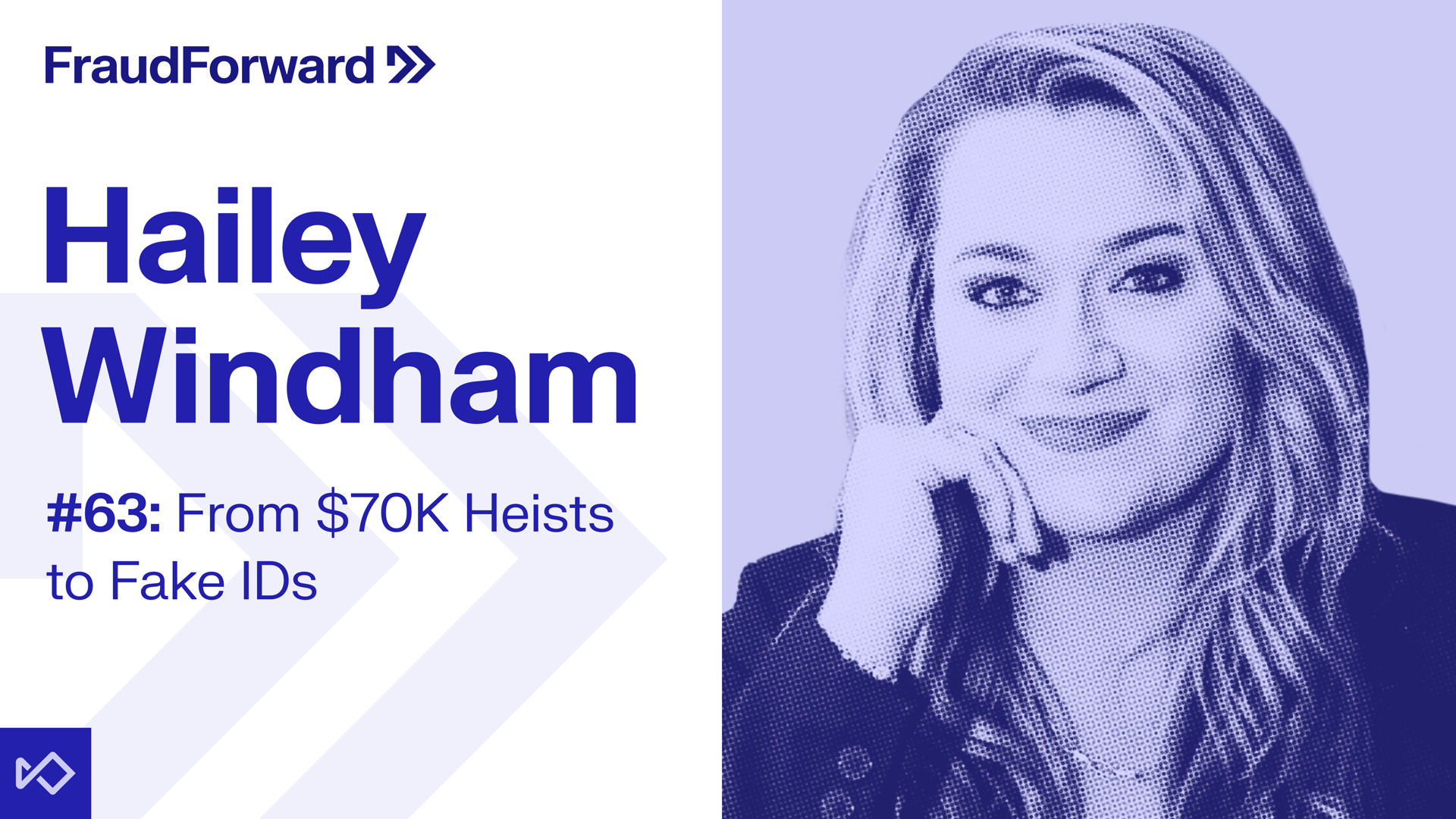
title: Fraudes bancarios y nuevas tendencias: de robos de 70.000 dólares a identidades falsas
source_page: https://www.sardine.ai/es/media/fraud-forward/episodes/banking-frauds-and-new-trends
canonical: https://www.sardine.ai/es/media/fraud-forward/episodes/banking-frauds-and-new-trends
format: text/markdown
date: 2025-08-13T00:00:00.000Z
description: Los fraudes bancarios y las nuevas tendencias revelan 70.000 vaciamientos de cuentas, tomas de control mediante malware y esquemas con identificaciones falsas que muestran dónde los bancos y las cooperativas de crédito enfrentan hoy el mayor riesgo...
---
**Quick links:** [Human page](https://www.sardine.ai/es/media/fraud-forward/episodes/banking-frauds-and-new-trends) · [Home](https://www.sardine.ai) · [Customers](https://www.sardine.ai/es/customers) · [Blog](https://www.sardine.ai/es/blog) · [Demo](https://www.sardine.ai/es/demo)
---
# Fraudes bancarios y nuevas tendencias: de robos de 70.000 dólares a identidades falsas
**Published:** 2025-08-13T00:00:00.000Z
Los fraudes bancarios y las nuevas tendencias revelan 70.000 vaciamientos de cuentas, tomas de control mediante malware y esquemas con identificaciones falsas que muestran dónde los bancos y las cooperativas de crédito enfrentan hoy el mayor riesgo...
¡Qué tal, luchadores contra el fraude, y bienvenidos a Fraud Forward!
Muy bien, vamos a ello, porque los fraudes bancarios y las nuevas tendencias no son riesgos abstractos. Están apareciendo en las sucursales, en las sesiones de banca en línea y en las disputas de reembolso de clientes que escalan rápidamente y se hacen públicas antes de que se resuelvan.
Hoy voy a guiarte a través de casos reales de fraude bancario que ponen en evidencia algo que todos debemos afrontar. Muchos controles de prevención de fraude parecen sólidos hasta que una verdadera prueba de presión por parte de delincuentes hace que se vean las costuras.
Estamos hablando de un fraude bancario con malware de 70.000 dólares que vació la cuenta de un cliente de 74 años, fraude con identificaciones falsas probado en distintas sucursales y de lo que implica el enfoque de FinCEN en el fraude con activos digitales, incluso si tu institución no custodia cripto. Y voy a seguir planteando en voz alta las preguntas que necesitamos hacernos.
Si el reconocimiento del dispositivo es tu señal de autenticación más fuerte, ¿qué sucede cuando el malware opera en un dispositivo de confianza?
Si las sucursales operan de forma independiente, ¿cómo detienes intentos de fraude coordinados entre varias sucursales?
Si las políticas de reembolso no están claras, ¿quién asume el riesgo reputacional?
Tomemos un momento para replantear la situación. Los fraudes bancarios y las nuevas tendencias están dejando al descubierto brechas de control que muchas instituciones dan por cubiertas.
Por qué esto es importante para los combatientes del fraude
Estos casos no son “casos aislados”. Son el modelo de referencia de dónde es más alto el riesgo de fraude para las instituciones financieras en este momento.
Esto es lo que nos están mostrando:
El fraude por toma de control de cuentas no siempre parece una toma de control cuando el malware está dentro de una sesión legítima
El riesgo en la autenticación de dispositivos se convierte en un punto ciego cuando la coincidencia de dispositivos se trata como el fundamento en lugar de una sola capa
El fraude con identificaciones falsas rara vez es un hecho aislado; consiste en pruebas iterativas en distintas sucursales hasta que se abre una brecha.
El fraude entre sucursales es un problema de gobernanza y visibilidad, no solo un problema de verificación de identidad
Las disputas sobre el reembolso a clientes generan exposición reputacional, y la falta de claridad en la responsabilidad convierte el dolor operativo en una escalada pública.
El riesgo bancario de los activos digitales no es “un problema del equipo de cripto”; afecta las transferencias por cable, ACH y los flujos de financiación de cuentas, y repercute rápidamente en el riesgo de fraude BSA y en el cumplimiento en materia de delitos financieros.
Los delincuentes no están esperando a que nuestros flujos de trabajo se pongan al día. Si tus controles dependen de equipos aislados y de una comunicación lenta, estas tendencias de fraude bancario seguirán encontrando resquicios.
Lo que escucharás en este episodio
El análisis detallado de cómo un malware permitió vaciar una cuenta por 70.000 dólares y lo que esto revela sobre las debilidades de los programas antifraude
Por qué la coincidencia de dispositivos por sí sola crea puntos ciegos de autenticación y aumenta el riesgo en la autenticación de dispositivos
Cómo se desarrolla en tiempo real el fraude con identificaciones falsas y los intentos entre sucursales, incluidos los intentos de fraude en múltiples sucursales
Qué significa el enfoque de FinCEN en los activos digitales para las instituciones tradicionales y por qué la colaboración público-privada contra el fraude se está convirtiendo en algo esperado
Lecciones prácticas de investigación de fraude y controles de prevención de fraude que los equipos pueden implementar de inmediato, incluyendo formularios de puntos de pausa y controles para transacciones de alto riesgo
Deberías escuchar este episodio si
Diriges el área de fraude, BSA, cumplimiento o riesgos en un banco o cooperativa de crédito y necesitas una visión más clara del riesgo de fraude en la institución financiera
Están reevaluando las políticas de autenticación, reembolso o escalamiento tras disputas de reembolso con clientes
Se encargan de la comunicación entre sucursales, las operaciones de sucursal o los controles de transacciones de alto riesgo y desean cerrar las brechas en los flujos de trabajo
Están desarrollando mejoras en la prevención de fraudes para cooperativas de crédito y necesitan controles de prevención de fraudes más sólidos entre los equipos de primera línea y los equipos centrales
Están tratando de alinear el fraude, el cumplimiento en materia de delitos financieros y el riesgo de fraude BSA, ya que las tendencias de fraude bancario cruzan esas líneas
Si te gustó este episodio, asegúrate de suscribirte y dejar una reseña de Fraud Forward en Spotify, Apple Podcasts, YouTube o en cualquier plataforma donde escuches tus pódcasts. Realmente ayuda a que más gente lo conozca.
Notas del episodio y puntos clave
### El caso de malware de 70.000 dólares no se trató solo de tecnología
Permíteme asegurarte que este caso no es una historia de “fallo tecnológico”. Es una historia de diseño de controles y de respuesta.
Un dispositivo de confianza inició sesión. Se iniciaron transacciones. Las señales no desencadenaron una intervención de inmediato. Para cuando la pérdida fue plenamente reconocida, el cliente tuvo que escalar el problema públicamente para recibir atención.
El riesgo de la autenticación de dispositivos se vuelve real cuando interviene el fraude bancario mediante malware. Si los estafadores operan a través de una sesión legítima, la excesiva confianza en el reconocimiento del dispositivo genera puntos ciegos.
Puntos de presión operativos:
Dependencia excesiva de las señales del dispositivo como método principal de autenticación
Supervisión conductual limitada añadida como una capa adicional
Brechas de escalamiento en casos bancarios de fraude a personas mayores
Documentación inconsistente durante disputas de reembolso a clientes
Revisión deficiente de señales cruzadas entre el comportamiento de inicio de sesión y las transferencias salientes
La consecuencia no es solo una pérdida financiera. También implica daño reputacional y mayor visibilidad ante los organismos reguladores.
El reconocimiento del dispositivo debe ser una capa, no el fundamento.
### Fraude con identificaciones falsas y pruebas entre sucursales
Los estafadores ponen a prueba a las instituciones en diferentes ubicaciones. Ese es su juego.
Una sucursal rechaza una transacción. Otra sucursal puede no detectar el intento. Sin inteligencia compartida, el fraude entre sucursales se vuelve más fácil de ejecutar y el estafador sigue intentándolo hasta encontrar el punto más débil.
Las debilidades más comunes incluyen:
Controles inconsistentes de transacciones de alto riesgo entre sucursales
Flujos de trabajo de comunicación en tiempo real limitados entre las distintas ubicaciones y los equipos centrales
No existen formularios estructurados de punto de pausa para retiros sospechosos o excepciones de identificación
Controles de prevención de fraude fragmentados entre los equipos de primera línea y los equipos centrales
Visibilidad incompleta de los casos entre sucursales
Estas son deficiencias en los flujos de trabajo y la gobernanza.
Detener los intentos de fraude en múltiples sucursales requiere una coordinación más estrecha, no solo controles de identificación más estrictos.
### El riesgo de los activos digitales es un asunto bancario
Ahora hablemos de lo que muchas instituciones quieren mantener en un compartimento separado. El enfoque de FinCEN en el fraude con activos digitales indica una expectativa más amplia. La exposición no requiere la custodia directa de criptoactivos. Los fondos se mueven primero a través de los canales bancarios tradicionales.
El riesgo bancario de los activos digitales se manifiesta de la siguiente manera:
Transferencias salientes rápidas tras depósitos entrantes
Transacciones estructuradas cerca de los umbrales de reporte
Disputas sobre reembolsos a clientes relacionadas con estafas de inversión
Superposición entre las lecciones de investigación de fraude y el riesgo de fraude según la BSA
Creciente presión para la colaboración público-privada en materia de fraude y la alineación del sector
El fraude, el cumplimiento normativo y la BSA no pueden operar de forma aislada en este contexto. Las tendencias de fraude bancario cruzan cada vez más esas líneas, y el cumplimiento en materia de delitos financieros debe mantenerse conectado con la respuesta al fraude.
### Controles prácticos de prevención del fraude que puedes implementar ahora
Seamos concretos, porque la modernización de la prevención del fraude no es solo un documento de estrategia.
Acciones prácticas que reducen las debilidades de los programas de fraude incluyen:
Considera el reconocimiento del dispositivo como una señal más y, sobre esa base, añade monitoreo del comportamiento y verificaciones de la intención de la transacción.
Agrega formularios estructurados de puntos de pausa para retiros de alto riesgo y escenarios de identificación sospechosa, de modo que la acción del personal de primera línea sea coherente.
Crea un sencillo circuito de alertas de fraude entre sucursales para que puedan ver rápidamente los intentos de prueba
Definir la responsabilidad en las disputas de reembolso al cliente para que el riesgo reputacional se gestione de forma intencional
Refuerza los controles de transacciones de alto riesgo y los disparadores de escalamiento para movimientos rápidos de salida vinculados al riesgo bancario de activos digitales
Establecer una revisión conjunta entre el área de fraude y BSA para los casos que alcancen tanto los umbrales de riesgo de pérdida por fraude como los de riesgo de fraude según BSA
Los fraudes bancarios y las nuevas tendencias no se están desacelerando. La cuestión es si los controles internos evolucionan al mismo ritmo.
La evolución de Banking on Fraudology
La misión sigue siendo la misma:
Elevar la educación sobre prevención del fraude.
Fortalecer el liderazgo de la comunidad bancaria.
Apoyar a los verdaderos operadores dentro de los bancos comunitarios y las cooperativas de crédito.
Crear marcos sólidos para el desarrollo de comunidades contra el fraude.
Impulsar el liderazgo de opinión en la prevención del fraude que esté bien fundamentado y no se base en exageraciones.
El futuro de la prevención del fraude bancario depende de la comunidad.
El futuro de la prevención del fraude en las cooperativas de crédito depende de la colaboración.
El futuro de la evolución de la industria del fraude depende de la inteligencia compartida y de la alineación de valores.
Estamos subiendo de nivel.
Y lo estamos haciendo juntos.
Mantente alerta, mantente informado y sigue impulsando la lucha contra el fraude.
¡Qué tal, luchadores contra el fraude, y bienvenidos a Fraud Forward!
Muy bien, vamos a ello, porque los fraudes bancarios y las nuevas tendencias no son riesgos abstractos. Están apareciendo en las sucursales, en las sesiones de banca en línea y en las disputas de reembolso de clientes que escalan rápidamente y se hacen públicas antes de que se resuelvan.
Hoy voy a guiarte a través de casos reales de fraude bancario que ponen en evidencia algo que todos debemos afrontar. Muchos controles de prevención de fraude parecen sólidos hasta que una verdadera prueba de presión por parte de delincuentes hace que se vean las costuras.
Estamos hablando de un fraude bancario con malware de 70.000 dólares que vació la cuenta de un cliente de 74 años, fraude con identificaciones falsas probado en distintas sucursales y de lo que implica el enfoque de FinCEN en el fraude con activos digitales, incluso si tu institución no custodia cripto. Y voy a seguir planteando en voz alta las preguntas que necesitamos hacernos.
Si el reconocimiento del dispositivo es tu señal de autenticación más fuerte, ¿qué sucede cuando el malware opera en un dispositivo de confianza?
Si las sucursales operan de forma independiente, ¿cómo detienes intentos de fraude coordinados entre varias sucursales?
Si las políticas de reembolso no están claras, ¿quién asume el riesgo reputacional?
Tomemos un momento para replantear la situación. Los fraudes bancarios y las nuevas tendencias están dejando al descubierto brechas de control que muchas instituciones dan por cubiertas.
Por qué esto es importante para los combatientes del fraude
Estos casos no son “casos aislados”. Son el modelo de referencia de dónde es más alto el riesgo de fraude para las instituciones financieras en este momento.
Esto es lo que nos están mostrando:
El fraude por toma de control de cuentas no siempre parece una toma de control cuando el malware está dentro de una sesión legítima
El riesgo en la autenticación de dispositivos se convierte en un punto ciego cuando la coincidencia de dispositivos se trata como el fundamento en lugar de una sola capa
El fraude con identificaciones falsas rara vez es un hecho aislado; consiste en pruebas iterativas en distintas sucursales hasta que se abre una brecha.
El fraude entre sucursales es un problema de gobernanza y visibilidad, no solo un problema de verificación de identidad
Las disputas sobre el reembolso a clientes generan exposición reputacional, y la falta de claridad en la responsabilidad convierte el dolor operativo en una escalada pública.
El riesgo bancario de los activos digitales no es “un problema del equipo de cripto”; afecta las transferencias por cable, ACH y los flujos de financiación de cuentas, y repercute rápidamente en el riesgo de fraude BSA y en el cumplimiento en materia de delitos financieros.
Los delincuentes no están esperando a que nuestros flujos de trabajo se pongan al día. Si tus controles dependen de equipos aislados y de una comunicación lenta, estas tendencias de fraude bancario seguirán encontrando resquicios.
Lo que escucharás en este episodio
El análisis detallado de cómo un malware permitió vaciar una cuenta por 70.000 dólares y lo que esto revela sobre las debilidades de los programas antifraude
Por qué la coincidencia de dispositivos por sí sola crea puntos ciegos de autenticación y aumenta el riesgo en la autenticación de dispositivos
Cómo se desarrolla en tiempo real el fraude con identificaciones falsas y los intentos entre sucursales, incluidos los intentos de fraude en múltiples sucursales
Qué significa el enfoque de FinCEN en los activos digitales para las instituciones tradicionales y por qué la colaboración público-privada contra el fraude se está convirtiendo en algo esperado
Lecciones prácticas de investigación de fraude y controles de prevención de fraude que los equipos pueden implementar de inmediato, incluyendo formularios de puntos de pausa y controles para transacciones de alto riesgo
Deberías escuchar este episodio si
Diriges el área de fraude, BSA, cumplimiento o riesgos en un banco o cooperativa de crédito y necesitas una visión más clara del riesgo de fraude en la institución financiera
Están reevaluando las políticas de autenticación, reembolso o escalamiento tras disputas de reembolso con clientes
Se encargan de la comunicación entre sucursales, las operaciones de sucursal o los controles de transacciones de alto riesgo y desean cerrar las brechas en los flujos de trabajo
Están desarrollando mejoras en la prevención de fraudes para cooperativas de crédito y necesitan controles de prevención de fraudes más sólidos entre los equipos de primera línea y los equipos centrales
Están tratando de alinear el fraude, el cumplimiento en materia de delitos financieros y el riesgo de fraude BSA, ya que las tendencias de fraude bancario cruzan esas líneas
Si te gustó este episodio, asegúrate de suscribirte y dejar una reseña de Fraud Forward en Spotify, Apple Podcasts, YouTube o en cualquier plataforma donde escuches tus pódcasts. Realmente ayuda a que más gente lo conozca.
Notas del episodio y puntos clave
El caso de malware de 70.000 dólares no se trató solo de tecnología
Permíteme asegurarte que este caso no es una historia de “fallo tecnológico”. Es una historia de diseño de controles y de respuesta.
Un dispositivo de confianza inició sesión. Se iniciaron transacciones. Las señales no desencadenaron una intervención de inmediato. Para cuando la pérdida fue plenamente reconocida, el cliente tuvo que escalar el problema públicamente para recibir atención.
El riesgo de la autenticación de dispositivos se vuelve real cuando interviene el fraude bancario mediante malware. Si los estafadores operan a través de una sesión legítima, la excesiva confianza en el reconocimiento del dispositivo genera puntos ciegos.
Puntos de presión operativos:
Dependencia excesiva de las señales del dispositivo como método principal de autenticación
Supervisión conductual limitada añadida como una capa adicional
Brechas de escalamiento en casos bancarios de fraude a personas mayores
Documentación inconsistente durante disputas de reembolso a clientes
Revisión deficiente de señales cruzadas entre el comportamiento de inicio de sesión y las transferencias salientes
La consecuencia no es solo una pérdida financiera. También implica daño reputacional y mayor visibilidad ante los organismos reguladores.
El reconocimiento del dispositivo debe ser una capa, no el fundamento.
Fraude con identificaciones falsas y pruebas entre sucursales
Los estafadores ponen a prueba a las instituciones en diferentes ubicaciones. Ese es su juego.
Una sucursal rechaza una transacción. Otra sucursal puede no detectar el intento. Sin inteligencia compartida, el fraude entre sucursales se vuelve más fácil de ejecutar y el estafador sigue intentándolo hasta encontrar el punto más débil.
Las debilidades más comunes incluyen:
Controles inconsistentes de transacciones de alto riesgo entre sucursales
Flujos de trabajo de comunicación en tiempo real limitados entre las distintas ubicaciones y los equipos centrales
No existen formularios estructurados de punto de pausa para retiros sospechosos o excepciones de identificación
Controles de prevención de fraude fragmentados entre los equipos de primera línea y los equipos centrales
Visibilidad incompleta de los casos entre sucursales
Estas son deficiencias en los flujos de trabajo y la gobernanza.
Detener los intentos de fraude en múltiples sucursales requiere una coordinación más estrecha, no solo controles de identificación más estrictos.
El riesgo de los activos digitales es un asunto bancario
Ahora hablemos de lo que muchas instituciones quieren mantener en un compartimento separado. El enfoque de FinCEN en el fraude con activos digitales indica una expectativa más amplia. La exposición no requiere la custodia directa de criptoactivos. Los fondos se mueven primero a través de los canales bancarios tradicionales.
El riesgo bancario de los activos digitales se manifiesta de la siguiente manera:
Transferencias salientes rápidas tras depósitos entrantes
Transacciones estructuradas cerca de los umbrales de reporte
Disputas sobre reembolsos a clientes relacionadas con estafas de inversión
Superposición entre las lecciones de investigación de fraude y el riesgo de fraude según la BSA
Creciente presión para la colaboración público-privada en materia de fraude y la alineación del sector
El fraude, el cumplimiento normativo y la BSA no pueden operar de forma aislada en este contexto. Las tendencias de fraude bancario cruzan cada vez más esas líneas, y el cumplimiento en materia de delitos financieros debe mantenerse conectado con la respuesta al fraude.
Controles prácticos de prevención del fraude que puedes implementar ahora
Seamos concretos, porque la modernización de la prevención del fraude no es solo un documento de estrategia.
Acciones prácticas que reducen las debilidades de los programas de fraude incluyen:
Considera el reconocimiento del dispositivo como una señal más y, sobre esa base, añade monitoreo del comportamiento y verificaciones de la intención de la transacción.
Agrega formularios estructurados de puntos de pausa para retiros de alto riesgo y escenarios de identificación sospechosa, de modo que la acción del personal de primera línea sea coherente.
Crea un sencillo circuito de alertas de fraude entre sucursales para que puedan ver rápidamente los intentos de prueba
Definir la responsabilidad en las disputas de reembolso al cliente para que el riesgo reputacional se gestione de forma intencional
Refuerza los controles de transacciones de alto riesgo y los disparadores de escalamiento para movimientos rápidos de salida vinculados al riesgo bancario de activos digitales
Establecer una revisión conjunta entre el área de fraude y BSA para los casos que alcancen tanto los umbrales de riesgo de pérdida por fraude como los de riesgo de fraude según BSA
Los fraudes bancarios y las nuevas tendencias no se están desacelerando. La cuestión es si los controles internos evolucionan al mismo ritmo.
La evolución de Banking on Fraudology
La misión sigue siendo la misma:
Elevar la educación sobre prevención del fraude.
Fortalecer el liderazgo de la comunidad bancaria.
Apoyar a los verdaderos operadores dentro de los bancos comunitarios y las cooperativas de crédito.
Crear marcos sólidos para el desarrollo de comunidades contra el fraude.
Impulsar el liderazgo de opinión en la prevención del fraude que esté bien fundamentado y no se base en exageraciones.
El futuro de la prevención del fraude bancario depende de la comunidad.
El futuro de la prevención del fraude en las cooperativas de crédito depende de la colaboración.
El futuro de la evolución de la industria del fraude depende de la inteligencia compartida y de la alineación de valores.
Estamos subiendo de nivel.
Y lo estamos haciendo juntos.
Mantente alerta, mantente informado y sigue impulsando la lucha contra el fraude.