#12128 min
¿Qué tal, luchadores contra el fraude? ¡Bienvenidos a Fraud Forward!
Muy bien, hoy me voy a poner un poco friki, porque el atraco de Bitcoin a Bitfinex es uno de esos casos que vive en mi mente de fraude sin pagar alquiler. No porque sea llamativo, sino porque es un caso de estudio tan claro de robo de activos digitales sobre lo que ocurre cuando la tecnología, la gobernanza y el comportamiento humano se alinean de la peor manera posible.
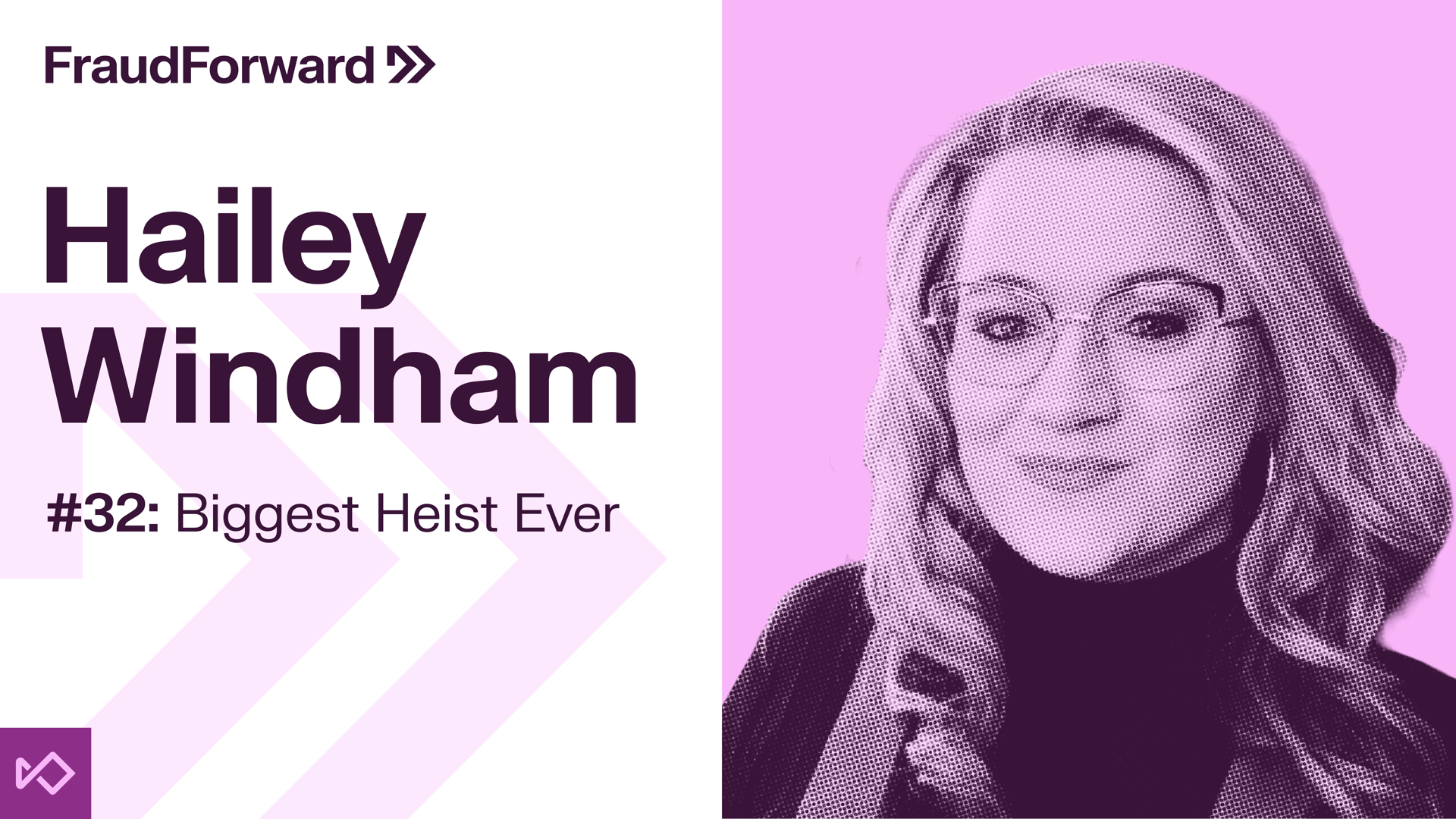
Este episodio está inspirado en el documental “Biggest Heist Ever”, y voy a explicarte qué pasó, cómo pasó y qué quiero que los equipos de fraude aprendan de ello ahora mismo. Porque, independientemente de que tu institución gestione o no un exchange de criptomonedas, la exposición a los activos digitales se está filtrando en el mercado principal a través de alianzas, flujos de pago y la actividad de los clientes. No necesito que entres en pánico, necesito que estés preparado.
Tomémonos un momento para volver a poner todo en contexto. A la gente le encanta decir que “la blockchain es transparente”, como si transparencia fuera lo mismo que seguridad. No lo es. La transparencia de la blockchain puede ayudar con el rastreo de transacciones en blockchain y con el análisis forense en blockchain, pero no evita que se produzca una filtración o compromiso de una clave privada desde el principio. No evita las vulnerabilidades en la custodia de criptoactivos. No corrige automáticamente los fallos en los controles de cripto. La prevención sigue dependiendo de los controles, la monitorización y el gobierno corporativo.
Aquí está lo que analizo en este episodio. El atraco de Bitcoin a Bitfinex suele resumirse como una brecha en un exchange de criptomonedas, pero la historia más profunda está en el punto donde se cruzan los controles técnicos y el fraude que explota el comportamiento humano. Ilya Lichtenstein y Heather Morgan aprovecharon debilidades en los controles del exchange, y lo importante no es solo que “existía una vulnerabilidad”, sino todo el entorno que permitió que la explotación se ampliara y se mantuviera en el tiempo.
Existían controles de monederos multifirma. Existían marcos de seguridad. Y aun así, siguieron ocurriendo robos de criptomonedas a gran escala. Eso debería llevar a todo líder de fraude a preguntarse: “Si el control existe pero el resultado sigue fallando, ¿qué es exactamente lo que está roto?”. A veces es la configuración. A veces es el diseño de accesos. A veces son brechas en la monitorización. Y a veces es la forma en que la gente asume que un control hace más de lo que realmente hace.
También hablamos de cómo se movieron los fondos robados. El lavado de criptomonedas de alto valor no es una línea recta. Es paciente. Es escalonado. Cruza fronteras. Utiliza monederos, mezcladores y tácticas de fragmentación que obligan a los investigadores a realizar investigaciones transfronterizas de criptomonedas que pueden llevar años. Y sí, la historia incluye perspectivas sobre el enjuiciamiento de la ciberdelincuencia y esfuerzos de recuperación de activos digitales que demuestran cómo la perseverancia, el rastreo y la coordinación pueden dar resultados.
Pero, luchadores contra el fraude, quiero que sigamos centrados en la prevención, porque la preparación del equipo de fraude frente a las criptomonedas no se trata solo de saber cómo blanquean los delincuentes. Se trata de asegurarse de que su programa pueda detectar lo que importa desde el principio.
Eso significa una gobernanza de riesgos en cripto. Significa una supervisión de cumplimiento (AML) en cripto diseñada para la realidad de los activos digitales. Significa identificar las brechas en la monitorización de transacciones en cripto antes de que las pérdidas las dejen al descubierto. Significa definir rutas de escalamiento para las transferencias de alto valor, y significa ser honestos sobre el riesgo interno en los exchanges de cripto y el riesgo de credenciales, porque el acceso lo es todo.
Si tu institución tiene cualquier tipo de contacto con activos digitales, este episodio es mi desglose «toma nota» de los controles y las preguntas que deberías estar planteando.
Si te gustó este episodio, asegúrate de suscribirte y dejar una reseña del pódcast en iTunes, Spotify, YouTube o en cualquier plataforma donde escuches pódcasts. Realmente ayuda a que más gente lo conozca.
Permíteme asegurarte que el robo de Bitcoin en Bitfinex no fue “solo un simple hackeo”.
Sí, se trata de una historia de vulneración de un exchange de criptomonedas, pero la lección más profunda es la gobernanza. Había controles de monedero multifirma, y aun así la filtración de claves privadas y las debilidades en el diseño de los controles dejaron espacio para la explotación.
Esto es lo que quiero que los equipos de fraude aprendan de eso:
Una arquitectura sólida debe ir acompañada de una supervisión y revisión disciplinadas.
Ahora hablemos del mito.
El rastreo de transacciones en la cadena de bloques y el análisis forense de blockchain son herramientas poderosas para la investigación y la recuperación, y desempeñaron un papel en los esfuerzos de recuperación de activos digitales. Pero la visibilidad de la cadena de bloques no evitó el robo de Bitcoin de Bitfinex.
La prevención requiere:
Si tu estrategia es «ya lo rastrearemos después», ya estás en un escenario de pérdida.
Esta es la parte que la gente no quiere admitir.
La tecnología no actuó sola. El fraude que explota el comportamiento humano incluye la complacencia, las suposiciones y las respuestas tardías. Cuando los equipos creen que los controles son infalibles, dejan de hacer preguntas difíciles.
Lo que quiero que los programas pongan en práctica:
La preparación del equipo antifraude frente a las criptomonedas depende tanto de la cultura como de la configuración.
La mayoría de los bancos y cooperativas de crédito no están gestionando casas de cambio, pero la exposición a activos digitales ya no está aislada.
Las asociaciones, los flujos de pago y la actividad de los clientes aumentan la interacción con los ecosistemas cripto. El robo de Bitcoin en Bitfinex es un caso práctico de estudio sobre robo de activos digitales que ayuda a las instituciones a evaluar:
La lección no es alarmista. Es constructiva. Controles sólidos, una supervisión reflexiva y un monitoreo disciplinado marcan una diferencia significativa.
La misión sigue siendo la misma:
El futuro de la prevención del fraude bancario depende de la comunidad.
El futuro de la prevención del fraude en las cooperativas de crédito depende de la colaboración.
El futuro de la evolución de la industria del fraude depende de la inteligencia compartida y de la alineación de valores.
Estamos subiendo de nivel.
Y lo estamos haciendo juntos.
Mantente alerta, mantente informado y sigue impulsando la lucha contra el fraude.