
#12128 min
¡Qué tal, luchadores contra el fraude, y bienvenidos a Fraud Forward!
Muy bien, lo voy a decir desde el principio: las redes de estafas coordinadas no son un grupo caótico de estafadores trabajando por su cuenta desde un portátil. Son operaciones estructuradas y organizadas. Son globales. Son intencionales. Y las operaciones de fraude tipo “pig butchering” son uno de los ejemplos más claros de lo que ocurre cuando las estafas del crimen organizado transnacional chocan con la manipulación emocional y el movimiento de dinero a escala industrial.
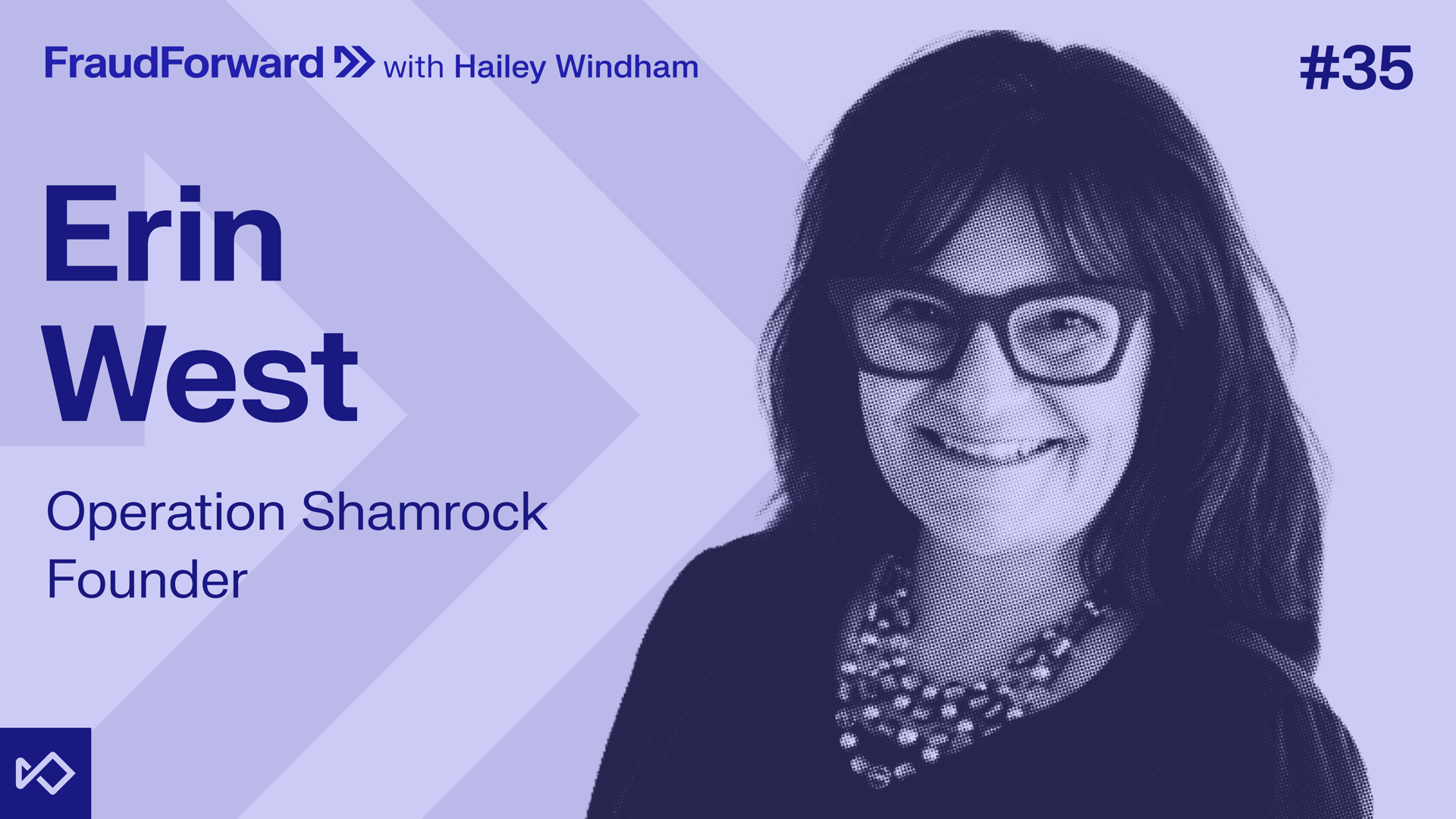
En este episodio, me vuelvo a reunir con Erin West y, luchadores contra el fraude, siempre salgo de las conversaciones con Erin sintiendo dos cosas al mismo tiempo: motivado y enfocado. Ella comparte lo que está viendo ahora que dirige a tiempo completo las iniciativas de la Operación Shamrock, incluido lo que están revelando las investigaciones relacionadas con los complejos de estafas en el Sudeste Asiático sobre cómo funcionan realmente estas operaciones.
Tomemos un momento para recapitular. La razón por la que estos casos siguen destrozando a la gente es que la estafa no es solo el mensaje, es toda la infraestructura.
Estas redes internacionales de fraude llevan a cabo esquemas organizados de ingeniería social con roles, guiones y flujos de trabajo definidos. Utilizan la manipulación de inversiones románticas para enganchar a las víctimas y luego mueven el dinero mediante fraude de transferencias bancarias internacionales y anillos de estafas de inversión en criptomonedas, con estructuras de evasión en las transferencias diseñadas para adelantarse a la revisión bancaria y limitar la recuperación. Eso es lo que quiero que las instituciones financieras reconozcan antes: el patrón es el producto.
Erin y yo hablamos sobre guiones de entrenamiento para víctimas, y necesito que todos los líderes de primera línea que estén escuchando presten atención a esto. Las víctimas son entrenadas. Las preparan. Les dan un lenguaje exacto sobre qué decir cuando un banquero hace preguntas. Eso no es una crítica a las víctimas, es una prueba de lo sofisticada que es la manipulación. Esto es manipulación de pagos autorizados bajo coerción y adoctrinamiento, y por eso no pueden tratarlo como “el cliente insiste, así que cumplimos”.
Lo que Erin está haciendo a través de las iniciativas de Operation Shamrock es traer la realidad a la mesa. Las entrevistas de inteligencia con sobrevivientes nos están dando información sobre lo que se les dice a las víctimas, cómo se las presiona y cómo cambia el coaching con el tiempo. Esa inteligencia ayuda a las instituciones a afinar las conversaciones, la escalada y la documentación.
Y me encanta que el enfoque de Erin no sea catastrofista. Es práctico. Cuando los bancos crean grupos de trabajo sobre fraude bancario, alinean patrones entre instituciones y establecen ciclos de aprendizaje en tiempo real, la detección mejora. Eso es la prevención de estafas intersectorial en acción, y así es como deberían ser los esfuerzos de las coaliciones contra las estafas: enfocados, colaborativos y diseñados para la rapidez.
Porque la revisión a nivel de transacción por sí sola no es suficiente. El movimiento del dinero es por capas, utiliza flujos de lavado a través de monederos de criptomonedas, rebota, se fragmenta y se oculta detrás de una infraestructura global de fraude diseñada para crear separación entre la víctima y el beneficiario. Si solo miras una transacción en un momento dado, te perderás toda la historia.
Así que en este episodio explico lo que Erin está viendo, en qué quiero que se capaciten las instituciones y cómo interrumpir esto antes, con mejores preguntas, mejor documentación y una colaboración más estrecha con los socios de colaboración en fraude de las fuerzas del orden y con colegas de otros sectores.
Si te gustó este episodio, asegúrate de suscribirte y dejar una reseña del pódcast en iTunes, Spotify, YouTube o en cualquier plataforma donde escuches pódcasts. Realmente ayuda a que más gente lo conozca.
Permíteme asegurarte que las redes de estafas coordinadas operan con jerarquía, especialización y procesos repetibles.
Las operaciones de fraude de tipo pig butchering tienen una estructura organizada:
Cuando entiendes esa estructura, dejas de tratar los patrones como coincidencias. Montos de transferencia similares, destinos de billeteras de criptomonedas repetidos, actividad sincronizada de fraude con transferencias internacionales entre clientes no relacionados: esas son señales de una infraestructura global de fraude, no de un azar cualquiera.
Esta es una de las partes más importantes del episodio.
Las entrevistas con sobrevivientes muestran que los guiones de adoctrinamiento de las víctimas se preparan de antemano. A las víctimas se les indica exactamente qué decir si un empleado del banco les hace preguntas. Ese conocimiento ayuda a los equipos de primera línea a reconocer un lenguaje ensayado y patrones de resistencia sin culpar a la víctima.
Lo que quiero que incluyan los programas de educación de las instituciones financieras:
El asesoramiento a las víctimas es predecible porque está operacionalizado. Eso es una buena noticia, porque los patrones predecibles pueden detectarse.
Los fondos vinculados a redes de estafas coordinadas se mueven a través de cuentas en capas, transferencias estructuradas y flujos de lavado en monederos de criptomonedas.
Esta separación es intencional. Crea distancia entre la víctima y el beneficiario final, lo que complica el rastreo y la recuperación.
Por eso es tan importante la prevención de estafas entre sectores. Los bancos ven el pago. Las plataformas ven el proceso de captación. Las telecomunicaciones ven el contacto. Las fuerzas del orden ven la red. Cuando mejora la comunicación entre esos sectores, la desarticulación se vuelve más realista.
Me encanta lo que están haciendo aquí las iniciativas de Operation Shamrock.
Los grupos de trabajo sobre fraudes bancarios crean un ciclo de retroalimentación:
La colaboración contra el fraude por parte de las fuerzas del orden y los esfuerzos de las coaliciones antiestafa fortalecen todo el ecosistema. Las redes de estafas coordinadas se adaptan rápidamente, pero las instituciones que colaboran, perfeccionan su documentación y agilizan la escalada también se adaptan con mayor rapidez.
La misión sigue siendo la misma:
El futuro de la prevención del fraude bancario depende de la comunidad.
El futuro de la prevención del fraude en las cooperativas de crédito depende de la colaboración.
El futuro de la evolución de la industria del fraude depende de la inteligencia compartida y de la alineación de valores.
Estamos subiendo de nivel.
Y lo estamos haciendo juntos.
Mantente alerta, mantente informado y sigue impulsando la lucha contra el fraude.