
#12128 min
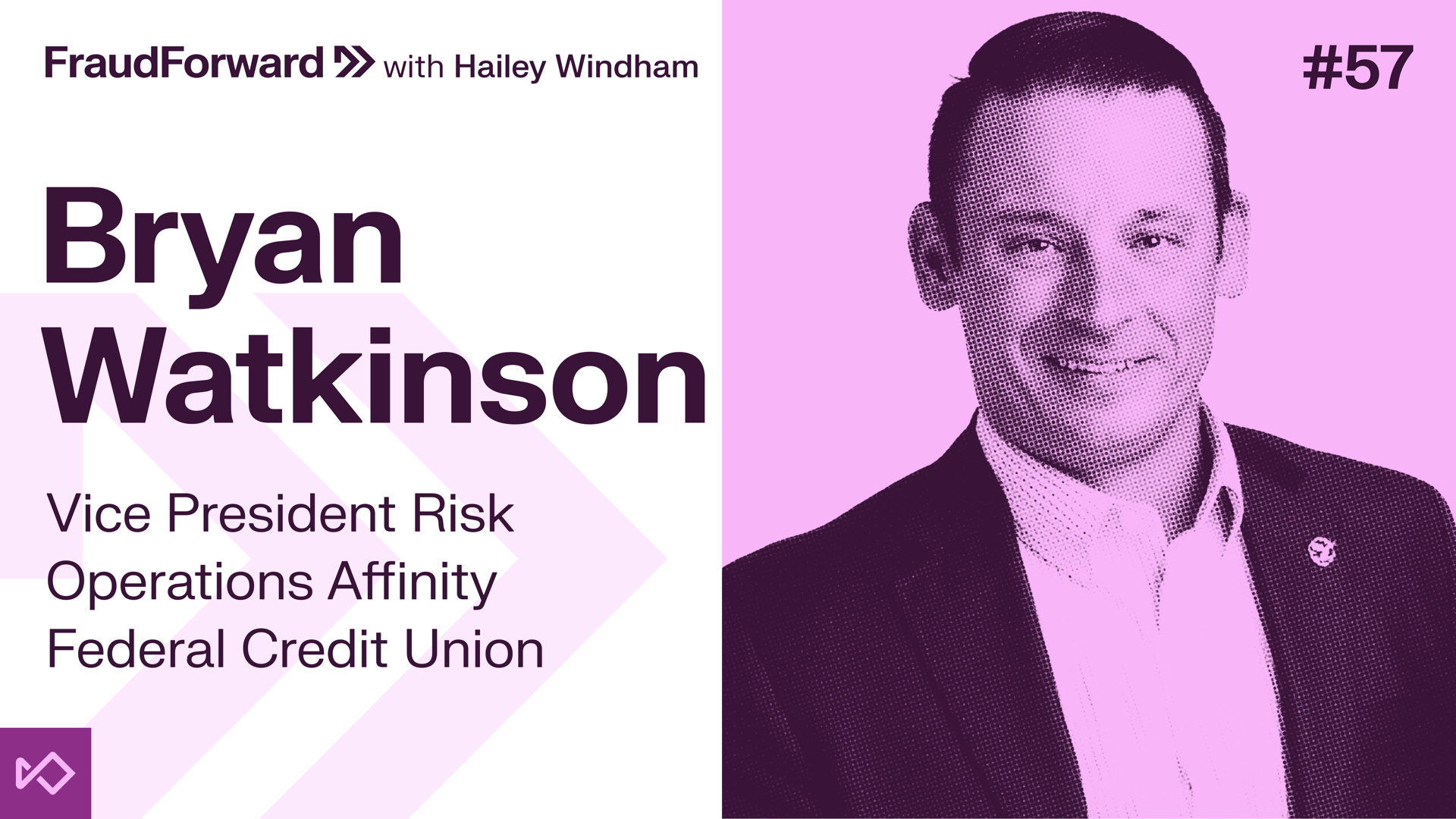
¡Qué tal, luchadores contra el fraude, y bienvenidos a Fraud Forward!
Fraud Forward funciona gracias a Sardine.
Muy bien, vamos a ello, porque la gestión de riesgos en las cooperativas de crédito hoy en día no es un trabajo de una sola vía. La exposición al fraude sigue evolucionando, las amenazas de ciberseguridad se mantienen volátiles y el cumplimiento en la banca de cannabis añade toda una capa adicional de complejidad normativa. Los líderes de riesgo están equilibrando múltiples verticales a la vez, y el objetivo no es vivir en un modo de crisis constante, sino ejercer un liderazgo estable y una priorización disciplinada.
En este episodio, hablo con Bryan Watkinson de Affinity Federal Credit Union sobre cómo gestionar el riesgo multivertical en una institución de tamaño medio. Abordamos la prevención del fraude en las cooperativas de crédito, la supervisión del riesgo operativo, la priorización del riesgo de ciberseguridad y el riesgo en la banca para el sector del cannabis, sin fingir que cualquiera de estos pueda ignorarse.
Porque el trabajo no consiste solo en identificar riesgos, sino en construir una cultura de riesgo empresarial en la que los equipos entiendan qué es lo más importante, cuándo deben escalar un problema y cómo mantenerse alineados entre departamentos.
Tomémonos un momento para recomponer la situación. La forma más rápida de agotar un programa de riesgos es vivir en ciclos reactivos que nunca se detienen.
La gestión de riesgos de las cooperativas de crédito se fortalece cuando puedes equilibrar:
Y quiero destacar esto. En las operaciones de cooperativas de crédito medianas, las limitaciones de personal son reales. Así que la priorización tiene que ser deliberada; no se trata solo de que gane la alerta más ruidosa.
Si te gustó este episodio, sigue Fraud Forward en Spotify, Apple Podcasts, YouTube o en tu plataforma preferida para conversaciones de alto nivel ejecutivo sobre fraude y liderazgo en gestión de riesgos.
La gestión de riesgos en las cooperativas de crédito exige cada vez más una coordinación entre la prevención del fraude en las propias cooperativas, la supervisión de la ciberseguridad y los ámbitos de cumplimiento normativo.
Las operaciones de cooperativas de crédito de tamaño medio a menudo se enfrentan a limitaciones de personal mientras gestionan superficies de riesgo en expansión. La priorización debe ser deliberada.
Un enfoque equilibrado y fundamentado incluye:
Una supervisión eficaz del riesgo operativo equilibra el riesgo de fraude a corto plazo con la resiliencia del sistema a largo plazo.
El riesgo en la banca de cannabis introduce una dimensión regulatoria adicional, y el cumplimiento normativo en la banca de cannabis requiere una atención específica sin convertir al resto de la institución en una fuente de estrés colateral.
El riesgo regulatorio en la banca para el sector del cannabis suele incluir:
Los marcos de gobernanza de riesgos deben garantizar que los sectores especializados reciban una supervisión específica, manteniéndose al mismo tiempo integrados en los procesos generales de la organización.
Permíteme asegurarte que la supervisión del riesgo operativo mejora cuando la comunicación es coherente y accesible.
Los programas de comunicación sobre concienciación del fraude, como los informes periódicos de riesgos y las iniciativas de participación en riesgos a nivel de sucursal, hacen que las amenazas emergentes sean más tangibles. La comunicación sobre gestión de riesgos debería:
La cultura de riesgo empresarial se fortalece cuando el personal de primera línea comprende cómo sus acciones se relacionan con la exposición general de la organización y cuando los líderes refuerzan la transparencia del riesgo en las instituciones financieras.
La alineación de riesgos entre funciones es donde los programas de riesgo dejan de ser teóricos y pasan a ser operativos.
Los equipos se benefician de:
La transparencia del riesgo en las instituciones financieras respalda la rendición de cuentas, y la madurez organizacional en la gestión del riesgo aumenta cuando la supervisión incluye reevaluaciones periódicas, no solo ciclos de revisión anuales.
Las implicaciones para el liderazgo tienen que ver con la sostenibilidad. El liderazgo de riesgos en las instituciones financieras debe evitar ciclos impulsados por reacciones que generen fatiga y puntos ciegos.
Qué genera resiliencia:
La gestión de riesgos en las cooperativas de crédito es más eficaz cuando las instituciones alinean la priorización del riesgo de fraude, la ciber-vigilancia y el monitoreo de cumplimiento dentro de un marco operativo coherente.
La misión sigue siendo la misma:
El futuro de la prevención del fraude bancario depende de la comunidad.
El futuro de la prevención del fraude en las cooperativas de crédito depende de la colaboración.
El futuro de la evolución de la industria del fraude depende de la inteligencia compartida y de la alineación de valores.
Estamos subiendo de nivel.
Y lo estamos haciendo juntos.
Mantente alerta, mantente informado y sigue impulsando la lucha contra el fraude.