---
title: Inteligencia contra el fraude intersectorial y modernización de la Sección 314(b): Pregúntanos lo que sea con Frank McKenna
source_page: https://www.sardine.ai/es/media/fraud-forward/episodes/cross-industry-fraud-intelligence
canonical: https://www.sardine.ai/es/media/fraud-forward/episodes/cross-industry-fraud-intelligence
format: text/markdown
date: 2025-08-06T00:00:00.000Z
description: Las pérdidas por fraude entre instituciones aumentan mientras los equipos se mantienen sin cambios. La coordinación tardía y los datos de riesgo aislados ralentizan los tiempos de respuesta y aumentan la exposición en todas las instituciones…
---
**Quick links:** [Human page](https://www.sardine.ai/es/media/fraud-forward/episodes/cross-industry-fraud-intelligence) · [Home](https://www.sardine.ai) · [Customers](https://www.sardine.ai/es/customers) · [Blog](https://www.sardine.ai/es/blog) · [Demo](https://www.sardine.ai/es/demo)
---
# Inteligencia contra el fraude intersectorial y modernización de la Sección 314(b): Pregúntanos lo que sea con Frank McKenna
**Published:** 2025-08-06T00:00:00.000Z
Las pérdidas por fraude entre instituciones aumentan mientras los equipos se mantienen sin cambios. La coordinación tardía y los datos de riesgo aislados ralentizan los tiempos de respuesta y aumentan la exposición en todas las instituciones…
¡Qué tal, luchadores contra el fraude, y bienvenidos a Fraud Forward!
Fraud Forward funciona gracias a Sardine.
Muy bien, vamos a ello, porque la inteligencia contra el fraude entre industrias ya no es opcional. La delincuencia financiera se está desplazando entre instituciones, redes de pago, proveedores de telecomunicaciones y plataformas digitales en tiempo real, y aun así la mayoría de los equipos siguen intentando responder con datos de riesgo aislados y una coordinación tardía.
Y esta es la parte que me dan ganas de tirar la mesa por los aires. El intercambio de información sobre fraudes según la 314(b) se creó para una época más lenta. Sigue siendo importante, al cien por cien, pero no se diseñó para redes coordinadas que pueden probar, cambiar de táctica y mover fondos en cuestión de minutos.
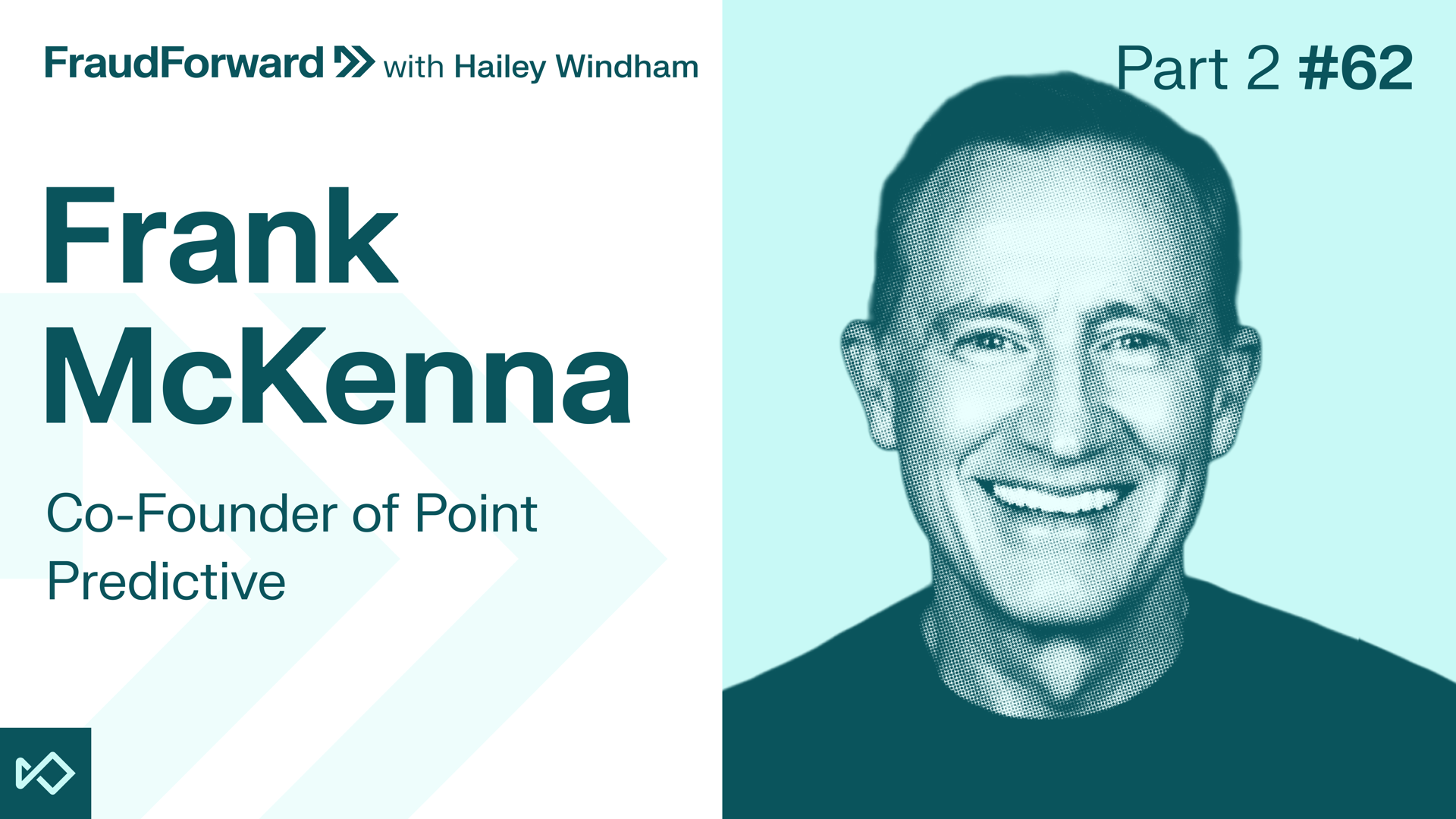
Así que en esta sesión en vivo de Pregúntanos lo que sea, me acompaña Frank McKenna y vamos a desglosar a qué se enfrentan ahora mismo los líderes de fraude. No es un debate de políticas a alto nivel. Es una conversación práctica, centrada en los operadores, sobre el intercambio de información en materia de delitos financieros, el intercambio de información de fraude en tiempo real y cómo se ve realmente la modernización de la prevención del fraude cuando el tamaño de tu equipo se mantiene estable y la velocidad de las amenazas no deja de acelerarse.
Por qué esto es importante para los combatientes del fraude
El fraude no ocurre de forma aislada, y nuestras defensas tampoco deberían hacerlo.
Aquí está el problema estructural:
Los equipos solo ven fragmentos aislados en lugar de esquemas coordinados porque la visibilidad del fraude a nivel de todo el ecosistema es limitada
La inteligencia de fraude aislada ralentiza las investigaciones y, cuando las señales se conectan, el dinero ya ha desaparecido
La colaboración contra el fraude entre industrias se desmorona operativamente porque los flujos de trabajo son inconsistentes y la participación es desigual
Sin información sobre fraude a nivel de entidad, estás supervisando cuentas, no redes
La inteligencia de riesgo compartida es el control que mantiene el ritmo de la velocidad, pero no se está tratando como un control central en todas partes.
Y mientras lidiamos con eso, la detección de fraude de identidad sintética se está volviendo más costosa de resolver después de la incorporación, y las amenazas de identidades falsas generadas por deepfakes se están acelerando. Si tu modelo depende de la supervisión de una sola institución y de verificaciones puntuales, los delincuentes aprovecharán los puntos ciegos.
Lo que escucharás en este episodio
Dónde está fallando en la práctica el intercambio de información sobre fraudes según la Sección 314(b) y cómo podría ser su modernización
Por qué el intercambio de información sobre fraudes en tiempo real es fundamental antes de que se muevan los fondos, y no después de que se registren las pérdidas
Cómo la inteligencia contra el fraude entre industrias mejora la visibilidad del fraude en todo el ecosistema y reduce la duplicación de investigaciones
Cómo es operativamente la detección de fraude de identidad sintética y por qué la remediación resulta tan costosa una vez que se han abierto las cuentas
Cómo las amenazas de identidad con deepfakes están socavando la verificación tradicional y por qué la supervisión en capas es importante
Cómo la supervisión del fraude interno y la cultura determinan si las señales de riesgo se escalan o se racionalizan silenciosamente
Dónde las investigaciones de fraude asistidas por IA pueden ayudar a los equipos a avanzar más rápido sin sacrificar el criterio
Deberías escuchar este episodio si
Diriges programas de fraude, AML o BSA dentro de un banco o cooperativa de crédito y necesitas un intercambio de información sobre delitos financieros más sólido
Tienen dificultades con inteligencia de fraude aislada y desean información práctica sobre la colaboración contra el fraude entre diferentes sectores
Están evaluando la modernización de la prevención del fraude y quieren entender qué es lo que realmente cambia los resultados
Están gestionando casos de detección de fraude de identidad sintética, amenazas de identidad con deepfakes o desafíos de monitoreo de fraude interno
Estás al comienzo de tu carrera y quieres orientación para desarrollar criterio investigativo y credibilidad dentro de las organizaciones de riesgo
Si te gustó este episodio, sigue Fraud Forward en Spotify, Apple Podcasts, YouTube o en tu plataforma preferida para más conversaciones centradas en los operadores sobre fraude y riesgo institucional.
Notas del episodio y puntos clave
### Inteligencia contra el fraude intersectorial y compartición de información sobre fraude conforme a la sección 314(b)
El fraude ya no opera dentro de los límites institucionales. Las redes criminales ponen a prueba los controles en múltiples bancos, fintechs, proveedores de telecomunicaciones y plataformas digitales antes de que las instituciones puedan siquiera conectar las señales.
Frank me ayuda a desglosar en qué aspectos el intercambio de información sobre fraudes conforme a la Sección 314(b) se está quedando corto en la práctica:
La participación en el 314(b) suele ser desigual, inconsistente o demasiado lenta para seguir el ritmo de la velocidad de las amenazas
Las instituciones con frecuencia se enteran de la exposición compartida solo después de que ya se han producido pérdidas
Los flujos de trabajo operativos no siempre permiten compartir información sobre fraudes en tiempo real
La brecha entre la velocidad del fraude y la modernización regulatoria sigue ampliándose
La idea central es sencilla. Sin una inteligencia antifraude intersectorial más sólida, los equipos investigan fragmentos aislados en lugar de esquemas coordinados.
Qué debe cumplirse para que la modernización funcione:
Las señales se acercan más al tiempo real, antes de que se muevan los fondos
Las instituciones crean procesos repetibles para definir qué se comparte, cuándo y cómo.
La inteligencia de riesgos compartida se convierte en un control fundamental, no en algo “agradable de tener”.
Los conocimientos sobre fraude a nivel de entidad se priorizan para que los equipos puedan ver redes, no solo cuentas
### Detección de fraude de identidad sintética y amenazas de identidad mediante deepfakes
Permíteme asegurarte que la detección de fraude de identidad sintética es uno de los problemas operativos más costosos del edificio.
Los estafadores combinan identidades fabricadas con credenciales legítimas y, una vez que se abre una cuenta, la remediación se vuelve muy complicada:
Más tiempo, más trabajo manual, más excepciones
Decisiones más difíciles sobre la fricción con el cliente
Investigaciones más largas y pérdidas posteriores
Y ahora las amenazas de identidad mediante deepfakes lo están empeorando al debilitar los controles tradicionales de verificación.
Temas clave de esta sección:
Las verificaciones de identidad puntuales no son suficientes cuando la amenaza evoluciona después de la incorporación
La supervisión por capas debe combinar la identidad, el comportamiento, el contexto de la entidad y los patrones de transacción
Las instituciones que dependen únicamente de la verificación estática corren el riesgo de pasar por alto señales de riesgo de entidades a largo plazo
Las investigaciones de fraude asistidas por IA pueden ser útiles, pero solo si los equipos mantienen un sólido criterio investigativo
### Supervisión interna del fraude y cultura antifraude dentro de las instituciones financieras
La prevención del fraude no se trata solo de modelos y herramientas. La cultura determina si el comportamiento sospechoso se eleva, se ignora o se justifica silenciosamente. Al cien por ciento.
Esta sección explica cómo se puede implementar la supervisión interna del fraude sin erosionar la confianza:
Vías seguras de escalamiento para que los empleados puedan plantear inquietudes sin temor a represalias
Reconocimiento para el personal que alza la voz y detecta comportamientos sospechosos a tiempo
Gobernanza clara para que el riesgo de acceso interno se trate con seriedad
Escepticismo investigativo que protege la integridad sin envenenar la moral
También hablamos directamente con profesionales de fraude en las primeras etapas de su carrera sobre:
Desarrollar criterio investigativo mediante hábitos disciplinados en el trabajo de casos
Navegar la política interna manteniendo la integridad del cumplimiento
Ganar credibilidad documentando adecuadamente, escalando cuando corresponde y manteniéndose coherente
### IA, deepfakes y preparación institucional
La IA ya no es algo teórico. Está transformando tanto los patrones de ataque como los flujos de trabajo de investigación.
Y esta es la realidad para las instituciones más pequeñas. Puede que no puedan gastar más que los grandes bancos en herramientas, pero sin duda pueden mejorar los resultados mediante la coordinación:
Prioriza la colaboración contra el fraude entre distintos sectores para compensar las limitaciones de recursos
Mejorar el flujo interno de información para que las señales no se pierdan en las bandejas de entrada
Invertir en inteligencia de riesgos compartida y en una visibilidad del fraude a nivel de todo el ecosistema
Optimiza los flujos de trabajo operativos para que el intercambio de información sobre fraudes en tiempo real sea posible
El fraude se está acelerando a través de los límites institucionales. Los equipos que inviertan en inteligencia de fraude intersectorial, coordinación operativa y alineación cultural estarán mejor posicionados para responder.
La evolución de Banking on Fraudology
La misión sigue siendo la misma:
Elevar la educación sobre prevención del fraude.
Fortalecer el liderazgo de la comunidad bancaria.
Apoyar a los verdaderos operadores dentro de los bancos comunitarios y las cooperativas de crédito.
Crear marcos sólidos para el desarrollo de comunidades contra el fraude.
Impulsar un liderazgo de opinión en la prevención del fraude que sea sólido y realista, no exagerado.
El futuro de la prevención del fraude bancario depende de la comunidad.
El futuro de la prevención del fraude en las cooperativas de crédito depende de la colaboración.
El futuro de la evolución de la industria del fraude depende de la inteligencia compartida y de la alineación de valores.
Estamos subiendo de nivel.
Y lo estamos haciendo juntos.
Mantente alerta, mantente informado y sigue impulsando la lucha contra el fraude.
¡Qué tal, luchadores contra el fraude, y bienvenidos a Fraud Forward!
Fraud Forward funciona gracias a Sardine.
Muy bien, vamos a ello, porque la inteligencia contra el fraude entre industrias ya no es opcional. La delincuencia financiera se está desplazando entre instituciones, redes de pago, proveedores de telecomunicaciones y plataformas digitales en tiempo real, y aun así la mayoría de los equipos siguen intentando responder con datos de riesgo aislados y una coordinación tardía.
Y esta es la parte que me dan ganas de tirar la mesa por los aires. El intercambio de información sobre fraudes según la 314(b) se creó para una época más lenta. Sigue siendo importante, al cien por cien, pero no se diseñó para redes coordinadas que pueden probar, cambiar de táctica y mover fondos en cuestión de minutos.
Así que en esta sesión en vivo de Pregúntanos lo que sea, me acompaña Frank McKenna y vamos a desglosar a qué se enfrentan ahora mismo los líderes de fraude. No es un debate de políticas a alto nivel. Es una conversación práctica, centrada en los operadores, sobre el intercambio de información en materia de delitos financieros, el intercambio de información de fraude en tiempo real y cómo se ve realmente la modernización de la prevención del fraude cuando el tamaño de tu equipo se mantiene estable y la velocidad de las amenazas no deja de acelerarse.
Por qué esto es importante para los combatientes del fraude
El fraude no ocurre de forma aislada, y nuestras defensas tampoco deberían hacerlo.
Aquí está el problema estructural:
Los equipos solo ven fragmentos aislados en lugar de esquemas coordinados porque la visibilidad del fraude a nivel de todo el ecosistema es limitada
La inteligencia de fraude aislada ralentiza las investigaciones y, cuando las señales se conectan, el dinero ya ha desaparecido
La colaboración contra el fraude entre industrias se desmorona operativamente porque los flujos de trabajo son inconsistentes y la participación es desigual
Sin información sobre fraude a nivel de entidad, estás supervisando cuentas, no redes
La inteligencia de riesgo compartida es el control que mantiene el ritmo de la velocidad, pero no se está tratando como un control central en todas partes.
Y mientras lidiamos con eso, la detección de fraude de identidad sintética se está volviendo más costosa de resolver después de la incorporación, y las amenazas de identidades falsas generadas por deepfakes se están acelerando. Si tu modelo depende de la supervisión de una sola institución y de verificaciones puntuales, los delincuentes aprovecharán los puntos ciegos.
Lo que escucharás en este episodio
Dónde está fallando en la práctica el intercambio de información sobre fraudes según la Sección 314(b) y cómo podría ser su modernización
Por qué el intercambio de información sobre fraudes en tiempo real es fundamental antes de que se muevan los fondos, y no después de que se registren las pérdidas
Cómo la inteligencia contra el fraude entre industrias mejora la visibilidad del fraude en todo el ecosistema y reduce la duplicación de investigaciones
Cómo es operativamente la detección de fraude de identidad sintética y por qué la remediación resulta tan costosa una vez que se han abierto las cuentas
Cómo las amenazas de identidad con deepfakes están socavando la verificación tradicional y por qué la supervisión en capas es importante
Cómo la supervisión del fraude interno y la cultura determinan si las señales de riesgo se escalan o se racionalizan silenciosamente
Dónde las investigaciones de fraude asistidas por IA pueden ayudar a los equipos a avanzar más rápido sin sacrificar el criterio
Deberías escuchar este episodio si
Diriges programas de fraude, AML o BSA dentro de un banco o cooperativa de crédito y necesitas un intercambio de información sobre delitos financieros más sólido
Tienen dificultades con inteligencia de fraude aislada y desean información práctica sobre la colaboración contra el fraude entre diferentes sectores
Están evaluando la modernización de la prevención del fraude y quieren entender qué es lo que realmente cambia los resultados
Están gestionando casos de detección de fraude de identidad sintética, amenazas de identidad con deepfakes o desafíos de monitoreo de fraude interno
Estás al comienzo de tu carrera y quieres orientación para desarrollar criterio investigativo y credibilidad dentro de las organizaciones de riesgo
Si te gustó este episodio, sigue Fraud Forward en Spotify, Apple Podcasts, YouTube o en tu plataforma preferida para más conversaciones centradas en los operadores sobre fraude y riesgo institucional.
Notas del episodio y puntos clave
Inteligencia contra el fraude intersectorial y compartición de información sobre fraude conforme a la sección 314(b)
El fraude ya no opera dentro de los límites institucionales. Las redes criminales ponen a prueba los controles en múltiples bancos, fintechs, proveedores de telecomunicaciones y plataformas digitales antes de que las instituciones puedan siquiera conectar las señales.
Frank me ayuda a desglosar en qué aspectos el intercambio de información sobre fraudes conforme a la Sección 314(b) se está quedando corto en la práctica:
La participación en el 314(b) suele ser desigual, inconsistente o demasiado lenta para seguir el ritmo de la velocidad de las amenazas
Las instituciones con frecuencia se enteran de la exposición compartida solo después de que ya se han producido pérdidas
Los flujos de trabajo operativos no siempre permiten compartir información sobre fraudes en tiempo real
La brecha entre la velocidad del fraude y la modernización regulatoria sigue ampliándose
La idea central es sencilla. Sin una inteligencia antifraude intersectorial más sólida, los equipos investigan fragmentos aislados en lugar de esquemas coordinados.
Qué debe cumplirse para que la modernización funcione:
Las señales se acercan más al tiempo real, antes de que se muevan los fondos
Las instituciones crean procesos repetibles para definir qué se comparte, cuándo y cómo.
La inteligencia de riesgos compartida se convierte en un control fundamental, no en algo “agradable de tener”.
Los conocimientos sobre fraude a nivel de entidad se priorizan para que los equipos puedan ver redes, no solo cuentas
Detección de fraude de identidad sintética y amenazas de identidad mediante deepfakes
Permíteme asegurarte que la detección de fraude de identidad sintética es uno de los problemas operativos más costosos del edificio.
Los estafadores combinan identidades fabricadas con credenciales legítimas y, una vez que se abre una cuenta, la remediación se vuelve muy complicada:
Más tiempo, más trabajo manual, más excepciones
Decisiones más difíciles sobre la fricción con el cliente
Investigaciones más largas y pérdidas posteriores
Y ahora las amenazas de identidad mediante deepfakes lo están empeorando al debilitar los controles tradicionales de verificación.
Temas clave de esta sección:
Las verificaciones de identidad puntuales no son suficientes cuando la amenaza evoluciona después de la incorporación
La supervisión por capas debe combinar la identidad, el comportamiento, el contexto de la entidad y los patrones de transacción
Las instituciones que dependen únicamente de la verificación estática corren el riesgo de pasar por alto señales de riesgo de entidades a largo plazo
Las investigaciones de fraude asistidas por IA pueden ser útiles, pero solo si los equipos mantienen un sólido criterio investigativo
Supervisión interna del fraude y cultura antifraude dentro de las instituciones financieras
La prevención del fraude no se trata solo de modelos y herramientas. La cultura determina si el comportamiento sospechoso se eleva, se ignora o se justifica silenciosamente. Al cien por ciento.
Esta sección explica cómo se puede implementar la supervisión interna del fraude sin erosionar la confianza:
Vías seguras de escalamiento para que los empleados puedan plantear inquietudes sin temor a represalias
Reconocimiento para el personal que alza la voz y detecta comportamientos sospechosos a tiempo
Gobernanza clara para que el riesgo de acceso interno se trate con seriedad
Escepticismo investigativo que protege la integridad sin envenenar la moral
También hablamos directamente con profesionales de fraude en las primeras etapas de su carrera sobre:
Desarrollar criterio investigativo mediante hábitos disciplinados en el trabajo de casos
Navegar la política interna manteniendo la integridad del cumplimiento
Ganar credibilidad documentando adecuadamente, escalando cuando corresponde y manteniéndose coherente
IA, deepfakes y preparación institucional
La IA ya no es algo teórico. Está transformando tanto los patrones de ataque como los flujos de trabajo de investigación.
Y esta es la realidad para las instituciones más pequeñas. Puede que no puedan gastar más que los grandes bancos en herramientas, pero sin duda pueden mejorar los resultados mediante la coordinación:
Prioriza la colaboración contra el fraude entre distintos sectores para compensar las limitaciones de recursos
Mejorar el flujo interno de información para que las señales no se pierdan en las bandejas de entrada
Invertir en inteligencia de riesgos compartida y en una visibilidad del fraude a nivel de todo el ecosistema
Optimiza los flujos de trabajo operativos para que el intercambio de información sobre fraudes en tiempo real sea posible
El fraude se está acelerando a través de los límites institucionales. Los equipos que inviertan en inteligencia de fraude intersectorial, coordinación operativa y alineación cultural estarán mejor posicionados para responder.
La evolución de Banking on Fraudology
La misión sigue siendo la misma:
Elevar la educación sobre prevención del fraude.
Fortalecer el liderazgo de la comunidad bancaria.
Apoyar a los verdaderos operadores dentro de los bancos comunitarios y las cooperativas de crédito.
Crear marcos sólidos para el desarrollo de comunidades contra el fraude.
Impulsar un liderazgo de opinión en la prevención del fraude que sea sólido y realista, no exagerado.
El futuro de la prevención del fraude bancario depende de la comunidad.
El futuro de la prevención del fraude en las cooperativas de crédito depende de la colaboración.
El futuro de la evolución de la industria del fraude depende de la inteligencia compartida y de la alineación de valores.
Estamos subiendo de nivel.
Y lo estamos haciendo juntos.
Mantente alerta, mantente informado y sigue impulsando la lucha contra el fraude.