


#12128 min
¡Qué tal, luchadores contra el fraude! Bienvenidos a Fraud Forward.
Hoy vamos a profundizar en una de las amenazas que están evolucionando más rápido y que estamos viendo actualmente en las instituciones financieras: las estafas de inversión en criptomonedas y la creciente necesidad de una protección más sólida contra los delitos relacionados con cripto.
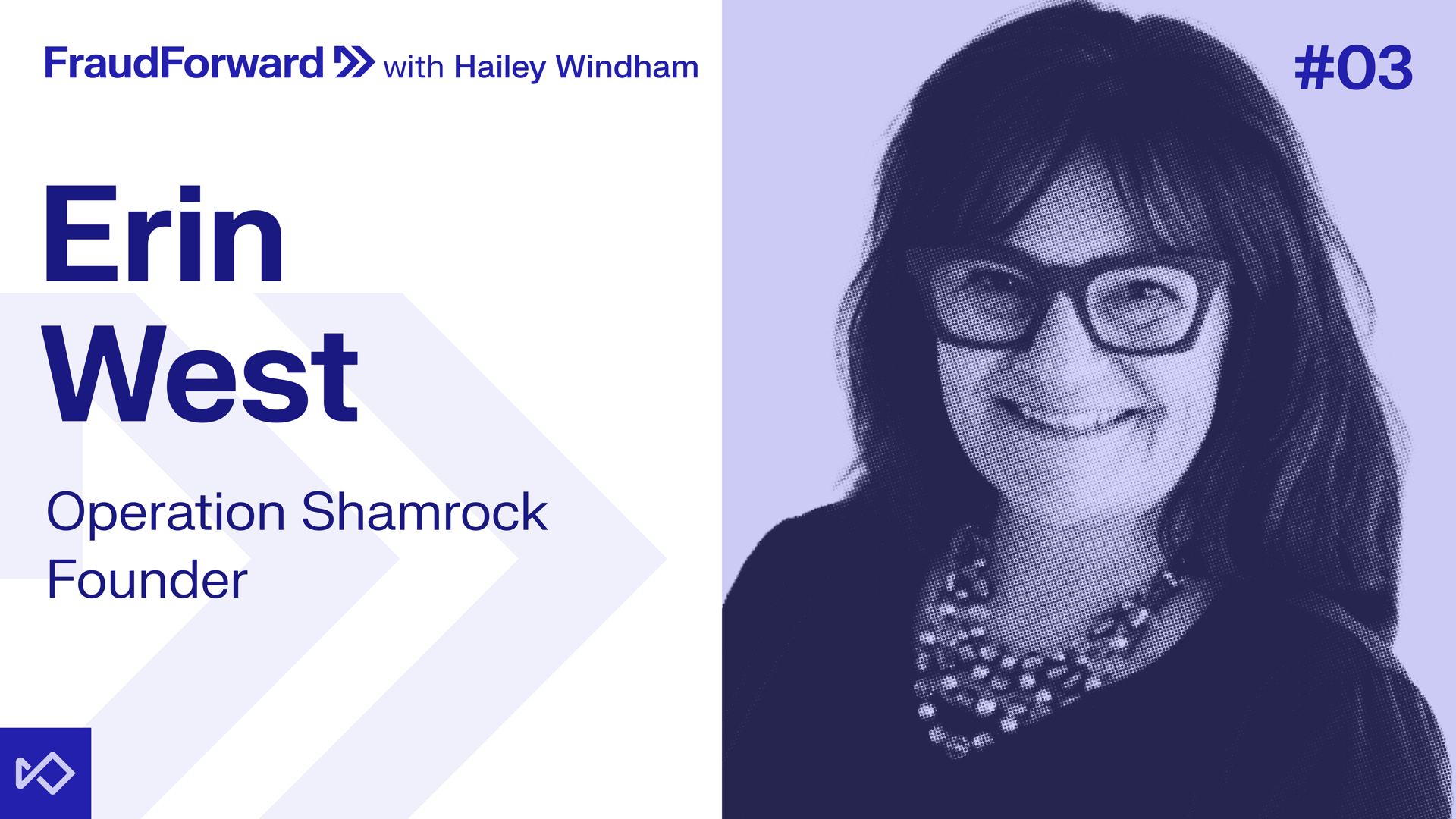
En este episodio, me siento a conversar con Erin West, una veterana fiscal especializada en ciberdelitos y fundadora de Operation Shamrock. Erin ha pasado años trabajando junto a fuerzas especiales de delitos tecnológicos y socios de las fuerzas del orden para desarticular las redes organizadas detrás de las estafas de tipo pig butchering.
Y si has trabajado en fraude el tiempo suficiente, ya conoces el patrón.
Estas estafas no son aleatorias.
Están estructadas.
Están coordinados.
Y son devastadores para las personas atrapadas en ellos.
Las estafas de “pig butchering” combinan la manipulación romántica con inversiones en criptomonedas simuladas. Las víctimas creen que están construyendo riqueza junto a alguien en quien confían. Mientras tanto, redes de crimen organizado las van guiando paso a paso hacia transferencias cada vez más grandes.
Los ahorros para la jubilación se mueven.
Los fondos universitarios se mueven.
Los ahorros de toda la vida se mueven.
Y, a menudo, las instituciones financieras son la última capa de protección antes de que esos fondos se conviertan en criptomonedas y se envíen a través de las fronteras, donde su recuperación se vuelve increíblemente difícil.
Ahí es donde la protección contra delitos con criptomonedas se vuelve fundamental.
Esta conversación con Erin se centra en cómo vías de escalamiento más sólidas, una mejor revisión de las transacciones y una colaboración real entre instituciones pueden ayudar a interrumpir estas estafas antes.
Porque los bancos y las cooperativas de crédito no son observadores pasivos de las tendencias de fraude con criptomonedas. Somos defensores de nuestros clientes. Y cuanto antes actuemos, más podremos proteger a las personas detrás de esas transacciones.
Si te gustó este episodio, asegúrate de suscribirte y dejar una reseña del podcast en iTunes, Spotify, YouTube o en cualquier plataforma donde escuches podcasts. Realmente ayuda a que más luchadores contra el fraude encuentren estas conversaciones.
Antes de profundizar en las notas, quiero hacer una pausa un momento y decir algo sobre lo que Erin y yo sentimos muy profundamente.
Estas estafas no tienen que ver con que la gente tome malas decisiones.
Se trata de redes criminales organizadas que manipulan la confianza y se aprovechan de las emociones. Las víctimas no están colaborando con el fraude. Están siendo atacadas por organizaciones delictivas transnacionales que son increíblemente hábiles en la manipulación psicológica.
El impacto humano aquí es real.
Por eso la protección contra el crimen relacionado con las criptomonedas es tan importante.
Uno de los temas más importantes de esta conversación es el momento.
La protección contra delitos relacionados con criptomonedas funciona mejor cuando la intervención se produce antes de que los fondos se conviertan en criptomonedas.
Las estafas de tipo pig butchering y el fraude de inversión tienden a seguir patrones de comportamiento reconocibles. Estas estafas suelen implicar:
Para cuando la víctima intenta realizar una transferencia grande, a menudo ya está emocionalmente involucrada en la estafa.
Los equipos de primera línea son con frecuencia quienes se encuentran primero con estas situaciones.
Hablan con clientes que realmente creen que la transacción es legítima.
Eso significa que la intervención requiere tanto paciencia como claridad.
Al mismo tiempo, la ventana para actuar puede ser muy pequeña. Los fondos pueden pasar de los sistemas de pago nacionales a los exchanges de criptomonedas en cuestión de horas.
Los sólidos programas de protección contra delitos con criptomonedas suelen incluir:
Cuando la escalada se retrasa, la recuperación se vuelve considerablemente más difícil.
Una vez que los fondos se convierten en criptomonedas y se dispersan en múltiples billeteras, el rastreo se vuelve complejo y extremadamente sensible al tiempo.
Una revisión temprana aumenta la probabilidad de interrupción y fortalece la respuesta institucional.
El liderazgo también desempeña un papel muy importante aquí.
Cuando los ejecutivos refuerzan protocolos claros de escalamiento y respaldan la intervención de la primera línea, los equipos se sienten con poder para actuar. Así es como se genera confianza en todos los equipos de fraude.
Otra cosa de la que Erin y yo pasamos tiempo hablando es la colaboración.
El fraude no ocurre de forma aislada, y nuestra respuesta tampoco debería hacerlo.
Las redes organizadas de estafas operan a través de jurisdicciones, plataformas y vías de pago. Ninguna institución por sí sola tiene una visión completa de la situación.
Ahí es donde entran en juego iniciativas como la Operación Shamrock.
La Operación Shamrock reúne a las agencias de aplicación de la ley, las instituciones financieras y los equipos de investigación para compartir información de inteligencia y desarticular redes de estafas.
Estas alianzas permiten a las organizaciones:
Algunas de las señales prácticas en las que se centran las instituciones incluyen:
Cuando las instituciones operan de forma aislada, la capacidad de generar disrupción es limitada.
Cuando colaboramos, aumentamos nuestra visibilidad y nuestra capacidad de actuar.
Y esa colaboración es una de las herramientas más poderosas que tenemos contra las redes de delincuencia organizada en el ámbito de las criptomonedas.
Al final del día, la protección contra delitos con criptomonedas no se trata solo de tecnología o de monitorear transacciones.
Se trata de las personas.
Los clientes involucrados en estafas de inversión a menudo hacen caso omiso de las advertencias porque creen que la oportunidad es real. La relación que han construido con el estafador les parece legítima.
Por eso, la intervención debe manejarse con cuidado.
Los equipos eficaces de lucha contra el fraude se centran en la educación y en el reconocimiento de patrones en lugar de la confrontación.
Algunas de las primeras señales de comportamiento que los equipos supervisan incluyen:
Las instituciones que desarrollan sólidos marcos de prevención suelen apoyar a los equipos de primera línea con:
Sin estas intervenciones, las pérdidas pueden extenderse a múltiples instituciones.
La educación temprana y la difusión coordinada reducen la exposición sistémica y protegen a más personas de convertirse en víctimas reincidentes.
Y ese es el corazón de esta conversación.
Las instituciones financieras no son solo procesadoras de transacciones. Somos socios en la protección de las personas que confían en nosotros para cuidar su dinero.
Las estafas de inversión en criptomonedas están evolucionando rápidamente, y los esquemas de pig butchering son una de las amenazas más organizadas que estamos viendo hoy en día.
Pero las instituciones financieras no son impotentes.
Cuando reforzamos la protección contra los delitos relacionados con las criptomonedas mediante:
Aumentamos nuestra capacidad para interrumpir estas estafas antes de que se produzcan pérdidas irreversibles.
Y cuando los equipos de fraude, los equipos de prevención de lavado de dinero, los equipos de cumplimiento y las fuerzas del orden trabajan juntos, generamos una verdadera disrupción para las redes delictivas organizadas.
La misión sigue siendo la misma:
El futuro de la prevención del fraude bancario depende de la comunidad.
El futuro de la prevención del fraude en las cooperativas de crédito depende de la colaboración.
El futuro de la evolución del sector del fraude depende de la inteligencia compartida y de la alineación de valores.
Estamos subiendo de nivel.
Y lo estamos haciendo juntos.
Mantente alerta, mantente informado y sigue impulsando la lucha contra el fraude.