

#12128 min
¿Qué tal, luchadores contra el fraude? ¡Bienvenidos a Fraud Forward!
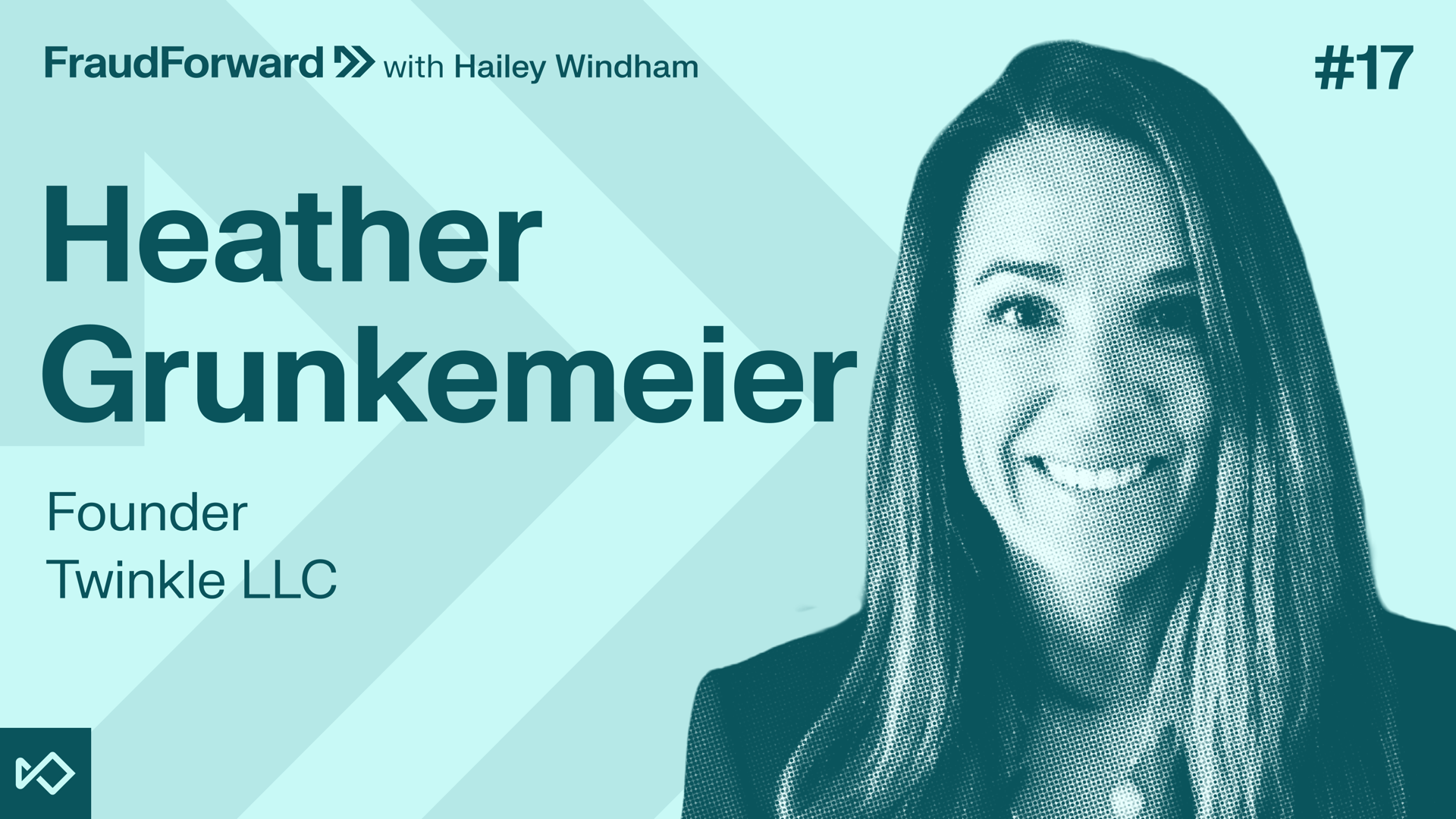
En este episodio, me siento a conversar con la experta en confianza y seguridad Heather Grunkemeier, y hablamos de algo que desearía que más líderes entendieran de forma instintiva: la captura de datos no es una tarea administrativa de back office; la captura de datos es la base de una estrategia de confianza y seguridad que realmente funciona.
Tomemos un momento para volver a encuadrar la situación. La mayoría de las instituciones y plataformas no están teniendo problemas por falta de datos. Están teniendo problemas porque los datos que sí tienen están fragmentados, son inconsistentes y difíciles de usar cuando realmente importan. Cuando las prácticas de recopilación de señales de riesgo son desordenadas, tu análisis de tendencias de incidentes se vuelve poco confiable. Cuando el etiquetado es inconsistente, tus insights de datos para la prevención del fraude se diluyen. Y cuando eso ocurre, la visibilidad del riesgo operativo disminuye y los puntos ciegos crecen.
Heather y yo abordamos el lado práctico de cómo solucionar esto sin aplastar a los equipos que ya trabajan en entornos de alta presión. Porque sé cómo son los roles de fraude de alta presión. Sé lo rápido que se llenan las colas. Sé lo que se siente cuando se espera que detectes patrones a velocidad de máquina mientras tus herramientas y sistemas de documentación parecen estar trabajando en tu contra.
Hablamos sobre la estandarización de los datos de los casos, el etiquetado disciplinado y la documentación que respalda flujos de trabajo reales de inteligencia de riesgos. Y quiero profundizar en un aspecto que a menudo se pasa por alto: el mapeo de la insatisfacción del cliente. Cuando mapeas de forma intencional la fricción y las quejas, y utilizas correctamente el análisis de reclamaciones de clientes, puedes detectar señales tempranas que ayudan a identificar patrones de fraude antes de que el dinero salga por la puerta.
Pero también hablamos del elemento humano, porque este trabajo es exigente. La salud mental en los equipos de fraude no es un tema blando, es un tema de rendimiento. La prevención del agotamiento en los equipos de fraude es un control de riesgo. Cuando los equipos están desbordados, la calidad de los datos de investigación de fraude disminuye, las decisiones se toman con prisa y las escaladas se vuelven descuidadas. Por eso conectamos la gobernanza de datos en fraude con el diseño y la sostenibilidad de los equipos, porque la resiliencia de las operaciones de fraude se construye a través de los sistemas y de las personas juntos.
Si lideras áreas de fraude, cumplimiento, confianza o seguridad, este episodio es tu hoja de ruta para mejorar el análisis de confianza y seguridad, fortalecer la estabilidad operativa y apoyar a las personas que realizan el trabajo.
Si te gustó este episodio, asegúrate de suscribirte y dejar una reseña del pódcast en iTunes, Spotify, YouTube o en cualquier plataforma donde escuches pódcasts. Realmente ayuda a que más gente lo conozca.
Permíteme asegurarte que la captura de datos determina con qué claridad puedes ver el riesgo.
Cuando la estandarización de los datos de los casos es inconsistente, terminas con ruido, no con información útil. Cuando el etiquetado varía según el analista, el equipo o el turno, no puedes confiar en los patrones que crees estar viendo. Por eso, las analíticas de confianza y seguridad dependen de prácticas disciplinadas de recopilación de señales de riesgo que permitan un análisis significativo de las tendencias de incidentes.
Esto es lo que permite una sólida captura de datos:
Y quiero destacar específicamente esto: el mapeo de la insatisfacción del cliente. Cuando analizas la analítica de quejas de clientes, no solo estás midiendo la frustración. A menudo estás descubriendo señales de alerta tempranas, puntos de fricción recurrentes y patrones de escalamiento que pueden revelar abusos antes de que las pérdidas financieras se hagan visibles.
Vamos a ello. La estrategia de confianza y seguridad mejora cuando la información fluye.
El intercambio de datos entre funciones conecta a los equipos de fraude, cumplimiento y operaciones para que se tenga una visión completa. Los flujos de trabajo de inteligencia de riesgos se vuelven más eficaces cuando la captura de datos es estructurada y coherente en todos los departamentos.
Esto es lo que quiero que los líderes prioricen:
Y en el caso de las plataformas digitales, los controles de seguridad de la plataforma se fortalecen cuando el análisis de tendencias de incidentes incluye tanto señales cuantitativas como contexto cualitativo. El objetivo es lograr una claridad que pueda escalar.
Con el tiempo, las organizaciones que priorizan una captura de datos disciplinada desarrollan una mayor resiliencia en sus operaciones contra el fraude, porque pueden detectar antes, escalar más rápido y aprender de forma continua.
Los roles de fraude de alta presión requieren una atención sostenida y una regulación emocional constante, y si fingimos que no es así, condenamos a los equipos al fracaso. La salud mental en los equipos de fraude y la prevención proactiva del agotamiento del equipo de fraude respaldan directamente el rendimiento a largo plazo.
Esto es lo que he visto que sucede cuando los equipos están desbordados:
Los procesos estructurados y las expectativas realistas de carga de trabajo fortalecen la resiliencia de las operaciones contra el fraude. Apoyar el elemento humano no es algo separado de la captura de datos; es parte de hacer que la captura de datos sea sostenible.
La recopilación de datos no es solo una función técnica. Es una disciplina operativa que respalda la confianza, el conocimiento y un rendimiento sostenible en todos los programas de confianza y seguridad.
La misión sigue siendo la misma:
El futuro de la prevención del fraude bancario depende de la comunidad.
El futuro de la prevención del fraude en las cooperativas de crédito depende de la colaboración.
El futuro de la evolución de la industria del fraude depende de la inteligencia compartida y de la alineación de valores.
Estamos subiendo de nivel.
Y lo estamos haciendo juntos.
Mantente alerta, mantente informado y sigue impulsando la lucha contra el fraude.