#12128 min
¡Qué tal, luchadores contra el fraude, y bienvenidos a Fraud Forward!
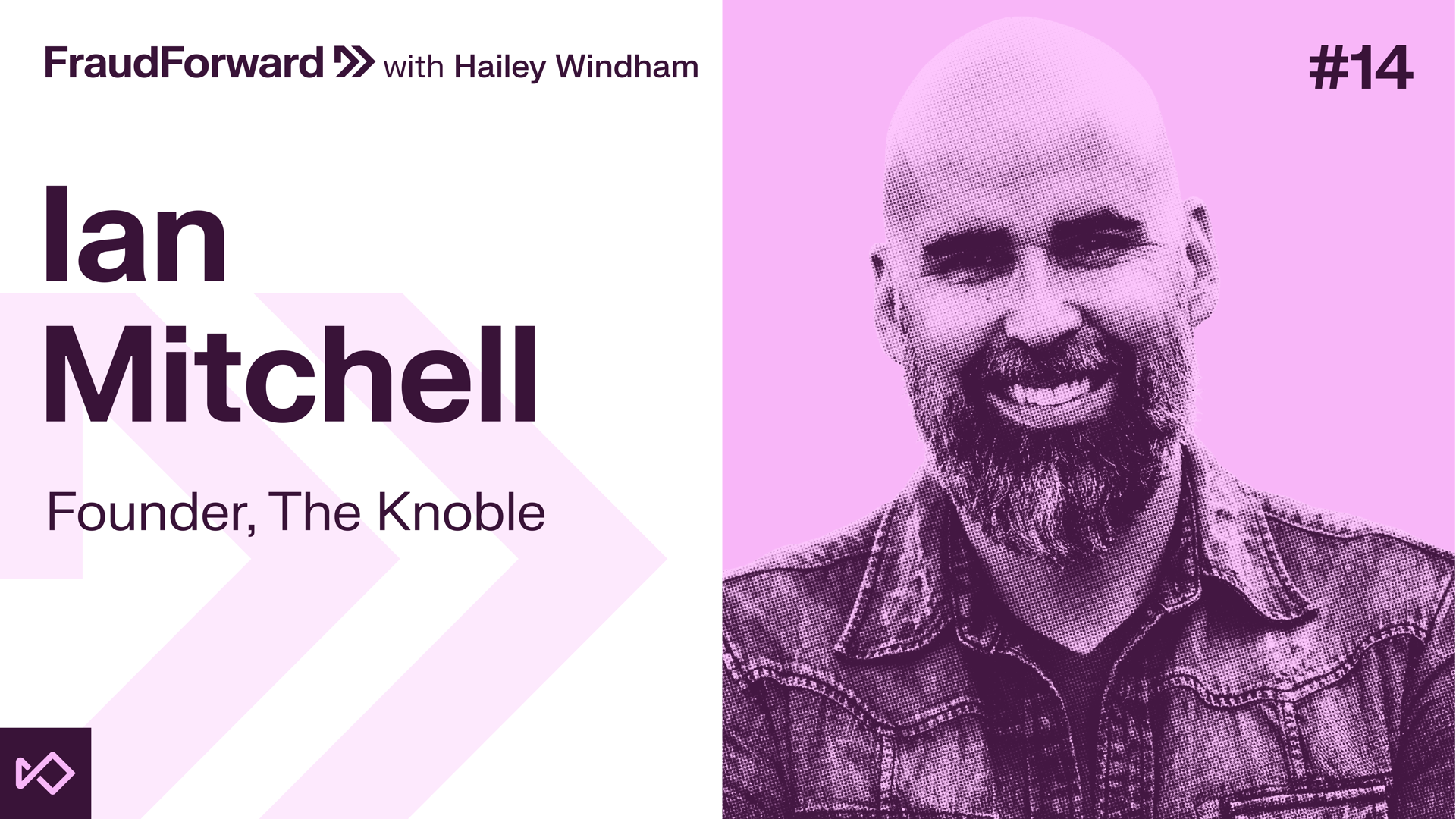
En este episodio, me siento a conversar con Ian Mitchell, fundador de The Knoble y cofundador de Mission Omega, y necesito que me escuches bien: la prevención del delito financiero es más efectiva cuando las instituciones avanzan juntas. No solo los equipos de fraude. No solo el área de cumplimiento. No solo los reguladores. Todos nosotros: bancos, reguladores, equipos de fraude, líderes del sector y los socios que están construyendo el ecosistema.
Tomémonos un momento para replantear la situación. Seguimos preguntándonos por qué el fraude avanza más rápido que nuestros controles, por qué las investigaciones se sienten duplicadas y por qué las mismas estafas golpean los mismos mercados en oleadas. Una gran parte de la respuesta es que seguimos operando como si la información perteneciera a un solo departamento, a una sola institución o a un solo sector. Y el fraude no funciona así. Por eso la colaboración entre quienes combaten el fraude no es un “nice-to-have”; es infraestructura operativa.
Ian aporta más de 25 años de experiencia a esta conversación, y lo que más me gusta es que mantiene todo enfocado en la misión y con los pies en la tierra. Hablamos de equipos integrados de fraude y AML, porque la alineación entre cumplimiento y fraude es donde la visibilidad se vuelve real. Hablamos de la integración del fraude a nivel empresarial, porque la detección fragmentada es costosa, lenta y agotadora para los equipos que están en primera línea. Y hablamos de la realidad de que el entorno regulatorio importa. Si el marco está desactualizado, ralentiza los tiempos de respuesta y limita la innovación, incluso cuando los equipos intentan hacer lo correcto.
Quiero profundizar en la modernización de los marcos regulatorios, porque es aquí donde la gente se pone nerviosa. Modernizar no significa debilitar. Significa alinear las expectativas con las realidades actuales de las amenazas para que los equipos puedan operar con agilidad y responsabilidad. Una comunicación sólida con los reguladores bancarios y las mejores prácticas de interacción regulatoria generan claridad. La claridad reduce la confusión. La confusión genera riesgo.
También hablamos de cómo se ve cuando las alianzas de riesgo entre sectores son reales y no meramente performativas. La cooperación público‑privada contra el fraude, la colaboración transfronteriza en materia de fraude y el intercambio de conocimiento sobre fraude en la industria son los ingredientes para la resiliencia al riesgo de las instituciones financieras. Y lo diré claramente: el liderazgo de la comunidad antifraude y el liderazgo contra el fraude impulsado por la misión son lo que mantiene sostenible este trabajo, porque la resiliencia en las operaciones de fraude no es solo cuestión de procesos, sino de personas.
Si estás a cargo de fraude, BSA, AML, cumplimiento o riesgo empresarial, este episodio es tanto un estímulo como un desafío para ti. Tenemos que tratar la colaboración como una estrategia.
Si te gustó este episodio, asegúrate de suscribirte y dejar una reseña del pódcast en iTunes, Spotify, YouTube o donde sea que escuches pódcasts. Realmente ayuda a que más gente lo conozca.
Permíteme asegurarte de algo: la prevención de los delitos financieros mejora cuando los equipos de fraude y de AML trabajan como socios integrados, no como funciones paralelas.
Cuando creas equipos integrados de fraude y AML, generas:
Esta es la integración de fraude empresarial en la práctica. Reduce el esfuerzo duplicado y mejora la coherencia en toda la organización.
Y la colaboración no puede detenerse dentro de tus propias paredes. La colaboración entre especialistas en fraude de distintas instituciones es importante porque las amenazas se desplazan. Compartir el conocimiento sobre fraude a nivel de la industria acorta la distancia entre la detección y la acción. Las alianzas de riesgo entre sectores reducen el aislamiento y aceleran la respuesta.
Quiero profundizar en la modernización de los marcos regulatorios porque este es el punto de tensión para muchos líderes.
Esta es la realidad. La reforma regulatoria de los servicios financieros debe reflejar las realidades del riesgo digital y, al mismo tiempo, preservar los estándares de supervisión. Ese equilibrio es posible cuando las instituciones y los reguladores interactúan con claridad y un propósito compartido.
La modernización del gobierno del riesgo fortalece la toma de decisiones al aclarar:
La alineación entre cumplimiento y fraude mantiene la innovación con los pies en la tierra. El aprendizaje continuo en materia de fraude garantiza que los equipos evolucionen a medida que evolucionan las amenazas, en lugar de intentar imponer el manual de ayer a las estafas de hoy.
Al cien por ciento, un liderazgo contra el fraude impulsado por la misión es lo que mantiene sostenible este trabajo.
Los controles son importantes, pero también lo es el propósito. La prevención de delitos financieros también tiene que ver con la resiliencia en las operaciones de fraude y la responsabilidad colectiva. Cuando los líderes invierten en aprendizaje, comunidad e inteligencia compartida, los equipos rinden mejor bajo presión.
La cooperación público-privada contra el fraude aumenta la capacidad de desarticulación. La colaboración transfronteriza en materia de fraude amplía el alcance. El intercambio de conocimientos sobre fraude dentro del sector incrementa la velocidad de respuesta. Todo ello refuerza la resiliencia frente al riesgo de las instituciones financieras.
Quiero que las instituciones traten la colaboración como una estrategia, no como un esfuerzo opcional de acercamiento. Ese cambio es la diferencia entre una postura reactiva y una verdadera estrategia de ecosistema de riesgo de fraude.
La misión sigue siendo la misma:
El futuro de la prevención del fraude bancario depende de la comunidad.
El futuro de la prevención del fraude en las cooperativas de crédito depende de la colaboración.
El futuro de la evolución de la industria del fraude depende de la inteligencia compartida y de la alineación de valores.
Estamos subiendo de nivel.
Y lo estamos haciendo juntos.
Mantente alerta, mantente informado y sigue impulsando la lucha contra el fraude.