#12128 min
¡Qué tal, luchadores contra el fraude, y bienvenidos a Fraud Forward!
Vale, me encanta este episodio porque toca mi tema favorito: la prevención del fraude no le corresponde solo a un equipo. Si el fraude es solo “el problema del departamento de fraude”, ya vamos por detrás. Las primeras señales aparecen donde las personas interactúan con personas: sucursales, centros de llamadas, mesas de operaciones, y por eso mismo un programa de embajadores de fraude puede ser un multiplicador de fuerza tan potente.
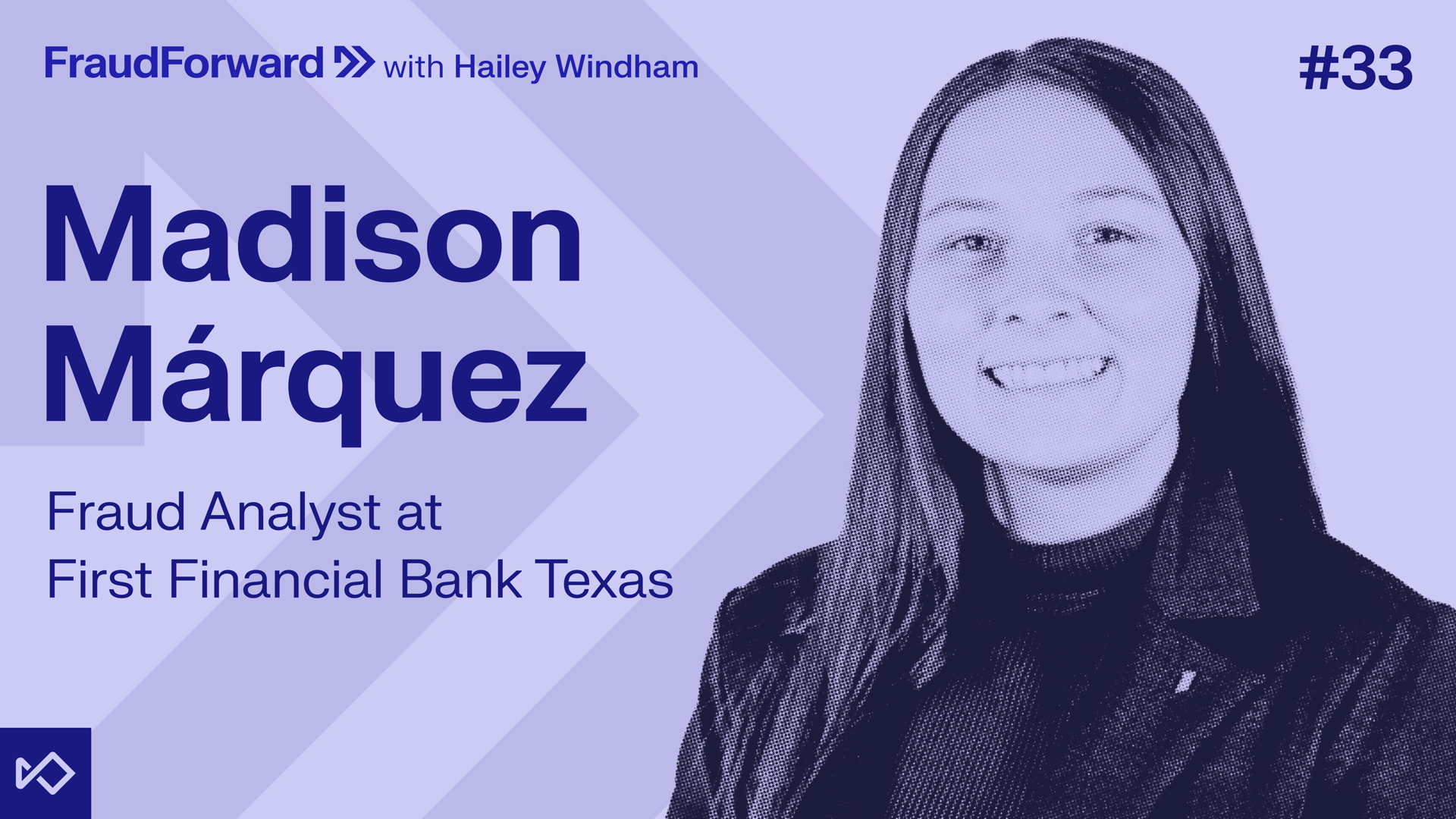
En este episodio me siento a conversar con Madison Marquez, y te digo que esta charla me hizo querer ponerme de pie y aplaudir a cada persona de primera línea que alguna vez ha intentado hacer lo correcto mientras se siente poco capacitada, insegura y un poco como si la fueran a regañar por hacer que alguien se demore. Madison explica cómo una iniciativa de capacitación en fraude de seis meses creó campeones internos contra el fraude, y lo más increíble es que no solo enseñó datos. Cambió la identidad. La gente empezó a verse a sí misma como defensora.
Tomemos un momento para recomponer el ambiente. La brecha que seguimos fingiendo que no existe es esta:
Por eso me entusiasma tanto el empoderamiento de los empleados frente al fraude. Cuando creas un modelo de educación en prevención del fraude que sea real, práctico y conectado con las situaciones que la gente realmente enfrenta, dejas de tratar a los equipos de primera línea como simples intermediarios y comienzas a tratarlos como socios.
El programa de embajadores contra el fraude de Madison hizo exactamente eso. Se apoyó en la capacitación con escenarios de fraude del mundo real y en estudios de caso colaborativos sobre fraude para que la gente pudiera practicar qué decir, qué documentar y cuándo escalar. Fortaleció la consistencia en la escalada de fraudes y mejoró las habilidades de comunicación sobre fraude, que es, sinceramente, donde los programas o tienen éxito o fracasan. Puedes tener la mejor infraestructura de detección del mundo, pero si las conversaciones humanas son endebles, los estafadores pasan sin problema.
También hablamos de esas situaciones incómodas que todo el mundo reconoce pero a nadie le gustan. Los flujos de trabajo de desafíos de autenticación. Ese momento en que alguien está molesto, sientes la presión y aun así tienes que mantenerte firme. Hablamos de la prevención del fraude en los centros de llamadas y de la capacitación en detección de fraude en las sucursales, porque esos equipos lidian todos los días con la parte emocional del fraude, no solo con la parte de datos.
Y luego hay una parte de este episodio que realmente es importante para mí. Una de las sesiones se centró en los indicadores financieros de la trata de personas. Eso no es “crédito extra”. Esa es la realidad de la primera línea. Las instituciones financieras pueden estar más cerca de daños graves de lo que mucha gente se imagina, y cuando los equipos de primera línea entienden eso, la preparación contra el fraude en los bancos comunitarios se convierte en algo más profundo que “reducir pérdidas”. Se convierte en “interrumpir el daño”.
Lo que describe Madison es una cultura de fraude interdepartamental en acción. Es una colaboración antifraude interfuncional que no es meramente performativa. Es una prevención del fraude impulsada por los empleados, donde las personas más cercanas al cliente ayudan a dar forma a las defensas.
Si estás intentando construir una cultura de prevención del fraude en una institución financiera que sea coherente, segura y humana, este episodio es tu hoja de ruta.
Si te gustó este episodio, asegúrate de suscribirte y dejar una reseña del pódcast en iTunes, Spotify, YouTube o en cualquier plataforma donde escuches pódcasts. Realmente ayuda a que más gente lo conozca.
Permíteme asegurarte que la cultura del fraude se construye en los momentos del día a día, no en un manual de políticas.
Las primeras señales de advertencia suelen aparecer en las sucursales y en los centros de atención telefónica. Un programa de embajadores de fraude reconoce eso y equipa al personal de primera línea con herramientas reales en lugar de esperar que simplemente “lo sepan”.
Cuando la capacitación contra el fraude para el personal de primera línea está bien estructurada, mejora:
Y cuando las personas entienden el porqué detrás de los pasos de autenticación, la resistencia de los miembros a autenticarse se vuelve más fácil de manejar sin aumentar la tensión.
Aquí es donde el enfoque de Madison realmente destaca.
Un modelo de educación en prevención del fraude fracasa cuando se mantiene en lo abstracto. Tiene éxito cuando se siente como el mundo real. Por eso son importantes los estudios de casos de fraude colaborativos y la capacitación con escenarios de fraude del mundo real.
Lo que quiero que los líderes tomen de este enfoque:
Así es como la cultura antifraude entre departamentos se vuelve real. La gente deja de sentirse como espectadora y empieza a actuar como defensora interna contra el fraude.
La escalada inconsistente rara vez se debe a que a la gente no le importe; por lo general se debe a la incertidumbre.
Un programa de embajadores contra el fraude genera claridad y confianza para que los empleados sepan:
A medida que aumenta la confianza, mejora la coherencia en la escalación de fraudes, la actividad sospechosa sale a la luz antes y la comunicación entre departamentos se vuelve más fluida. Eso es el empoderamiento de los empleados frente al fraude convirtiéndose en resultados medibles.
Este es el cambio de mentalidad que más me gusta.
La prevención del fraude impulsada por los empleados ocurre cuando las personas creen que son defensores, no simples espectadores. El apoyo del liderazgo, la capacitación estructurada y la comunicación abierta hacen que esa identidad perdure.
Y quiero destacar la capacitación sobre indicadores financieros de trata de personas, porque conecta la preparación contra el fraude con un impacto real en la comunidad. La cultura antifraude en las instituciones financieras no se trata solo de reducir pérdidas. Se trata de reconocer el papel de la institución en la interrupción del daño.
Un programa de embajadores contra el fraude no es algo simbólico. Es una inversión práctica en las personas y, cuando las personas están capacitadas y motivadas, la preparación de los bancos comunitarios frente al fraude mejora en toda la organización.
La misión sigue siendo la misma:
El futuro de la prevención del fraude bancario depende de la comunidad.
El futuro de la prevención del fraude en las cooperativas de crédito depende de la colaboración.
El futuro de la evolución de la industria del fraude depende de la inteligencia compartida y de la alineación de valores.
Estamos subiendo de nivel.
Y lo estamos haciendo juntos.
Mantente alerta, mantente informado y sigue impulsando la lucha contra el fraude.