#12128 min
¡Qué tal, luchadores contra el fraude, y bienvenidos a Fraud Forward!
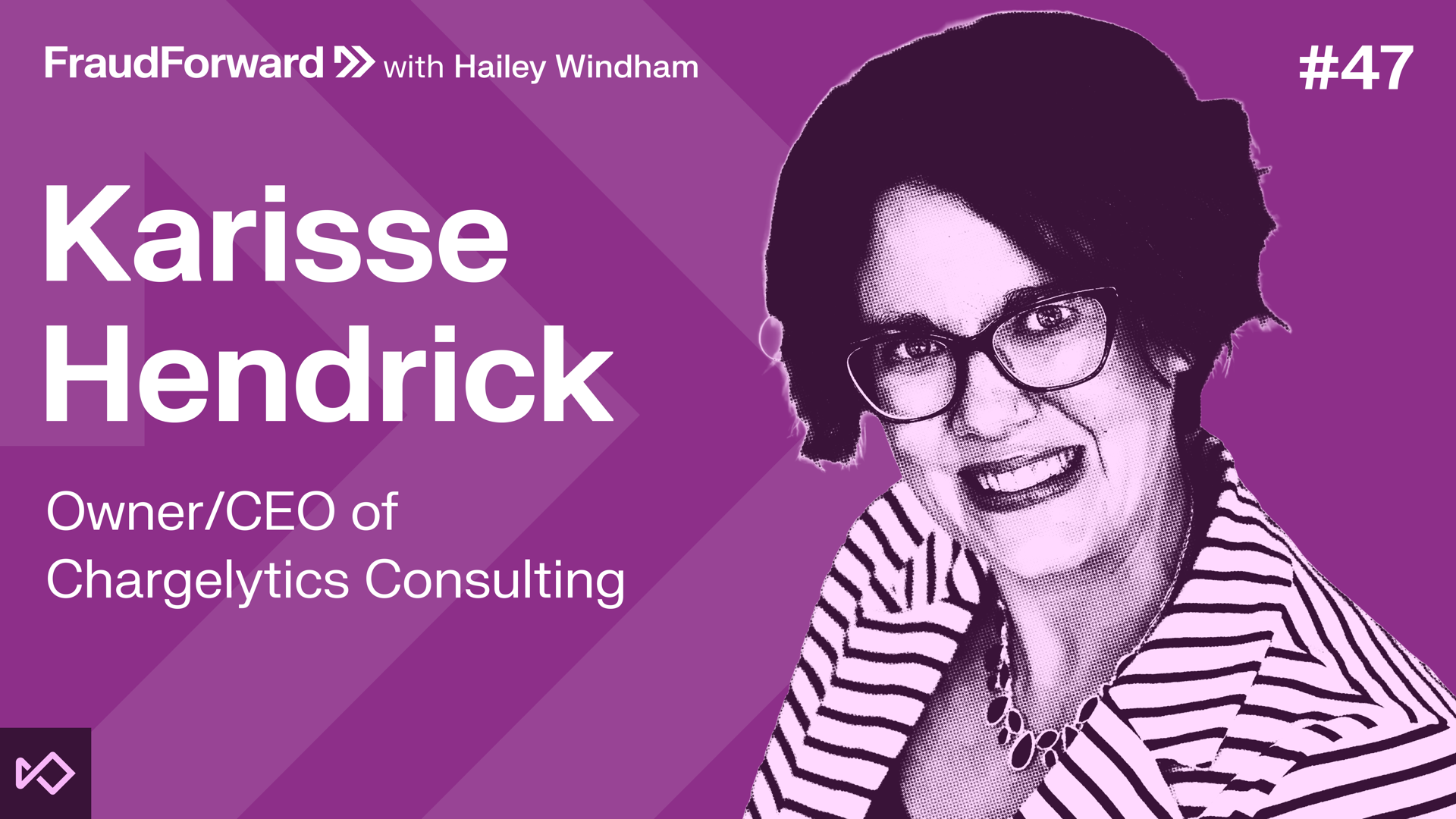
Bien, este episodio es para mi gente que realmente está metida en esto. La industria de la prevención del fraude está en plena recalibración y, si has sentido ese cambio en tu día a día, no te lo estás imaginando. En este episodio me acompaña Karisse Hendrick y te damos una mirada interna al evento Fraud Fight Club y a las conversaciones reales que están moldeando cómo las instituciones están pensando sobre el riesgo de fraude moderno.
Y permíteme ser claro: esto no es un simple networking superficial. Esto es networking sobre fraude bancario con contenido real. Es una sala llena de líderes de fraude, gente de fintech, equipos de cooperativas de crédito y conversaciones de colaboración con las fuerzas del orden, todo ocurriendo con el mismo tono: franco, práctico y centrado en lo que realmente funciona.
Porque las redes criminales no se están quedando en un solo carril. Se están moviendo entre canales, instituciones y rieles de pago. Lo que significa que las estrategias de prevención del fraude no pueden vivir en silos. La defensa tiene que moverse con la misma fluidez, y la colaboración en la industria del fraude es la forma en que aceleramos ese proceso.
Tomémonos un momento para recomponer el ambiente. Las conferencias y las conferencias sobre delitos financieros no se tratan solo de aprender, sino de acortar la distancia entre lo que una institución ve hoy y lo que otra institución sufre mañana.
Este es el motivo por el que el evento Fraud Fight Club es importante para la comunidad de lucha contra los delitos financieros en este momento:
Y, sin duda, una de las herramientas defensivas más infrautilizadas en la industria de la prevención del fraude es la conexión profesional. No puedes combatir lo que no puedes ver, y no puedes ver lo que nadie está compartiendo.
Si te gustó este episodio, asegúrate de suscribirte y dejar una reseña del pódcast en iTunes, Spotify, YouTube o donde sea que escuches pódcasts. Realmente ayuda a correr la voz.
Permíteme asegurarte que este cambio no es teórico. El sector de prevención del fraude se enfrenta a patrones de amenazas más coordinados y más adaptables que en ciclos anteriores.
Esto es lo que está cambiando las reglas del juego:
Estas tendencias están llevando a las instituciones a replantearse los marcos de detección, los modelos de dotación de personal, los protocolos de escalamiento y qué significa realmente “lo bueno” en las estrategias de prevención del fraude.
Las conversaciones en Fraud Fight Club volvían una y otra vez a algunos temas recurrentes, y se podía sentir la urgencia en la sala.
Los grandes bloques fueron:
La prevención del fraude hoy exige coordinación en toda la institución. Si tu equipo de fraude lo detecta pero tu equipo de primera línea no puede interrumpirlo, pierdes. Si cumplimiento no está involucrado desde el principio, pierdes tiempo. Si operaciones no puede actuar con rapidez sobre una retención o una restricción, pierdes dinero.
La colaboración en la industria del fraude ya no es opcional, y lo digo en serio. El evento Fraud Fight Club es un ejemplo perfecto de lo que sucede cuando reúnes a las personas adecuadas en la misma sala.
Las redes contra el fraude bancario y las conversaciones en conferencias sobre delitos financieros hacen más que educar. También generan:
Cuando los paneles de debate sobre fraude sacan a la luz desafíos operativos reales, las instituciones descubren puntos ciegos que quizá no reconocerían internamente. Ese es el valor.
La formación en fraude empresarial mejora cuando el conocimiento circula con rapidez. Los conocimientos obtenidos en eventos antifraude ayudan a las instituciones a poner a prueba sus estrategias de prevención del fraude, comparar qué está funcionando y perfeccionar sus programas internos.
El sector de la prevención del fraude se beneficia cuando los líderes comparten abiertamente:
Fraud Fight Club es un ejemplo de cómo está evolucionando la comunidad de lucha contra los delitos financieros. La conversación se está volviendo más unificada, más directa y más comprometida con cerrar las brechas antes de que los delincuentes las exploten.
La misión sigue siendo la misma:
El futuro de la prevención del fraude bancario depende de la comunidad.
El futuro de la prevención del fraude en las cooperativas de crédito depende de la colaboración.
El futuro de la evolución de la industria del fraude depende de la inteligencia compartida y de la alineación de valores.
Estamos subiendo de nivel.
Y lo estamos haciendo juntos.
Mantente alerta, mantente informado y sigue impulsando la lucha contra el fraude.