#12128 min
¡Qué tal, luchadores contra el fraude, y bienvenidos a Fraud Forward!
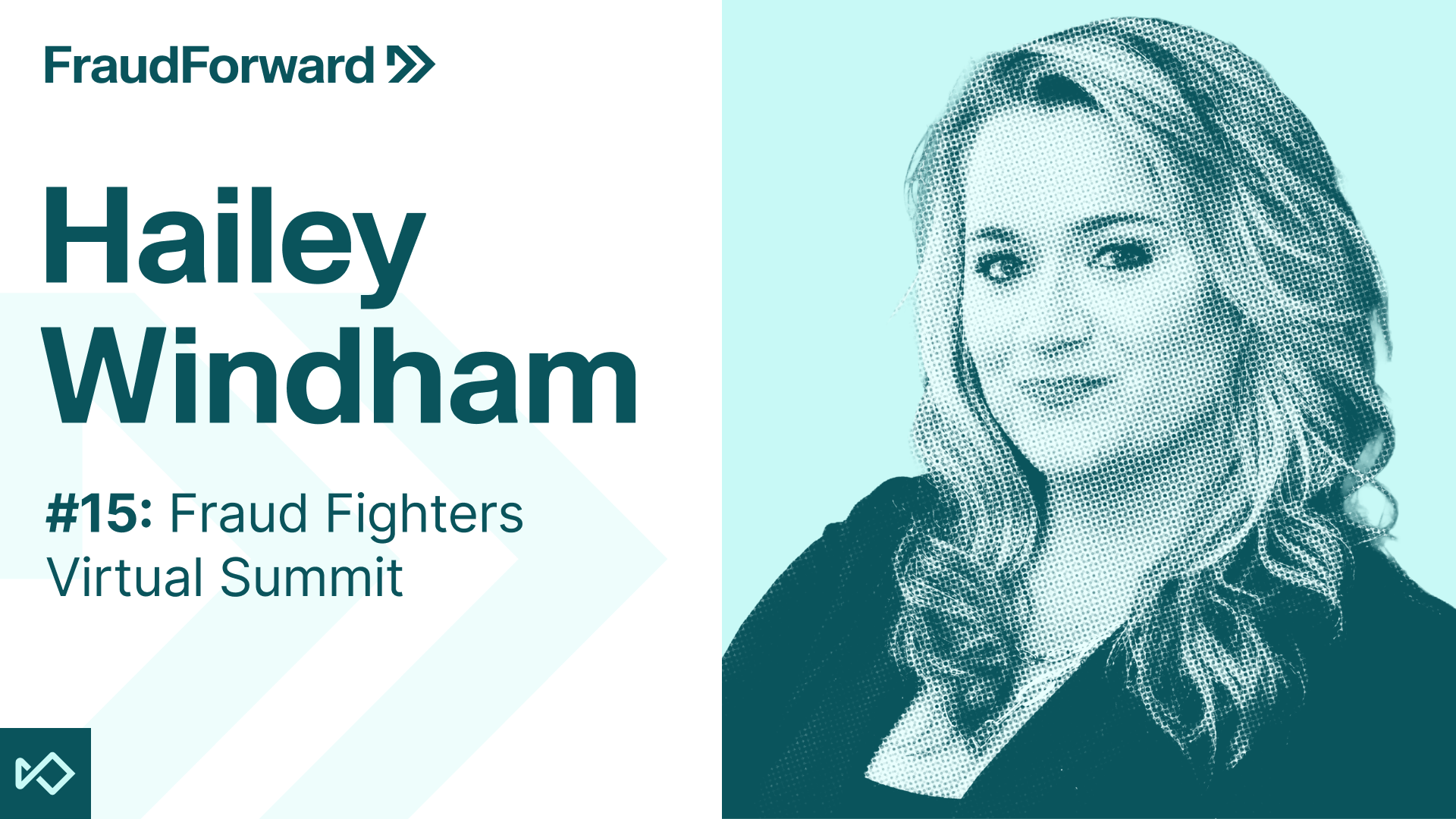
En este episodio, estoy moderando un panel de discusión del Fraud Fighter Virtual Summit con Alex Faivusovich, Donna Turner y Scott Harkey, y necesito que me escuches. La amenaza del fraude no solo está creciendo, está convergiendo. Lo que antes se sentía como problemas separados —cheques por aquí, ACH por allá, disputas por otro lado, tomas de control de cuentas en otra parte— ahora se está superponiendo de una manera que ejerce una presión real sobre los equipos de fraude, los equipos de pagos y la infraestructura de monitoreo.
Tomemos un momento para volver a encuadrar la situación. La amenaza de fraude con la que lidiamos hoy se está desplazando simultáneamente por la exposición al fraude en los rieles de pago, los sistemas de disputas y los puntos de acceso digitales. Y cuando esas tipologías chocan, la carga operativa se vuelve pesada muy rápido. Aumentan tus alertas. Se acumulan tus revisiones manuales. Tus reportes de pérdidas se vuelven desordenados. Y la dirección empieza a pedir respuestas para las que tus marcos actuales no fueron diseñados.
En este panel analizamos el fraude con cheques falsificados, el abuso de devoluciones ACH, las tendencias de toma de control de cuentas y los riesgos de explotación financiera de personas mayores, y no nos quedamos en la teoría. Hablamos de cómo se ve cuando estos patrones aparecen de forma simultánea y por qué la proyección del riesgo de fraude tiene que ser algo más que una conjetura basada en los datos del último trimestre.
Quiero profundizar en una de las partes más difíciles de esta conversación: las disputas por fraude de primera parte. Está aumentando el uso intencional y abusivo del proceso de disputas y, en algunos casos, ni siquiera está siendo impulsado por delincuentes profesionales. Los clientes legítimos están aprendiendo a explotar los términos y condiciones para presentar reclamaciones que trasladan la carga de nuevo a la institución. Eso genera riesgo de clasificación incorrecta de cancelaciones, informes de pérdidas distorsionados y un entorno de disputas en el que se vuelve más difícil separar las reclamaciones legítimas del abuso.
Por eso sigo diciendo que tenemos que modernizarnos. Hablamos de actualizaciones de los sistemas de monitoreo de fraude, de la modernización de los procesos de disputas y del equilibrio del riesgo en la economía de las transacciones, porque no podemos seguir aplicando manuales heredados a un entorno de amenazas que ha cambiado. Y también hablamos de lo que se necesita para escalar la colaboración contra el fraude entre industrias y el intercambio de datos entre el gobierno y el sector privado, porque ninguna institución tiene ya visibilidad completa.
Si eres responsable de fraude, pagos, disputas, riesgo empresarial o desempeño operativo, este episodio te ofrecerá una visión clara de lo que está ocurriendo y de dónde debes enfocar tus próximos esfuerzos, incluida una estrategia más sólida de gobernanza del fraude empresarial.
Si te gustó este episodio, asegúrate de suscribirte y dejar una reseña del pódcast en iTunes, Spotify, YouTube o en cualquier plataforma donde escuches pódcasts. Realmente ayuda a correr la voz.
Permíteme asegurarte algo: la amenaza de fraude ya no se limita a un solo canal.
Lo que estamos viendo es una convergencia:
Esta convergencia genera complejidad operativa. También pone a prueba los controles existentes, especialmente cuando las reglas de monitoreo y los flujos de trabajo se diseñaron para tipologías aisladas.
Ahora hablemos de las disputas por fraude de primera parte. Esta es una de las áreas más difíciles para las instituciones en este momento porque el uso indebido intencional de disputas puede parecer legítimo a simple vista. Cuando los clientes se aprovechan de los términos y condiciones, la institución asume pérdidas que quizá no constituyan fraude en el sentido tradicional, pero que igualmente generan un daño financiero real.
Si no abordamos esto, vemos:
Toma de decisiones inconsistente que aumenta el volumen de quejas
La gobernanza clara y los procesos de revisión estructurados son importantes. Tenemos que distinguir las reclamaciones legítimas del uso indebido sin crear fricciones que perjudiquen la experiencia de los miembros.
Vamos a ello. Los marcos de monitoreo heredados tienen dificultades para mantenerse al ritmo de cómo evoluciona la amenaza de fraude.
Las actualizaciones de los sistemas de monitoreo de fraude deben priorizar:
La modernización del proceso de disputas es igualmente importante porque las disputas se han convertido en un campo de batalla clave para las pérdidas. Un diseño de procesos más sólido mejora la precisión y reduce el retrabajo, mientras que el equilibrio del riesgo en la economía de las transacciones ayuda a las instituciones a ponderar la experiencia del cliente frente a la exposición.
La innovación en tecnología para la prevención del fraude en pagos puede ayudar, pero la tecnología por sí sola no lo resolverá. Los programas más sólidos combinan las herramientas con una estrategia clara de gobernanza del fraude a nivel empresarial que defina la responsabilidad, la escalación y una toma de decisiones coherente.
Al cien por ciento, no ganaremos esto quedándonos dentro de nuestras propias paredes.
La colaboración contra el fraude entre distintos sectores es la manera en que acortamos el tiempo entre la detección y la defensa. El intercambio de datos entre el gobierno y la industria, junto con el intercambio coordinado de inteligencia, mejora la previsión del riesgo de fraude y la velocidad de respuesta, especialmente cuando surgen nuevas tipologías que se propagan rápidamente entre las instituciones.
Cuando las instituciones financieras participan en un diálogo más amplio dentro de la comunidad antifraude, obtienen:
La amenaza de fraude seguirá evolucionando. Las instituciones que modernicen sus sistemas de monitoreo, perfeccionen los controles de disputas e inviertan en la colaboración estarán mejor posicionadas para proteger tanto los ingresos como la confianza.
La misión sigue siendo la misma:
El futuro de la prevención del fraude bancario depende de la comunidad.
El futuro de la prevención del fraude en las cooperativas de crédito depende de la colaboración.
El futuro de la evolución de la industria del fraude depende de la inteligencia compartida y de la alineación de valores.
Estamos subiendo de nivel.
Y lo estamos haciendo juntos.
Mantente alerta, mantente informado y sigue impulsando la lucha contra el fraude.