#12128 min
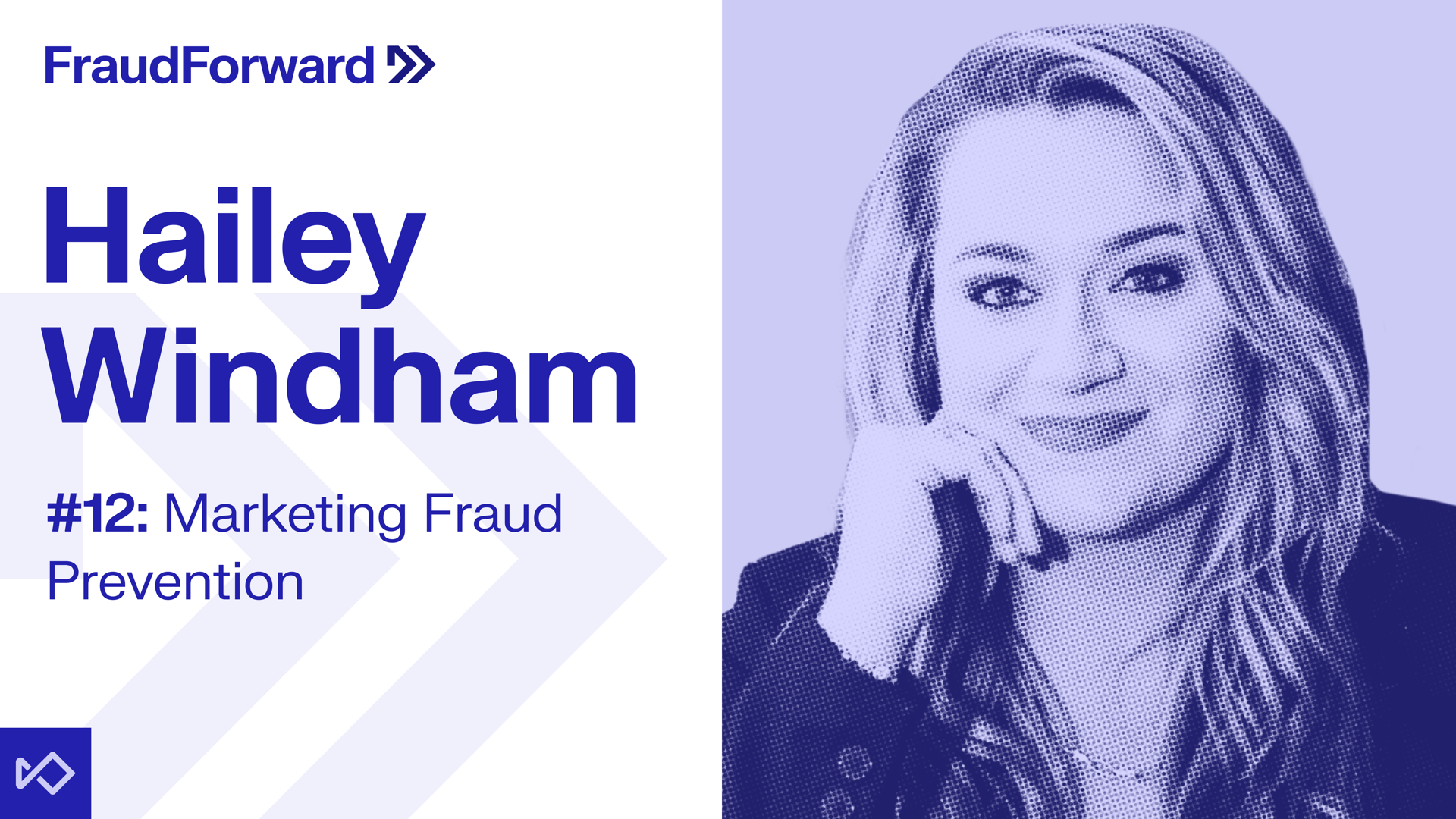
¿Qué tal, luchadores contra el fraude? ¡Bienvenidos a Fraud Forward!
En este episodio, me siento a conversar con Randy y Kristen del equipo de marketing de la cooperativa de crédito ABNB, y déjenme asegurarles que esta conversación es exactamente lo que las cooperativas de crédito y los bancos comunitarios necesitan en este momento. Porque la concienciación sobre el fraude desde el marketing se está convirtiendo en una de las herramientas más poderosas que tenemos para proteger a los socios, y no lo digo como un eslogan bonito, lo digo como alguien que ha visto cómo las estafas evolucionan a velocidad de máquina mientras nuestras comunicaciones tradicionales luchan por mantenerse al día.
Quiero profundizar en algo desde el principio. Las comunicaciones de prevención del fraude no pueden vivir aisladas. Si queremos resultados reales, tenemos que construir una colaboración entre fraude y marketing que reúna la experiencia en fraude y el talento de marketing en la misma sala, de forma intencional y con responsabilidad compartida. Eso es exactamente lo que demuestran las iniciativas contra el fraude de la cooperativa de crédito ABNB. Su equipo descubrió cómo convertir riesgos de fraude complejos en mensajes claros, cercanos y accionables que los socios realmente asimilan.
Hablamos sobre las alertas de estafas en redes sociales y por qué funcionan cuando las advertencias estáticas por correo electrónico se ignoran. Hablamos sobre las campañas de prevención de fraude en TikTok y cómo el contenido de formato corto puede impulsar un cambio de comportamiento real cuando se hace con empatía y claridad. Y hablamos sobre la diferencia entre las advertencias meramente performativas y los mensajes transparentes sobre fraude que generan confianza porque dicen la verdad sobre lo que están haciendo los estafadores y cómo se manipula a las víctimas.
Esta también es una conversación sobre estrategia, no solo sobre contenido. Una estrategia antifraude transversal es lo que la hace sostenible. Los equipos de fraude aportan los patrones del mundo real, los guiones de las estafas, los puntos de fricción. Los equipos de marketing traducen eso en contenido digital de concienciación sobre el fraude que los miembros realmente puedan entender y sobre el que puedan actuar. Y cuando se hace bien, se puede desarrollar educación antifraude dirigida por segmento demográfico, incluidas iniciativas de educación sobre fraude para jóvenes, sin diluir la gravedad de la amenaza.
Si estás intentando construir una estrategia más sólida de participación de los socios, reducir las pérdidas por estafas y proteger las relaciones mientras el panorama del fraude sigue cambiando, este episodio es para ti. Vamos a ello.
Cómo una estrategia antifraude interfuncional convierte la inteligencia de riesgos en educación útil
Si te gustó este episodio, asegúrate de suscribirte y dejar una reseña del pódcast en iTunes, Spotify, YouTube o en cualquier plataforma donde escuches pódcasts. Realmente ayuda a que más gente lo conozca.
Cuando hablo de concienciación sobre el fraude en marketing, me refiero a pasar de una prevención del fraude basada en alertas reactivas a una educación proactiva. Me refiero a llegar a los socios antes de que el fraude ocurra, no después. Y si trabajas en una cooperativa de crédito o en un banco comunitario, ya conoces lo que está en juego. Nuestros socios confían en nosotros, y los estafadores están explotando activamente esa confianza.
Esto es lo que veo que funciona una y otra vez:
Cuando los miembros entienden la narrativa de la estafa, pueden detectar las señales de advertencia tempranas. Ese es el objetivo. Y así es también como la confianza en la marca y la respuesta ante el fraude se vuelven más consistentes, porque su institución se presenta de forma clara, reiterada y honesta.
La diferencia entre un correo largo y un buen videoclip es abismal.
Los canales tradicionales pasan desapercibidos. La gente está ocupada. Solo hojea. Borra. Pero las alertas de estafas en redes sociales pueden abrirse paso porque llegan a los socios justo donde ya están prestando atención. Y sí, las campañas de prevención de fraudes en TikTok pueden formar parte de eso si tu institución está dispuesta a hacerlo de forma responsable e intencional.
Esto es lo que importa operativamente:
Si tu contenido intenta hablarle a todo el mundo de la misma manera, no conectará con nadie. Una estrategia de participación de socios que se adapte según la audiencia no es un extra, es esencial.
Permíteme asegurarte de algo. Los equipos de fraude no pueden hacer esto solos, y los equipos de marketing no deberían tener que adivinar.
La colaboración entre fraude y marketing funciona cuando la construyes como un sistema:
Esta es una estrategia antifraude interfuncional en acción, y fortalece la participación de la comunidad en la prevención del fraude porque los socios comienzan a sentir que su institución está realmente de su lado. Eso es lo que las campañas de protección de los socios deberían lograr.
Y quiero decir esto con claridad: el marketing de concienciación sobre el fraude no sustituye a unos controles sólidos, es una extensión de ellos. Las instituciones que integran las comunicaciones de prevención del fraude en programas más amplios de educación financiera y marketing fortalecen la confianza y reducen la exposición a largo plazo, porque la educación pasa a formar parte de la cultura.
La misión sigue siendo la misma:
El futuro de la prevención del fraude bancario depende de la comunidad.
El futuro de la prevención del fraude en las cooperativas de crédito depende de la colaboración.
El futuro de la evolución de la industria del fraude depende de la inteligencia compartida y de la alineación de valores.
Estamos subiendo de nivel.
Y lo estamos haciendo juntos.
Mantente alerta, mantente informado y sigue impulsando la lucha contra el fraude.