#12128 min
¡Qué tal, luchadores contra el fraude, y bienvenidos a Fraud Forward!
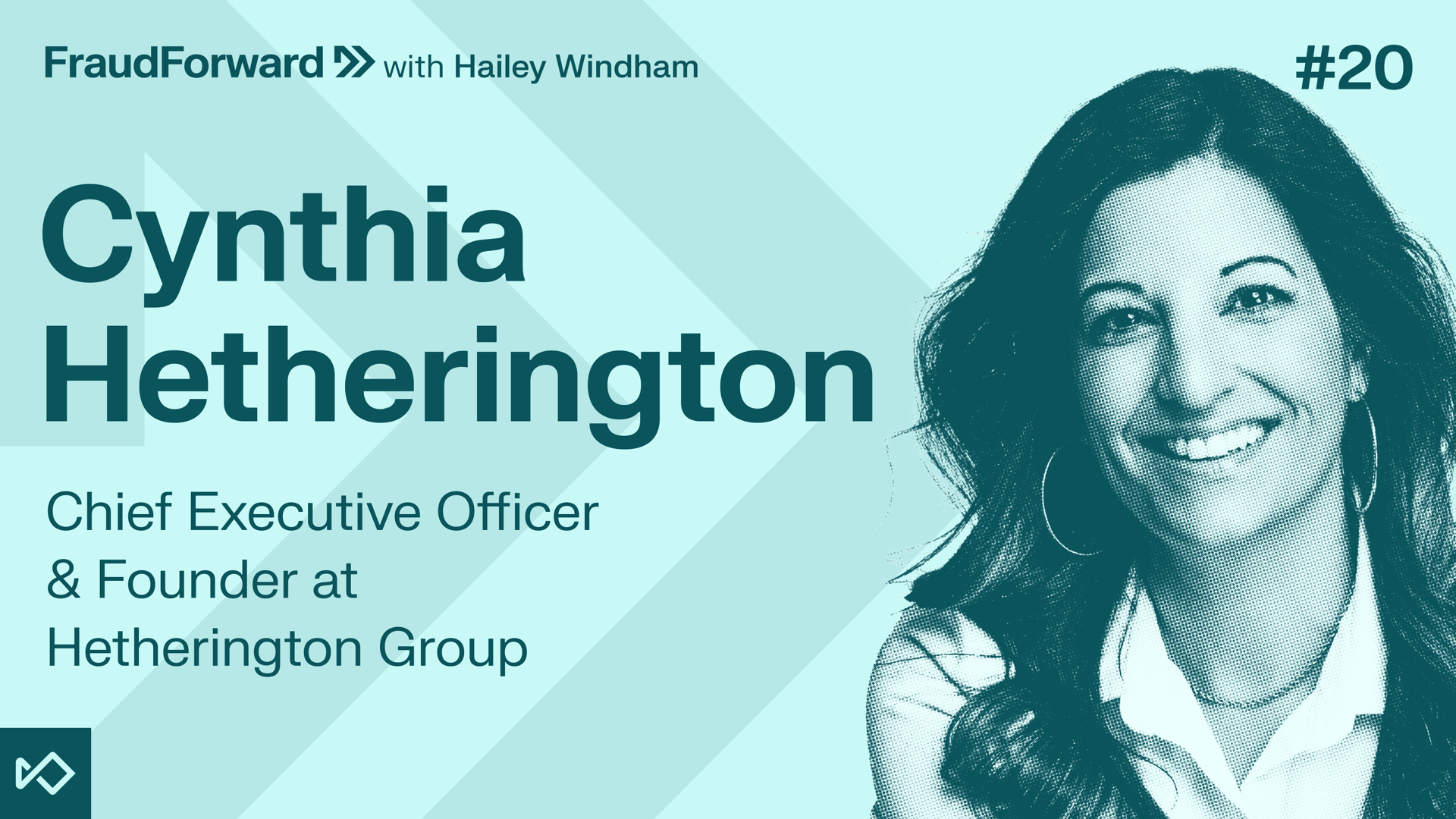
En este episodio me siento a conversar con la investigadora Cynthia Hetherington, y, luchadores contra el fraude, este es un cambio radical para cualquiera que trabaje en investigaciones de fraude financiero en un mundo donde las huellas digitales están por todas partes. La inteligencia de fuentes abiertas (OSINT) está transformando la forma en que se llevan a cabo las investigaciones de fraude, pero solo cuando la usamos con disciplina, ética y un proceso que resista el escrutinio.
Tomémonos un momento para volver a encuadrar la situación. Los datos de código abierto ya no son la parte difícil. Lo difícil es hacerlos defendibles. Es dejarlos listos para presentarlos ante un tribunal. Es asegurarse de que lo que encuentras hoy siga siendo válido mañana, y es garantizar que tu trabajo pueda superar una revisión interna, las preguntas de cumplimiento normativo y los desafíos legales.
Cynthia me explica su metodología de investigación CRAWL, y me encanta lo práctica que es. No se trata de “buscar en internet y cruzar los dedos”. Es estructurada. Es repetible. Está diseñada para casos reales en los que necesitas documentación de casos defendible, una pista de auditoría limpia para investigaciones de fraude y pruebas de que seguiste estándares éticos de investigación.
Profundizamos en las mecánicas que importan: la autenticación de evidencia digital, los procedimientos de validación de documentos y los métodos de verificación de identidad en línea que van más allá de simples coincidencias superficiales. Hablamos sobre la recopilación de inteligencia en redes sociales, las herramientas de investigación en registros públicos y cómo la integración de flujos de trabajo OSINT ayuda a los analistas de fraude a construir narrativas más sólidas sin saltarse pasos.
Quiero profundizar en algo que Cynthia enfatiza: los protocolos de preservación de evidencia. Porque la información cambia. Las publicaciones se eliminan. Los perfiles se modifican. Las páginas se actualizan. Por eso son tan importantes la disciplina en las actualizaciones de seguridad y las investigaciones de apoyo a litigios. Si no puedes demostrar qué viste, cuándo lo viste y cómo lo verificaste, tus conclusiones pueden desmoronarse justo cuando más importan.
Así que, si estás construyendo casos, capacitando equipos, modernizando flujos de trabajo o simplemente quieres que tus investigaciones sean más fiables y más defendibles, este episodio te dará una guía práctica para hacer OSINT, inteligencia de fuentes abiertas, de la manera correcta.
Si te gustó este episodio, asegúrate de suscribirte y dejar una reseña del pódcast en iTunes, Spotify, YouTube o en cualquier plataforma donde escuches pódcasts. Realmente ayuda a correr la voz.
Permíteme asegurarte que la inteligencia de fuentes abiertas (OSINT) se vuelve realmente poderosa cuando está guiada por una metodología estructurada.
La metodología de investigación CRAWL hace hincapié en la disciplina, y eso es lo que la hace valiosa. Las investigaciones de fraude financiero dependen cada vez más de fuentes digitales, pero sin una estructura, el trabajo se vuelve difícil de defender.
Esto es lo que permite la OSINT estructurada:
OSINT no se trata solo de encontrar información. Se trata de construir una narrativa que pueda ser verificada.
Quiero profundizar en la verificación porque es aquí donde las investigaciones pueden fortalecerse o desmoronarse.
Las técnicas de investigación de código abierto deben ir acompañadas de:
Las normas éticas de investigación también son importantes. Los investigadores deben respetar la privacidad y, al mismo tiempo, preservar las pruebas de manera responsable. Ahí es donde entran en juego los protocolos de preservación de evidencias, porque lo que ves en línea hoy puede no estar allí mañana.
Una verificación sólida protege a las instituciones y también protege a los investigadores.
Al cien por ciento, la integración del flujo de trabajo de OSINT es lo que hace que esto sea escalable.
Si tu proceso depende de la memoria de una sola persona o del talento de una sola persona, se romperá cuando aumente el volumen. La capacitación investigativa en instituciones financieras es la forma de operacionalizar la calidad para que tu equipo pueda producir resultados consistentes.
Esto es lo que quiero que los equipos refuercen:
La inteligencia de fuentes abiertas (OSINT) no es un atajo. Es un complemento disciplinado a las técnicas de investigación tradicionales que mejora la claridad, la solidez jurídica y la resiliencia a largo plazo.
La misión sigue siendo la misma:
El futuro de la prevención del fraude bancario depende de la comunidad.
El futuro de la prevención del fraude en las cooperativas de crédito depende de la colaboración.
El futuro de la evolución de la industria del fraude depende de la inteligencia compartida y de la alineación de valores.
Estamos subiendo de nivel.
Y lo estamos haciendo juntos.
Mantente alerta, mantente informado y sigue impulsando la lucha contra el fraude.