


#12128 min
¡Qué tal, luchadores contra el fraude, y bienvenidos a Fraud Forward!
Muy bien, estoy entusiasmado con este tema porque el análisis transaccional es una de esas habilidades que nunca pasan de moda. Las herramientas cambian. Los paneles se ven más bonitos. La IA hace más ruido. Pero cuando quitas todo eso, los equipos antifraude que ganan son los que pueden mirar el comportamiento de las transacciones y decir: “Esto es ruido” o “No, esto es el comienzo de algo”.
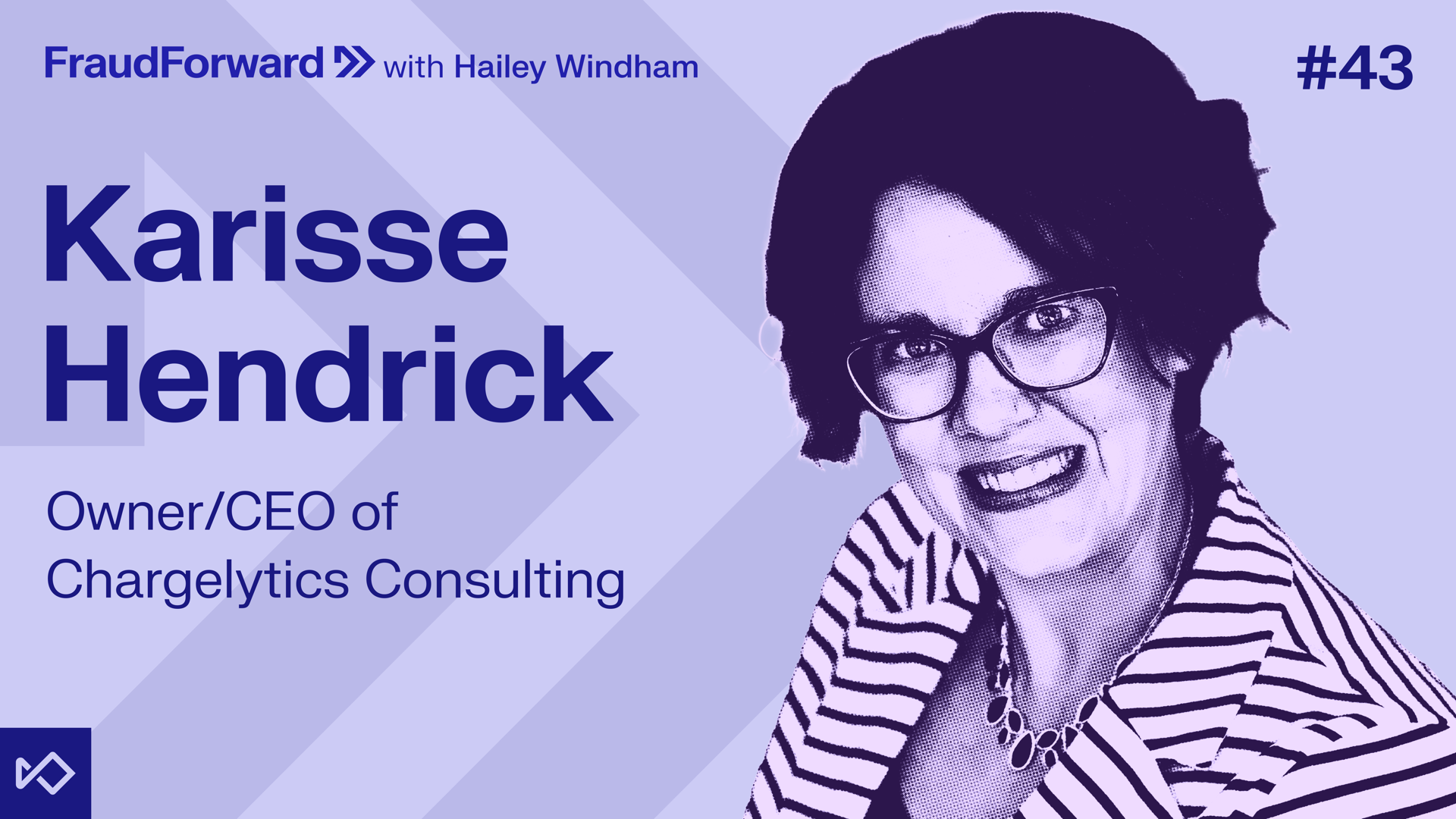
En este episodio retomo una conversación con Gil Rosenthal y Karisse Hendrick, en la que profundizamos en cómo el análisis transaccional perfecciona la toma de decisiones en los ecosistemas de banca y fintech. Hablamos sobre el comportamiento sospechoso de los comercios, cómo se manifiesta de forma temprana y por qué la detección de fraude de comerciantes suele tener menos que ver con un único pico enorme y más con sutiles desvíos en los patrones que nadie nota hasta que ya es demasiado tarde.
Muchos equipos se están ahogando en datos. El problema no es el acceso. El problema es la interpretación. El reconocimiento de patrones de transacciones requiere contexto, memoria y disposición para hacer mejores preguntas. Es la diferencia entre una cola que crece indefinidamente y un programa que realmente contiene las pérdidas.
Analizamos cómo puede verse la actividad sospechosa de un comercio cuando intenta no ser detectada. Cosas como cambios en la velocidad que siguen por debajo de los umbrales. Agrupaciones entre cuentas que parecen “aleatorias” hasta que las representas. Inconsistencias geográficas que no activan reglas porque cada transacción, por sí sola, parece normal. Cambios de categoría que parecen menores, pero señalan un cambio de intención. Esos son los momentos en los que los controles de monitoreo de comercios y la interpretación de los datos de fraude marcan la diferencia.
Y esto no es solo una conversación sobre comercios. Hablamos de la gestión del fraude por parte de los emisores, de la estrategia de prevención del fraude en pagos y de cómo los equipos de analítica de fraude en bancos y los equipos de prevención de fraude en fintech suelen ver distintas partes del mismo riesgo. Por eso importan las tendencias de fraude entre industrias. Las estafas viajan. Las tácticas migran. El ecosistema está conectado, estén o no alineadas las estructuras de gobernanza.
También me encanta que este episodio vaya más allá de la detección y se adentre en el crecimiento profesional. Luchadores contra el fraude, el análisis transaccional es portátil: se mueve con ustedes. Estén en banca, en estrategia de fraude minorista o en movilidad de carrera dentro de fintech, la capacidad de interpretar el comportamiento se traduce. Hablamos de transiciones de carrera en fraude, del desarrollo profesional en el ámbito del fraude y de por qué el networking en delitos financieros y la colaboración sectorial contra el fraude no son opcionales. Son la forma de mantenerse afilados y de mantener su perspectiva actualizada.
Si quieres llevar tu liderazgo en operaciones de fraude al siguiente nivel, no solo necesitas mejores herramientas. Necesitas mejores preguntas. Necesitas un mejor reconocimiento de patrones. Y necesitas una comunidad profesional que te ayude a anticiparte a lo que viene.
Si te gustó este episodio, asegúrate de suscribirte y dejar una reseña del podcast en iTunes, Spotify, YouTube o en cualquier plataforma donde escuches podcasts. Realmente ayuda a que más gente lo conozca.
Permíteme asegurarte que los esquemas de fraude evolucionan rápidamente, pero el análisis de transacciones sigue siendo una constante.
Los patrones cambian. Las categorías de comercios se amplían. Los canales de pago se multiplican. La capacidad de interpretar los datos de las transacciones con criterio suele marcar la diferencia entre una escalada temprana y señales pasadas por alto.
El análisis de fraude bancario y la prevención de fraude en fintech dependen ambos de una revisión rigurosa. El análisis transaccional no consiste simplemente en ejecutar consultas, sino en formular las preguntas adecuadas sobre velocidad, agrupamiento y desviaciones con respecto al comportamiento esperado.
La actividad sospechosa de los comercios suele manifestarse de formas sutiles.
Presta atención a señales como:
Los controles eficaces de monitoreo de comercios combinan análisis estructurados con una revisión colaborativa. Esa colaboración mejora la interpretación de los datos de fraude y reduce los puntos ciegos. Ese rigor fortalece tanto la gestión de fraude de los emisores como la estrategia de prevención de fraude en el comercio minorista.
Las tendencias de fraude entre distintos sectores influyen en la forma en que se aplica el análisis de transacciones.
Los bancos pueden operar bajo marcos regulatorios más estrictos. Las fintech pueden moverse más rápido, pero enfrentan dinámicas de supervisión diferentes. El trabajo se está adaptando sin perder rigor.
El análisis transaccional es transferible. Los profesionales de fraude que comprenden el reconocimiento de patrones de transacciones y el contexto de riesgo pueden moverse entre sectores y seguir aportando valor, incluso cuando el acceso a los datos y las estructuras de gobernanza son diferentes.
Esta parte importa más de lo que la gente admite.
El trabajo en red sobre delitos financieros y el desarrollo profesional en materia de fraude son la clave para mantenerse al día. Las conferencias sobre prevención del fraude, las asociaciones del sector y los foros de colaboración sobre fraude en la industria exponen a los líderes a las nuevas tendencias en fraude de pagos y a guías prácticas de actuación.
La movilidad profesional en fintech y banca depende de las habilidades técnicas y del compromiso con el sector. El análisis de transacciones proporciona la base, pero el aprendizaje continuo y la colaboración sostienen el crecimiento a largo plazo.
El análisis transaccional sigue siendo una habilidad sólida en un ecosistema de pagos en constante evolución. Los líderes que perfeccionan la disciplina analítica mientras fortalecen sus relaciones dentro de la industria posicionan tanto a sí mismos como a sus instituciones para una resiliencia sostenida.
La misión sigue siendo la misma:
El futuro de la prevención del fraude bancario depende de la comunidad.
El futuro de la prevención del fraude en las cooperativas de crédito depende de la colaboración.
El futuro de la evolución del sector del fraude depende de la inteligencia compartida y de la alineación de valores.
Estamos subiendo de nivel.
Y lo estamos haciendo juntos.
Mantente alerta, mantente informado y sigue impulsando la lucha contra el fraude.