ブエノスアイレスで家族や友人に会ってきたところなんですが、アルゼンチンでまったく現金を使わずに過ごすのが当たり前のように感じられたのは、今回が初めてで、自分でも予想していませんでした。普通.
これは2024年の終わり頃でさえ、まだそうではありませんでした。ですが今回の旅行では、どの銀行のデビットカードやクレジットカード、QR決済でも、ほとんど(99%)支払いが済んでしまいました。レストランのウェイターでさえ、チップ専用に2台目のPOS端末を用意し始めていたほどです。
インフレや為替規制、金融機関への深い不信感によって、これまでデジタル決済と複雑な関係を抱えてきた国にとって、これは驚くべき変化です。いったい何が変わったのでしょうか?
当時(2023年以前) | 現在(2026年) |
都市部でも現金が主流 | カードまたはQRで99%カバー |
MercadoPagoは同一アプリ内でのスピードで優位に立った | すべての銀行とウォレット間での完全な相互運用性 |
並行外国為替市場(キュエバス)はしばしば必要とされる | アプリ型FXの実用性がますます高まる |
デジタル決済は主にブエノスアイレスの物語である | QR決済の普及が人口1,000人の村にも広がる |
決済の変革
ついに即時決済にもPIXのような転換点が訪れる
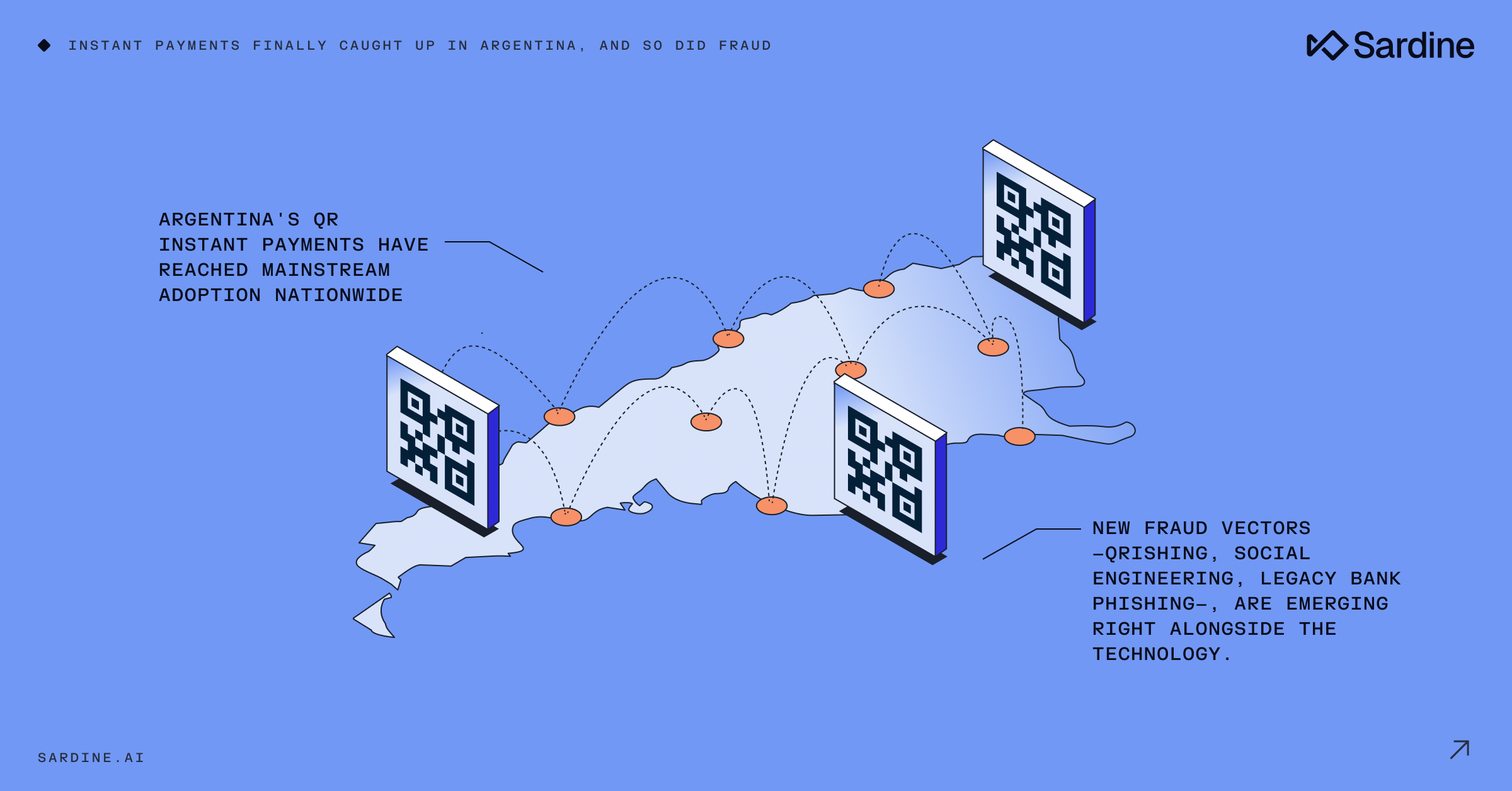
アルゼンチン中央銀行(BCRA)のTransferencias 3.0 はQRコード経由のサービスとして本当にシームレスな水準に成熟し、ブラジルのPIXと肩を並べる存在になりました。同一アプリ間送金が速いという理由だけでMercado Pagoが圧倒的な優位に立っていた時代は、ほぼ終わりを迎えています。競争環境はフラットになりました。
ひとつだけ願いがあるとすれば、現在のCVU/エイリアスキーの仕組みを進化させて、サンパウロでの運用と同じように電話番号やメールアドレス、納税者番号での検索にも対応してほしいということです。(これはただの嫉妬から言っているだけです。僕が欲しかった三語のエイリアスは、すでに誰かに取られていました。)ポルテーニョなら分かってくれるはずです。Transferencias 3.0は2020年末に稼働を開始し、2021年末までには完全な相互運用性を実現しました。この時点で、すべてのQRコードは銀行やウォレットをまたいで利用できることが義務づけられました。このスキームにより、あらゆる銀行口座やバーチャル口座間での即時送金のためのレールが標準化され、QRコードや支払いリンク、その他の識別子を通じて、24時間365日、15秒以内に資金が着金するようになりました。概念的には、従来型のカード決済ネットワークというより、ブラジルのPIXにずっと近い仕組みであり、低コストで取消不能な口座間送金として、現金の代替となることを明確に意図して設計されています。
2023年末までに、アルゼンチンの電子決済は68%成長し、前年比で、Transferencias 3.0 のような即時決済インフラが全取引の約36〜37%を占めるまでになりました。
アナリストの試算によると、アルゼンチンの決済市場は2025年時点で約1,130億米ドル規模とされており、予測ではその規模が2030年代初頭には5,000億米ドルを超える可能性があると見込まれています。これは、デジタルウォレットや口座間送金が年間30%超のペースで成長しているためです。
PIX は依然として取引量の面でラテンアメリカをリードしていますが、アルゼンチンは、リアルタイム決済インフラ、汎用的なQRコードの相互運用性、そして強力な規制当局の後押しという、同様の設計図を再現した数少ない市場の一つであり、Transferencias 3.0 を真の地域の同格プレーヤーとして位置づけています。
なぜアルゼンチンのブルードルのクエバ(闇両替商)は、いま優位性を失いつつあるのか
かなり久しぶりに、アルゼンチンの並行為替市場、つまり「ブルードル」を提示する非公式のクエバ(両替所)や街角のアルボリートたちが、規制されたデジタルチャネルで得られるレートや利便性と比べて、まったく魅力的ではなくなっていた。私は、AstroPay を使って BRL から ARS を、考える間もなく、まずまずのレートで即座に購入した。一方その頃、フロリアノポリスを訪れていたアルゼンチン人の友人たちは、belo や Cocos のような専用の越境アプリをわざわざ使う代わりに、Mercado Pago 経由で Pix のQRコードをスキャンしてデカトロンで支払いをしていた。
アルゼンチンのパラレル為替市場(「ブルードル」のクエバや街角のアルボリート)は、歴史的に、公定レートと市場の期待との大きな乖離に加え、正式なチャネルを通じた外貨アクセスを制限する厳しい資本規制を背景に発展してきました。そうした環境では、インフォーマルなマイクロFXネットワークにおける現金の両替こそが、現地の人々や旅行者にとって、現実的なレートを得たり、ペソから素早く価値を移したりするほぼ唯一の手段となっていたのです。
2023年末から2024年にかけて、アルゼンチン政府は、公定ペソの大幅な初期切り下げに、財政引き締めと資本規制を段階的に解除していくためのロードマップを組み合わせた、積極的な安定化プログラムを導入しました。その直接的な効果として、公定レートと並行レートの乖離が縮小し、フィンテックウォレットや越境決済プロバイダーなどの規制されたアプリベースのFXチャネルが、特に長期的な資本逃避ではなく日常的な支出において、相対的に魅力的になりました。現場レベルでは、旅行や高額決済のたびにクエバ(闇両替商)に並ぶ代わりに、ブラジルのPIX経由で送金できるウォレットや、多通貨対応フィンテック、あるいは現地のA2Aレールを利用することに人々がより抵抗を感じなくなっている、という形で表れています。
ブエノスアイレスを越えて:全国的なQR決済とウォレットの普及状況
本当に驚いたのはこの部分でした。私はポルテーニョのレストランでQRコード決済をしていただけではありません。コードを読み取ってサラミネス・デ・カンポ(田舎風ソーセージ)やアルファホレス・アルテサナレス(手作りのサンドイッチクッキー)を、ブエノスアイレス州南部の人口1,000人ほどの村で買っていたのです。小さな店の中には、クレジットカードよりもQRコードや現金で支払うと10%割引を提供しているところさえありました。これは、加盟店がクレジットカード手数料をどれほど避けたがっているか、そしてウォレット決済がごくローカルなレベルにまでどれほど当たり前のものになっているかを物語っています。

そのような地理的な広がりは、本物であることを物語っています。もはや首都だけのフィンテック物語ではありません。
規制当局や市場調査会社は、アルゼンチンにおける決済の変化を、もはやブエノスアイレスだけの物語ではなく、国全体にわたる構造的な変革として位置づけている。中央銀行による金融包摂イニシアチブは、Transferencias 3.0 と組み合わさることで、小規模事業者やこれまで十分にサービスが行き届いていなかった地域を明確にターゲットとし、マイクロビジネスや地方の小売業者であっても、相互運用可能なQR決済を受け入れられる環境を整えた。業界データによれば、アルゼンチンの電子決済は2023年末までの1年間で約68%成長し、デジタルウォレットはEC支出のおよそ3分の1、POS支出のおよそ5分の1を占めるまでになっている。特に従来型の銀行支店が十分に存在しない地域において、デジタルウォレットは今後数年のうちに主要な決済手段となる見込みだ。
その点は地理的にも重要です。アルゼンチン全体の決済市場において、デジタル決済とモバイル決済は、スマートフォンの普及、積極的なフィンテックの拡大、小規模店舗におけるQRコードの広範な利用によって牽引され、現在最も成長が速いセグメントとなっています。
ある市場の予測によると、アルゼンチンの決済市場は、2024年の約869億米ドルから2032年にはおよそ5,000億米ドルまで拡大すると見込まれており、その成長の大部分は、デジタルウォレットやQR対応の口座間決済によって、eコマースと対面決済の両方で押し上げられるとされています。
簡単に言えば、あなたが人口1,000人の村で職人の手作り品を購入したときの体験は、マクロデータが示している「起きるべきこと」とまさに一致しているのです。
裏を返せば:その過程で不正も一緒についてきた
テクノロジーが進歩するにつれて、その裏に潜むリスクも同時に大きくなっていきます。導入初期の段階は常に最も混乱しやすく、アルゼンチンはまさに今、その段階の真っただ中にあります。
アルゼンチンの金融犯罪は、ブラジルで見られるような組織化のレベルには達していません。ブラジルでは、PCCのようなギャングが資金洗浄のためにフィンテック企業を丸ごと買収することが知られています。しかし、今回の出張で耳にした不正の手口は、それ自体かなり懸念すべきものでした。
ブラジルにおける組織的金融犯罪の状況
ブラジルでは、プリメイロ・コマンド・ダ・カピタル(PCC)のような犯罪組織が、大規模な金融犯罪と明確に結びつけられており、その中には銀行強盗、サイバー技術を悪用した詐欺、フィンテックのインフラを利用した高度なマネーロンダリング・スキームなどが含まれます。公開情報や監督当局の見解では、マネーミュールのネットワーク、ペーパーカンパニー、さらには規制対象の仲介業者でさえも、リアルタイム決済システムを通じて詐欺やスキャムの収益を流すために取り込まれ得ることが指摘されています。こうした状況が、PIX を悪用する詐欺組織に関する頻繁な報道や、リアルタイム不正対策、業界全体でのデータ共有、マネーミュール口座の一斉取り締まりに関して、ブラジルが比較的積極的な姿勢を取っている背景となっています。
その基準と比べると、アルゼンチンの不正行為の状況は依然としてカルテル産業型というより、より断片的で機会主義的なものですが、地域全体のパターンは明らかです。即時決済が拡大するにつれて、組織犯罪グループは単純な対面カード不正から、リアルタイムの口座間詐欺やソーシャルエンジニアリング、そしてアカウント乗っ取り攻撃へと移行し、金融包摂を促進するために規制当局が構築したのと同じインフラを利用しているのです。
レガシー銀行システムの脆弱性
私の両親の友人が、ネットバンキングのお知らせを装ったフィッシングメールを受け取りました。そこで入力した認証情報が盗まれ、モバイルバンキング用のトークンを一度も求められることなく、数分のうちに当座預金口座の残高がすべて引き出されてしまいました。アルゼンチンのレガシー銀行には、早急に埋めなければならない重大な認証面の抜け穴があります。
支払い時点でのソーシャルエンジニアリング
年配の知人が、バスの乗車料金をQRコードで支払おうとしているときに詐欺に遭いました。後ろに並んでいた人が手伝うふりをして近づき、最終的には彼女のモバイルアプリからこっそりお金を抜き取っていたのです。これは技術の不具合ではありません。新しい支払いフローに不慣れなユーザーにつけ込んだソーシャルエンジニアリング攻撃であり、特定の属性の人々が特定の詐欺手口に対してより脆弱であるという、業界が把握している知見と直接結びつくものです。
クイッシングとQR詐欺の動向
おそらく最も懸念される傾向は、悪意のあるQRコードが正規のコードの上に貼り付けられていることです。交通違反の通知書やレストランのテーブル、さらにはパーキングメーターにまで及びます。被害者は公式の支払い用コードに見えるものをスキャンしてしまい、そのお金はまったく別のところへ送られてしまいます。
世界的に、QR を悪用した詐欺(「quishing」や「qrishing」とも呼ばれる)は、QR 決済の普及とともに加速しています。2024〜2025年のセキュリティ分析では、quishing は古典的なフィッシングの進化形と位置づけられており、悪意ある URL が QR コードに埋め込まれ、メールやメッセージアプリ、印刷されたステッカー、あるいはレストランのテーブル、駐車料金メーター、公共交通機関などにある正規の QR コードの上に重ね貼りされる形で配布されます。スキャンされると、被害者は認証情報を盗み取るページやマルウェアサイト、あるいは資金を直接抜き取ったり、将来的なアカウント乗っ取りの足がかりとなる偽の決済画面へと誘導されます。
市場調査では推計しています世界のQRコードおよびQR決済を含むQRエコシステムは、2030年まで年間おおよそ10%台後半から20%前後の複利成長率で拡大していくと見込まれています。
その直接的な帰結として、規制当局や業界団体は現在、QR決済詐欺を「新たなタイプの決済詐欺」として位置づけており、リアルタイムの取引監視、URL検査、デバイスフィンガープリンティング、そして消費者教育を主要な抑止策として求めています。
アルゼンチン特有の状況として説明するなら、罰金の支払い用伝票や駐車場、レストランのテーブルなどに貼られた悪意あるQRコードの上書きは、世界的に広がる「クイッシング(QRコードを悪用したフィッシング)」トレンドのローカル版であり、QRが標準的な決済インターフェースになるにつれて、こうした手口はさらに激化していくと十分に主張できます。
不正行為の手口 | 仕組み | 最もリスクが高い人は誰か |
フィッシング/アカウント乗っ取り | 偽の銀行通知メールで認証情報が盗まれ、トークンが作動する前に口座が空にされる | レガシー銀行の顧客 |
ソーシャルエンジニアリング | 詐欺師が支払い時に親切な通行人を装い、モバイルアプリを使って送金先をすり替える | デジタルに不慣れ、または高齢のユーザー |
クイッシング | 罰金の支払い用コードやレストランのテーブル、パーキングメーターなどにある正規のQRコードの上に貼られた悪意のあるQRコード | 公共の場でQRコードで支払う人 |
これが意味すること
アルゼンチンの決済分野の飛躍は本物であり、評価に値します。わずか数年のうちに、現金中心で運営され、闇両替市場に悩まされていたこの国は、全国規模で機能するQR即時決済インフラを構築しました。
しかし、あらゆるテクノロジーの普及曲線には、それに続く不正の曲線が存在します。問われているのは不正が発生するかどうかではなく、この市場で事業を展開する金融機関やフィンテック企業、不正対策チームが、それに対応する準備ができているかどうかです。
今アルゼンチンで現れている手口は、決して特別なものではありません。新しい決済の場に、これまでと同じやり口が当てはめられているだけです。むしろそれは良い知らせです。詐欺業界はすでに同じ状況を経験しており、それに対応するためのプレイブックも存在するからです。
結果がすべてを物語るでしょう。しかし、これに先手を打てる時間は今しかありません。