最近、不正対策の責任者たちにこんな質問をしています。「もし、あなたのAIエージェントの1つが6週間も性能低下を起こしていたとしたら、そのことに気づけますか?」
ほとんどの人は「いいえ」と答えるでしょう。
そしてそれが問題なのです。なぜなら、ドリフトしていくエージェントは、エージェントがまったくない状態よりも悪いからです。彼らは外から見るともっともらしい出力を生成しますが、その一方で、他のすべてが依存している入力を劣化させてしまいます。
では、どのようにして自分のエージェントを管理すればよいのでしょうか?注目すべき点が2つあります。
まず、そのエージェントは本当に不正対応サイクルを短縮しているのでしょうか?
次に、その影響が手遅れになるまで表面化しないような形でドリフトしていないでしょうか?
しかし実際のところ、一般的なダッシュボードを見てみると、まったく別の問いに答えるように設計されています。「このエージェントはそもそも動いているのか?」という問いです。これは最も意味のない問いかけです。不正検知用AIエージェントの指標は、ワークフローが形式的に動いているかどうかではなく、エージェントが成果を改善しているかどうかを測定する必要があります。
不正対策の反応サイクルを測定対象として活用する
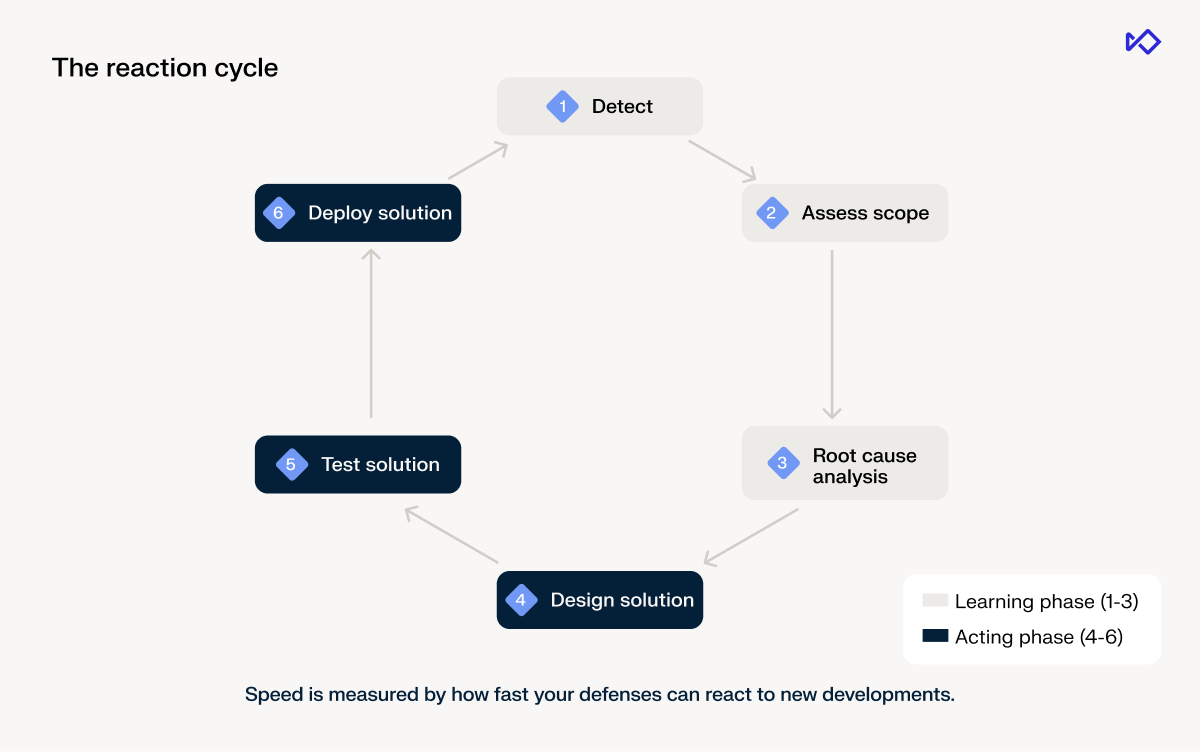
これまでにも書いてきたとおり、私の考えでは、不正対策の有効性を測る最重要KPIは「リアクションサイクル」です。つまり、システムが抜け穴を検知し、それに対する対策を展開するまでにかかる時間のことです。その一連のプロセス全体において、不正検知におけるエージェント型AIは、その時間を大きく短縮することができます。
しかし、「圧縮できる」と「実際に圧縮している」は同じではありません。モニタリングの第一歩は、エージェントが実際にそれらの時間指標を正しい方向に動かしているかどうかを測定することです。つまり、AIエージェントのパフォーマンス指標は、検知スピード、スコープ設定のスピード、ソリューション設計、そしてデプロイまでの時間に直接結びついていなければなりません。
第2のポイントは、サイクル指標に表れる前の早い段階でドリフトを検知することです。劣化しつつあるエージェントが検知時間やソリューション設計のスピードに影響を与える頃には、その時点での損害はすでに数週間分に及んでいる可能性があります。
そこでAIガバナンスが実務的な意味を持つようになります。チームには、損失が下流で表面化する前に、エージェントの信頼性が低下し始めていることを示す先行指標が必要です。
あなたのエージェントはサイクルを短縮できていますか?
不正対策のAIエージェントは、対応サイクルを短縮するのに役立ちますが、その効果が常に全体で均一に現れるとは限りません。エージェントが効果を発揮している各ポイントで、次の点を追跡しましょう。
連携した不正パターンをより迅速に検知する
不正対策サイクルの最初のステップは、システムに抜け穴があることを認識することです。エージェントがいなければ、このプロセスは必然的に遅くなります。アラートが上がり、アナリストがようやくパターンに気づき、誰かが関連する事例を手作業で洗い出す。新たな攻撃が発生しても、誰も全体像をつかめないまま数日間続いてしまうことがあります。
アラートのクラスタリングと不正検知の自動化により、新たな犯罪グループは数時間で浮かび上がります。1件のアラートをきっかけに既知の事例が検索され、一致したものは既存のグループに紐づけられ、一致しなかったものは新たなグループ候補として扱われます。
追跡すべき指標: 新たな攻撃の最初のイベントがシステムに入り込んでから、チームがそれを連携したパターンとして認識するまでの時間。この指標は、コアとなる不正検知AIエージェントのメトリクスの一つであるべきです。多くのチームはまだこのベースラインを持っていないので、過去の緊急対応(いわゆる「火消し作業」)を振り返って算出しましょう。最初の不審なイベントが発生してから、その攻撃にフラグが立つまで、振り返ってみるとどれくらい時間がかかっていたでしょうか?
クラスタリングを導入してもこの数値が変化しないのであれば、そのクラスタリングは本来の役割を果たしていません。AIエージェントのモニタリングによって、その問題は数週間もパフォーマンスが低下してからではなく、すぐに可視化されるべきです。
AIエージェント監視で不正リングの範囲を特定する
あるパターンが検知されたら、次に問うべきは「これはどれくらい大きな問題なのか?」ということです。関係する口座はいくつあり、どの期間にわたり、実際の損失リスクはどの程度なのか。ここで、不正検知におけるエージェント型AIは、単にシグナルを見つける段階から、リスクにさらされている母集団全体を把握する段階へと進化できます。
エージェントが登場する以前は、スコープの特定は手作業でした。アナリストが関連する事例を洗い出し、デバイスデータを突き合わせて、アカウントごとに全体像を組み立てていたのです。詐欺検知用のAIエージェントを使えば、その同じ作業をはるかに短い調査時間に圧縮できます。さらにケース構築を行うことで、不正ネットワーク(リング)の全体像が自動的にマッピングされます。関連する事象には紐づけが行われ、影響を受けた対象が浮かび上がり、詐欺検知の自動化によって、それが不審な異常なのかどうかをほぼリアルタイムで明らかにすることができます。
追跡すべき指標: パターンが検知されてからリング全体が完全に特定されるまでの時間、ユーザーID数、そして総エクスポージャー(影響額・影響範囲)。AIエージェントのパフォーマンス指標として、これはエージェントが「認識からアクションまで」の作業をどれだけ削減できているか、そしてどこで"1件のアラートで15万件のアカウント"というフレーズが真価を発揮しているかを示します。そのリングのスコーピングには以前は数日かかっていましたが、今ではほぼ異常検知プロセスの一部になっています。
AIエージェントを使って不正対策を設計・検証する
攻撃の内容と、その攻撃がどのようにすり抜けているのかを理解したら、次に必要なのは対策です。Fraud AI エージェントは、これまでアナリストの時間の大半を費やしていた2つのステップ――解決策の提案と、その有効性の検証――を担うことができます。
エージェントは受信ラベルを監視し、パターンを特定し、ルールを提案してバックテストを実行します。これらはすべて、人間が確認する前に行われます。アナリストの役割は、提案を一から作ることから、その提案をストレステストし、承認することへとシフトします。これは不正検知におけるエージェント型AIの最も価値の高い活用方法の一つです。システムは、シグナルを受けてから対策案が提示されるまでのプロセスを、はるかに高速に進めることができます。
追跡すべき指標: 根本原因が特定されてからルールが提案されバックテストされるまでの時間、および提案から承認され本番環境に反映されるまでの時間です。前者は、エージェントがきちんと機能しているかどうかを示します。後者は、多くの場合、エージェントの不具合ではなく、AIガバナンスやシステム上のボトルネックを明らかにします。
サイクルステージ | エージェントが圧縮するもの | 追跡する指標 |
検出 | アラートのクラスタリングにより、数時間でリングが明らかになる | 時間:最初の不審なイベント → パターン認識 |
範囲 | リングマッピングの自動化と手動の比較 | 時間:パターン検出 → フルリングへのマッピング |
デザイン | エージェントが提案し、バックテストしたルール | 時間: 根本原因 → 提案されたルールとバックテスト結果 |
デプロイ | レビュー時のボトルネックを減らす | 時間:提案承認済み → 本番稼働中 |
サイクル指標が動き出す前にAIエージェントのドリフトを検知する
サイクルレベルの指標には問題があります。それは「遅れる」ことです。詐欺対応サイクルに紐づいたAIエージェントのパフォーマンス指標は必要ですが、それだけでは十分ではありません。3週間前から誤分類を始めたラベリングエージェントは、いずれ検知性能の低下やモデル精度の悪化、詐欺率の変動といった形で表面化しますが、その数値が動く頃には、すでに何週間も質の悪いデータで学習してしまっている可能性があります。これが、不正検知の自動化に伴うリスクです。基盤となる品質が劣化し始めていても、システムは出力を出し続けてしまうのです。
ルール提案エージェントの出力品質が悪化すると、その影響はサイクル指標に現れる前にアナリストの却下率に表れます。ただし、却下率をきちんと監視している場合に限ります。
望ましいのは、サイクルタイムに影響が現れる前に、何かがおかしいと知らせてくれるシグナルです。そのシグナルは、エージェントに人間が介在しているかどうかによって、異なる形になります。
Human-in-the-Loop(HitL)エージェント:最初に現れるシグナル
調査支援ツール、ルール提案システム、セグメンテーション推奨エージェントでは、いずれも人間がすべての出力を確認してから実行に移します。これらのHuman-in-the-Loop(人間参加型)エージェントは、各レビューが同意・不同意・却下の記録を残し、そのレビュー工程自体が自然な履歴を形成するため、監視しやすいという利点があります。
上書き率 は、最も明確な先行指標であり、人によるレビューを伴うワークフローにおいて最も有用な不正検知AIエージェントの指標の一つです。調査担当者が、これまでよりも頻繁にエージェントの推奨と異なる判断を下している場合、そのエージェントは劣化しつつあるということです。ここで重要なのは順序です。上書き率は、平均 調査時間が伸びるよりも先に上昇します。優れたAIエージェントのモニタリングは、その問題がまだ初期段階にあるうちにこの変化を捉えます。これは因果関係の連鎖の中でもより早い段階で起こるため、より早い警告シグナルになるのです。
ルールおよびセグメンテーションの提案エージェントにとって、却下率が同等の指標です。これは、エージェントが依然として有用な提案を出し続けているかどうかを示す、別のAIエージェントのパフォーマンス指標です。却下された提案は本番環境には反映されないため、成果に悪影響を与えることはありません。
しかし、却下率の上昇は、そのエージェントが外見上はもっともらしく見えるものの、人間によるレビューに通らない提案を生成しており、その結果として成果を生まないままアナリストの時間を消費していることを意味します。コスト面の懸念としてだけでなく、異常を知らせるカナリア指標としても追跡しましょう。
自律型AIエージェント:実際に起こる失敗の姿
自動ラベリングやアラートのクラスタリングのような自律型パイプラインには、個々の判断ごとの人間によるレビューがありません。これらが失敗しても、下流で何かが壊れるまで、その失敗は表面化しません。
実際にはこのようになります。
自動ラベリングエージェントが誤分類をし始めます。本来は正当なアカウントが、不正としてラベル付けされてしまい、誰もそれに気づきません。だからこそ、AIガバナンスでは、人間がレビューするワークフローとは異なる形で、自律型AIエージェントを扱う必要があるのです。数週間後、凍結されていた正当なユーザーのアカウントの持ち主がカスタマーサービスに電話してきます。これはチャージバックのシグナルではなく、誤ったラベルに端を発する異議申し立てなのです。
別のシナリオとしては、ケースのクラスタリングエラーにより、正当なユーザーが不正グループと関連付けられ、そのグループ内のすべてのアカウントが同じ判断を引き継いでしまう場合があります。
ダッシュボードで誰かが気づく前に、すでに被害は発生しています。通常の稼働時間チェックでは、この種の不具合は検知できません。AIエージェントのモニタリングでは、ラベルの品質、一貫性、そして分布の変化を監視する必要があります。
だから、複数ソース間の一致は自律型AIエージェントにとって早期シグナルとして重要なのです。自動ラベリングエージェントと、調査結果やルールベースで生成されたラベルなどの別のソースが同じ事象を分類しているとき、どれくらいの頻度で同じ結論に達しているかを追跡しましょう。
もし、これまで時間の90%で一致していた2つのソースの一致率が70%に下がったら、何かが変化したということです。不正検知用AIエージェントの指標として、クロスソース・アグリーメントは、自動ラベル付けのストリームがもはや信頼できない可能性があるタイミングを示すのに役立ちます。どちらのソースが間違っているかはまだ分かりませんが、被害が拡大する前に調査すべきだということは分かります。
もう一つのシグナルは分布の変化であり、これは自律型AIエージェントにとって特に重要です。というのも、人間のレビュアーが一件ずつ誤りを見つけてくれるとは限らないからです。もしラベリングエージェントが、新たな攻撃が発生していないセグメントで不正としてフラグを立てるイベントが40%増え始めたら、それは調査する価値があります。
エージェントへの入力のどこかが変化したのです。データ品質の問題かもしれないし、スキーマの変更や、基礎となる母集団のドリフトかもしれません。分布の変化そのものは何が問題かまでは教えてくれませんが、いつ・どこを調べるべきかは教えてくれます。
不正検知AIエージェントのコストと投資対効果を追跡する
このセクションは、自社でエージェント基盤を運用しているチームを対象としています。サードパーティの不正検知プロダクトを利用している場合は、コストは抽象化されており、同じようには当てはまりません。
しかし、自前のエージェントを運用している場合は、ケースごと、提案ごと、ラベルごとのコストを追跡してください。これらのコスト指標は、AIエージェントのパフォーマンス指標を置き換えるのではなく、並行して管理されるべきものです。同じ業務量にもかかわらずエージェントがより多くのコンピュートリソースを消費し始めたら、何かが変化しています。その変化は、コンテキストウィンドウの拡大、エンリッチメントコールの増加、あるいはワークフローの制御方法におけるAIガバナンス上の問題を示している可能性があります。
処理されるトークンが増えるということは、多くの場合、コンテキストウィンドウが長くなっているか、エンリッチメントの呼び出しが増えているか、あるいはエージェントが本来1回で終わっていた手順を再実行していることを意味します。計算量が増えるとサイクルも遅くなりがちで、それはあなたが目指している方向とは真逆です。
ここで最も重視すべきなのは単なるコストではなく、ROI(投資対効果)です。ラベル1件あたりのコストは、Detect(検知)やScope(範囲設定)にかかる時間と比べて、望ましい方向に推移しているでしょうか? もしAIエージェントのモニタリングで、詐欺対応サイクルが横ばいのままコストだけが上昇しているのであれば、そのエージェントは本来生み出すべき価値を出せていません。提案1件あたりのコストは、Design(設計)やTest(テスト)にかかる時間と適切な関係で推移しているでしょうか? コストが上がっているのにサイクルが短縮されていないということは、そのエージェントが本来の業務に対して非効率になっていることを意味します。その場合は、不正検知用AIエージェントの各種指標と、ワークフローを取り巻くガバナンス管理の両方について、より綿密な見直しを行う必要があります。
不正対策チームにとってのAIエージェント監視の実際の姿
以前にも説明しましたが、AIエージェントの管理、つまりモニタリングも含めて、それらを扱う責任はあなたの不正分析(Fraud Analytics)部門にあります。ツールの観点から言えば、ここには特に新しい点はありません。
リアルタイムアラートは、しきい値超過に対して発報されます。ベースラインを上回るオーバーライド率、しきい値を下回る複数ソース間のラベル一致率、許容範囲を超える分布の変化などです。これらのアラートは、不正検知の自動化におけるAIガバナンスの実務レイヤーを構成します。Slackやメールなど、チームがアラートを受け取るチャネルから自動的に発報され、その日のうちに確認されるべきです。
週次レビュートレンドラインの確認です。3つの不正対応サイクル区分ごとの指標に加えて、HitLエージェントのオーバーライド率と却下率も含めます。ダッシュボードでは、現在の数値だけでなく、その推移の方向性も示す必要があります。不正検知AIエージェントの指標は、パフォーマンスが向上しているのか、悪化しているのか、それとも気づかれないまま徐々に変化しているのかを示してこそ最も役に立ちます。3週間連続で悪い方向に動いている数値は、1回だけ急にスパイクした数値とは別種の問題です。
月次レポート コストとROI、そして最近サンプリング監査が行われていない自律型パイプラインに関するものです。エージェントの判断をランダムに抽出し、その一部を手作業でレビューします。すべてを網羅する必要はなく、むしろ系統的なドリフトが蓄積して深刻化する前に気づける程度のサンプルで十分です。これは自律型ワークフローにおける、最もシンプルなAIガバナンス実践の一つです。
明確に言っておきたいことが一つあります。あらゆるアラートシステムと同様に、感度の微調整方法を学ぶまでは、誤作動が多く発生する初期期間があると想定してください。強力なAIエージェント監視は、初日からノイズゼロにはなりませんが、どのシグナルが本当に重要かをチームが学ぶにつれて精度が上がっていきます。重要なのは、これらの誤作動がチームへのアラートが出ない「見逃し」ではなく、誤検知(フォルス・ポジティブ)であるようにすることです。
つまり、最初の数週間は多くのノイズが発生する可能性が高いため、チームは微調整の作業を優先し、「いつもの業務」モードに戻れるようにする必要があります。
質問に戻りましょう
私はシンプルな状況から話を始めました。あなたの不正検知AIエージェントの1つが、6週間にわたって性能低下を起こしていたとしたら、あなたはそれに気づけるでしょうか?
もしあなたがHitLエージェントのオーバーライド率や却下率を追跡していれば、数日で気づくはずです。自律型パイプラインについて、異なるデータソース間の一致度や分布の変化を追跡していれば、1〜2週間で気づくでしょう。
同時に、今では、価値 をエージェントがどのように生み出しているかを、より細かい粒度で追跡できるようになりました。節約できた「人間の作業時間」の数だけでなく、不正をどれだけ早く検知し、対応できるようになったかも把握できます。これもまた、特にAIエージェントのパフォーマンス指標が不正対応サイクルと結びつけられている場合には、節約した金額として数値化することができます。
不正対策AIエージェントとAIガバナンスを包括的に理解する
ここまでお読みいただいた内容は、実務担当者向けのガイドであり、この連載のベースとなっているホワイトペーパーを補完するものです。ホワイトペーパーでは、エージェント主導の世界で不正対策オペレーションがどのように変わるのかという全体像、新しいモデルに必要なチーム構造、継続的な学習を大規模に安全に行うためのAIガバナンスモデル、そして実際に機能する導入ステップ、どこでチームがそれを壊してしまうのか、社内でどのように守り抜くかまでを網羅的に解説しています。一方、このガイドでは、不正検知AIエージェント、AIエージェントのモニタリング、大規模な自動化を安全に運用するために必要なガバナンスモデルに、より実践的な観点から焦点を当てています。
不正行為を行うAIエージェントとは何ですか?
不正検知AIエージェントとは、不正対策チームがパターンを調査したり、アラートをクラスタリングしたり、ラベルを生成したり、ルールを提案したり、しきい値を監視したり、その他の不正対策ワークフローを支援したりするための、AI 搭載システムのことです。単純な自動化と異なり、不正検知AIエージェントは、ギャップの検知から、対策チームによる修正策の設計・導入の支援に至るまで、不正対応サイクル全体にわたる複数ステップのタスクを支援できます。
なぜ不正対策チームにとってAIエージェントのモニタリングが重要なのですか?
AIエージェントのモニタリングが重要なのは、不正検知用のAIエージェントが、一見正常に動作しているように見えても、実際には静かに性能が劣化していく可能性があるからです。ダッシュボード上ではエージェントが稼働中と表示されていても、その出力が正確で、有用で、不正防止の成果を向上させているとは限りません。不正対策チームには、パフォーマンスやドリフト、オーバーライド率、却下率、ラベルソース間の一致度、分布の変化などを追跡できるモニタリングが必要です。
最も重要な不正検知AIエージェントの指標は何ですか?
最も重要な不正検知向けAIエージェントの指標は、そのエージェントの役割によって異なります。検知や範囲特定を担うエージェントでは、最初の不審なイベント発生からパターンを一元的に認識するまでの時間、およびパターンがフラグされてから不正グループ全体の構造をマッピングし終えるまでの時間を追跡すべきです。人間が介在するタイプのAIエージェントでは、オーバーライド率(人間による上書き率)と却下率が重要です。自律型AIエージェントでは、複数データソース間でのラベル一致度、分布シフトの有無、サンプリング監査、ラベル1件あたりのコスト、ケース1件あたりのコストが重要なシグナルとなります。
不正検知サイクルは、不正対策AIエージェントにどのように適用されますか?
不正対策のリアクションサイクルとは、不正検知システムがギャップを発見し、対策を展開するまでにかかる時間を指します。Fraud向けのAIエージェントは、そのサイクルをどれだけ短縮できるかで評価されるべきです。エージェントが、組織的な不正パターンをより早く検知し、被害範囲をより早く把握し、ルール案をより早く提示し、修正を本番環境により迅速に反映できるのであれば、そのAIは定量的な価値を生み出していると言えます。
人間参加型AIエージェントと自律型AIエージェントの違いは何ですか?
Human-in-the-loop型のAIエージェントでは、何かが実行される前に、すべての出力を人間が確認します。例としては、調査支援ツール、ルール提案システム、セグメンテーション推奨エージェントなどがあります。自律型AIエージェントには、意思決定ごとの人間によるレビューはありません。例としては、自動ラベリングやアラートのクラスタリングパイプラインなどがあります。自律型AIエージェントは気づかれないまま不具合を起こす可能性があるため、合意チェック、分布シフトの検知、サンプリング監査などによる、より強力なモニタリングが必要です。
不正対策チームは、AIエージェントのドリフトをどのように検知できますか?
不正対策チームは、不正損失や主要KPIが悪化する前に、先行指標を監視することでAIエージェントのドリフトを検知できます。人間が介在するAIエージェントの場合、オーバーライド率や却下率の上昇は、エージェントの判断品質が低下しているサインになります。自律型AIエージェントの場合、複数ソース間のラベル一致率の低下、異常な分布シフト、サンプリング監査の失敗などが、下流システムに影響が出る前のドリフトの兆候として現れます。
不正検知におけるエージェント型AIは、どのように対応速度を向上させますか?
不正検知におけるエージェント型AIは、チームが不審なパターンを見抜き、関連する事象を結び付け、不正ネットワークを可視化し、ラベルを自動生成し、対策案を提示することを支援することで、対応までの時間を大幅に短縮できます。目的は、個々のタスクを自動化することだけではなく、不正の抜け穴を検知してから対抗策を展開するまでの時間そのものを短くすることにあります。
不正検知の自動化は、どのように新たなモニタリングリスクを生み出すのですか?
不正検知の自動化は、新たなモニタリング上のリスクを生み出します。なぜなら、自動化されたシステムは品質が低下していても、出力を出し続けてしまう可能性があるからです。ラベリングエージェントがアカウントを誤分類したり、クラスタリングエージェントが正当なユーザーを不正グループと同じクラスターにまとめてしまったりしても、すぐに人間が確認しない場合があります。そのため、AIエージェントのモニタリングでは、システムの稼働時間だけでなく、出力の品質を測定することが不可欠です。
不正対策チームは、AIエージェントのどのようなパフォーマンス指標を追跡すべきですか?
不正対策チームは、実際の不正被害の結果と結びつく形で、AIエージェントのパフォーマンス指標を追跡する必要があります。これには、検知までの時間、スコープ確定までの時間、根本原因の特定からルール提案までの時間、提案から本番反映までの時間、オーバーライド率、却下率、データソース間のラベル一致度、分布シフト、1件あたりのコスト、1提案あたりのコスト、1ラベルあたりのコスト、およびサンプリング監査結果などが含まれます。
AIガバナンスは不正検知用のAIエージェントにどのように適用されますか?
AIガバナンスは、不正対策チームが不正検知用のAIエージェントをどのように監視・レビュー・エスカレーション・改善していくかを体系的に管理するための仕組みです。実務的には、オーバーライド率、却下率、一致度、分布シフトなどのしきい値を設定し、トレンドを毎週確認し、自律型エージェントの判断を監査し、自動化が常に安全で説明可能であり、不正リスクに関する目標と整合していることを確かめることを意味します。