Airlines
Airlines
Spot fraud risk before PNR creation and miles redemption
Fraudsters book with stolen cards and drain loyalty accounts. Sardine connects device, behavioral, and network signals from PNR creation to miles redemption, so fraud teams see the risk and loyal travelers keep moving.
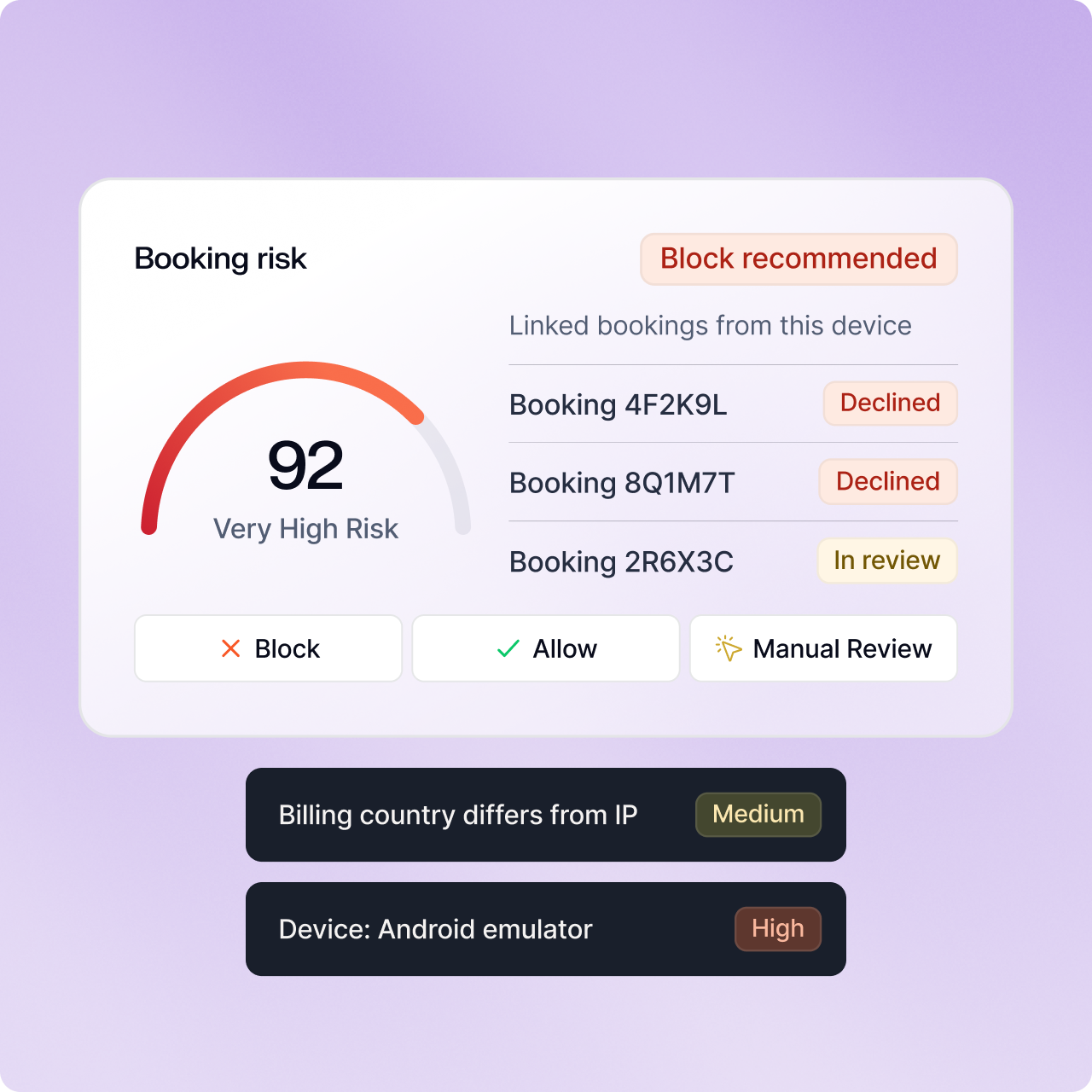
















One traveler view across web and app
Signals follow a traveler across devices, linked by the PNR or another unique identifier, from browsing to redemption, member or guest.

Recognize loyal travelers and keep them moving
Returning members pass without extra steps on web or app, and tighter controls apply only when risk materially increases.

Keep miles and stored cards out of attackers' hands
Flag account takeover and fraudulent enrollment before miles are redeemed or transferred, or stored payment methods are used.

Recognize repeat offenders from outside your airline
Connect risk across device, email, and identity to uncover repeat abuse that no single carrier sees.
Reduce risk at every step: browse, book, change, log in, redeem
Payment Fraud
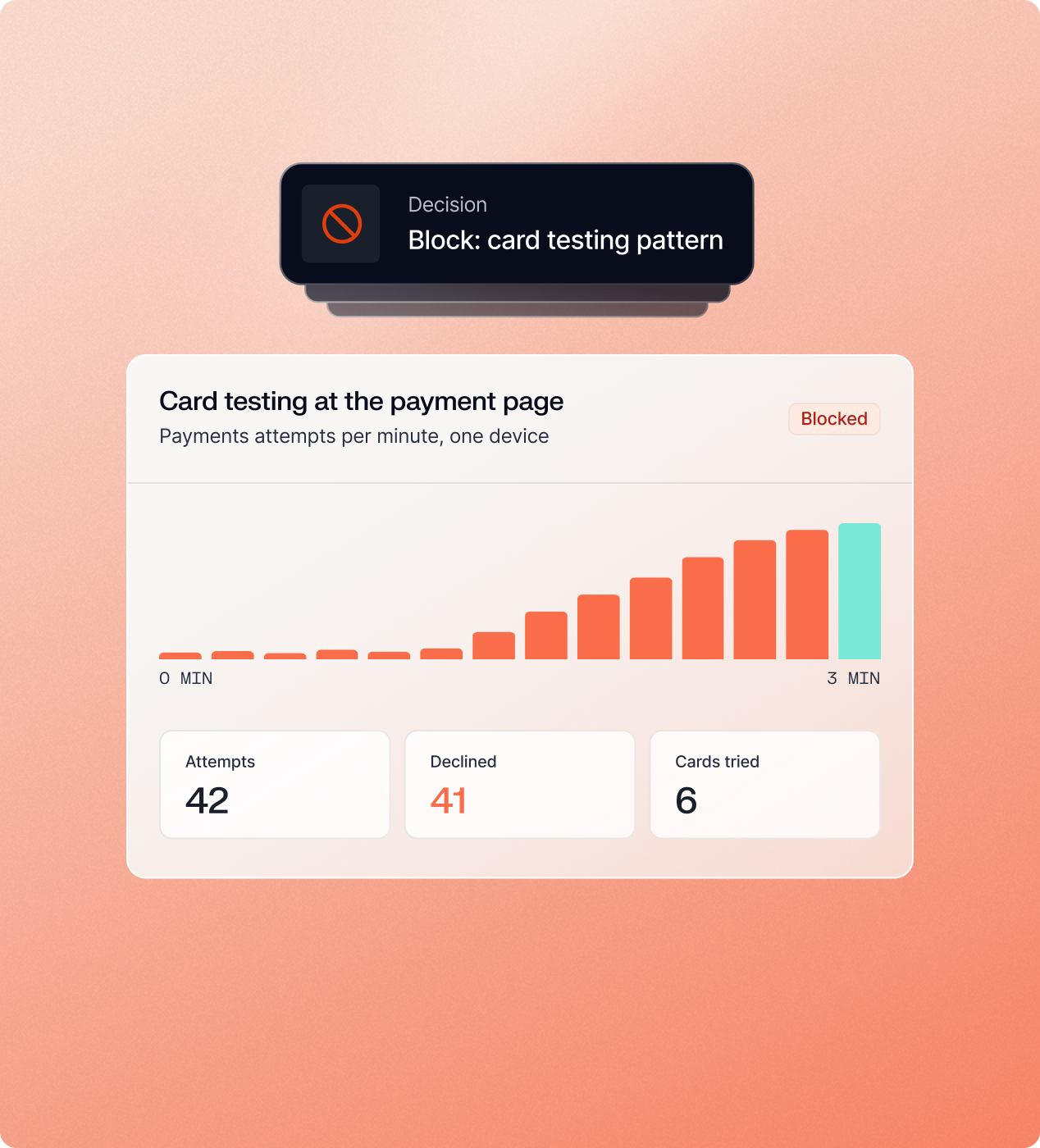
Catch stolen-card bookings before the chargeback
Stolen cards and card testing hit at checkout, but the chargeback lands after the flight. Sardine flags risky attempts in real-time, so your team can act while there is still time.
Account and Loyalty Protection
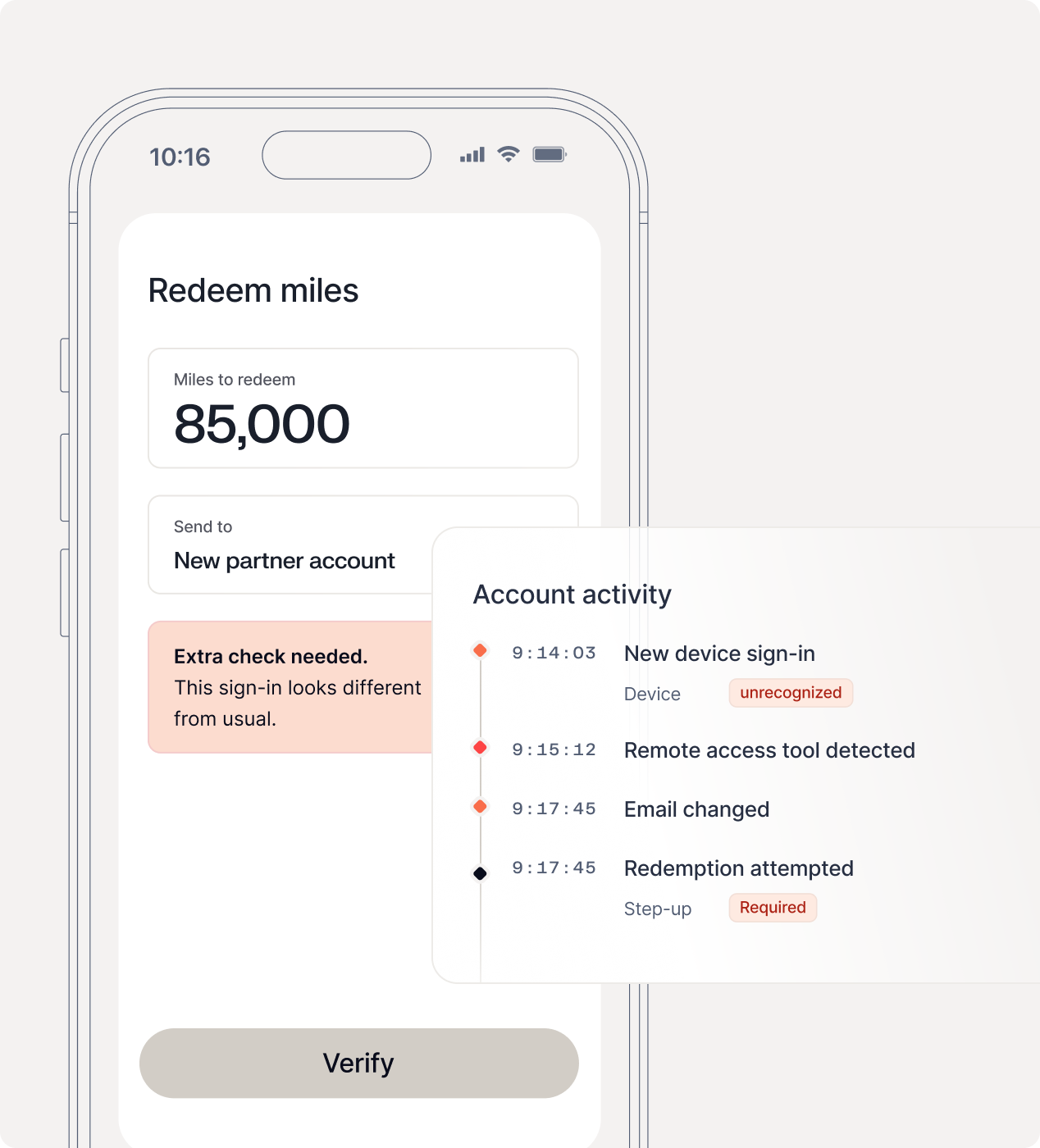
Keep attackers from emptying loyalty accounts
Loyalty accounts hold value, and takeover can empty one in a single session. Sardine flags the changes that give an attacker away, like a new device, a remote access tool, or an email change followed by a redemption.
Bots and AI Agents
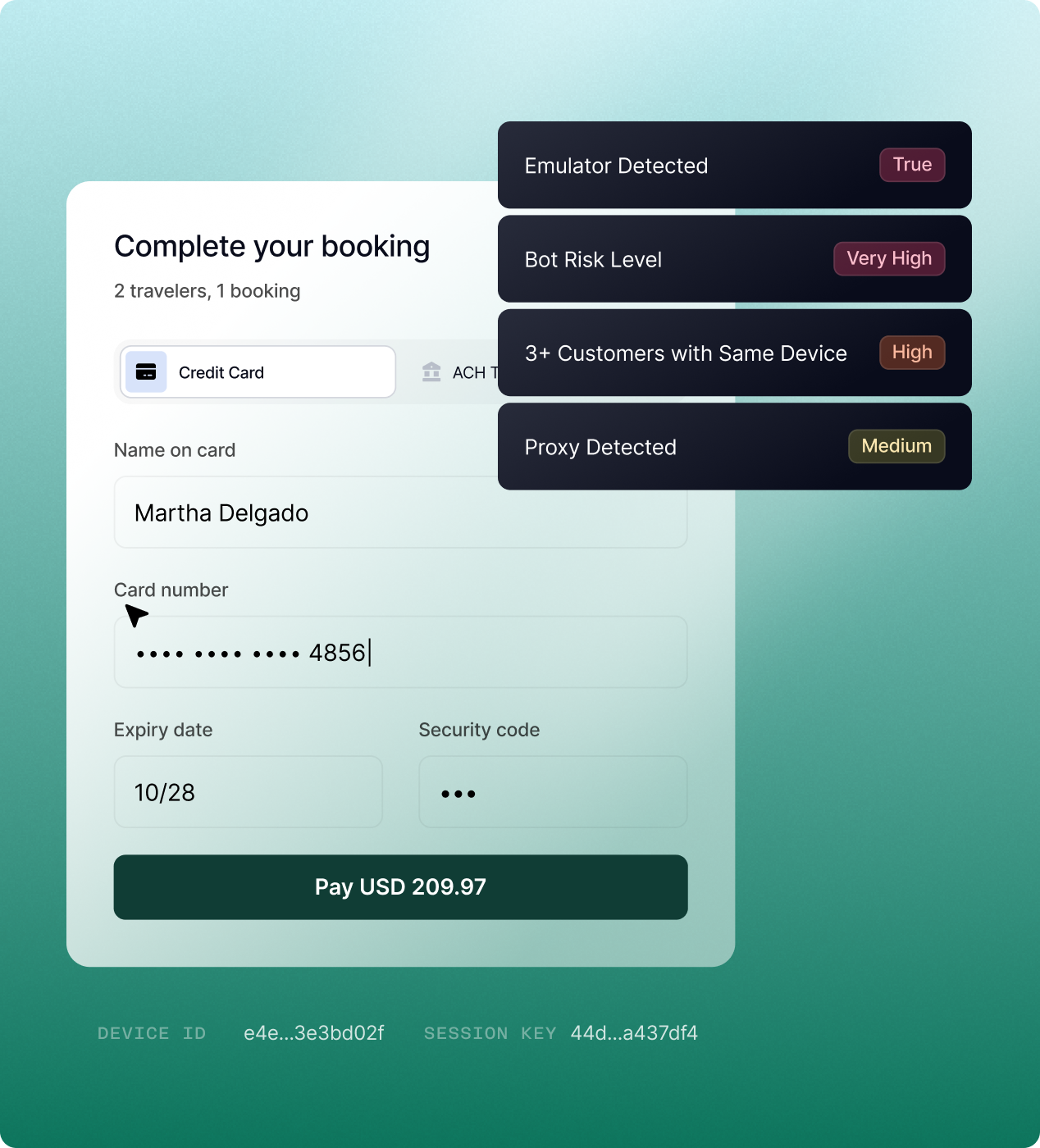
Keep scrapers out and approved agents in
Scrapers hit fares and enrollment, and AI agents are starting to book. Sardine identifies the automation first, then ties approved agents to the traveler behind the purchase.
Disputes
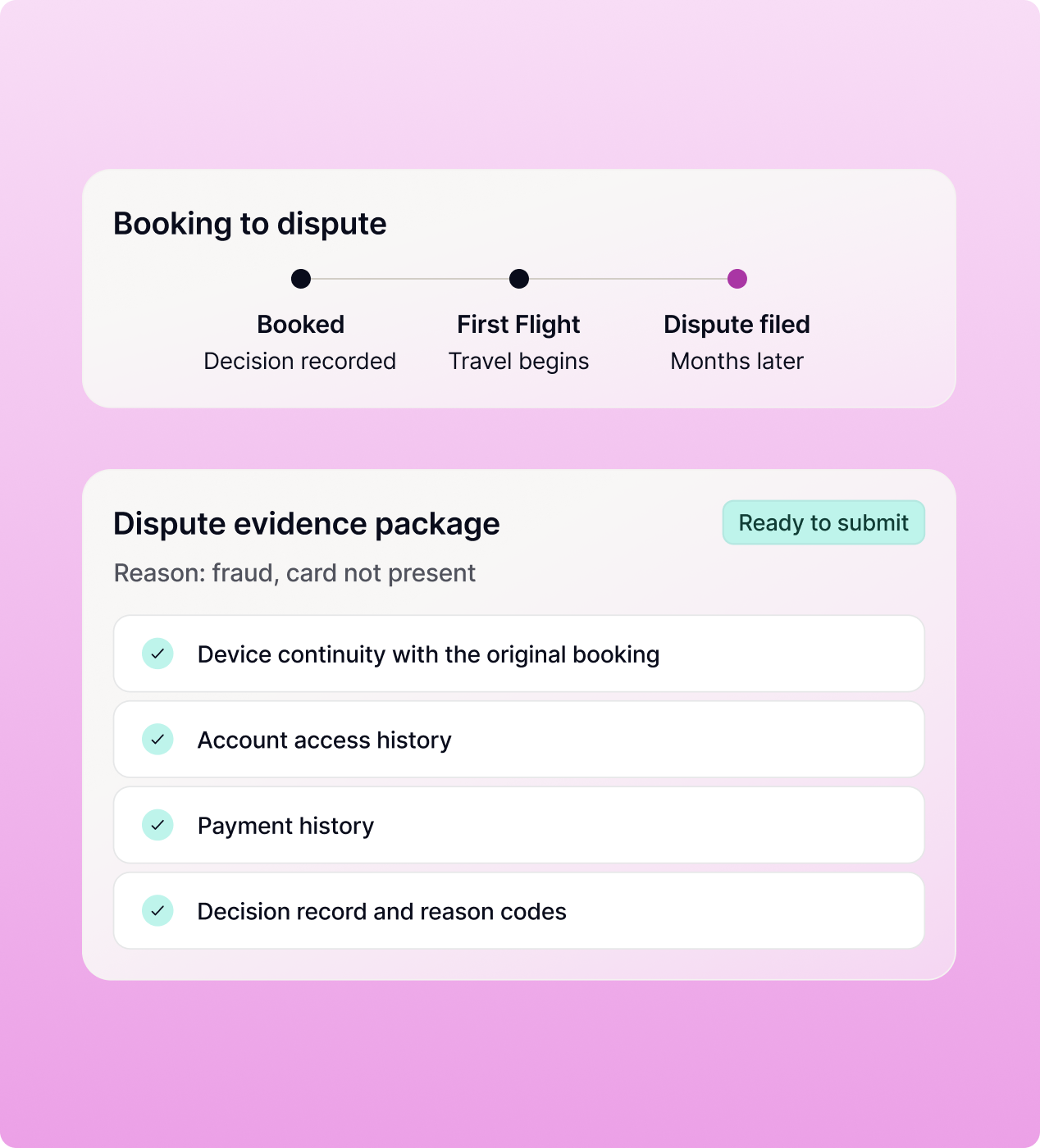
Build the evidence before the dispute arrives
Since a chargeback can arrive any time after the booking, and for months after the first flight, disputes land long after the decision. Sardine keeps the signals behind every decision, so evidence is ready when a dispute is filed.
Fraud Operations
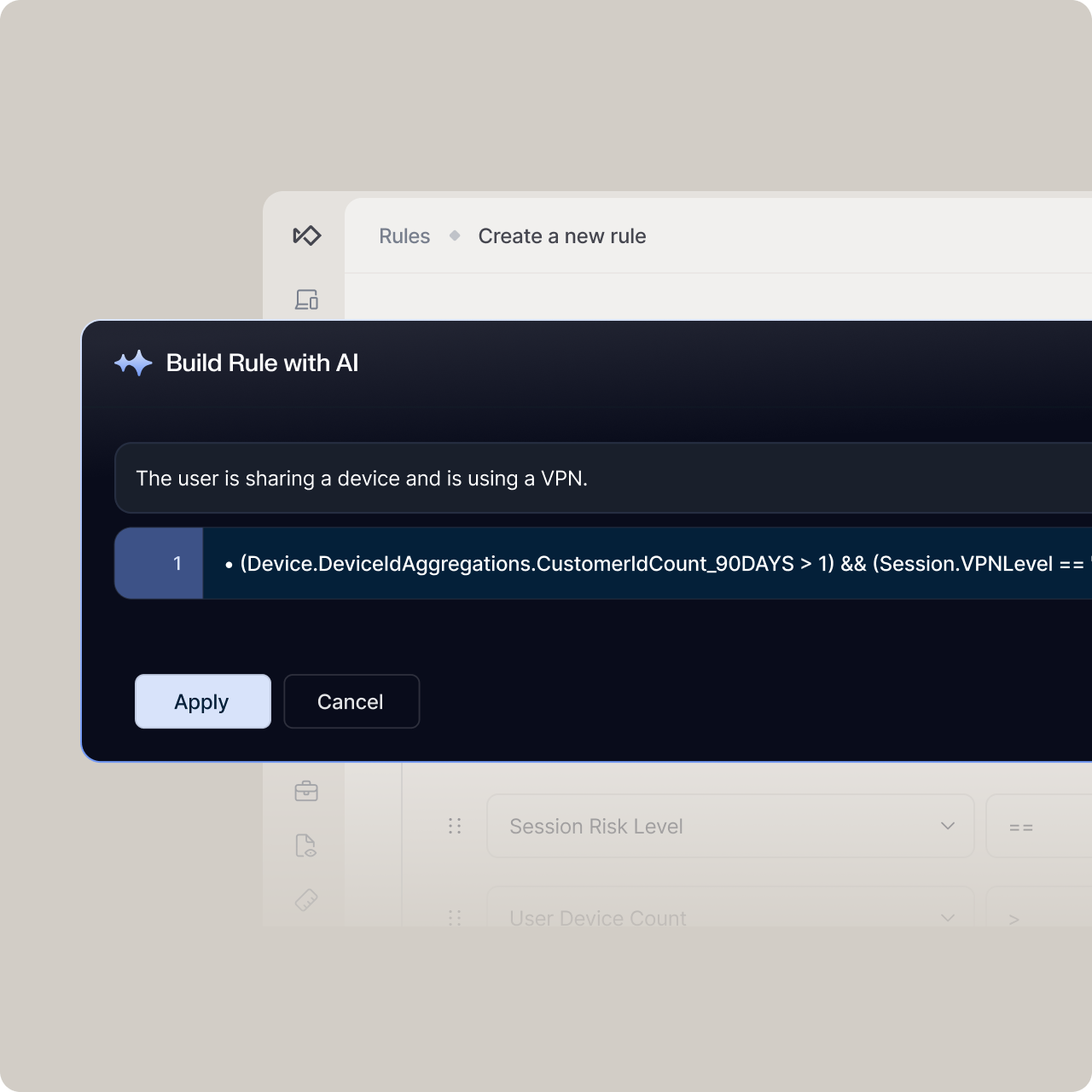
Give your fraud team one place to work
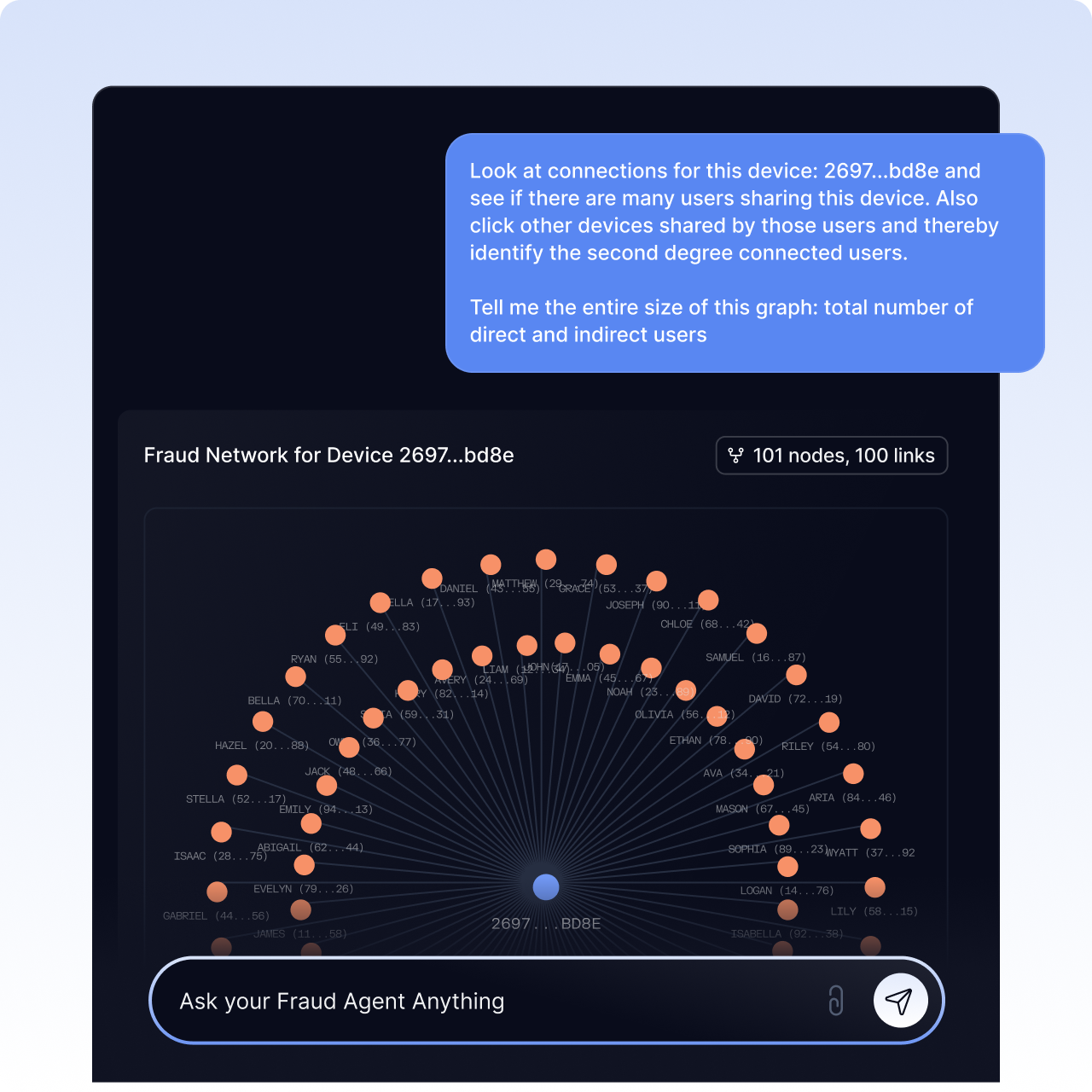
Teams moving fraud out of cyber or security operations need rules, cases, and investigation tools built for fraud. Sardine puts them in one platform, with agents that can handle the first pass.
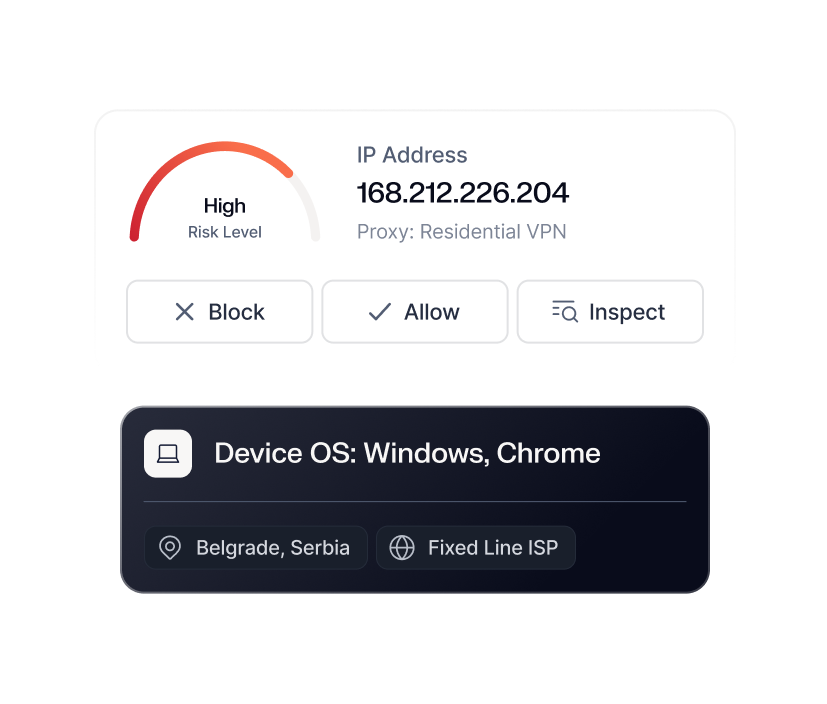
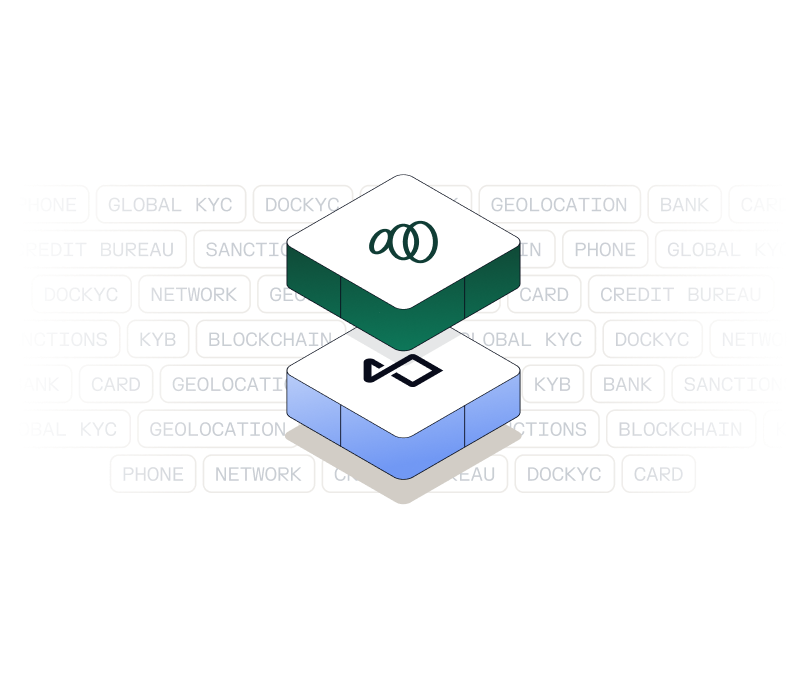
Check every traveler action against signals beyond your own data
Agentic AI
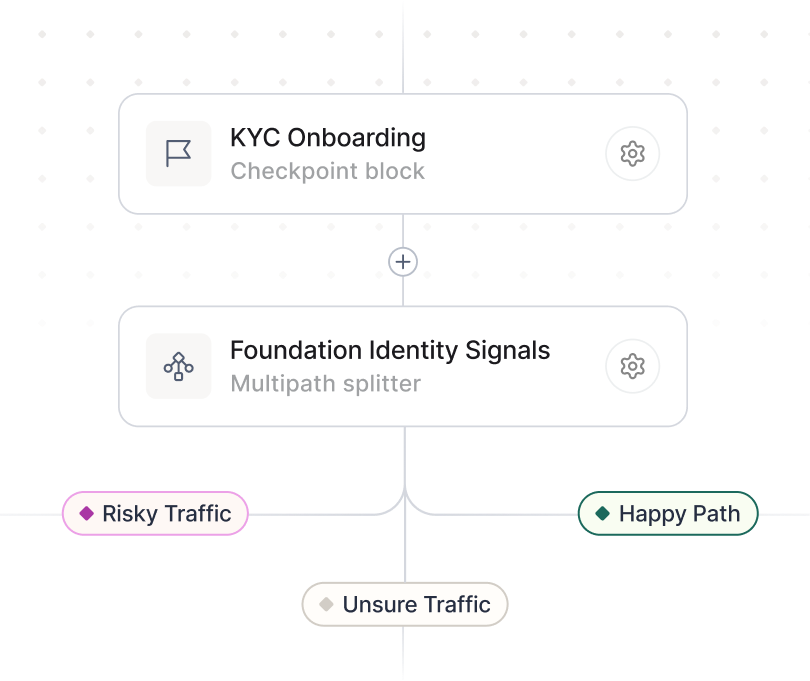
Move faster on every alert, with every step documented
Sardine's agents investigate fraud attacks, research entities, clear false positives, and document every decision so your analysts spend their time on the cases that matter.
Backed by the industry’s leading data platform
Device and behavior
Know the traveler behind every booking and login
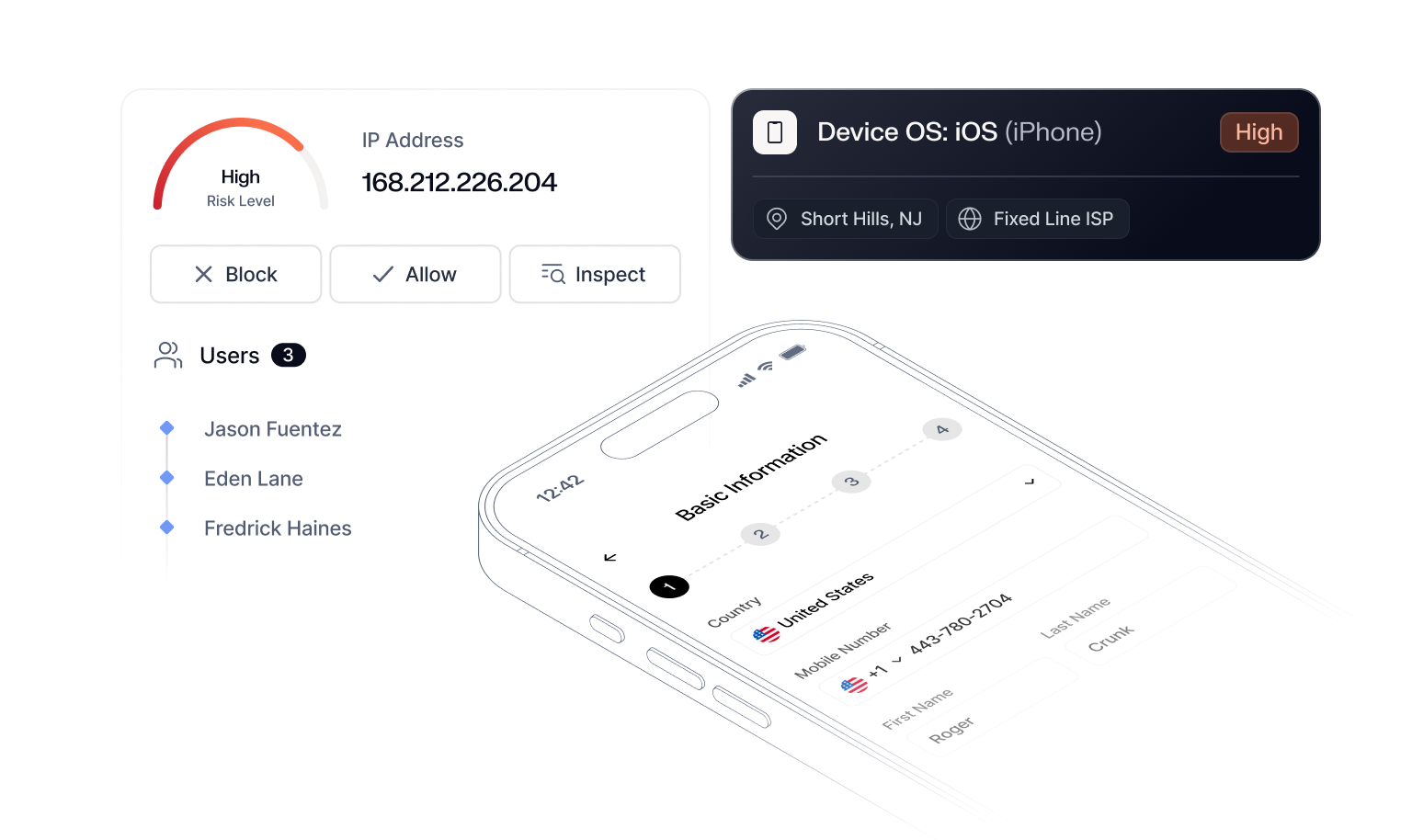
Device and behavioral signals show whether a real traveler is present, whether the device can be trusted, and whether it is the same person who booked or earned the miles.


Network intelligence
See fraud that hit other companies first
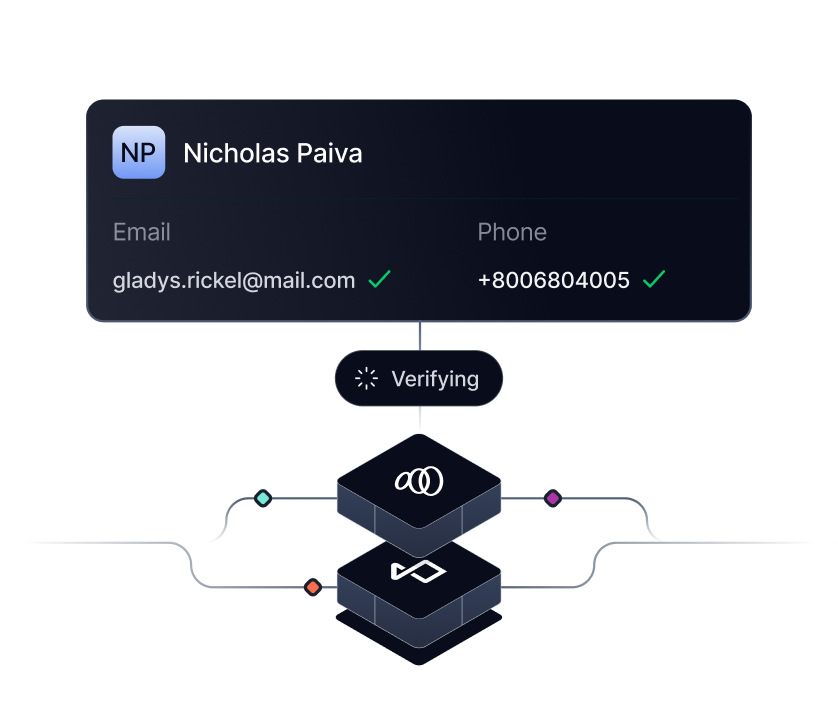
Signals from Sardine's customer base show devices, emails, and identities flagged elsewhere, before a booking is approved or an account is created.
Rules and workflows
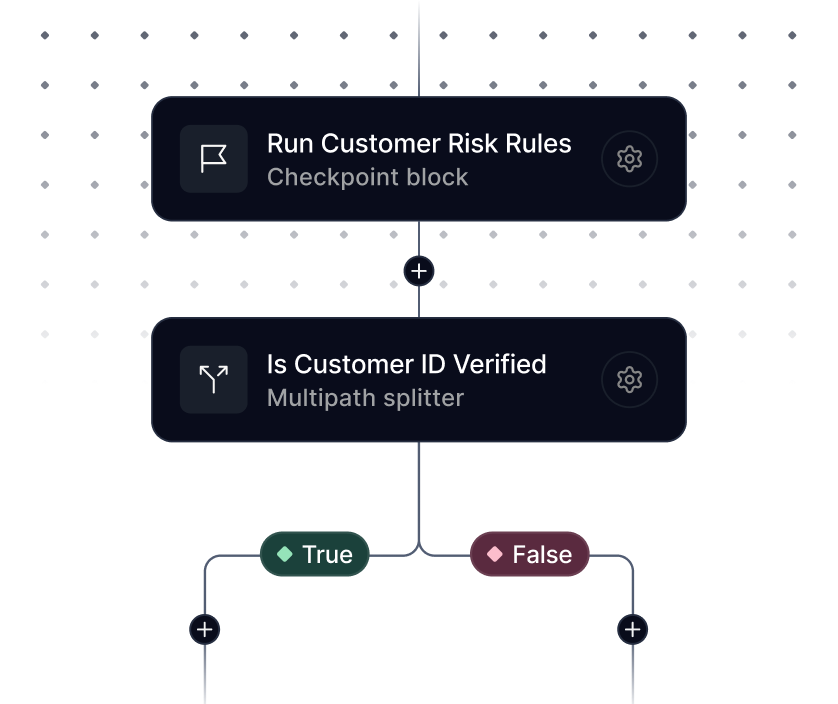
Set the rules your fraud team controls
Write and tune rules for bookings, logins, and redemptions without code, step up only when risk is high, and keep an audit trail of every decision.
Machine learning
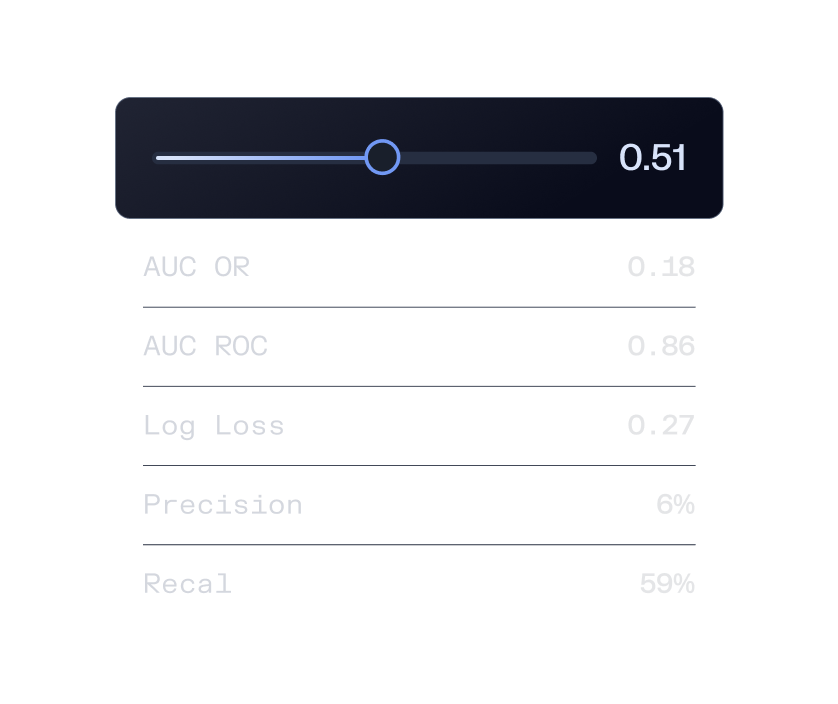
Score every booking and login, and see why
Sardine's models score each booking, login, and redemption in real-time and show the reasons, so analysts can trust the call and tune the rules.
Frequently
asked questions

How does Sardine recognize returning loyal customers and keep friction low?
Sardine recognizes returning members by the device they use and how they behave. A persistent device identifier carries across sessions, and behavioral biometrics confirm it is the same person. Members who book on a laptop and manage trips on a phone are linked through their account or booking record, so a known member passes without added steps and Sardine adds no visible challenge by default.
Enforcement is tiered, from silent rate limiting to step-up authentication only when risk materially increases.
How is Sardine different from the fraud tools airlines already use?
Airlines often run payment fraud, loyalty security, and authentication as separate tools that each see one slice of the traveler. Sardine connects device and behavioral signals, network intelligence from outside your airline, and machine learning in one platform, so every team works from the same signal.
Sardine's AI agents also handle the first pass of alert triage and evidence gathering, so analysts start each case with the work already done.
Can Sardine work alongside our existing payment and fraud systems?
Yes. Sardine works alongside the payment, identity, and case management systems you already run. Start with one decision point, such as loyalty enrollment or checkout, measure the lift against your current setup, and expand from there.
How does Sardine detect loyalty account takeover and fraudulent enrollment?
For takeover, Sardine combines device integrity signals with behavioral biometrics to flag the changes that give an attacker away, like a new device, a remote access tool, or an email change followed by a redemption. For enrollment abuse, Sardine links accounts, devices, and contact details to surface repeat sign-ups and scripted account creation before accounts open.
Can Sardine tell travelers from bots and AI agents?
Yes. Sardine does not rely on static bot signatures. It analyzes full-session telemetry, including device fingerprint integrity, timing, and behavioral signals, to distinguish tool-driven sessions from genuine human variability, even when credentials are valid. Know Your Human then ties an approved agent to the traveler behind the purchase.
How does Sardine reduce card testing and chargebacks?
Sardine stops card-testing bots at the payment page before authorization, scores each payment in real-time, and uses device continuity and payment history to confirm whether the cardholder was involved in the purchase. Automated evidence collection supports stronger representment.
How fast can we see results?
Start with a shadow-mode evaluation: run Sardine against live or historical traffic alongside your current tools, then compare detection and false-positive rates before committing to anything.
How does Sardine meet security and compliance requirements?
Sardine is SOC 2 Type II and ISO 27001 certified and GDPR compliant, with dedicated infrastructure or private cloud options and data encrypted at rest and in transit.