Sardine named a Leader in The Forrester Wave™: Financial Crime Management Solutions, Q3 2026

Learn More
The Saturday Fraud Strategist

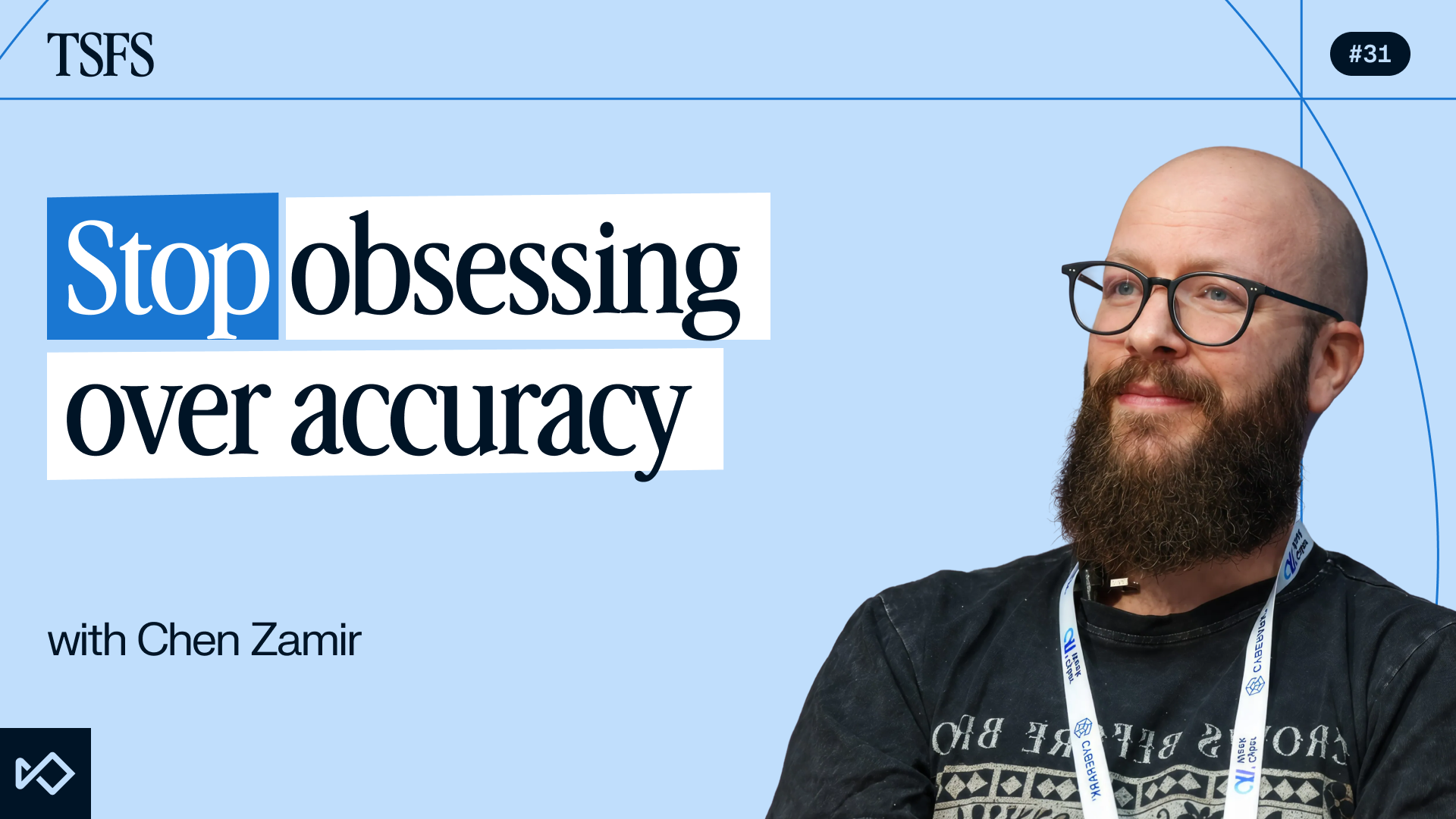
不正対策の責任者に「精度へのこだわりを捨てよう」と伝える理由:不正防止で本当に議論すべきこと

7 min

不正対策では、多くの課題を同時にうまくさばく必要があり、その中でも最も注目されるのが精度です。従来は、不正防止と顧客体験をどう両立させるかが課題とされてきました。しかし、この二つは表裏一体であり、本当のジレンマは別のところにあります。それは、精度とスケーラビリティの間にあるのです。精度ばかりに目を向ける経営陣と話すとき、私は議論をもっと有益な方向へと導くようにしています。それこそが、不正対策で議論すべきことなのです。

精度がスケーラビリティをもたらすのではなく、スケーラビリティこそが精度をもたらすと私が考える理由を解説します。また、規模を拡大する最善の方法は、人員を増やすことではなく、プロセスを高速化することだと説明します。そのうえで、対応サイクルを共通の枠組みにすることで、CEOと不正対策責任者が、新たなAIスコアの導入要請も含め、予算についてどのように話し合えるようになるかを示します。不正対策について経営陣に説明するのに苦労したことがある方は、ここから始めてみてください。

このエピソードでお届けする内容:

  • レビュー時間、ルールのカバー範囲、モデルの保守の根底にある真のジレンマが、不正検知の精度とスケーラビリティの両立である理由
  • 精度がスケーラビリティの副産物である理由と、精度の低さが、システムが処理に追いついていない兆候であることが多い理由
  • 人員を増やして規模を拡大するとコストが比例して増える理由と、レビュー時間の短縮がそのコスト構造をどう変えるか
  • 不正対策を戦術と戦略の両面から議論することが重要な理由と、ランナーとトレーナーから学べること
  • 反応サイクルが学習段階と行動段階にどのように分かれるのか、分析すべき6つのフェーズとともに解説
  • CEOがAIスコアに関する予算申請について、より的確な質問をする方法
  • 新しいAIスコアの構築にはルールの作成より時間がかかっても、システム全体を高速化できるのはなぜか
  • 戦略的な方向性を一致させることで、危機が起こる前に経営陣が不正に対する共通認識を持てるのはなぜか

このエピソードは、次のような方におすすめです:

  • 不正対策チームを率いており、検知精度や損失額、承認率についてたびたび説明を求められる方
  • 新しいツール、モデル、またはAIスコアの導入の妥当性を、CEOや財務責任者に説明する必要がある
  • レビュー担当者を増やすか、レビューを迅速化するかを検討しており、両者を比較する方法を求めている
  • 不正対策システムのボトルネックを見つけるためのシンプルな指針が欲しい
  • 経営陣には、直近の数値の落ち込みだけでなく、不正対策の戦略についても共通認識を持ってほしい
エピソードのまとめと重要なポイント

精度は規模がもたらす結果である

不正対策チームは、常にトレードオフについて議論しています。アナリストは確実性を高めるために審査に時間をかけるべきか、それともより多くの案件を処理するためにスピードを優先すべきか。ルールはより幅広い不正を検知すべきか、それとも誤検知を避けるために精度を重視すべきか。すべての顧客に単一のモデルを適用すべきか、それとも保守コストが増えてもセグメントごとに専用のモデルを用意すべきか。精度が向上すれば、不正による損失を減らしながら承認率も高められます。精度の向上がスケーラビリティにつながるという声をよく耳にしますが、ほとんどの場合、因果関係は逆だと私は考えています。精度の低さは、システムがうまく機能せず、事業の成長に対応できていない兆候であることが多いのです。1日に1件の申し込みを受け付けるカード発行会社を想像してみてください。CEOが申込者一人ひとりに電話し、15分ほど話してから承認することもできるでしょう。簡単で、コストも低く、不正が入り込む余地もほとんどありません。しかし、申し込みが200件になれば、このプロセスは立ち行かなくなり、不正が増加します。場当たり的なプロセスでも、小規模なうちは精度が高く見えることがあります。精度は、スケーラビリティの結果なのです。

人員増ではなく、スピードで規模を拡大する

規模の拡大に対応する一般的な方法は、人員を増やして並行して業務を進める「水平的な拡張」です。カードの例でいえば、聞き取りを行う担当者を10人雇うことになります。効果はありますが、これでは不正対策チームの拡充コストが事業の成長に比例して増えてしまい、戦略とはいえません。よりよい方法は、効率化です。15分の通話を3分の審査に置き換えられれば、10人必要だった業務を2人でこなせます。これが、手作業による不正審査の効率化を実践するということです。効率化による規模の拡大はコストを抑えられ、投資対効果も高まります。効率化は拡張性につながり、規模の拡大に対応できる仕組みは、結果として精度の向上ももたらします。不正審査にかかる時間の短縮は、経営陣が取り組める最も明確な改善策の一つです。

フォームを指導するコーチではなく、トレーナーの視点で考える

精度にこだわりすぎるリーダーに出会ったとき、私が最初にするのは、戦術的な思考から戦略的な思考へと切り替えられるよう支援することです。もちろん、戦術も重要です。不正が増えたり承認率が下がったりすれば、チームは対処しなければなりません。しかし、リーダーがそうした対応に関わるのは、例外的であるべきです。トレーナーに助言を求めるランナーを想像してみてください。トレーナーは腕の振り方や歩幅について指摘できます。しかし、それ以上に重要なのは、食事や睡眠、ウォーミングアップも含め、ランナーが持てる力をどう最大限に引き出すかです。戦略も同じで、可能性を最大限に引き出すことに焦点を当てます。それ以外はすべて、表面的な症状にとらわれているにすぎません。不正対策プログラムのROIについて議論するなら、直近の精度の数値ではなく、可能性とスピードを出発点にすべきです。

予算に関する話し合いには対応サイクルを活用する

スピードについて説明する最もわかりやすい方法は、以前のエピソードでも取り上げた「対応サイクル」を使うことです。これは、不正への対応にかかる時間を測るもので、2つの段階からなります。学習段階では、新たな脅威を検知し、その影響範囲を特定して分析します。実行段階では、対策を設計し、テストして導入します。ここで、不正対策の責任者が、新しいAIスコアの導入予算を求めているとしましょう。不正対策予算についてCEOが通常尋ねるのは、どれだけ損失を削減できるかということです。私なら、どのボトルネックを解消できるのかを尋ねます。攻撃の検知や影響範囲の特定、パターンの分析を迅速化できるのでしょうか。対策の設計やテストは容易になるのでしょうか。対策をより早く導入できるのでしょうか。これがボトルネック分析であり、不正対策チームのどこに本当のボトルネックがあるのかを明らかにします。また、新たな不正検知用AIスコアの導入を正当化し、ルールを追加するよりもAIスコアのほうが有効かどうかを見極める方法でもあります。

開発に時間をかけてもシステム全体の対応を速められる理由

効果は間接的に現れることもあります。AIスコアは、単一のルールに比べて、学習、テスト、導入にはるかに長い時間がかかるかもしれません。しかし、稼働し始めればルールへの依存が減り、システム全体としては対応が速くなる可能性があります。その効果を試す前に測定するのは簡単ではありません。大切なのは、その可能性について長期的かつ戦略的な対話を重ねることです。それこそが、戦略の方向性をそろえるということです。不正が深刻な問題になったときには、経営陣全体がすでに共通の認識を持っている状態にしておくのです。不正対策の議論が精度を中心に進んでいるなら、それは戦術の話です。確かな戦略を持つチームは、新しい技術を片っ端から追いかけたりしません。基本に立ち返り、効率を改善します。

最後に押さえておきたいポイント

効率性がスケーラビリティを生み、スケーラビリティが精度を高めます。次にCEOから、あるプロジェクトで損失をどれだけ削減できるかと聞かれたら、別の問いを投げかけてみてください。そのプロジェクトは対応サイクルのどの段階を速め、規模拡大のコストにどう影響するのか、と。不正対策業務のスピードをめぐるこうした議論は、経営陣が投資先について合意する助けになります。不正対策で話し合うべきなのは、まさにこの点です。また、不正対策責任者にとっても、AIスコアや審査プロセスの改善、新しいルールがなぜ重要なのかを、明確に説明できるようになります。精度の重要性がなくなるわけではありません。ただ、それだけが議論の中心ではなくなるのです。

参考資料とリンク

私の大好きなテーマ、そしてきっと皆さんも関心をお持ちのテーマについて、もっと語り合いたいと思いませんか?ニュースレター「サタデー・フロード・ストラテジスト」にぜひご登録ください。

こちらからつながりましょう:Chen Zamir | LinkedIn
The Saturday Fraud Strategistの主宰者
フィンテック企業による、よりスマートな不正対策の構築を支援
『不正対策担当者のためのAI実践ガイド』共著者

Episode transcript
Chen Zamir
Chen Zamir
00:06
Fraud management is a discipline that requires us
Chen Zamir
Chen Zamir
00:09
to spin many plates in the air simultaneously.
Chen Zamir
Chen Zamir
00:12
And one of the most talked about balancing acts is between
Chen Zamir
Chen Zamir
00:15
catching fraud and not impacting user experience.
Chen Zamir
Chen Zamir
00:19
I myself have talked about it numerous times in the past.
Chen Zamir
Chen Zamir
00:22
But the fact is that this separation is a bit artificial.
Chen Zamir
Chen Zamir
00:26
After all, these are two sides of the same
Chen Zamir
Chen Zamir
00:29
coin, and the coin's name accuracy.
Chen Zamir
Chen Zamir
00:31
Meaning if you improve your accuracy, you'll improve
Chen Zamir
Chen Zamir
00:34
both your losses and the approval rates.
Chen Zamir
Chen Zamir
00:37
But the note that is really hard to untangle, that is
Chen Zamir
Chen Zamir
00:40
the one between accuracy itself and scalability. Think about it.
Chen Zamir
Chen Zamir
00:44
What real dilemmas do we usually face?
Chen Zamir
Chen Zamir
00:47
Should I take time with my review to be sure in my decision
Chen Zamir
Chen Zamir
00:51
or should I hurry up to review more cases?
Chen Zamir
Chen Zamir
00:53
Should I optimize my rules coverage to catch more fraud or should
Chen Zamir
Chen Zamir
00:58
I optimize it for accuracy to avoid false positives?
Chen Zamir
Chen Zamir
01:01
Should I train a single AI model to streamline how
Chen Zamir
Chen Zamir
01:04
much resources it drains from me to maintain it?
Chen Zamir
Chen Zamir
01:07
Or should I opt for training dozens of dedicated
Chen Zamir
Chen Zamir
01:10
models for each segment for better performance?
Chen Zamir
Chen Zamir
01:13
Having to choose between accuracy and scalability is the real
Chen Zamir
Chen Zamir
01:17
question we find ourselves asking more often than not. Or is it?
Chen Zamir
Chen Zamir
01:22
Here's the misconception I'd like to break.
Chen Zamir
Chen Zamir
01:24
I often hear teams claim that system accuracy
Chen Zamir
Chen Zamir
01:27
leads to system scalability.
Chen Zamir
Chen Zamir
01:29
Meaning, if I'd like my system to scale,
Chen Zamir
Chen Zamir
01:31
I need to work on high accuracy first.
Chen Zamir
Chen Zamir
01:34
But I believe that in most cases, the opposite is true.
Chen Zamir
Chen Zamir
01:37
I believe that in most cases, low accuracy is the result
Chen Zamir
Chen Zamir
01:41
of a broken system that is having difficulty scaling
Chen Zamir
Chen Zamir
01:44
and keeping up with the business needs. Let me give you an example.
Chen Zamir
Chen Zamir
01:48
Say I issue credit cards.
Chen Zamir
Chen Zamir
01:50
If I only receive one application per day, I can probably create
Chen Zamir
Chen Zamir
01:54
a very robust fraud prevention system for very cheap.
Chen Zamir
Chen Zamir
01:58
Heck, as the CEO, I can call the customer, have a 15-minute
Chen Zamir
Chen Zamir
02:01
chat, and approve the application myself. Easy, cheap, and bulletproof.
Chen Zamir
Chen Zamir
02:06
But if tomorrow I get 200 applications, then my
Chen Zamir
Chen Zamir
02:09
process will fail and fraud will explode.
Chen Zamir
Chen Zamir
02:12
This is obviously an extreme theoretical
Chen Zamir
Chen Zamir
02:14
example, but you get the point.
Chen Zamir
Chen Zamir
02:16
The accuracy of a rushed halfbaked process
Chen Zamir
Chen Zamir
02:19
can still be high if the scale is small.
Chen Zamir
Chen Zamir
02:22
And so the way I see it, accuracy is the result
Chen Zamir
Chen Zamir
02:25
of scalability and not the other way around.
Chen Zamir
Chen Zamir
02:27
Now, here's another misconception I'd like to address.
Chen Zamir
Chen Zamir
02:31
To improve scalability, we need to expand horizontally
Chen Zamir
Chen Zamir
02:34
by distributing work between parallel workers.
Chen Zamir
Chen Zamir
02:38
In the example I just gave, it would mean hiring 10 employees
Chen Zamir
Chen Zamir
02:41
to conduct the applicant interviews instead of the CEO.
Chen Zamir
Chen Zamir
02:45
And yeah, I know it's a funny example. Bear with me here.
Chen Zamir
Chen Zamir
02:49
But clearly, hiring more people would not be a viable strategy as
Chen Zamir
Chen Zamir
02:53
I'll need to linearly increase my cost as the business grows.
Chen Zamir
Chen Zamir
02:57
But what if I could reduce the processing time?
Chen Zamir
Chen Zamir
03:00
What if instead of a 15-minute call,
Chen Zamir
Chen Zamir
03:02
I can have a 3 minute fraud review?
Chen Zamir
Chen Zamir
03:05
Now I only need two employees to manage the same task.
Chen Zamir
Chen Zamir
03:08
And what does that tell us?
Chen Zamir
Chen Zamir
03:10
Scaling can come from horizontal expansion, but
Chen Zamir
Chen Zamir
03:13
it's much better if it's driven by efficiency.
Chen Zamir
Chen Zamir
03:16
And by better, I mean cheaper and with a higher ROI.
Chen Zamir
Chen Zamir
03:20
As fraud strategists, we need to focus on
Chen Zamir
Chen Zamir
03:22
building efficiently scalable systems.
Chen Zamir
Chen Zamir
03:25
And if we play it right, accuracy would be a byproduct of such systems.
Chen Zamir
Chen Zamir
03:29
In fact, when I encounter leadership teams that obsess about accuracy
Chen Zamir
Chen Zamir
03:34
or how it can be improved, my first task is to help them stop
Chen Zamir
Chen Zamir
03:38
thinking tactically and start thinking strategically.
Chen Zamir
Chen Zamir
03:42
Now, don't get me wrong, accuracy and tactics do matter.
Chen Zamir
Chen Zamir
03:45
When fraud is on the rise or when we experience a deep
Chen Zamir
Chen Zamir
03:49
in approval rates, it's imperative to deal with that.
Chen Zamir
Chen Zamir
03:52
But this is the exception to the rule, at least
Chen Zamir
Chen Zamir
03:55
when it comes to the leadership level. Think about it this way.
Chen Zamir
Chen Zamir
04:00
Let's say you're a runner training for a competition
Chen Zamir
Chen Zamir
04:03
and you're worried about your results.
Chen Zamir
Chen Zamir
04:06
What sort of advice would you seek from your trainer?
Chen Zamir
Chen Zamir
04:09
Sure, you can probably comment on how you utilize your energy,
Chen Zamir
Chen Zamir
04:13
how you swing your arms, how wide your steps are, etc.
Chen Zamir
Chen Zamir
04:17
But what would have a bigger effect is what they'll have
Chen Zamir
Chen Zamir
04:20
to say about how you maximize your energy, what you eat,
Chen Zamir
Chen Zamir
04:24
how much you sleep, how you warm up, and so on.
Chen Zamir
Chen Zamir
04:27
With fraud, as with sports, when discussing strategy,
Chen Zamir
Chen Zamir
04:31
we want to focus on maximizing our potential.
Chen Zamir
Chen Zamir
04:34
Everything else is obsessing over symptoms.
Chen Zamir
Chen Zamir
04:37
How do we make sure we're speaking about the right stuff? Simple.
Chen Zamir
Chen Zamir
04:41
We speak about how fast our processes run.
Chen Zamir
Chen Zamir
04:43
I've already discussed in depth the concept of the reaction cycle, but
Chen Zamir
Chen Zamir
04:48
to briefly reiterate, to become faster at dealing with fraud, we
Chen Zamir
Chen Zamir
04:52
need to measure and manage the time it takes us to react to it.
Chen Zamir
Chen Zamir
04:56
Our reaction cycle is comprised of two main
Chen Zamir
Chen Zamir
04:58
stages, each made of three phases.
Chen Zamir
Chen Zamir
05:00
The learning stage where we go through detecting,
Chen Zamir
Chen Zamir
05:04
scoping and analyzing emerging threats.
Chen Zamir
Chen Zamir
05:06
And the acting stage where we go through designing, testing,
Chen Zamir
Chen Zamir
05:10
and deploying solutions to meet those threats.
Chen Zamir
Chen Zamir
05:13
Now, let's imagine a scenario where a head of fraud
Chen Zamir
Chen Zamir
05:16
request a budget for implementing a new AI score.
Chen Zamir
Chen Zamir
05:19
The CEO's role or whoever owns the budget, isn't
Chen Zamir
Chen Zamir
05:22
to ask how much loss would it save us.
Chen Zamir
Chen Zamir
05:24
Instead, they should work together to understand how would the new
Chen Zamir
Chen Zamir
05:28
AI score solve a bottleneck in one of the above six stages.
Chen Zamir
Chen Zamir
05:32
Would it help us detect fraud attacks much faster than today?
Chen Zamir
Chen Zamir
05:36
Would it help us assess their scope faster?
Chen Zamir
Chen Zamir
05:39
Would it save us time in analyzing the patterns we're seeing?
Chen Zamir
Chen Zamir
05:42
Is it easier for us to design a fix with an AI score?
Chen Zamir
Chen Zamir
05:46
Will it be easier to test?
Chen Zamir
Chen Zamir
05:47
And will we be able to deploy fixes much faster?
Chen Zamir
Chen Zamir
05:50
The point is not only to better understand the levers
Chen Zamir
Chen Zamir
05:54
we want to pull, but also to validate it's the most
Chen Zamir
Chen Zamir
05:57
cost effective option we have at our disposal.
Chen Zamir
Chen Zamir
06:00
Another thing to consider is that the
Chen Zamir
Chen Zamir
06:02
effect might be indirect in nature.
Chen Zamir
Chen Zamir
06:04
For example, it might be that training, testing, and deploying an AI
Chen Zamir
Chen Zamir
06:09
score will take us much more time than doing the same with a single rule.
Chen Zamir
Chen Zamir
06:13
But having an AI score would reduce our
Chen Zamir
Chen Zamir
06:16
dependency on rules once it's live.
Chen Zamir
Chen Zamir
06:18
In that case, even if it seems slower in comparison, relying on
Chen Zamir
Chen Zamir
06:22
an AI score might still make our system faster as a whole.
Chen Zamir
Chen Zamir
06:26
Now, I know this all might seem complex, especially
Chen Zamir
Chen Zamir
06:29
measuring how much faster processes would be before
Chen Zamir
Chen Zamir
06:32
we actually get a chance to try it out. But look at it like this.
Chen Zamir
Chen Zamir
06:37
The point is to have a strategic long-term
Chen Zamir
Chen Zamir
06:39
discussion on how we increase potential.
Chen Zamir
Chen Zamir
06:42
Strategic alignment is all about matching vision.
Chen Zamir
Chen Zamir
06:45
So when fraud hits the fan, the entire leadership
Chen Zamir
Chen Zamir
06:49
team has the same view on things.
Chen Zamir
Chen Zamir
06:51
And if your conversation about fraud focuses on
Chen Zamir
Chen Zamir
06:54
accuracy, you're not speaking about strategy.
Chen Zamir
Chen Zamir
06:57
You're stumbling over tactics.
Chen Zamir
Chen Zamir
06:59
Teams that focus on long-term strategy don't
Chen Zamir
Chen Zamir
07:02
fiddle with technology or innovation.
Chen Zamir
Chen Zamir
07:04
They go back to basics and fix their efficiency.
Chen Zamir
Chen Zamir
07:08
Because efficiency leads to scalability
Chen Zamir
Chen Zamir
07:10
and scalability leads to accuracy.
Chen Zamir
Chen Zamir
07:12
All right, that's all for today and I'll see you next Saturday.