Bank Account Owner Validation
Bank Account Owner Validation
Validate bank account ownership with the industry’s broadest coverage
Confirm account status, ownership, and ACH readiness in real-time before funds move.















Accelerate growth and reduce risk
Bank verification is the first line of defense before funds move.
Account Ownership
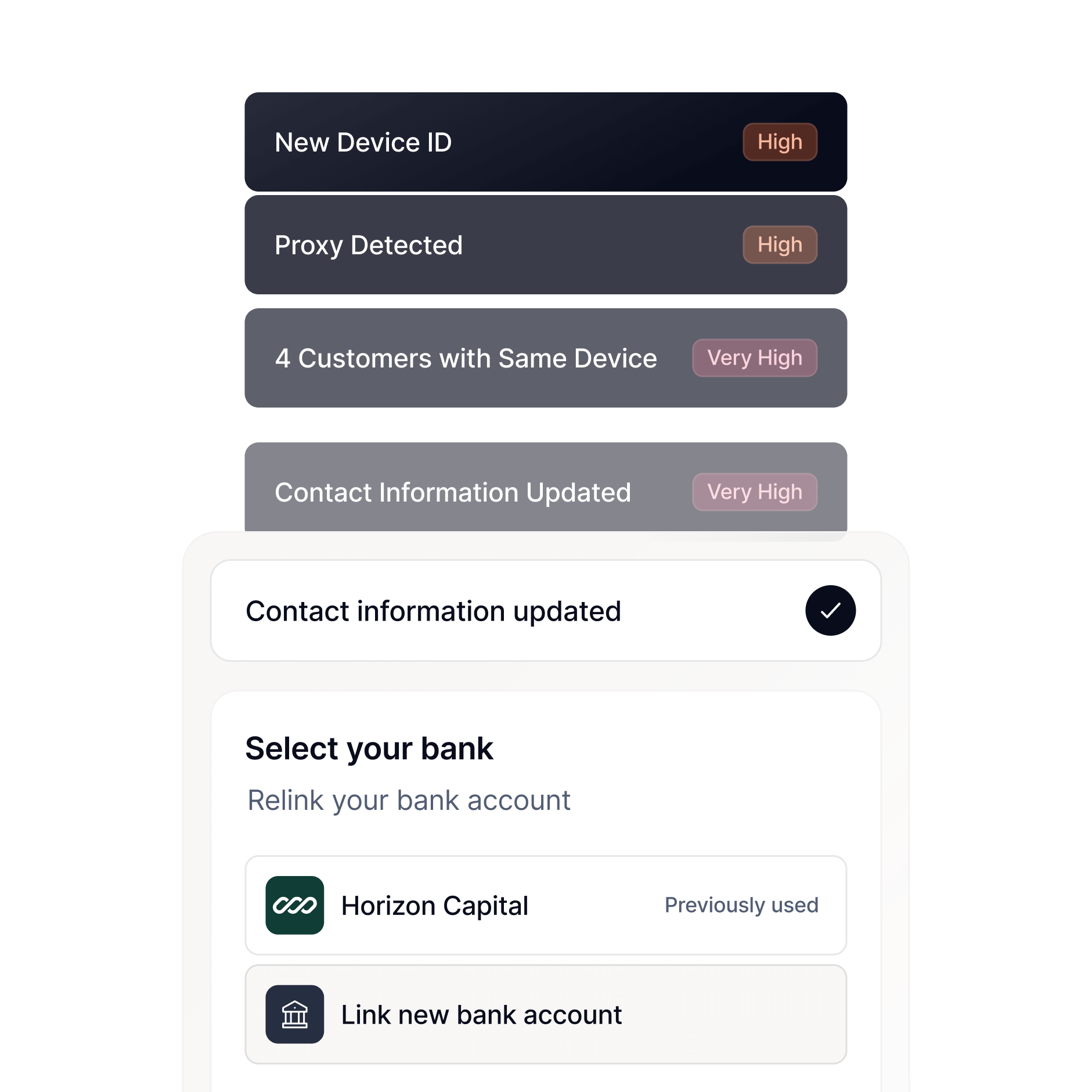
Verify ownership during account linking and funding
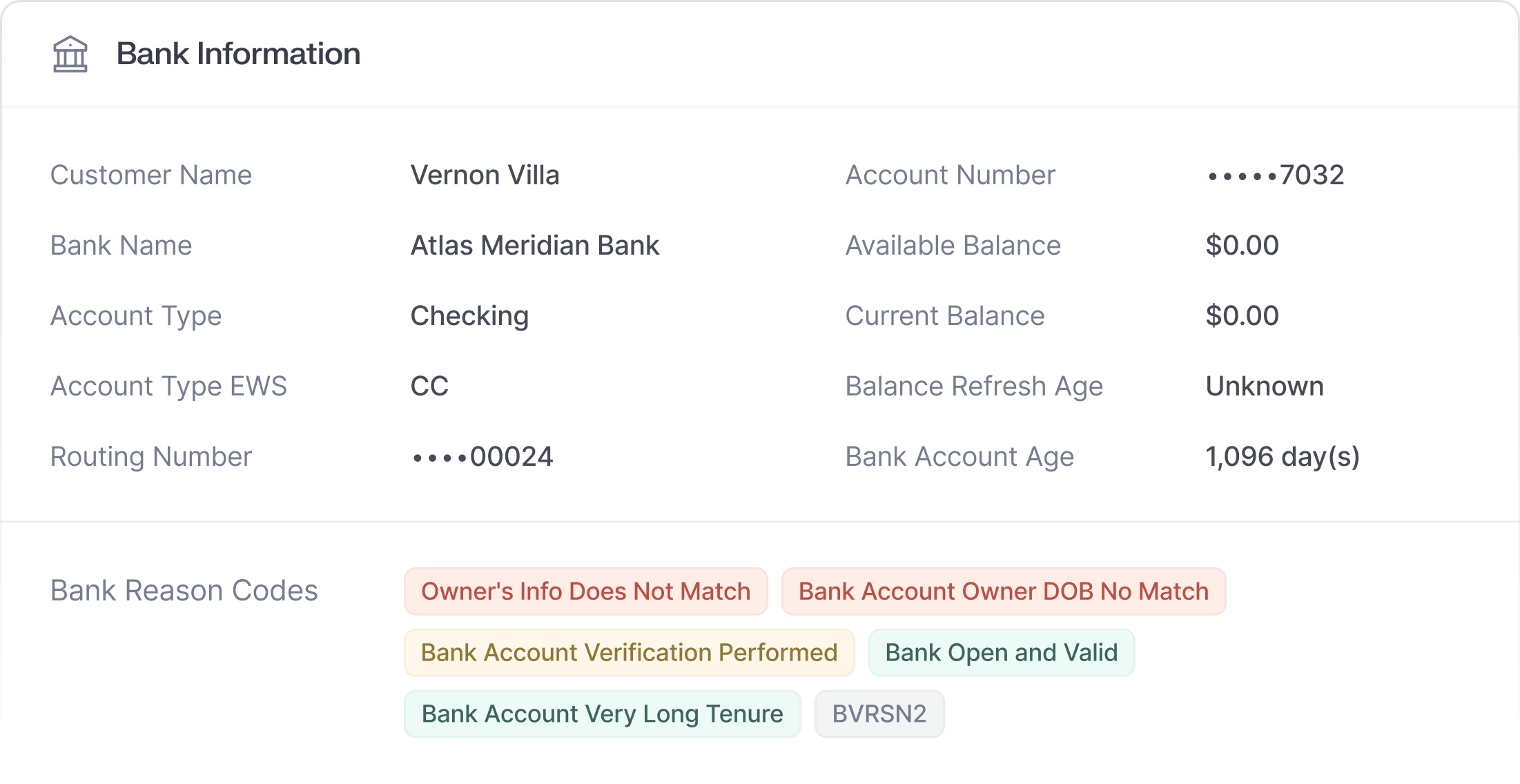

Verify that an account is open and valid before linking or funding.

Confirm the account belongs to the right user and is eligible for ACH.

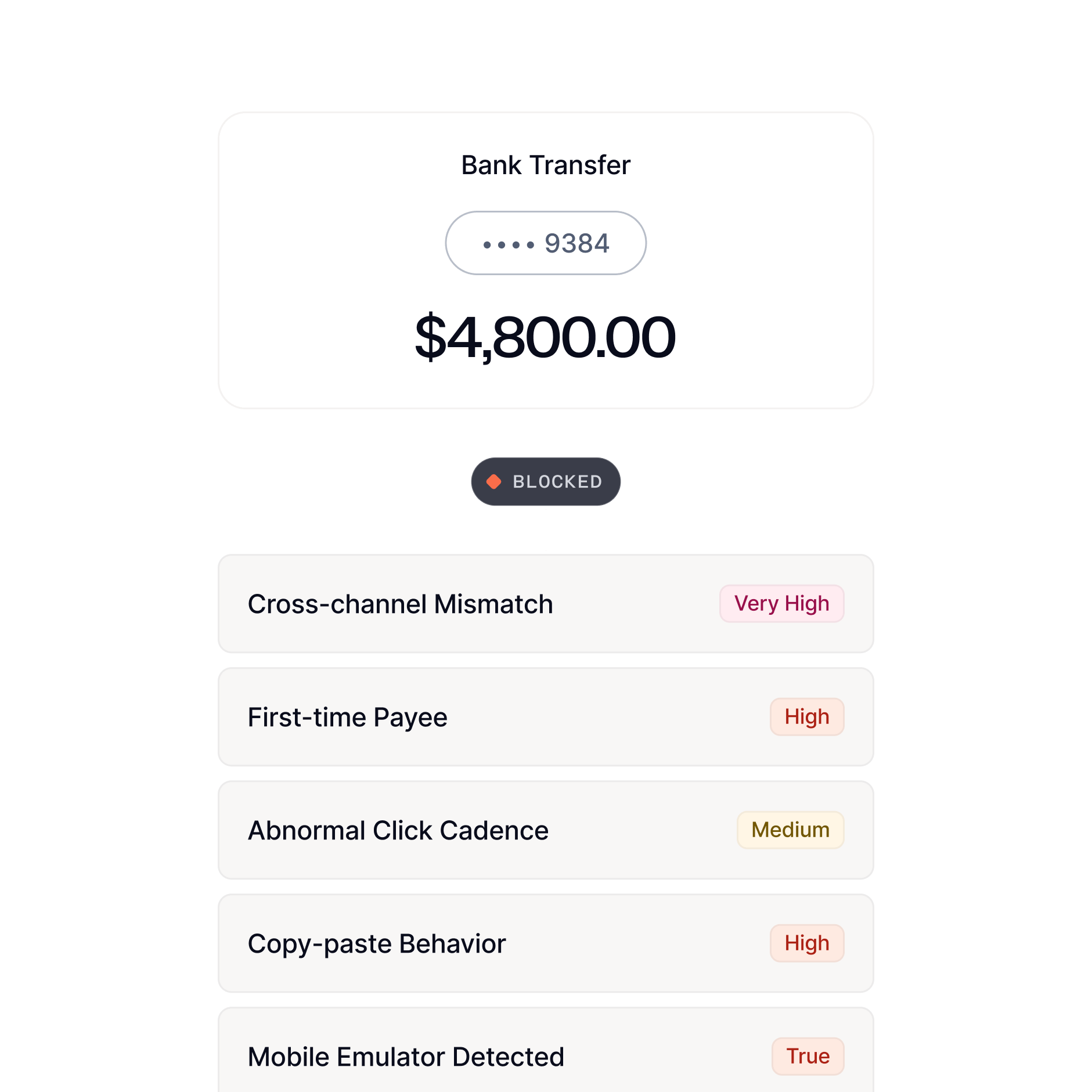
Tie bank data to identity, device, and behavioral context to flag anomalies.
Counterparty Risk
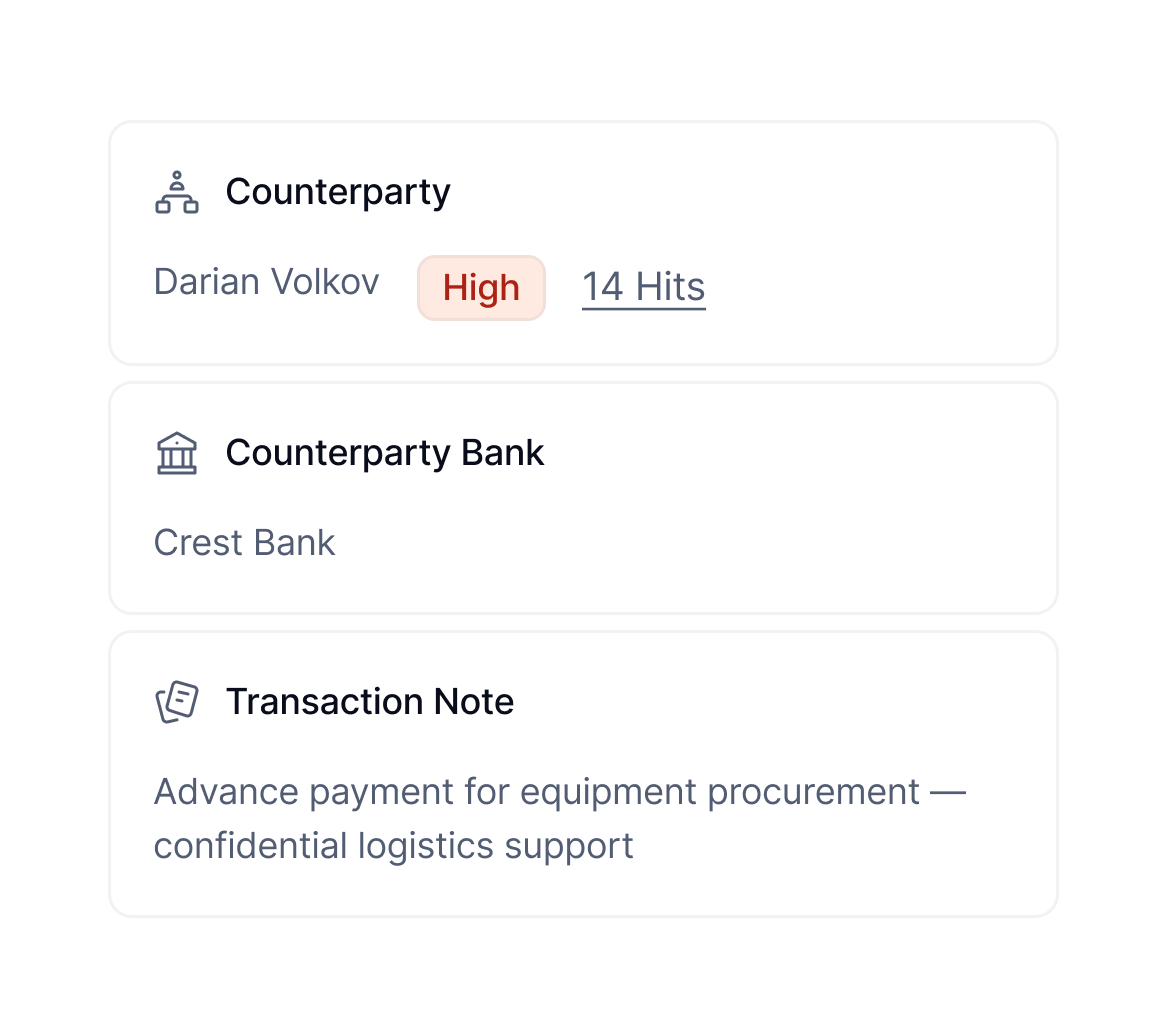
Screen counterparties during transactions
Real-time Payments
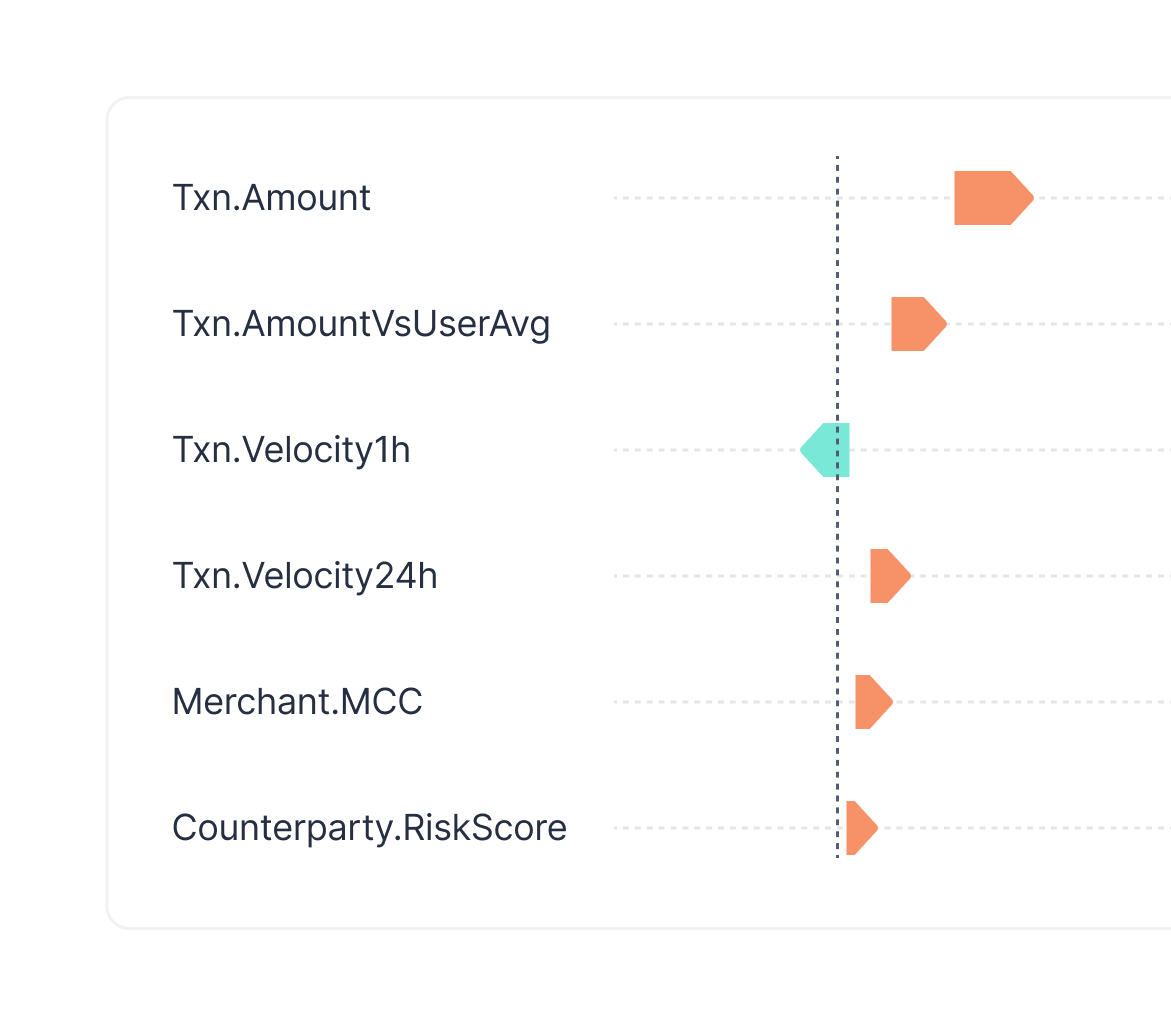
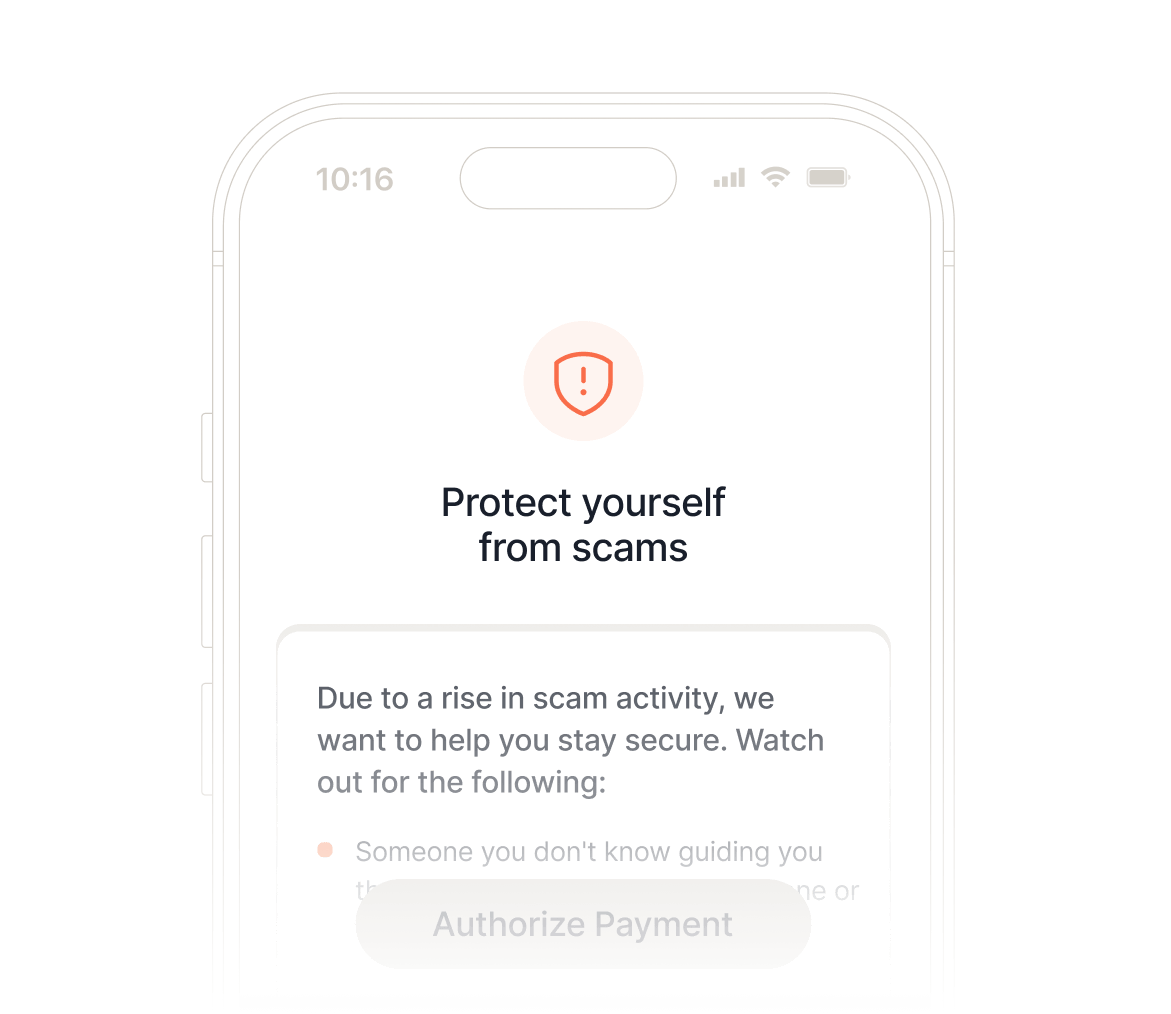
Monitor risk during real-time payments
Protect instant rails without slowing them down.
Payment Diversion
Prevent payment and payroll diversion scams
Detect suspicious changes to vendor, payroll, or invoice bank details.
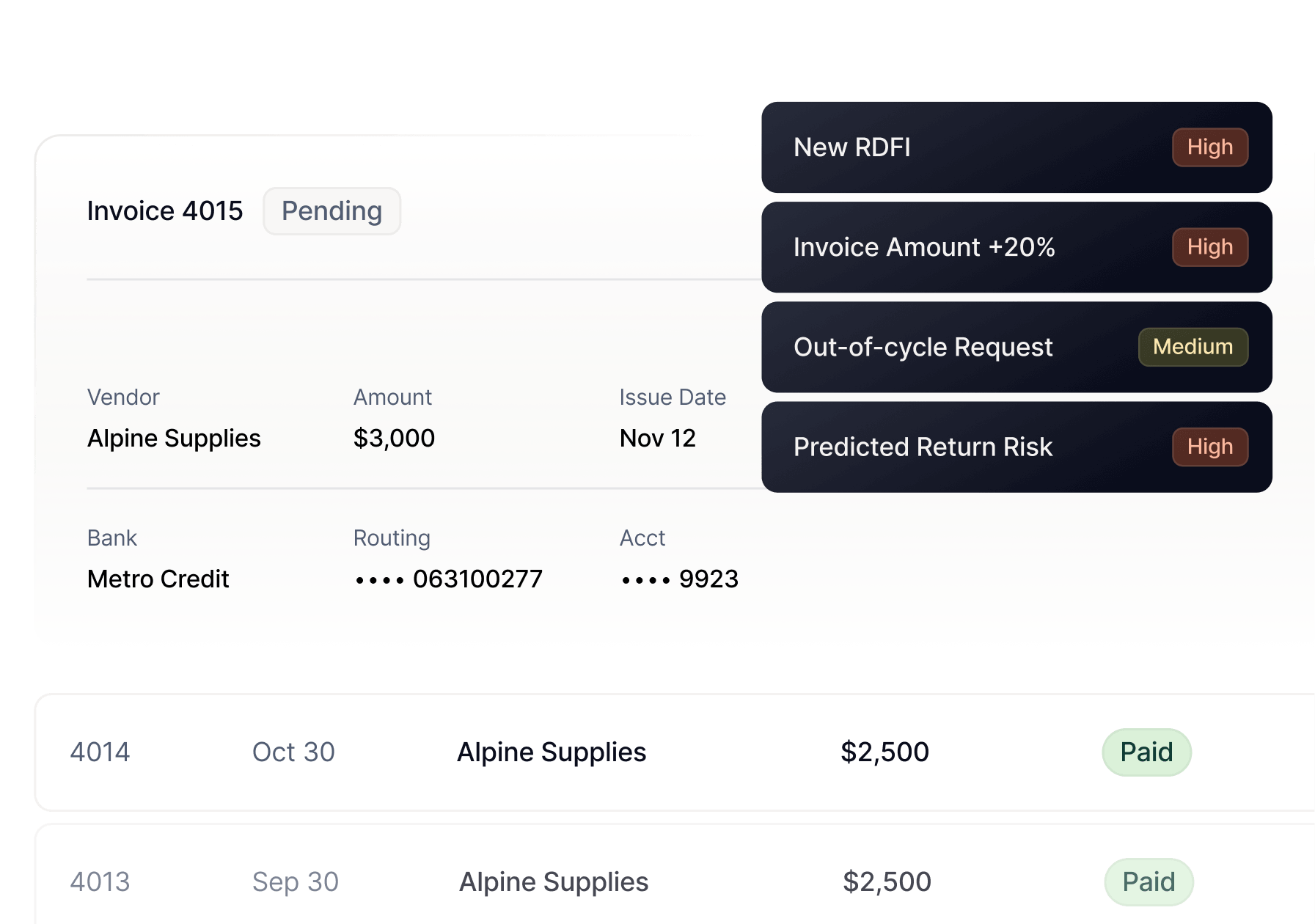
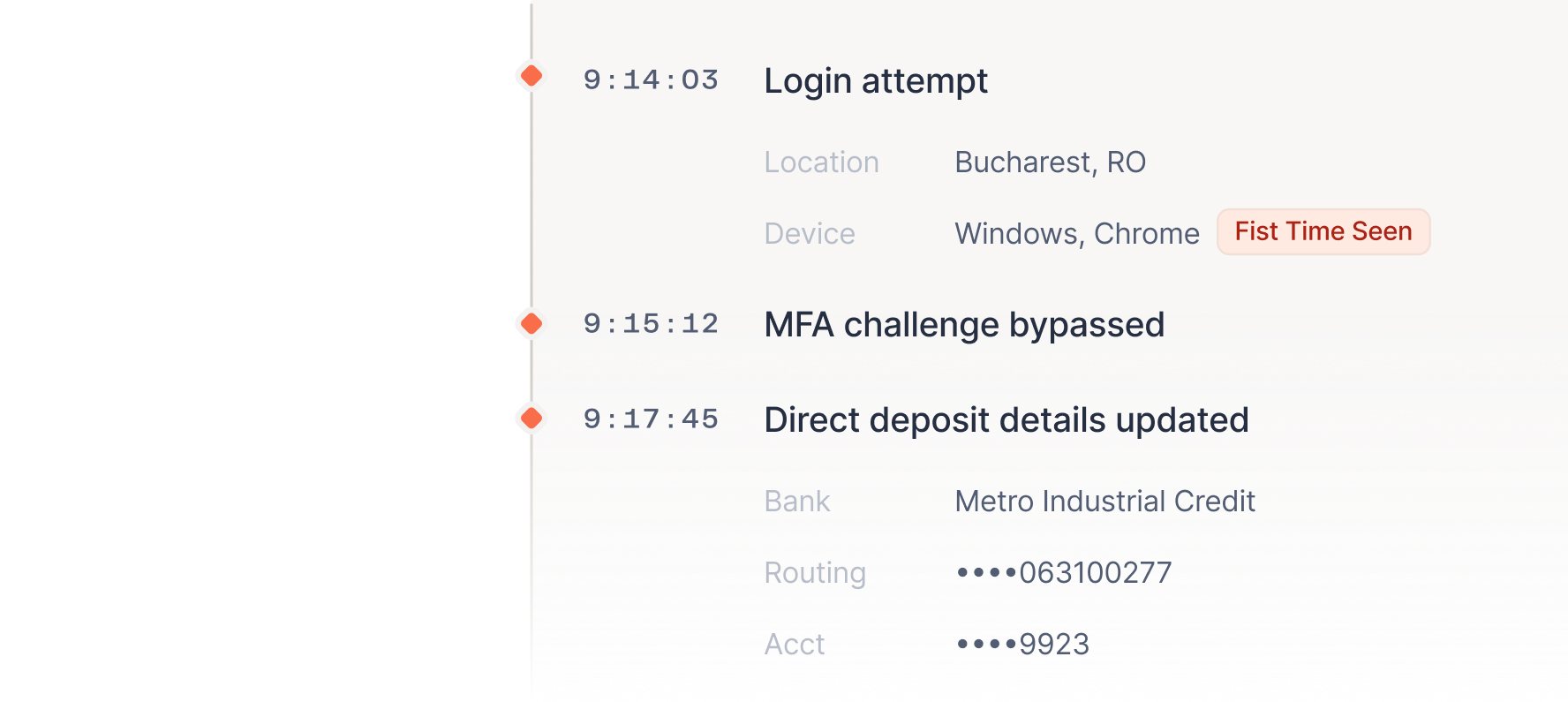
Surface ownership changes or reuse patterns that signal impersonation or takeover.
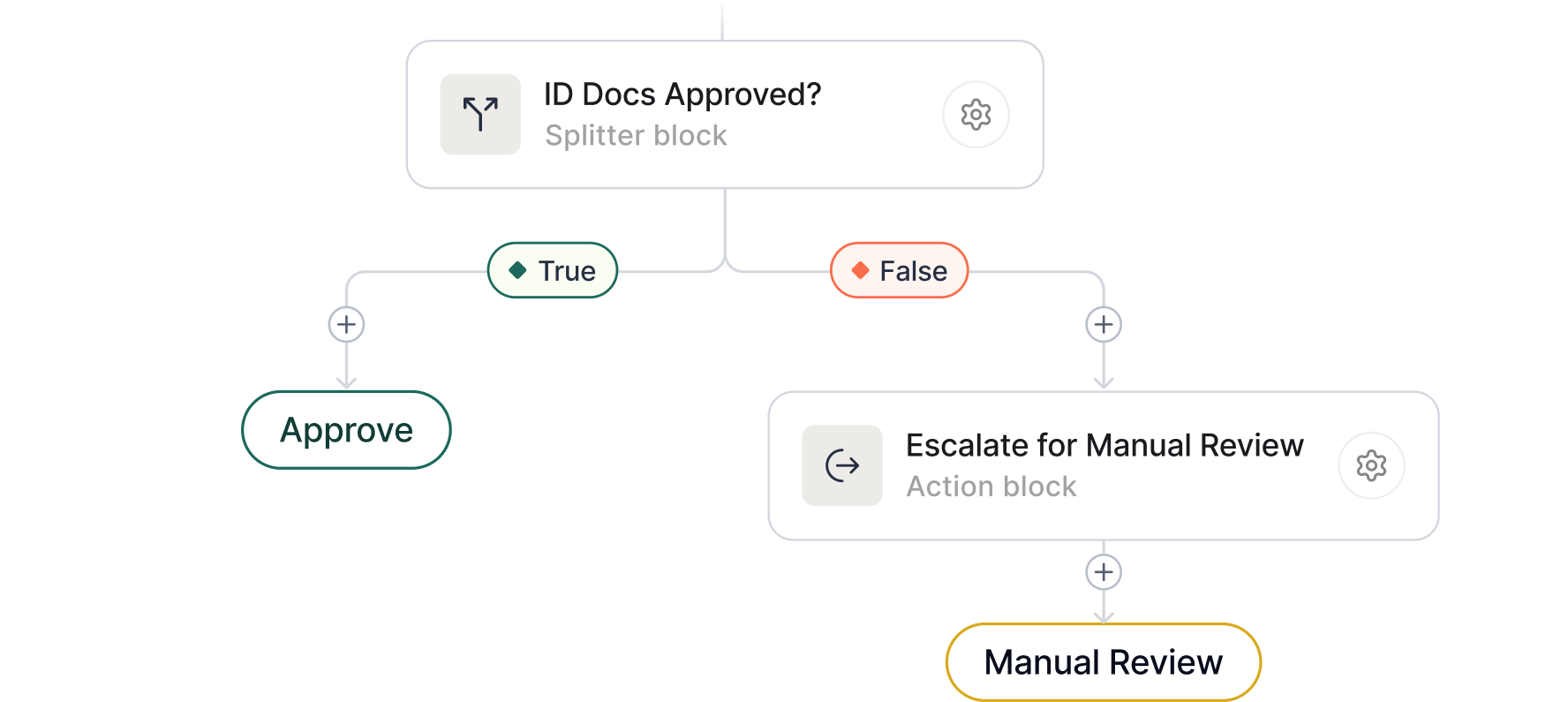
Feed alerts directly into workflows and case management with full context attached.
AI-powered screening and transaction monitoring
AI agents correlate bank account data with identity and behavioral signals to flag high-risk accounts.
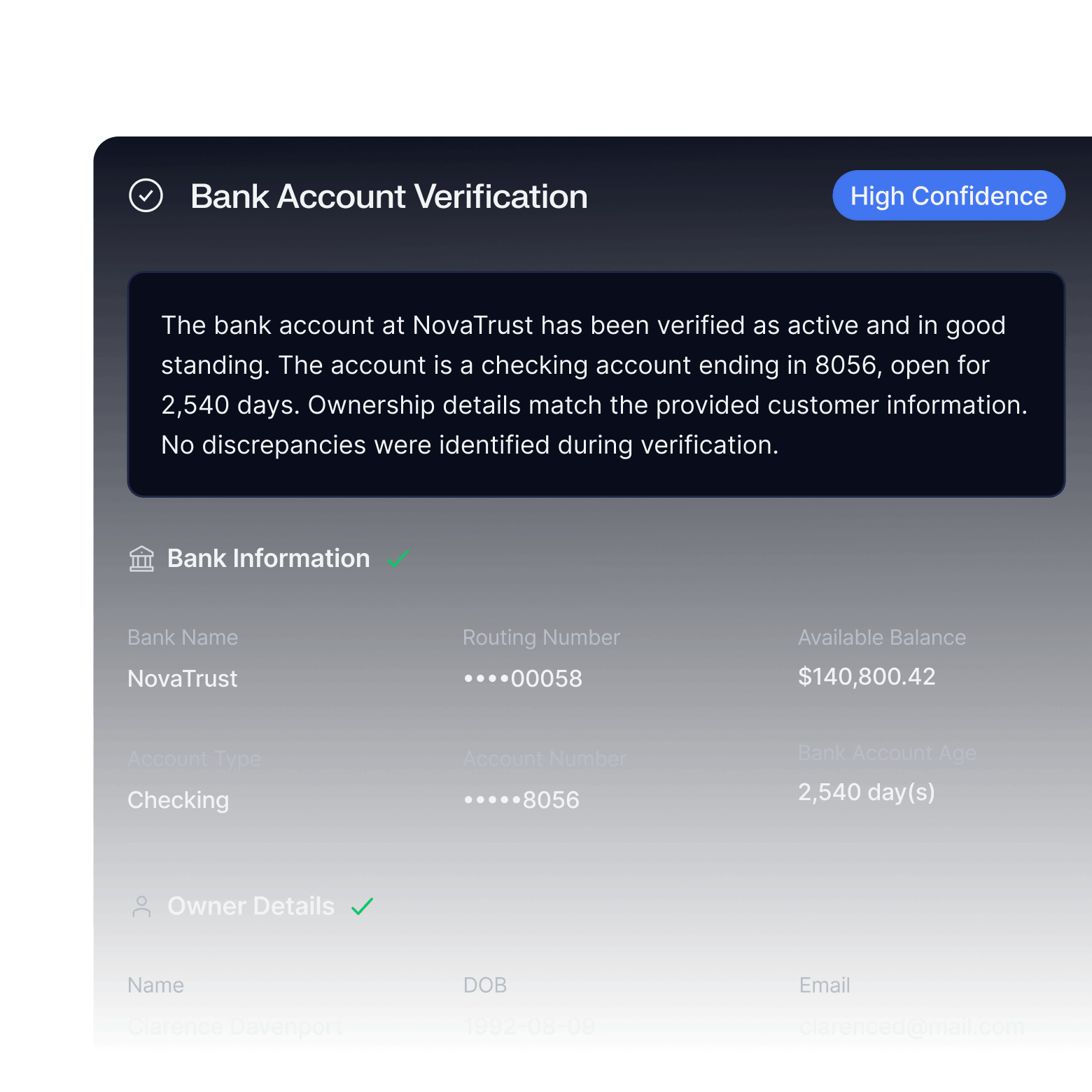
Validate account ownership
Correlate account data with identity and behavioral signals.
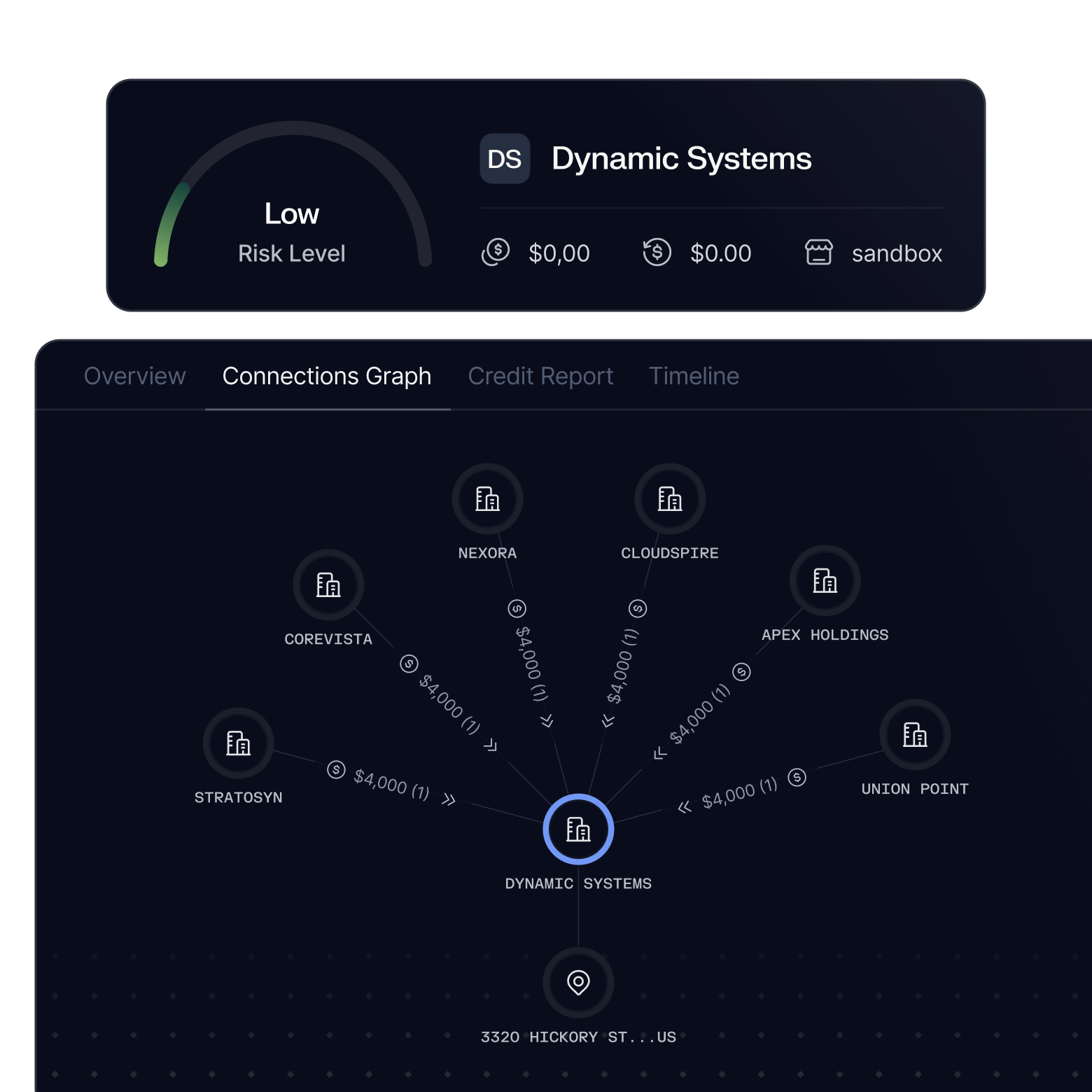
Detect mule accounts
Flag mule accounts, shared bank details, and high-risk relationships.
Clear low-risk matches
Filter out obvious false positives to reduce unnecessary reviews.
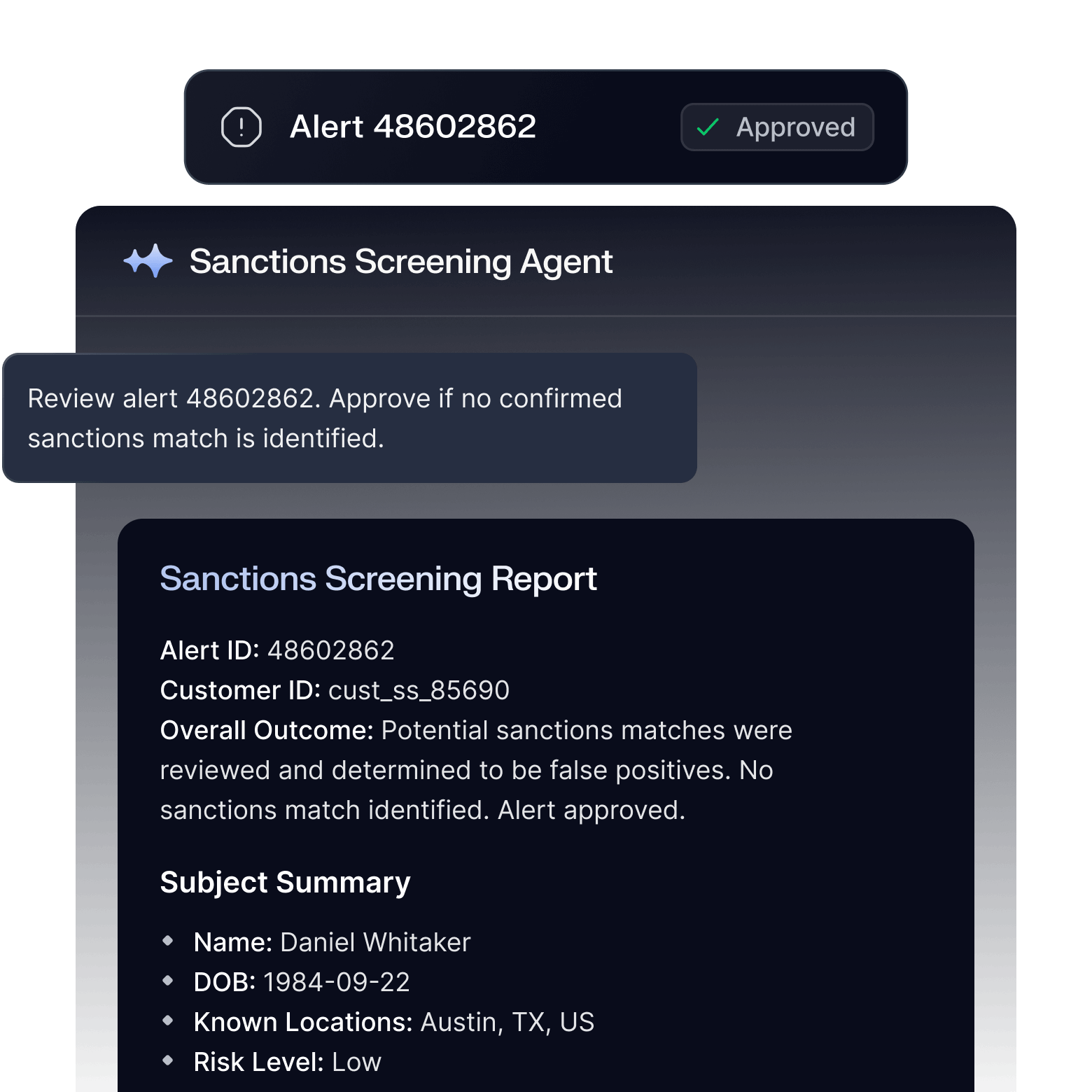
Clear, defensible decisions
AI keeps a detailed audit log for regulators and internal teams.
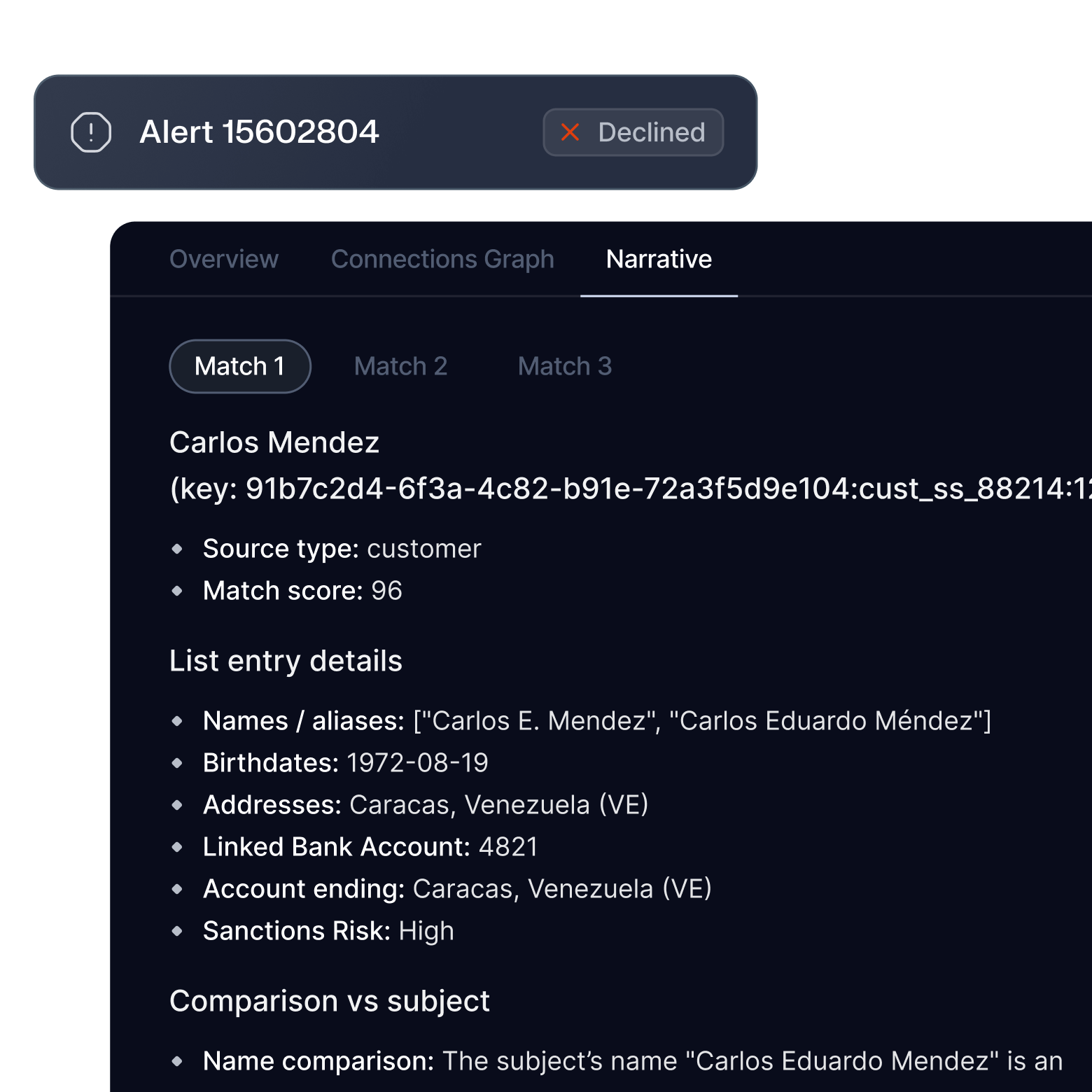
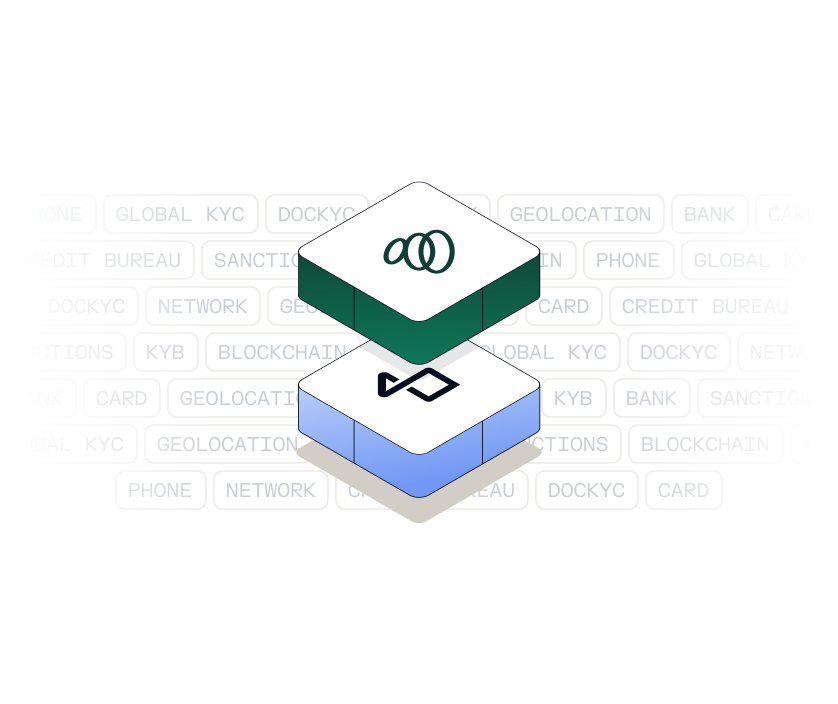
Backed by the industry’s leading data platform
Rules & Workflows
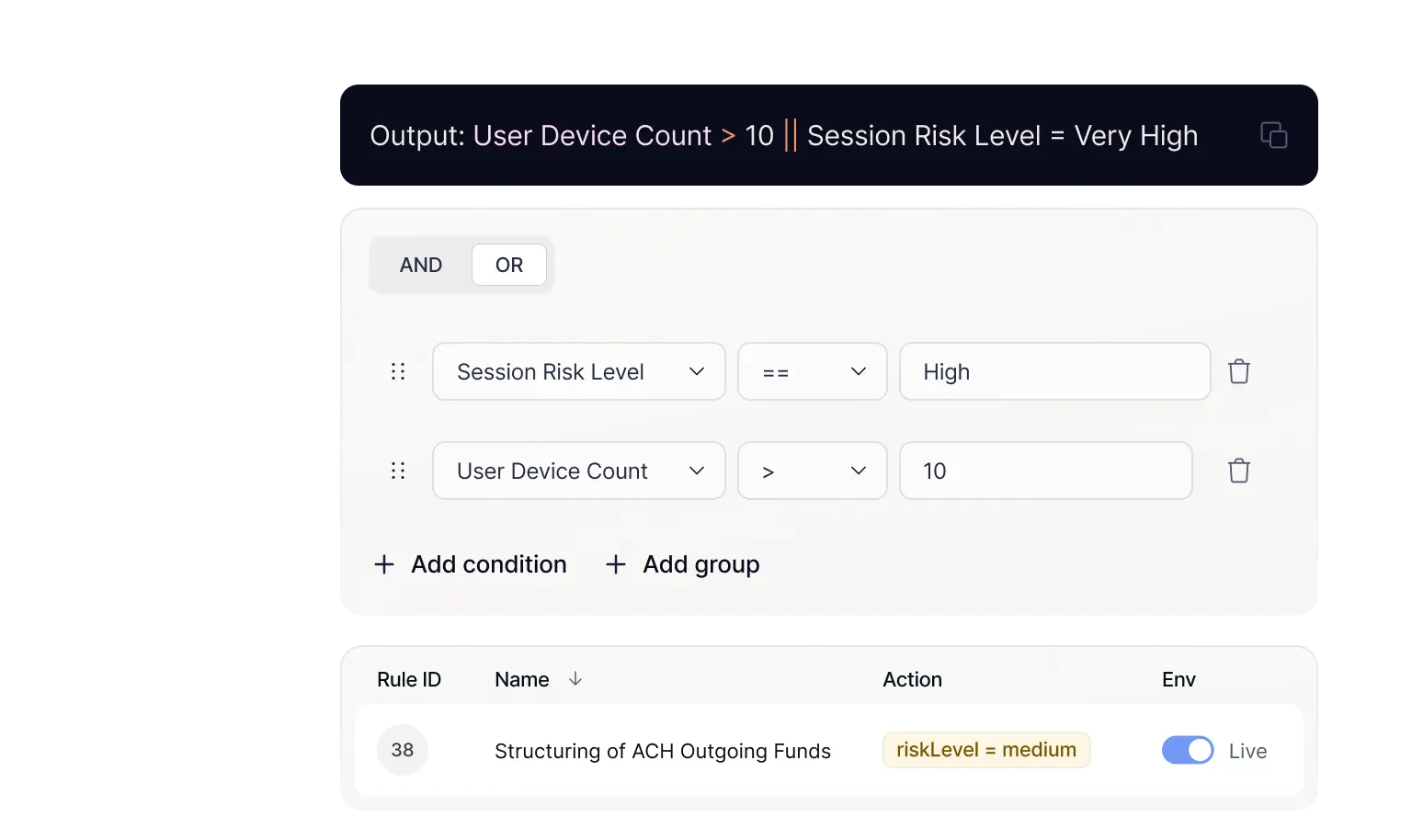
Control how bank accounts move money
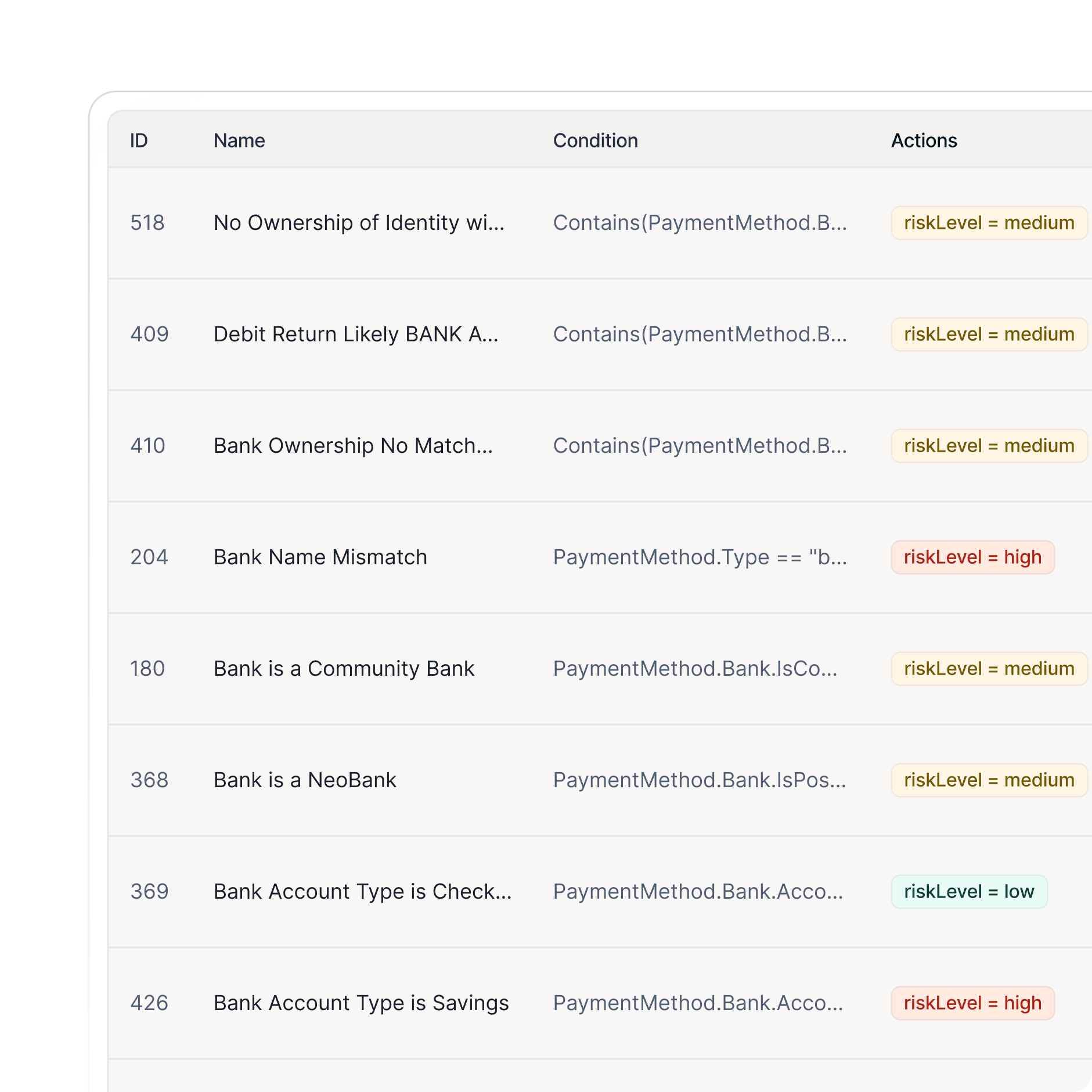
Decide when accounts can be linked, funded, paid out, or blocked based on real-time bank verification and risk signals.


Device & Behavior
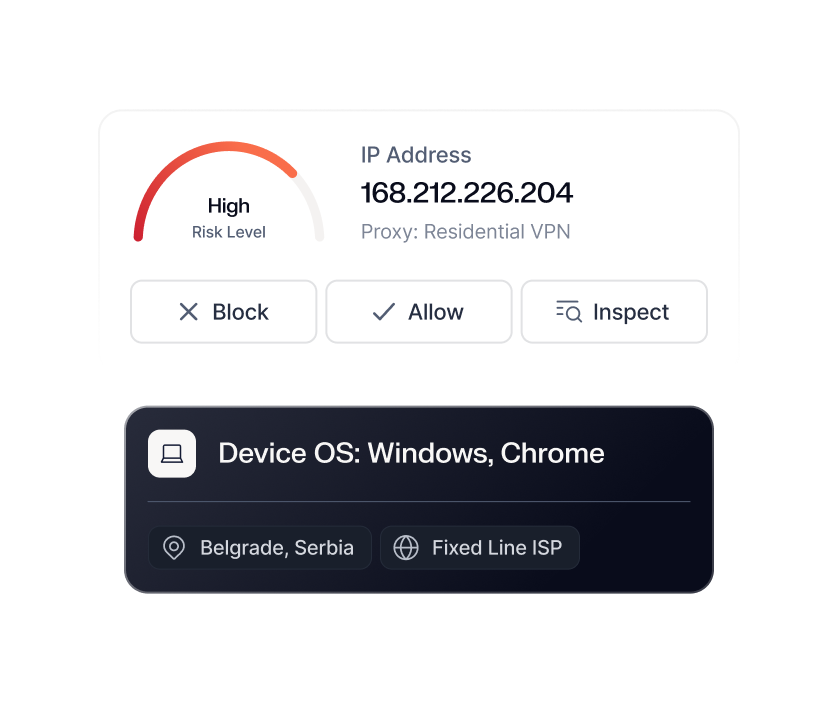
Gain additional insight
Enrich bank verification with device and behavior signals to block high-risk users.
Data Consortium
Shared risk intelligence
Identify high-risk or abusive accounts to reduce ACH losses.
Machine Learning
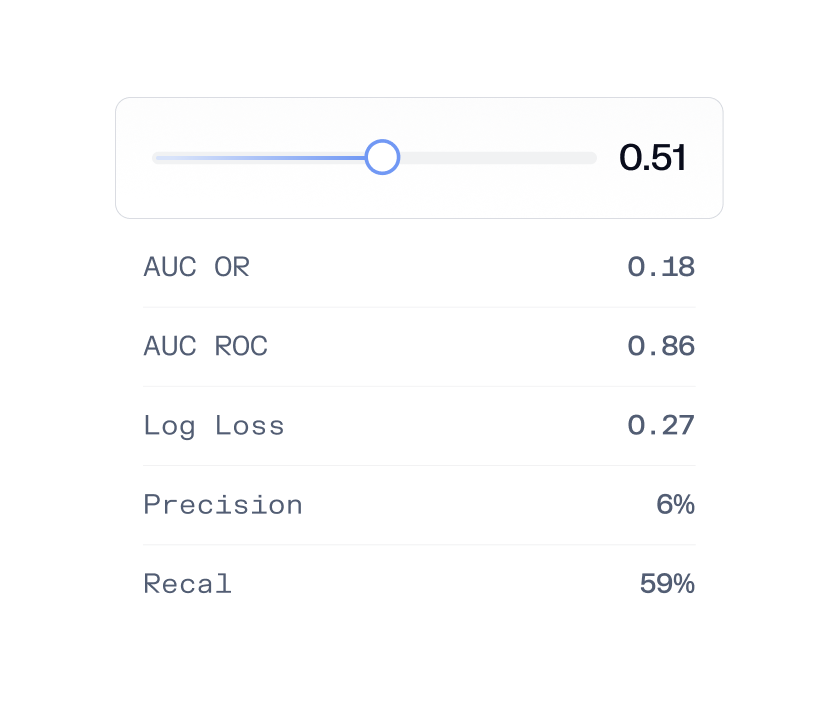
Predict transaction risk
Apply machine learning to correlate bank, identity, and behavior signals.


Approve more customers with confidence
Frequently asked questions

How does Sardine verify bank account ownership in real-time?
Sardine verifies bank account ownership by correlating account data with identity, device, and behavioral signals in real-time. This confirms whether an account belongs to the intended user and that it’s eligible for ACH transactions before funds move.
What types of bank account risk can Sardine detect?
Sardine detects risks such as mule accounts, reused or shared bank details, unauthorized account changes, and compromised credentials. By linking bank data to behavioral and network context, the platform detects both direct and indirect risk before funding, payouts, or payments occur.
How does Sardine reduce ACH returns and payment losses?
Sardine assesses account status, ownership confidence, and predicted return risk before ACH is initiated. This helps prevent non-sufficient funds, unauthorized debits, and payment diversion by stopping high-risk transactions pre-settlement rather than reacting after losses occur.
Does Sardine support coverage beyond traditional bank datasets?
Yes. Sardine waterfalls across multiple providers and its Sonar consortium to expand coverage for small banks, sponsor banks, and fintech-issued accounts. This ensures verification and risk insights even when accounts aren’t present in traditional datasets.
How are bank verification decisions made explainable and auditable?
Every bank verification decision includes clear evidence showing which signals influenced approval, holds, or escalations. Sardine maintains audit-ready records tying bank data, risk signals, and reviewer actions together to support Nacha requirements and regulatory reviews.