Customer Risk Rating
Customer Risk Rating
Build dynamic customer risk profiles
Maintain real-time profiles informed by identity, transactions, and AML intelligence for CDD and ongoing reviews.
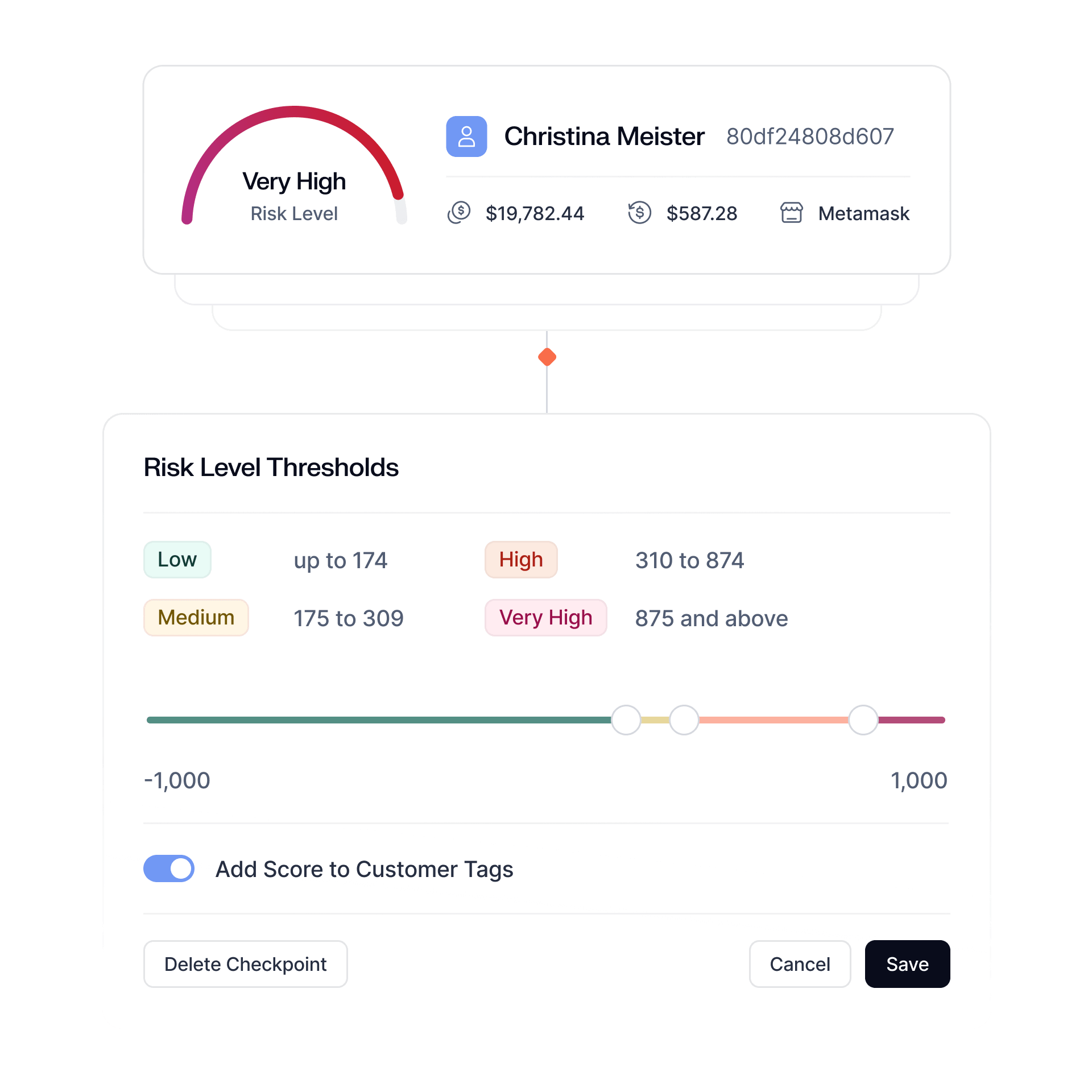













Move beyond point-in-time CDD
Replace static risk labels with continuously updated customer risk scores informed by events and activity.

Auto-apply the right level of due diligence
Trigger CDD, EDD, or ad hoc reviews as customer risk changes, without manual rescoring.

Scale compliance with confidence
Automate risk updates and documentation while maintaining clear audit trails for regulators.
Approve, monitor, escalate, or review customers based on real-time risk signals
Customer Due Diligence
Progressive onboarding
Assign the right level of CDD from the first touch.
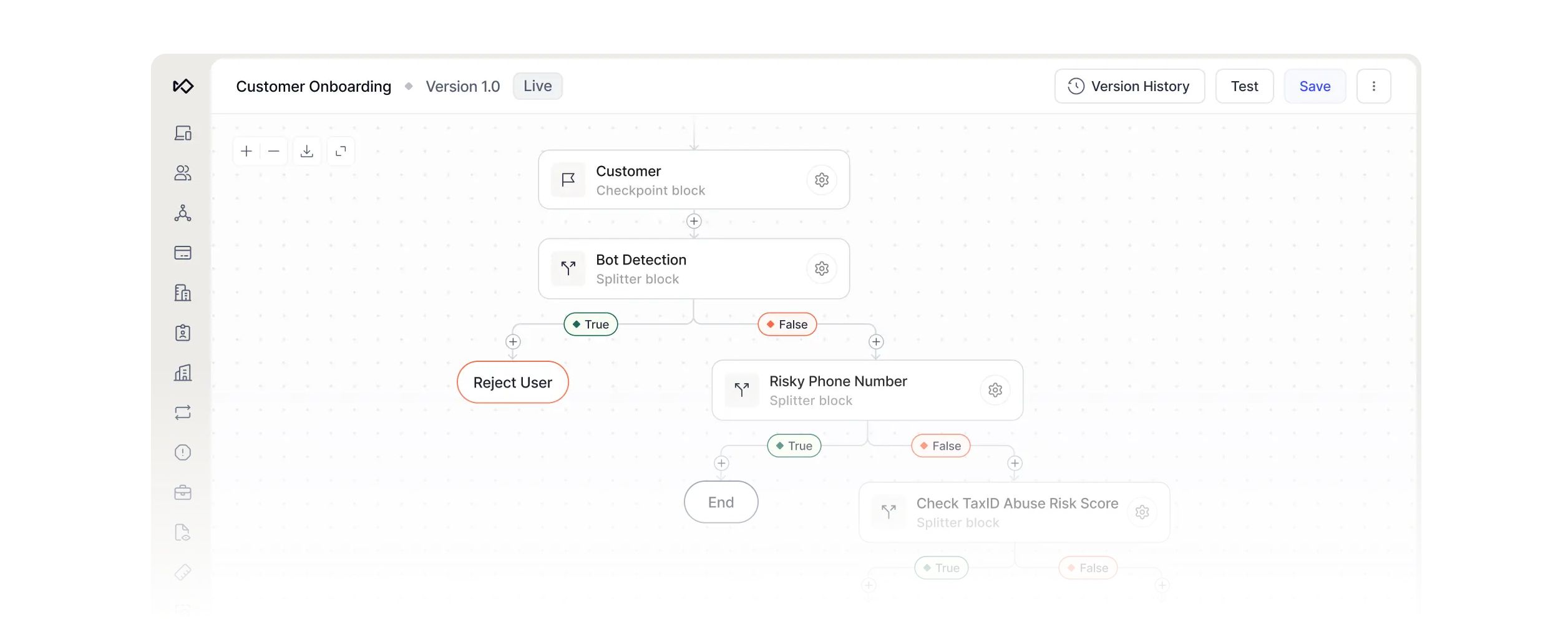

Assess identity risk early using passive signals before introducing friction or document checks.

Automatically classify customers into risk tiers that guide approval, review, or escalation decisions.

Trigger enhanced due diligence only when defined risk thresholds or regulatory conditions are met.
Periodic Reviews
Ongoing customer risk assessment
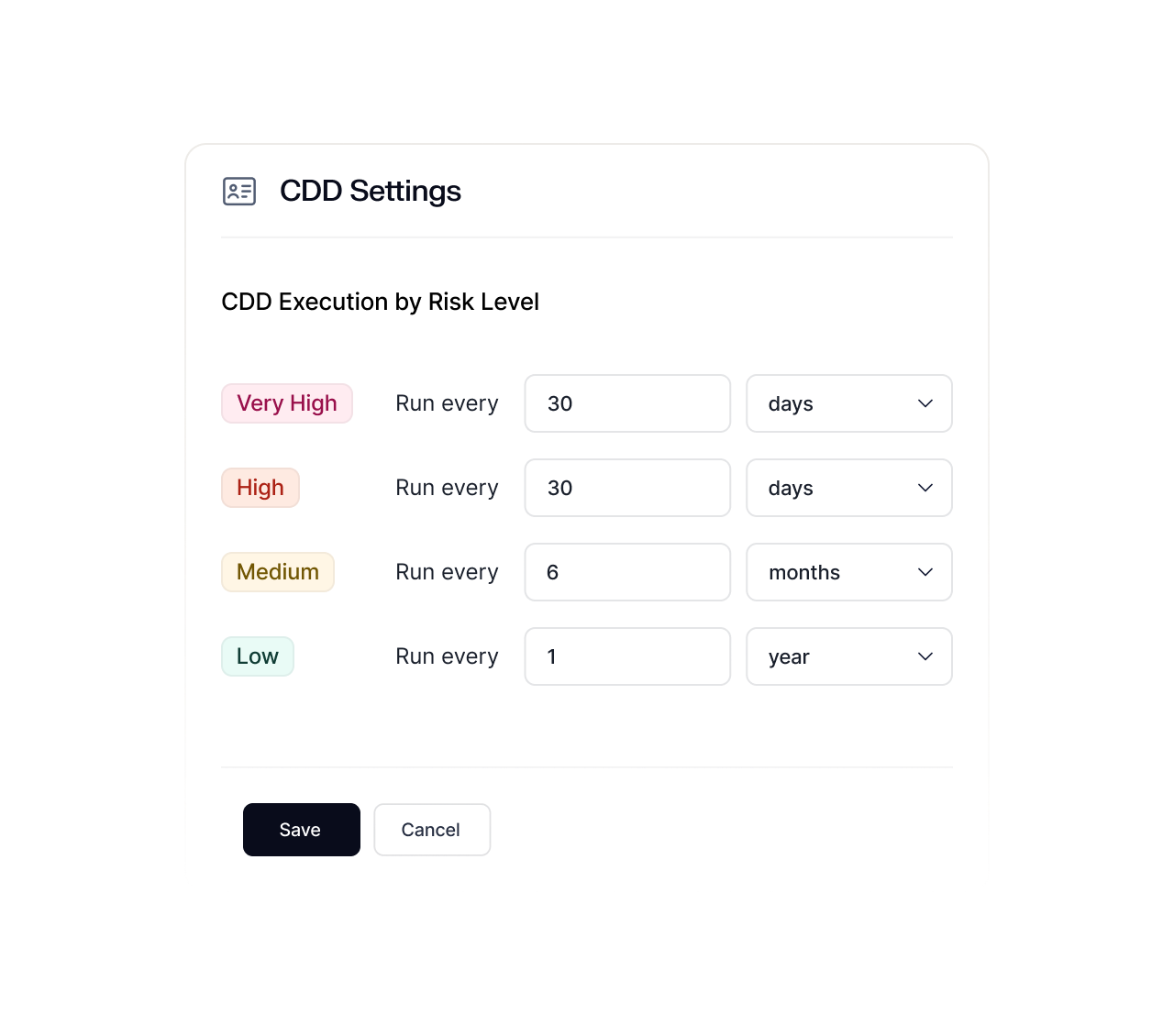
Keep customer risk current as exposure and activity evolve.
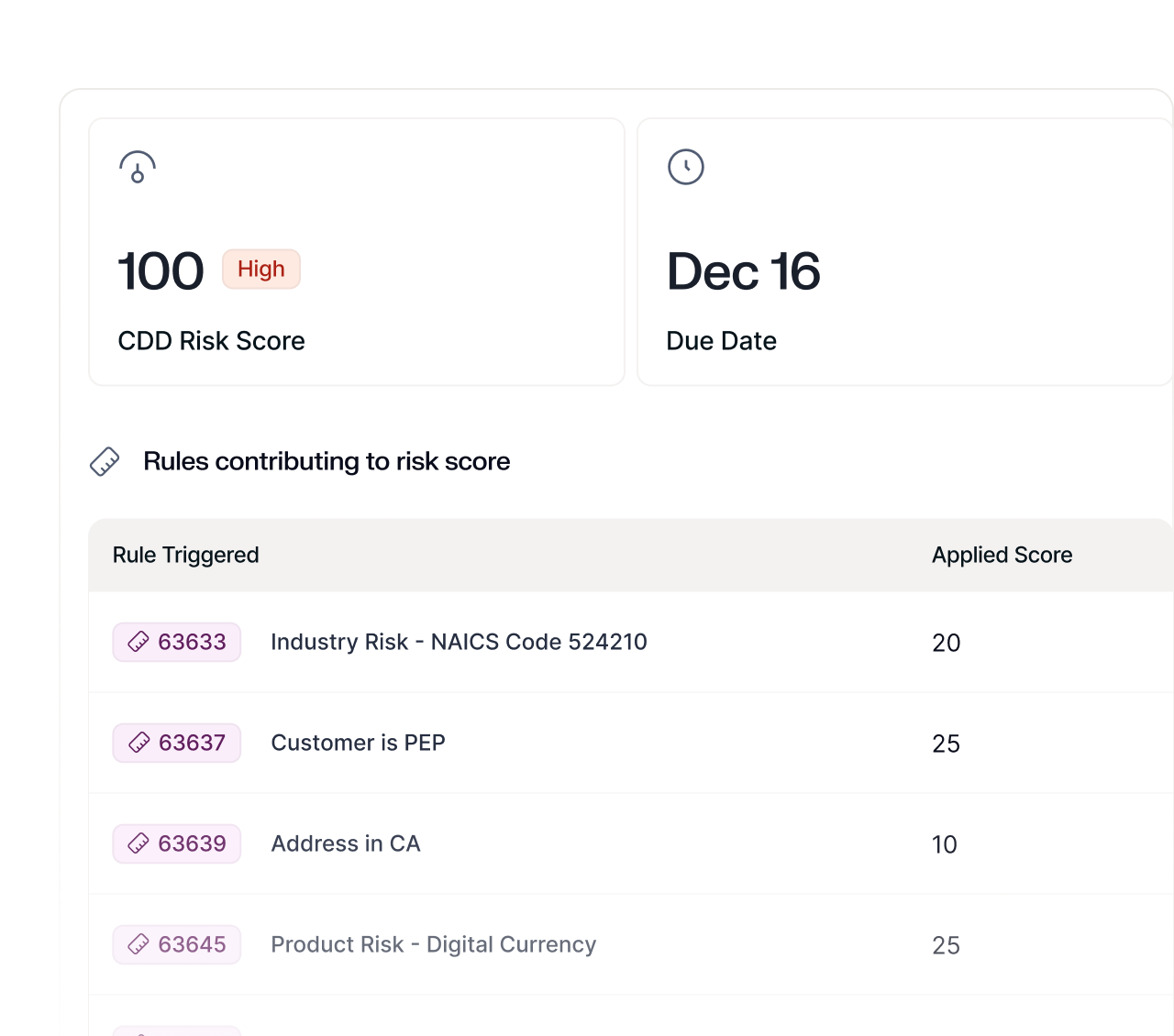
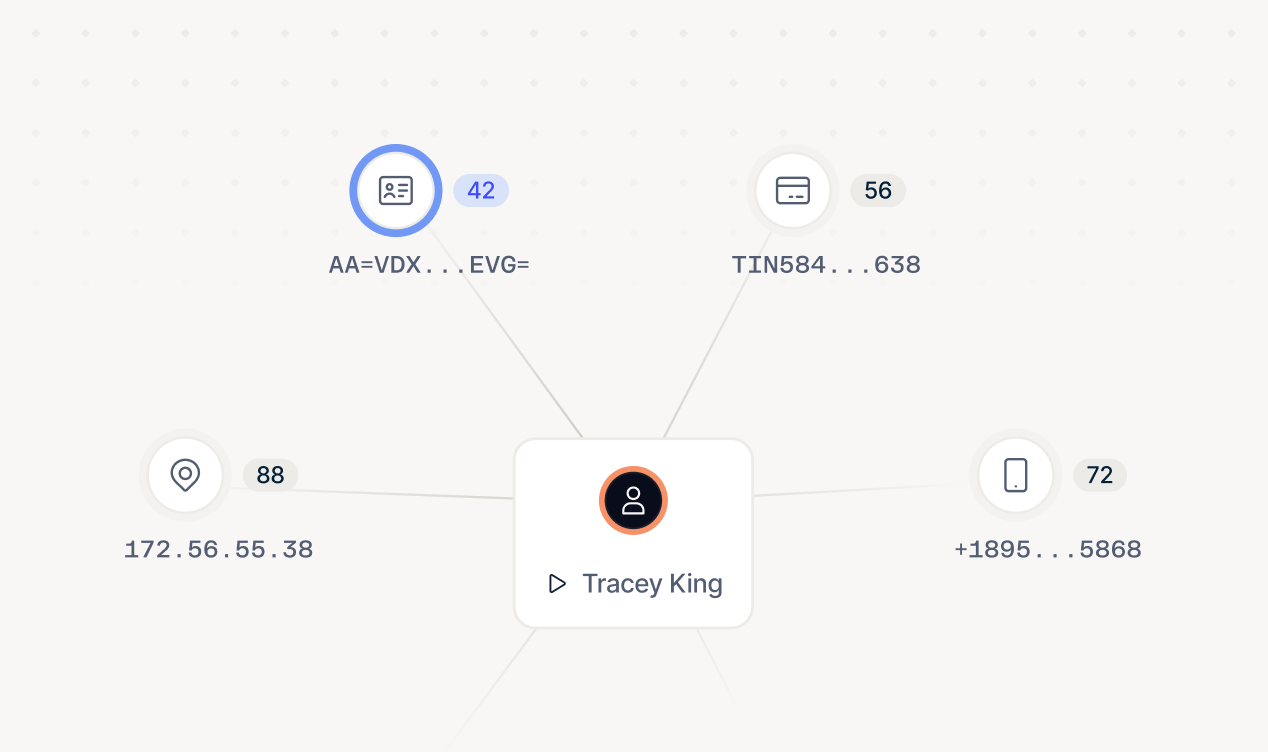
Score customers using transaction monitoring signals, PEP or adverse media news, and other AML-relevant inputs.
Risk-Based Alerts
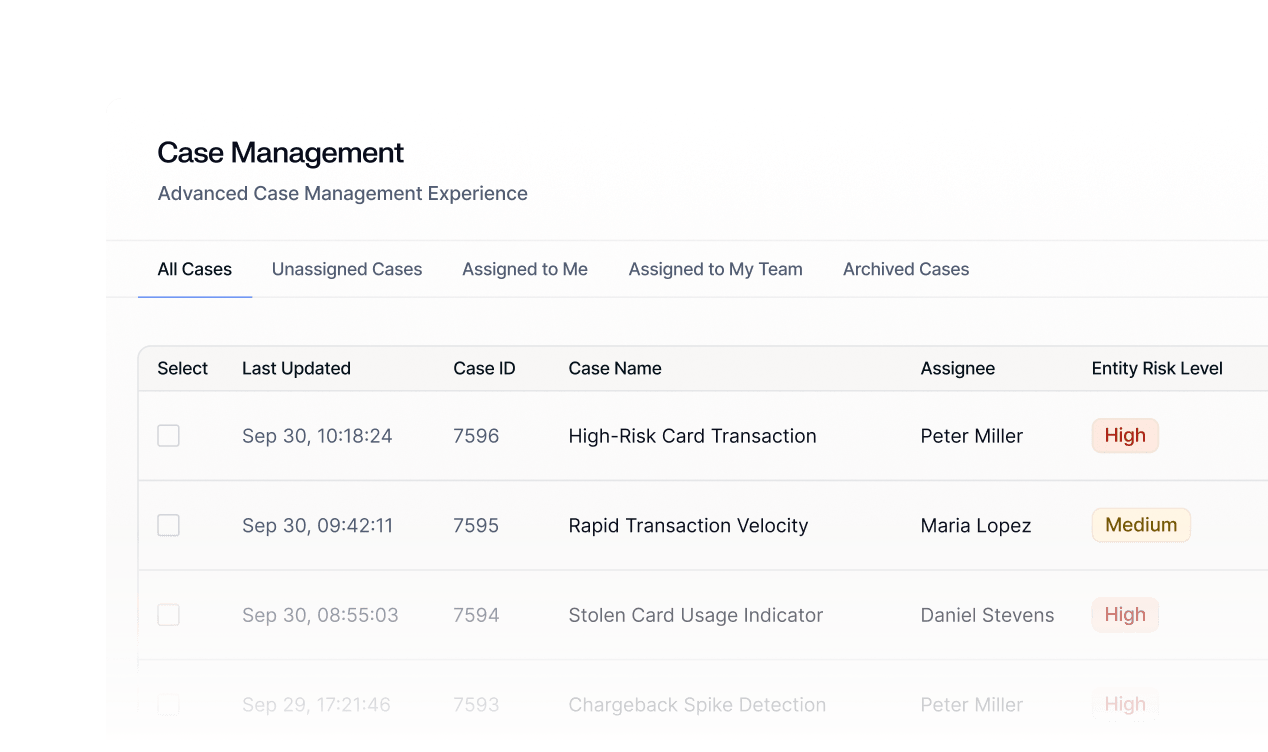
Prioritize alerts and investigations
Focus your team where the most risk lies.
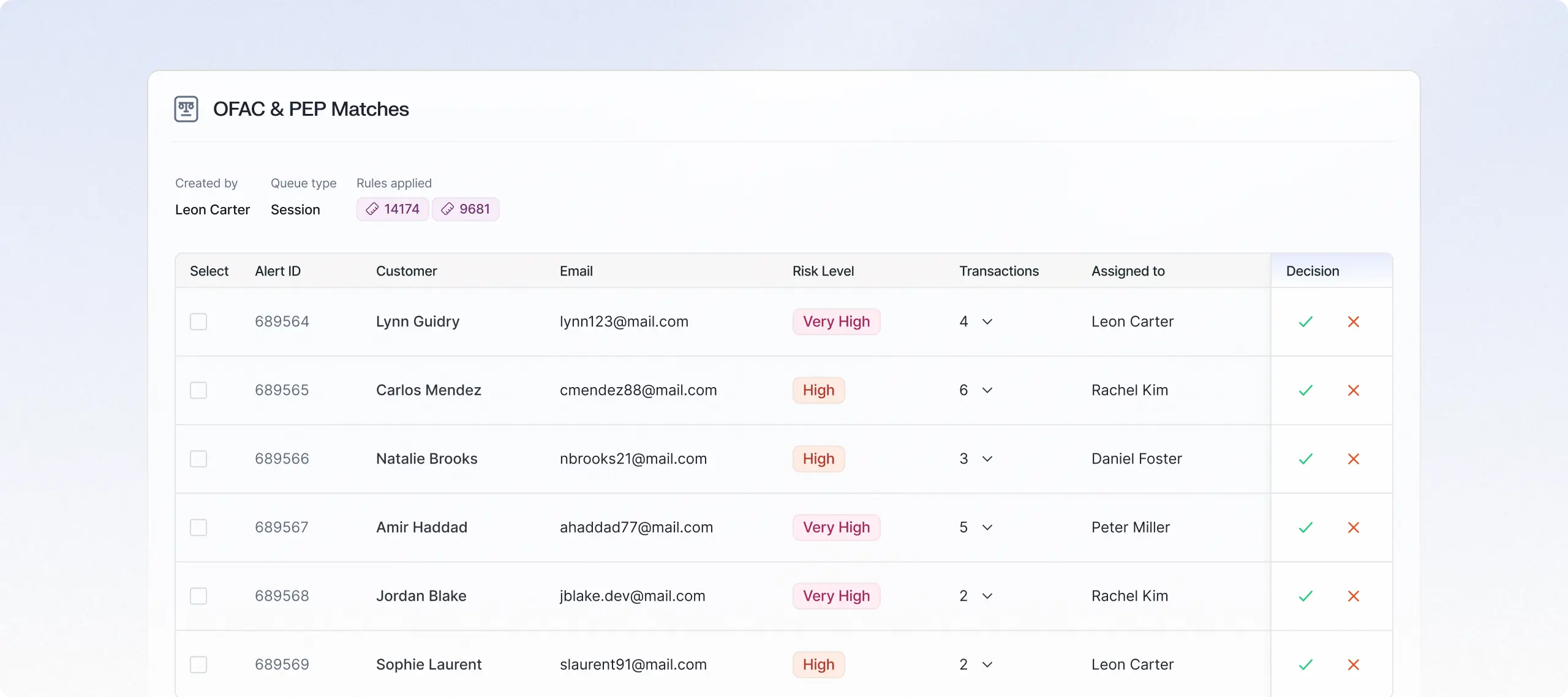

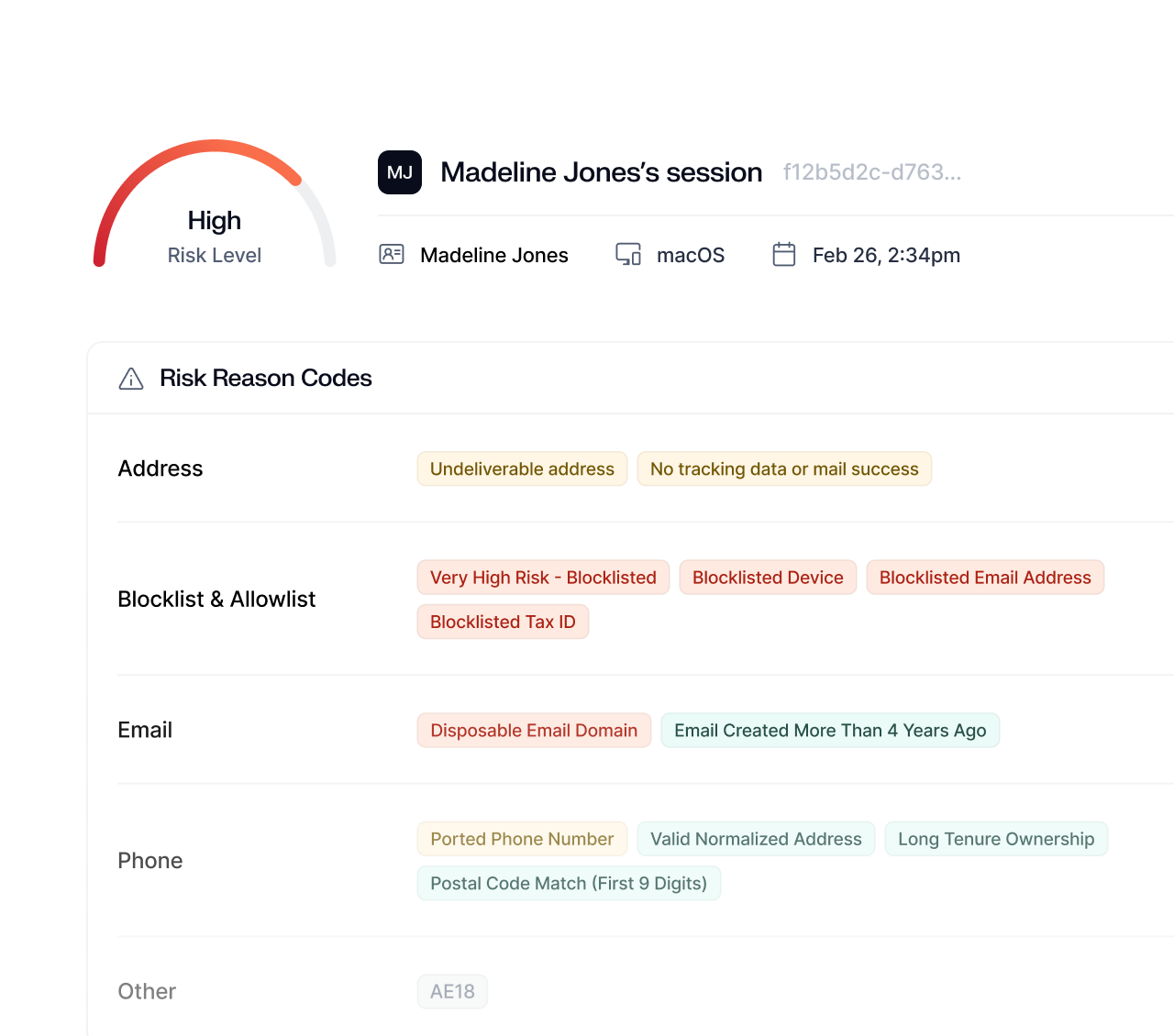
Notify analysts when a customer’s risk rating increases, so teams review the changes that matter.

See the drivers behind the rating, the customer activity tied to it, and the recommended next step.

Route alerts by risk tier and review status, so analysts spend less time reworking low-priority cases.
AI-assisted risk rating and reviews
Clear risk reviews faster with AI agents that explain every decision, surface supporting evidence, and create regulator-ready audit trails automatically.
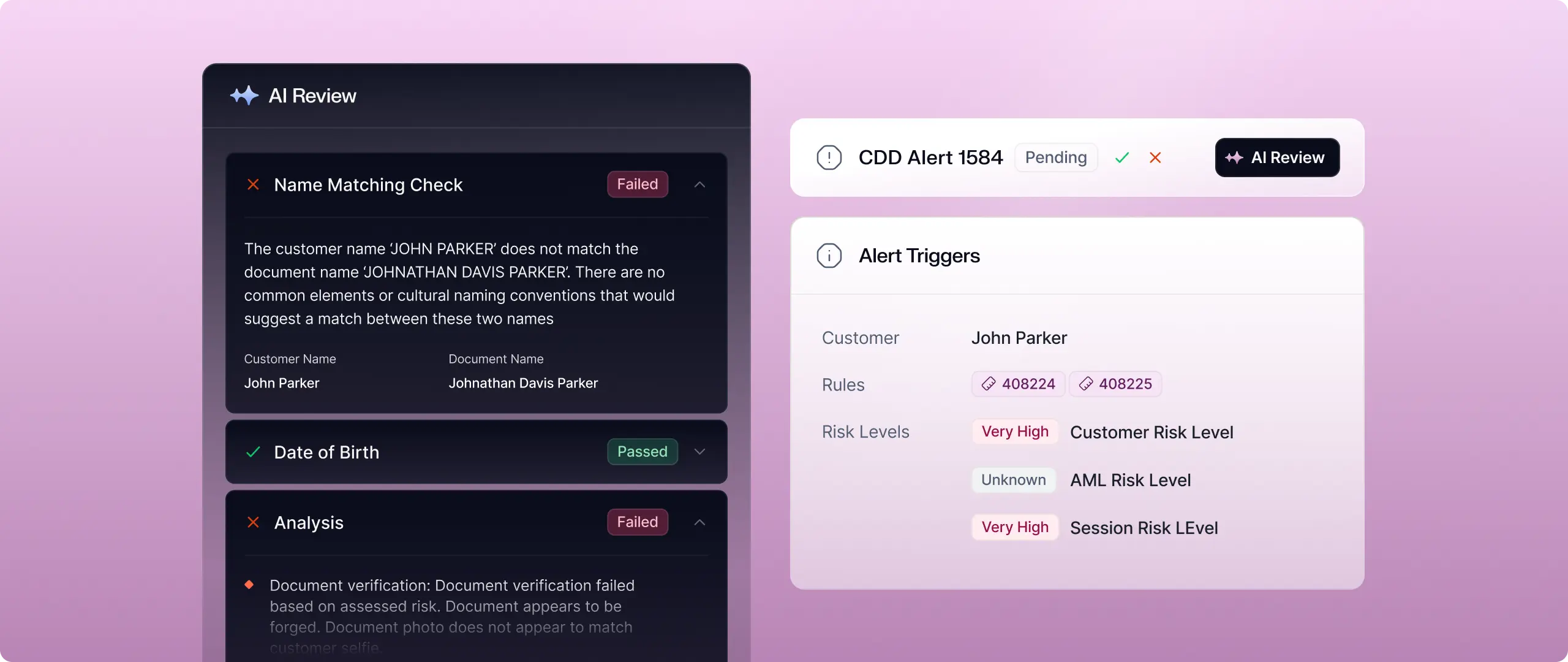
Backed by the industry’s leading agentic risk platform
Rules & workflows
Enforce risk-based controls with customer risk ratings
Define how customer risk scores drive CDD depth, EDD escalation, monitoring frequency, and review routing with configurable, audit-ready workflows.
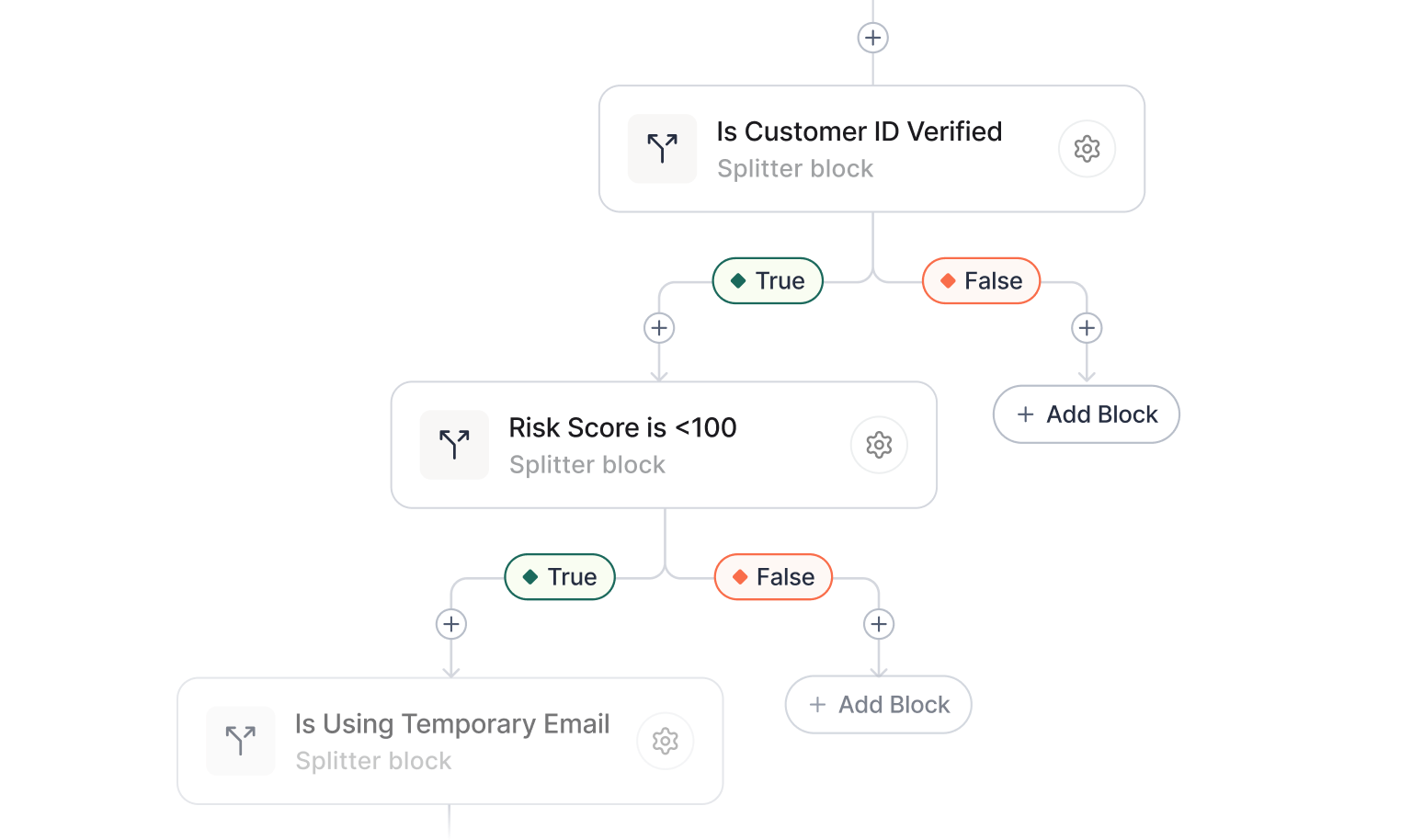





Apply the right due diligence automatically
Frequently asked questions

How does Sardine calculate customer risk ratings?
Sardine calculates customer risk ratings using a continuously updated scoring model informed by identity data, transaction activity, customer behavior, geography, products used, and AML intelligence such as PEP and adverse media signals. Risk scores evolve as customer exposure changes.
How are customer risk ratings used to trigger CDD and EDD?
Customer risk ratings directly drive due diligence workflows. When predefined risk thresholds are met, Sardine automatically triggers standard CDD refreshes, enhanced due diligence (EDD) reviews, or investigations based on your configurable policies with no manual rescoring required.
How does Sardine keep customer risk ratings up to date over time?
Sardine performs continuous customer risk assessment, automatically reassessing risk whenever new transactions occur, customer details change, exposure increases, or external AML signals emerge. This delivers true ongoing due diligence and perpetual KYC without periodic batch reviews.
How does Sardine reduce alert fatigue using customer risk ratings?
Instead of alerting on every rule hit, Sardine surfaces alerts only when meaningful changes occur in a customer’s risk rating. Alerts are automatically prioritized and routed by risk tier, so your team focuses investigations on the highest-exposure customers and cuts unnecessary reviews.
Are customer risk ratings explainable and auditable?
Yes. Every customer risk rating includes full explainability showing exactly which signals drove the score and what actions were taken. Sardine maintains complete, regulator-ready audit trails of all risk updates, alerts, decisions, and reviewer actions.
What is perpetual KYC and how does Sardine support it?
Perpetual KYC (pKYC) is the shift from periodic reviews to continuous, event-driven ongoing due diligence. Sardine supports it by maintaining living customer risk profiles that update in real time and automatically trigger the right level of CDD or EDD the moment risk changes.
Can customer risk rating models be customized to our AML policies?
Absolutely. Sardine’s no-code Rule Editor and workflows let you define custom risk tiers, scoring thresholds, and escalation logic to match your exact AML policies, risk appetite, and regulatory requirements while still benefiting from pre-built models and Sonar consortium intelligence.
How do Sardine’s anti-fraud AI agents assist with customer risk reviews?
Sardine’s anti-fraud AI agents automatically review risk changes, explain every decision with full fraud and AML context, surface supporting evidence, route cases, and generate regulator-ready documentation so compliance teams clear reviews faster and focus only on real threats.