Sanctions Screening
Sanctions Screening
Identify true sanctions risk with global coverage
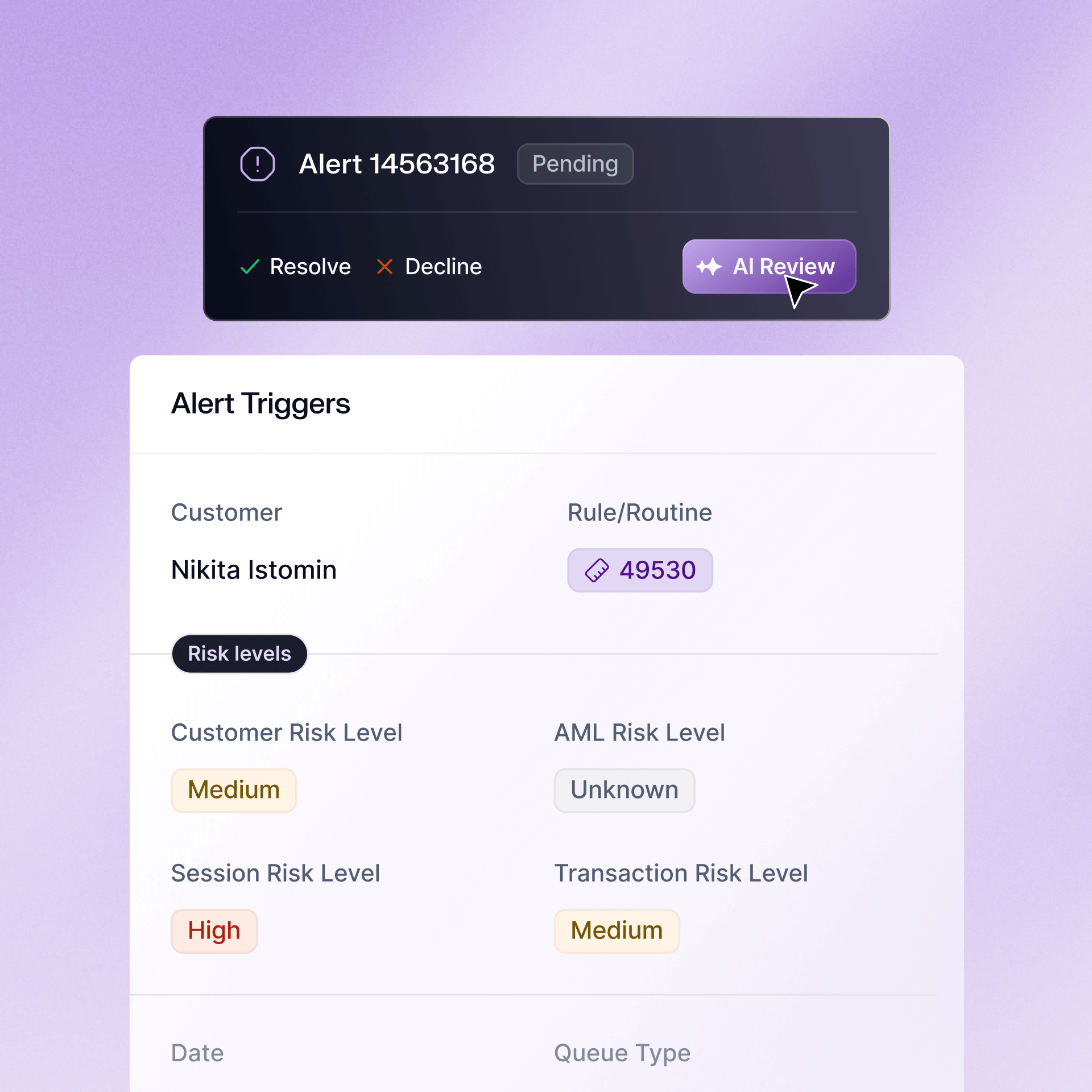
Resolve alerts 95% faster against global sources for sanctions, PEP, and Adverse Media with AI Screening Agents.











Detect evolving financial crime risk

Reduce false positives at scale
AI-assisted screening surfaces true sanctions risk and filters low-confidence matches using trusted data.

Constant sanctions screening
Always-on monitoring across onboarding, transactions, and lifecycle changes keeps sanctions exposure current.

Automate your operations
End-to-end workflows, case management, and audit trails keep programs regulator-ready.
Detect sanctions matches as customer and payment risk changes
Onboarding
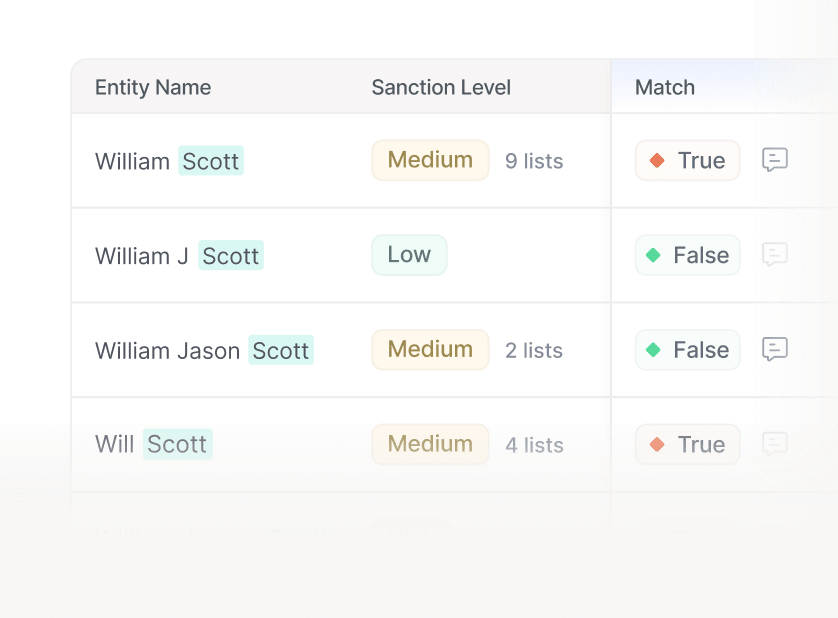
Identify sanctions risk from the start of a relationship



Transaction Screening
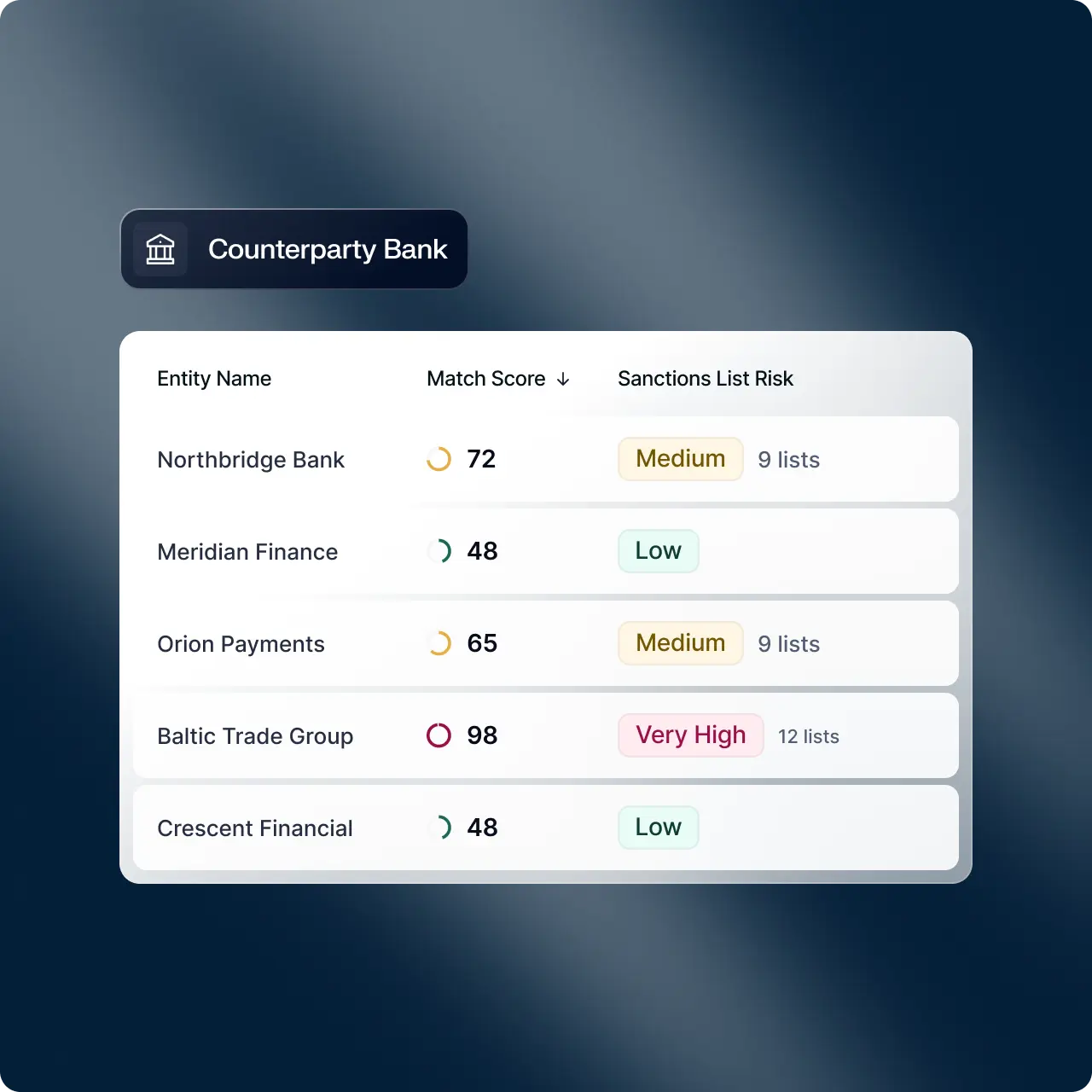
Screen counterparties before funds move
Evaluate sanctions exposure across payment parties, banks, and instructions so potentially prohibited payments can be intercepted before execution.
Ongoing Monitoring
Rescreen customers as sanctions risk changes
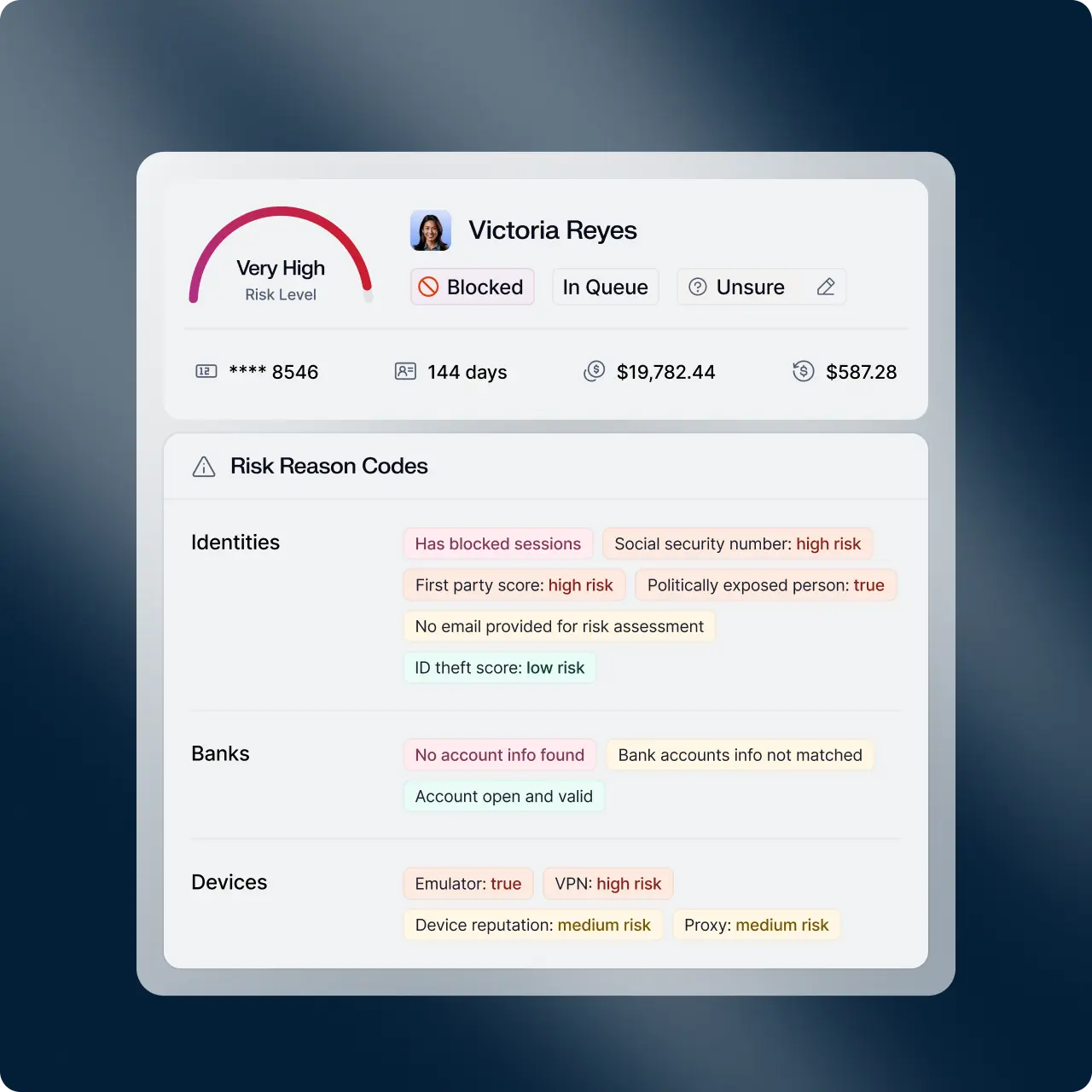
Refresh screening as customer records, ownership, or watchlists change to identify new sanctions exposure.
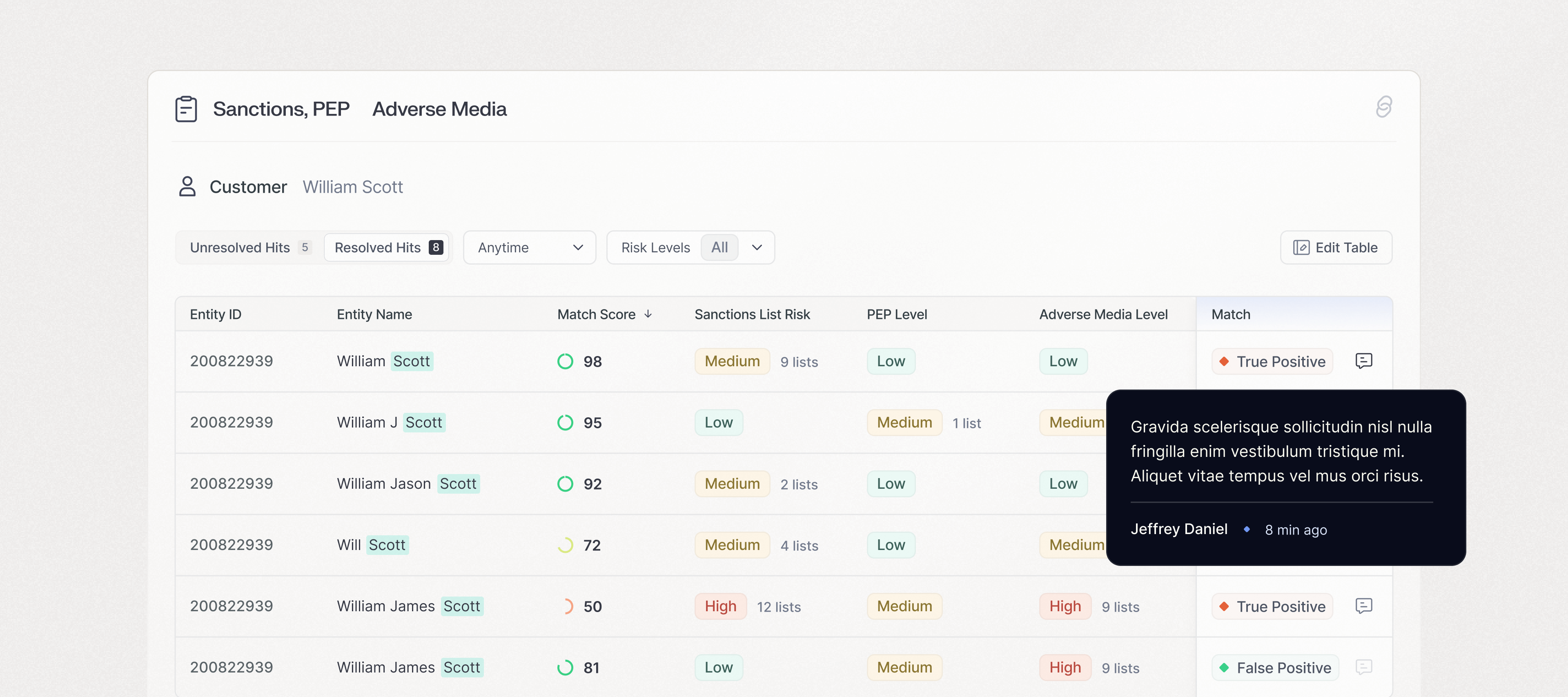

Automatically re-screen customers as intelligence changes, with highlighted updates.

Trigger reviews only when risk changes, not on static schedules.

Preserve complete histories of matches, decisions, and supporting evidence.
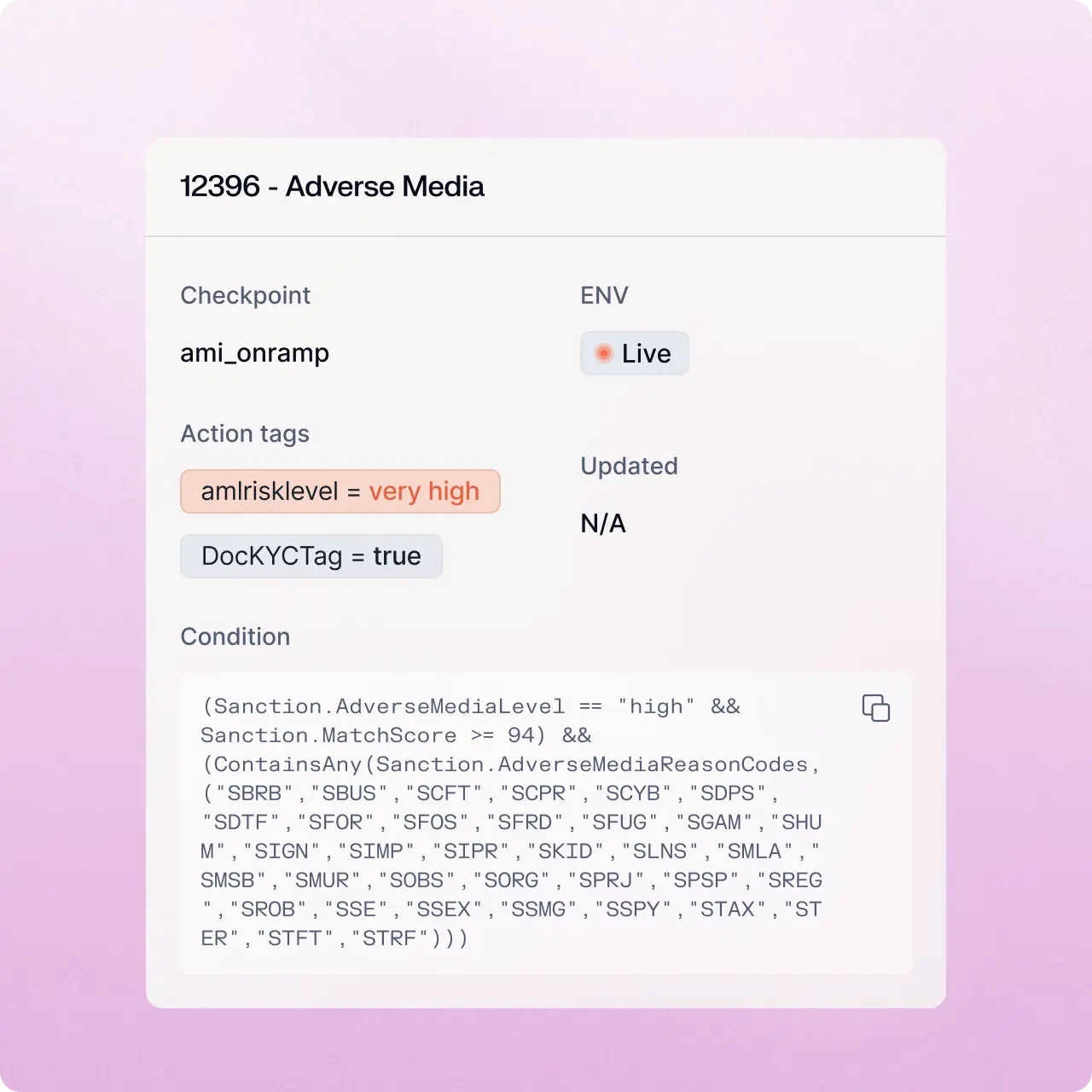
Business Ownership
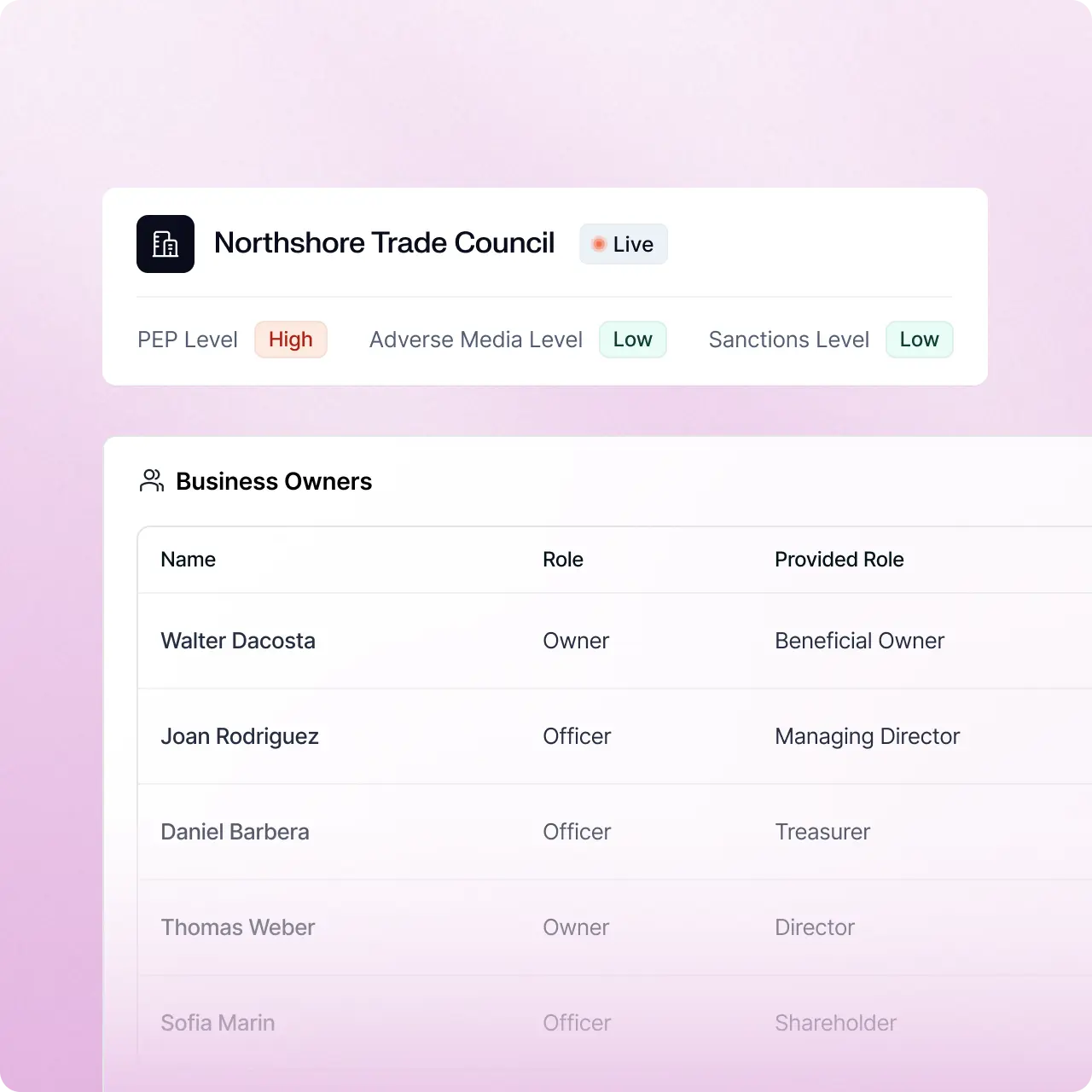
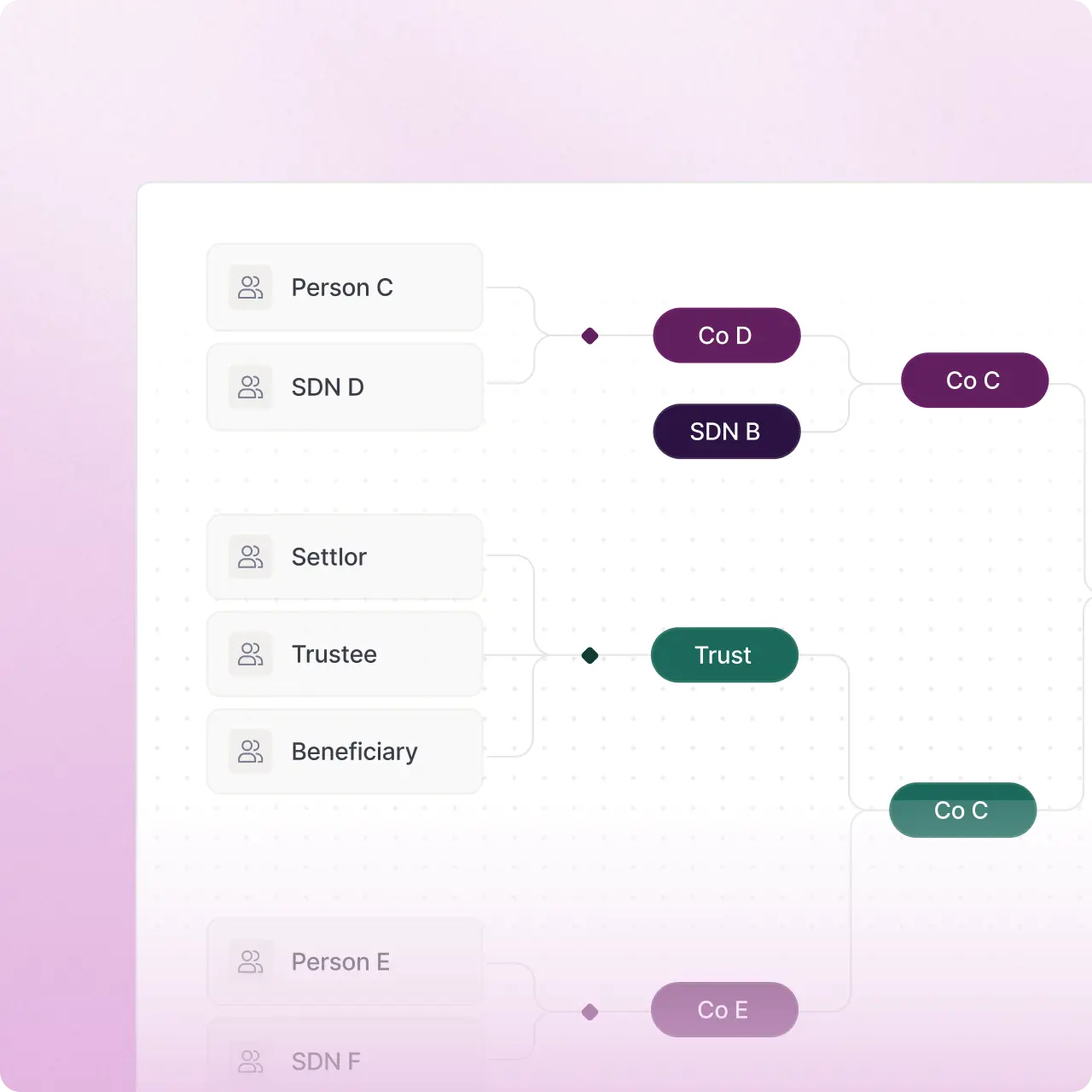
Screen UBOs for indirect sanctions exposure
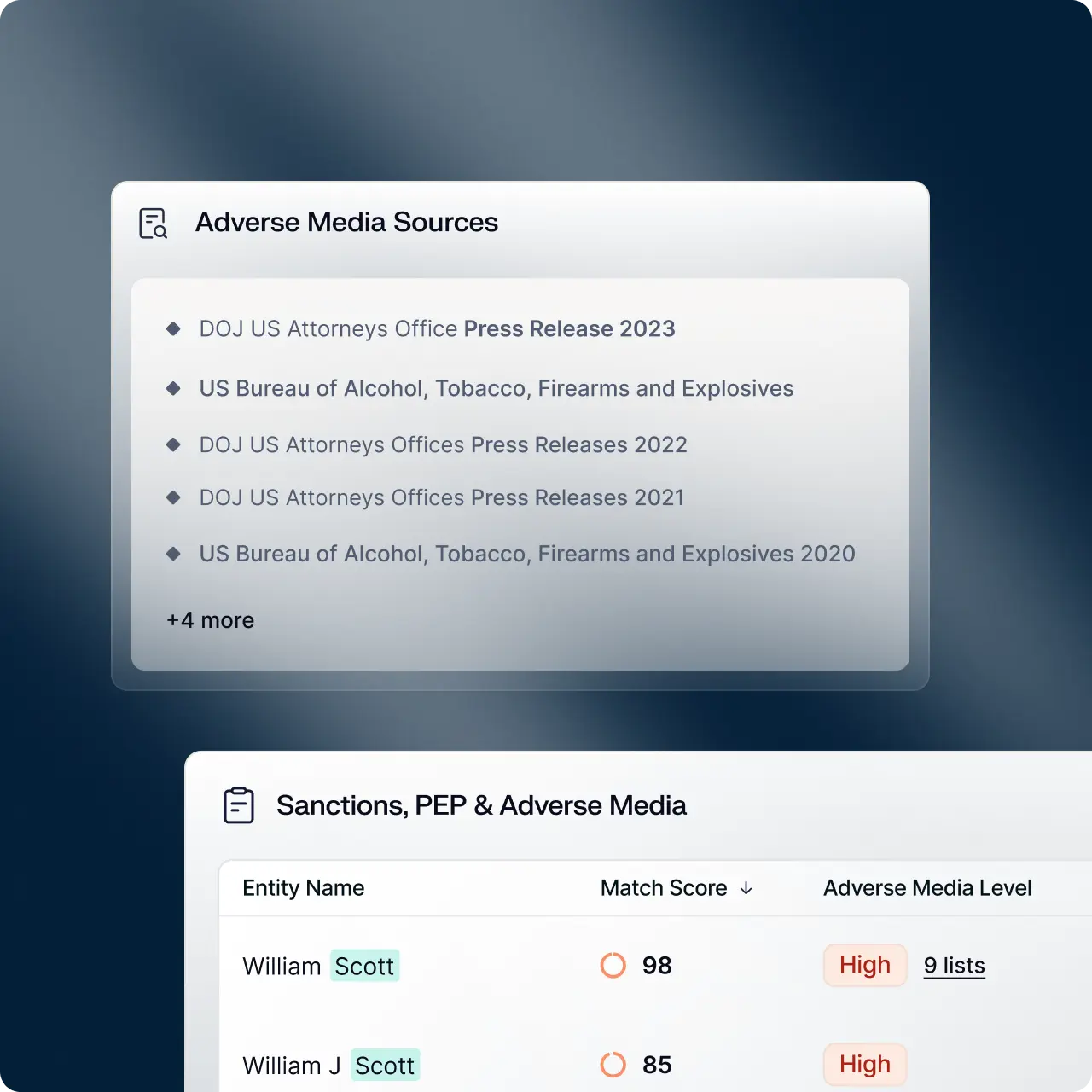
Identify hidden risk beyond business verifications by analyzing true ownership and control.
Resolve sanctions screening alerts up to 95% faster
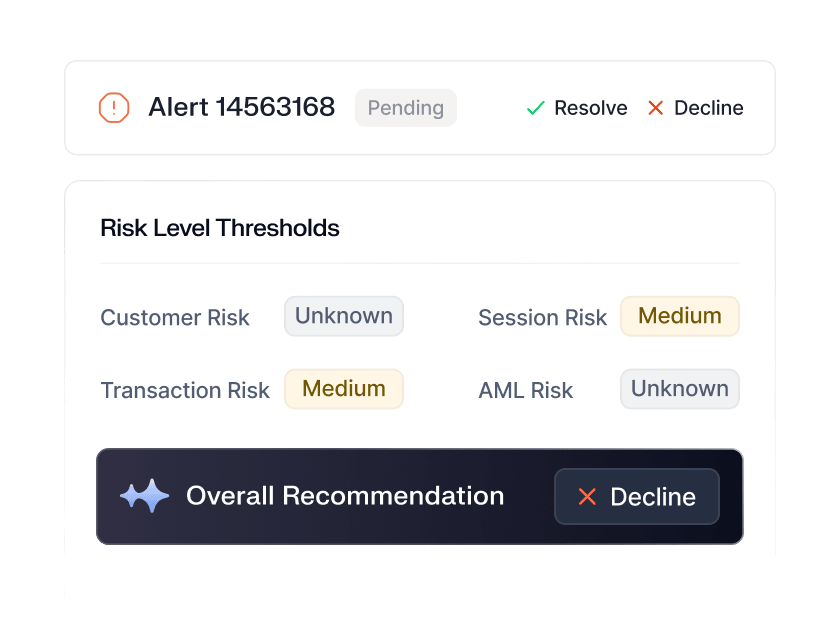
AI agents clear obvious false positives, perform supporting research, and route higher-risk matches for analyst review.
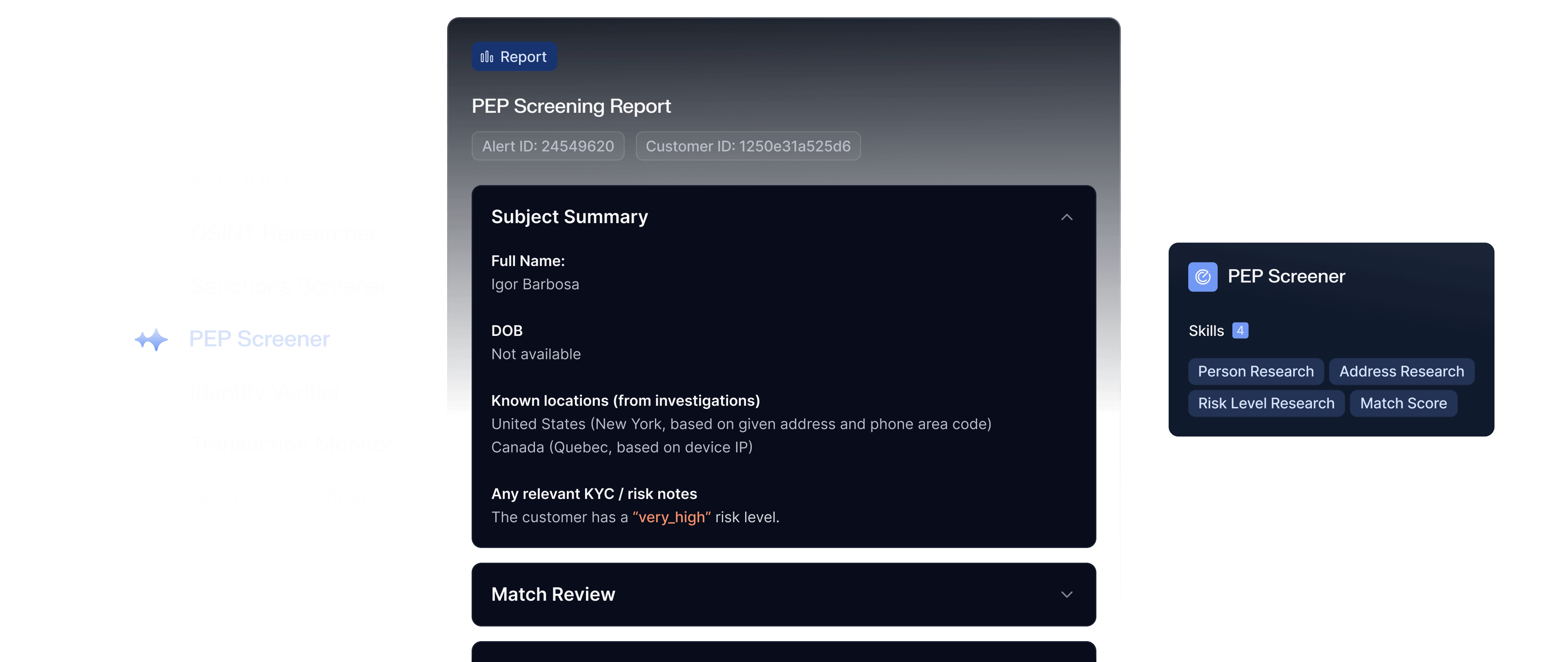
Backed by the industry’s leading agentic risk platform
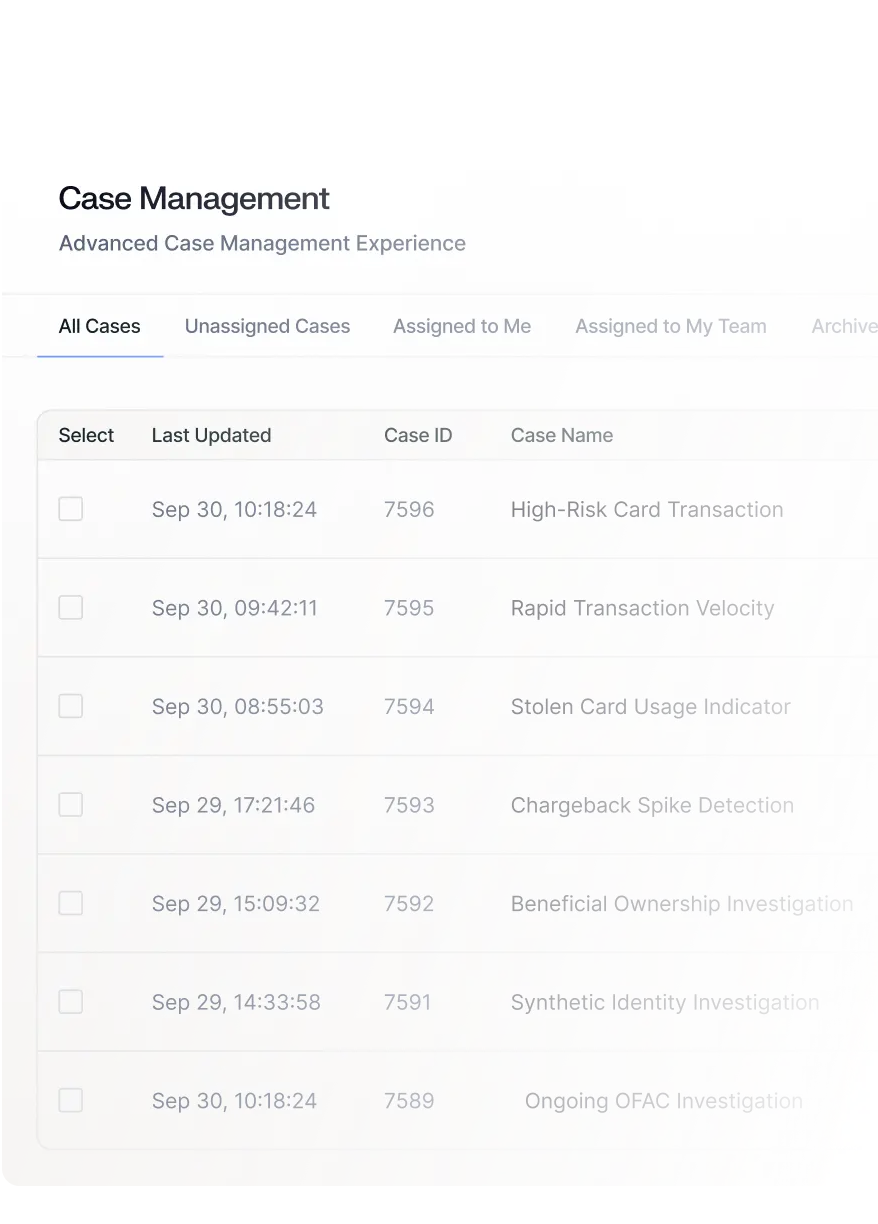
Case Management
Clear investigations, defensible outcomes
Resolve escalated sanctions risk in auditable workspaces, routing low-risk alerts fast and escalating higher-risk cases with full context.


Data Consortium
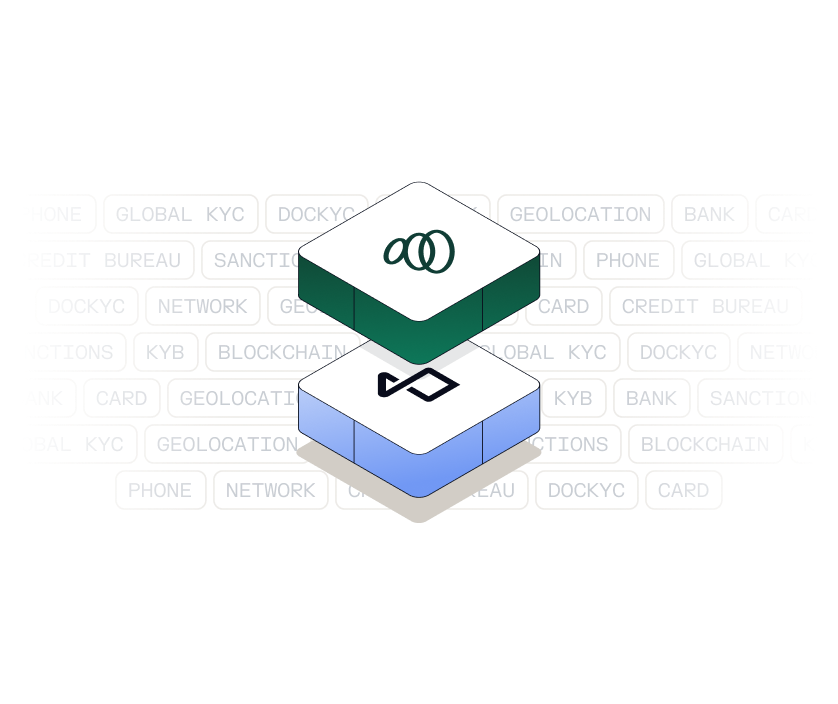
Uncover risk with shared intelligence
Detect risky counterparties and linked entities before exposure escalates.
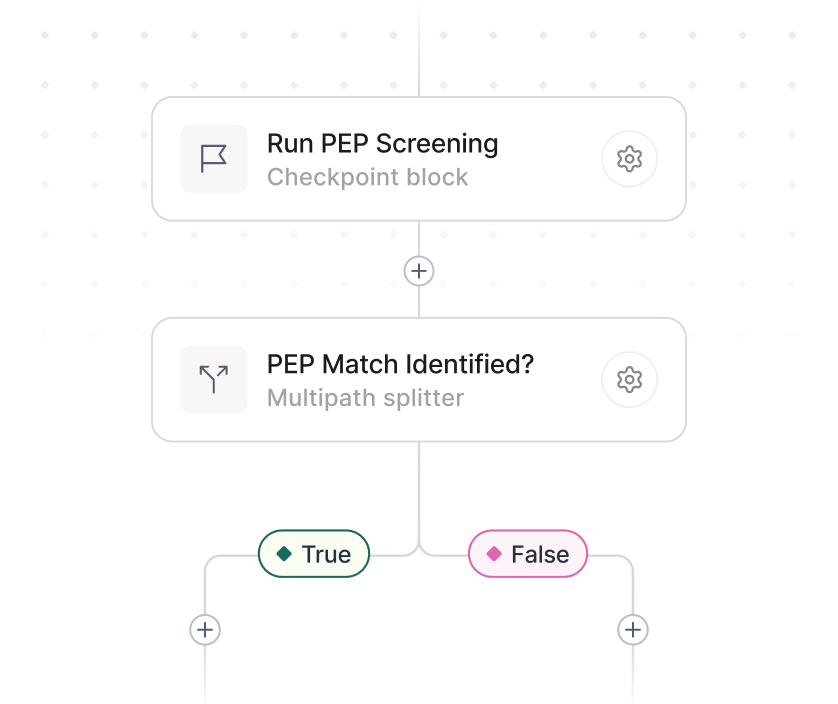
Rules & Workflows
Automate screening workflows
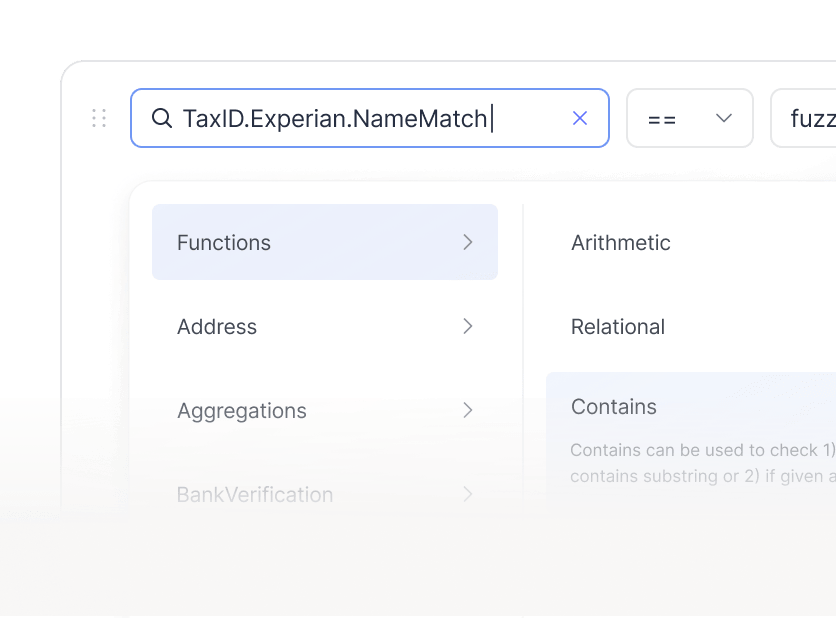
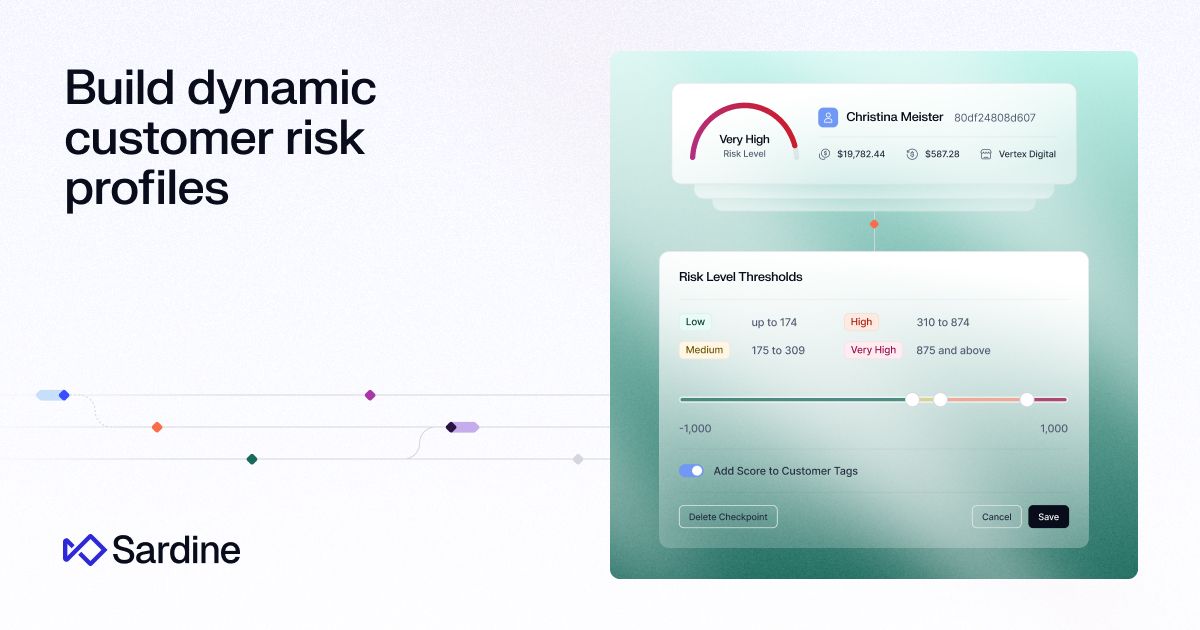
Define tunable risk thresholds and escalation logic with consistent workflows.
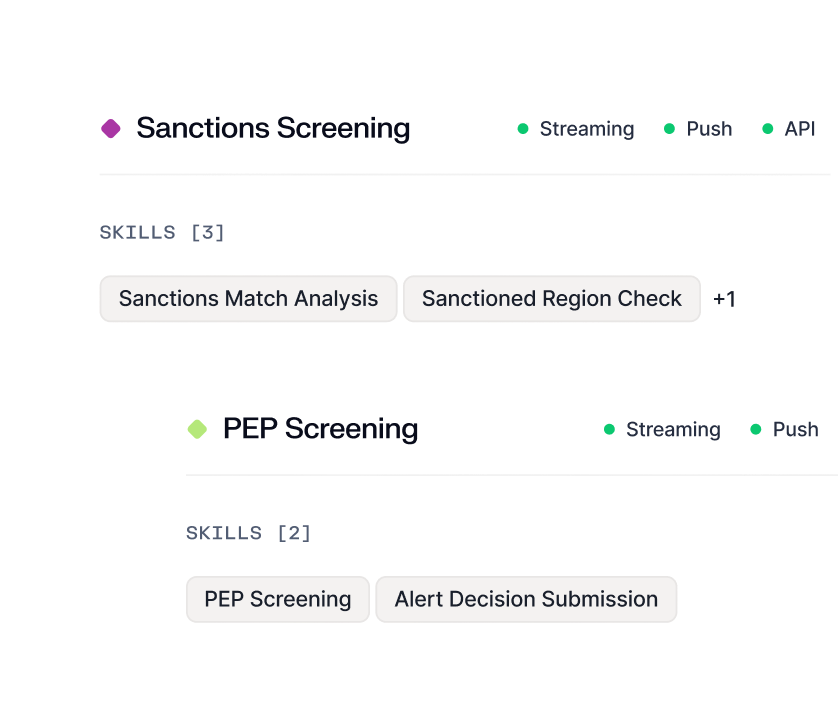
Machine Learning
Higher accuracy screening
Improve matching and alert prioritization with transparent scores, reasons, and outcomes.

Clear false positive alerts up to 95% faster with AI
Frequently asked questions

How does Sardine reduce false positives without increasing sanctions risk?
Sardine reduces false positives in sanctions, PEP, and adverse media screening while maintaining high compliance standards and alert accuracy. Our AI powered sanctions screening platform improves match precision and alert triage using three critical methods.
Screening configuration and match threshold testing
Sardine supports pre-launch and live A/B testing of screening logic, allowing teams to adjust match thresholds, filter out low confidence alias matches, and balance false positives and false negatives based on internal risk policies.
Contextual alert level filters
Each potential sanctions match is evaluated using weighted matching logic across attributes such as name, date of birth, and country. Sardine triages matches using advanced risk based filtering to surface only credible alerts, improving decision speed and reducing alert fatigue.
Sanctions AI agent with human in the loop oversight
Our AI agent learns your specific alert review procedures and can auto resolve low risk matches or recommend actions for analyst approval. This drives faster alert clearance and significantly reduces manual workload across compliance teams.
Sardine’s automated sanctions screening system improves compliance outcomes while reducing manual effort and investigation delays, especially for high volume teams managing global risk.
How often are sanctions, PEP, and adverse media lists updated?
Sardine screens against comprehensive global sanctions lists, politically exposed persons databases, and adverse media sources that are refreshed on a continuous risk-based cadence.
Critical sanctions lists including OFAC, EU, UN, and regional authorities are updated multiple times per day. Most PEP and adverse media sources are refreshed at least daily to ensure timely detection of new financial crime risk.
Sardine’s monitoring engine automatically re screens your entire customer and counterparty population as soon as new sanctions, PEP, or adverse media data becomes available. There are no batch jobs, no manual re screening cycles, and no delays in exposure detection.
Can we tune matching logic and thresholds for our specific customer base and geographies?
Yes. Matching logic is fully configurable by customer type, geography, product, and risk appetite. Teams can adjust thresholds, tune key matching factors, and configure sanctions screening logic across jurisdictions and customer segments.
Teams can run above-the-line and below-the-line (ATL/BTL) testing to measure the impact of configuration changes before deployment. Different logic, source lists, and escalation rules can be applied to specific customer groups or transaction types to manage risk while maintaining accurate, auditable sanctions screening.
How does transaction sanctions screening work without delaying payments?
Sardine performs real-time, inline sanctions screening during the transaction authorization window, before funds move. Low-risk transactions are automatically approved and proceed without delay, while only credible risk is flagged for review.
The platform screens the counterparty, counterparty bank, and relevant transaction metadata, with any potential matches aggregated into a single alert to reduce duplication and speed investigations.
How does Sardine identify indirect sanctions exposure through ownership and control structures?
Sardine identifies indirect sanctions exposure by linking individuals, businesses, ultimate beneficial owners, controllers, and related entities using its Fraud investigations and advanced entity resolution.
The platform analyzes ownership, control, and affiliation relationships using registries, open source intelligence, sanctions data, and consortium signals. This enables look through screening aligned with regulatory frameworks such as OFAC’s 50 Percent Rule and similar global standards.
Alerts clearly show ownership paths, control logic, and the reasoning behind each flag so reviewers understand why an entity is exposed to sanctions risk rather than seeing only a list based match.