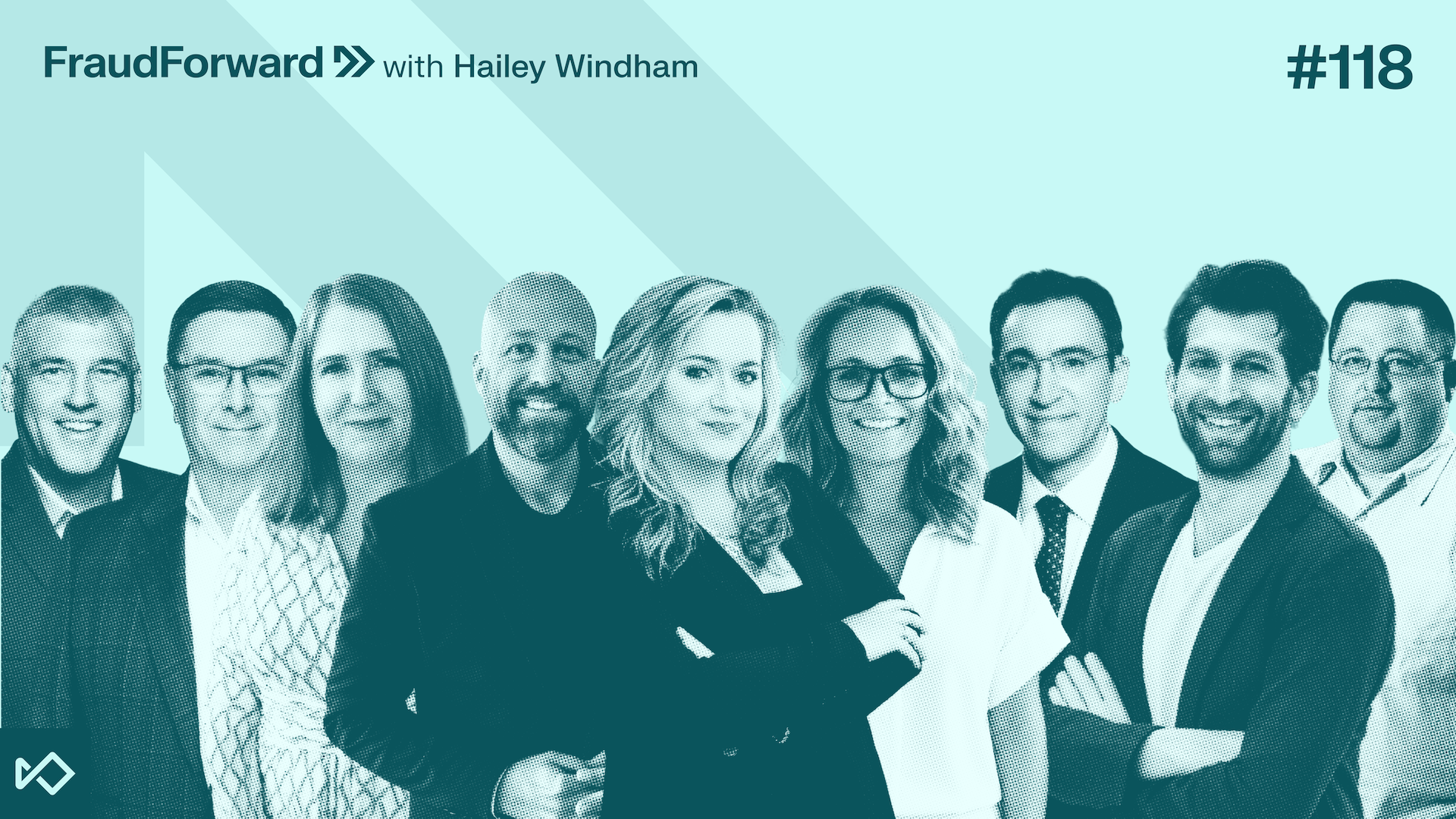
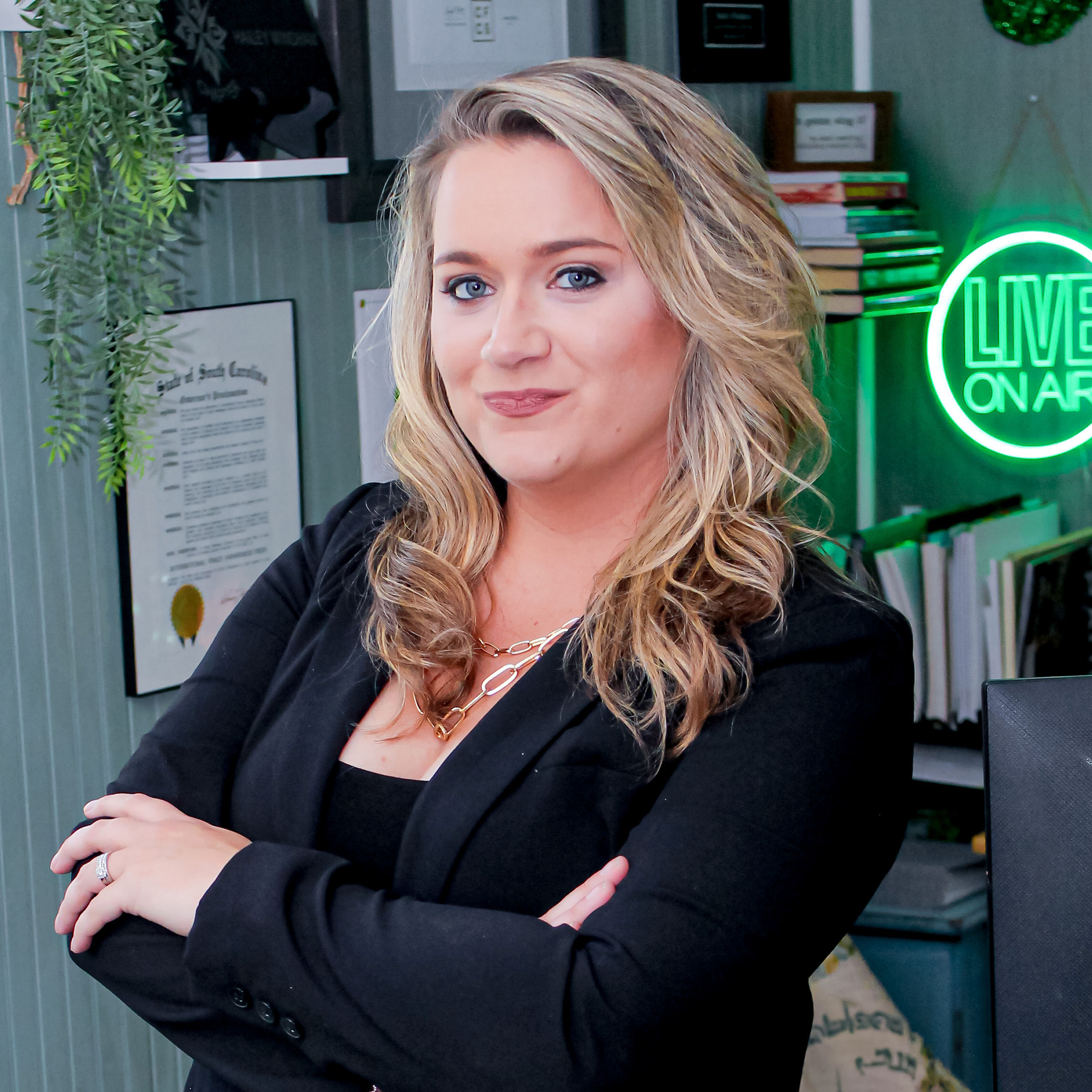
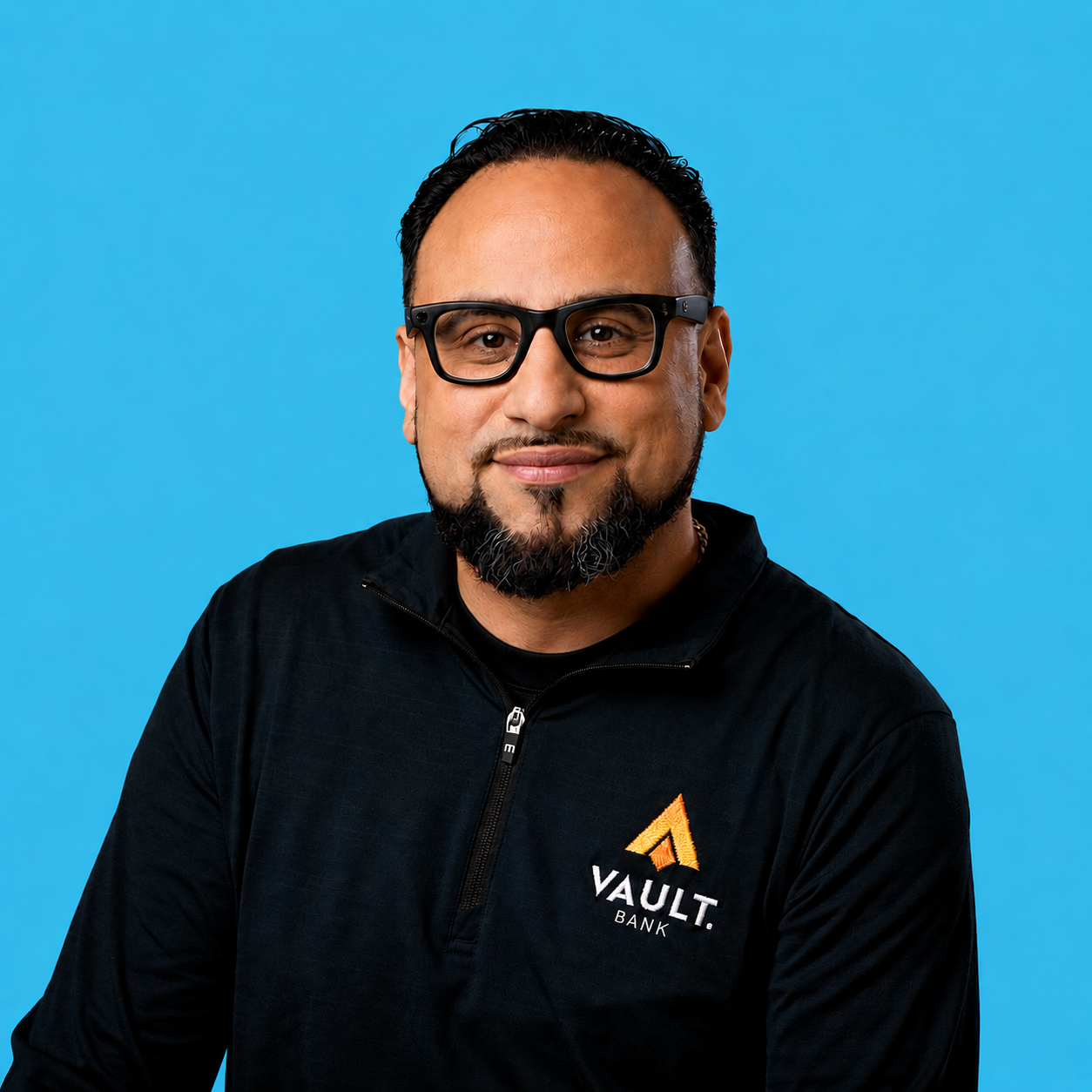
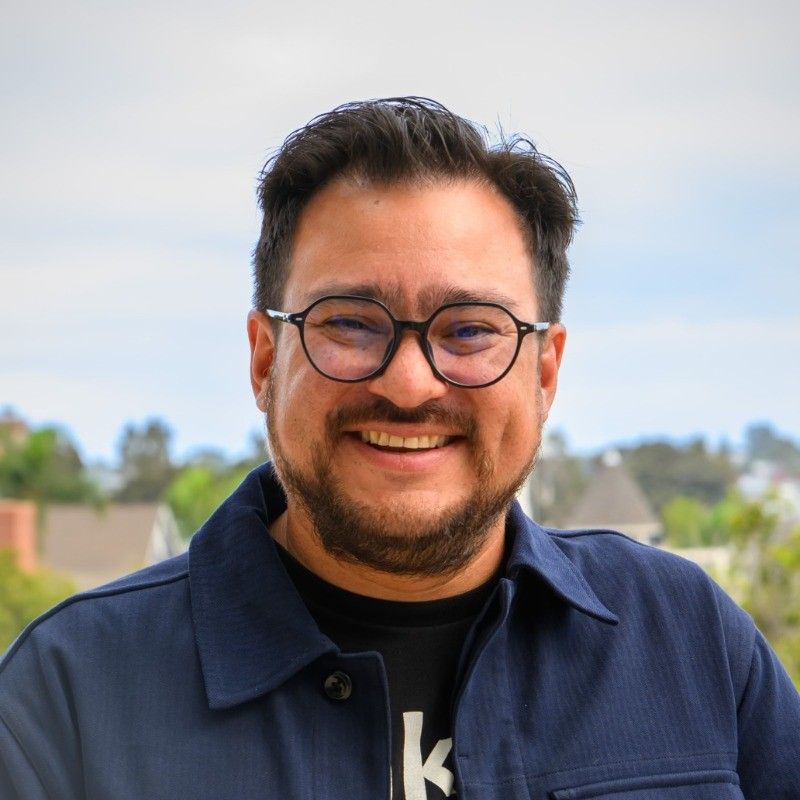
What is up fraud fighters? Welcome back to Fraud Forward. So, community banks know they need to grow digitally, right? They also know that one bad launch can overwhelm a fraud team, frustrate customers, and damage trust. So, how do you launch digital banking without launching fraud? Recently, Vault.Bank shared its digital transformation journey in an ICBA case study. Today, we're going beyond that article to unpack what really happened, what surprised them, and what other community banks can learn from that experience. So, joining me today are Omar Hamdan, chief experience officer at Vault.Bank, and Jorge Garcia, which is the CEO of Linker Finance. Gentlemen, thank you both for coming on the show.
Yeah, really happy to be here, Hailey. Thank you for having us.
Of course. So today we're going to walk through how a community bank, a fintech partner, and the right fraud strategy came together to build something that many institutions believe is too difficult to accomplish.
So we're going to get into the story behind the case study. Um Omar, I'd love it if you could tell us a little bit about yourself and how this all came to be. Like what prompted Vault.Bank to participate in the ICBA case study anyways.
Oh yeah, of course. Uh again thanks for having me. Um love to be here and love to spread this positive message of community banking uh taking that that next journey uh into the digital fintech space. But what started I mean we did not launch uh just to add another product or to the bank. We wanted to build new growth. And channel long-term established for community bank clients that we serve and expand our reach throughout Wisconsin. And share a little bit in the future across, you know, the US and nationwide. You know, and while still protecting the trust and personal services that we offer on a daily basis with the Bank of Brodhead. And really define the risk management was a big thing in community banking. You know, you know basically we're just trying to turn a community bank into a fintech. While using, you know, using fintechs that we trust and honored that kind of continue the legacy of Bank of Brodhead in Vault.Bank.
I love that aspect so much. I can remember even just trying to onboard digital products and that used to scare me so bad. Uh, you know, whenever they were like, "Oh, hey, let's do digital issuance." And I was like, "For the love of God, do not. Wait, wait. Let let me do some things." So, I love that we're bringing this perspective on and that you know you you've been embedded in community uh you know banking for a while. I would like to ask though before we move on, are there any parts of the story that maybe didn't make the article?
I believe, you know, Jorge can chime in on this but accessibility to Fiserv and getting things integrated. And really trying to have others, um understand what we're trying to do as a community bank. Uh and what we're doing was very rare. Especially in Wisconsin. So we had to do a lot of things to get to the point we are today. So it was a fun, really journey. So a lot of that, the road map. The the, you know Wisconsin is known for its orange cones in construction. So, lot of red tape. A lot of construction codes. And a lot of things that we had to get to the point we were where we are today. So that you know I think Jorge could touch base on that a little bit better. But you know a lot of that struggle in the journey in the beginning try to have other people accept what we're trying to do. Because it was so different and innovative at the time. So
Which is still just so awe inspiring. Uh so yeah Jorge we're going to bring you into the conversation. I'd love it if you could also give us though you know a brief overview of Linker Finance and then explain how how this all uh how you guys came to be involved.
Awesome. No, thank you Hailey. And thank you Omar for for uh mentioning some of that. Uh it's been an amazing journey. Uh maybe I describe what Linker Finance is. So Linker Finance, we're a growth engine for community banks. It would, what that means is that we help community banks grow, especially grow through digital channels. Uh, so growing meaning acquiring new customers. Making sure you onboard them. Uh, making sure they're happy so they stay with you as a business. Making sure you expand that relationship with them. Uh, that's really important for us. We've been very successful at helping banks grow deposits. And we're going to call talk about that with Vault and grow small business customers as well. Uh, it comes from my personal story. I I went for a business line of credit to a large bank and got denied. Uh got connected to a community bank. Fell in love with the community bank. Got the loan. Couldn't bank with them because their their technology, their detail platform wasn't wasn't there. Uh and it struck me that I wanted to bank more with the bank because the relationship. Because they believe in me giving me the loan. But I couldn't. So I came back using my background of fintech, marketing tech, uh large scale detail, um direct to consumer products. And how do we bring neo bank technology as a turnkey solution for a community bank. And that's what a Vault uh was the partner, the initial partner, for us that would say hey we want to launch this direct detail brand. We don't know where to start. And we said well we have this vision of how the platform could be, and how we make it turnkey, and how we bring best of breed solutions like Sardine. Uh, and it it that led to the journey of launching Vault and then helping them grow. Uh, but yeah. It's it's been an exciting time. And yeah, I'm really happy to share more during this podcast. Yeah,
This is such a great story. I I love hearing the the personal aspect of, you know, obviously we wanted to work with a community bank, but they just didn't have that capability. It wasn't something that was available to them. And so, you were like, well, you know what? It's a problem I'm going to fix. So, you know, I I I love that so much. Um, and you know, I I think that understanding too, that hey, this is not just a a problem for for one organization. But this is something that we could help others with, too. It's like we're not just going to build it for one, we're going to try to build it for all. So, I think it's very admirable um on your side. And then, of course, uh you know, Omar, looking back, you know, was this a a transformation that was necessary for for your community bank?
Yes, of course. Um but real quickly I wanted to add to something Jorge mentioned. Um is you know it's all about the beginning and how we met. You know, and it's great. And then, and it's it's two you know two different companies trying to set and establish something important and do something great. But you know needing that starting point. So when we first got introduced, you know, they just what they're you know starting up. Just won the pitch competition at fintech meetup. Uh here here we are as a bank looking to accomplish what we're trying to accomplish. And we was like it's like their, Linker was driving the car in Pasadena, you know. And and they pull over. They see us walking. They're like, "Hey, we're going we're going to the same spot. Hop in." And we hop in the car and we started rolling. We haven't looked back. And I think that is a story that is going to continue to highlight. And the first company actually we picked up, you know, besides we just core we started talking to was Sardine. So it all matched in. Sardine hopped in the back and we started hopping out, you know, putting all these vendors in. And we started making something special. But it's one of those things. Where it's a story that as we continue to grow, that story is still going to hold near and dear to my heart. Because how it all started and we started together. And and we had that same vision. And being a community bank, you know, you know, under 300 million in assets in Brodhead, Wisconsin. You know, focused on ag lending really doesn't didn't have a footprint throughout the whole Wisconsin. Just that little two city um Brodhead Orfordville area, which is great. They do a great job wanting that vision with my goals, and our CEO wanted it to expand as well. And having that idea. Um, but not knowing where to start. And keeping everything simplified. And let's work together. Let's roll up our sleeves. Let's get this thing moving and share each other's vision. So, um taking us from little Brodhead to the expanding our footprint throughout Wisconsin, now nationwide, is a story within itself. So it it it was one of those things where we aligned. Same vision, and now you know we're looking to launch nationwide. So it's been a great great journey so far. So yeah.
So it sounds like we've now got a party bus.
Oh yeah, we got a party bus now. We got a coach bus now. You know, you know. So it's it's great. But yeah, that that that story to me it really holds near and dear. Like it's one of those things where it's all about life is about the story. And and you know what what we're trying to build is just amazing, and what we built already. And it's just nothing if the puzzles and the pieces didn't align it when they did. So
So true. So true. And and again it's one of those stories that I'll probably keep in my back pocket. As like, I need some motivation today. What what does that look like? And and who's going to inspire me today? And it's definitely you guys in the story. Um, I'd like to ask too though just you know for the sake of any community bankers that are listening. Omar, what was happening inside Vault.Bank before this journey began? Like what was this decision driven by? You know, customer demand for it, or growth goals, competitive pressure. What what was going on?
Yeah so before Vault.Bank bank. It was Bank of Brodhead that still is existing, 120 plus year old bank in Broadhead, Wisconsin wanting to grow deposits. And you know you know being in a three you know two then now three with Milton add-on city, very small scale, wanted to grow deposits, and how do we expand that reach. So the conversation of digital came on. Hey what if we established the digital brand? And what if we kind of try new things and not mess with the 120 plus year legacy of Bank of Brodhead? And incorporate these different up-and-coming fintechs, and let's let's do some cool things, and let's kind of like try and error without damaging any of the reputation, if things haven't didn't work out. Um, and it, that was the kind of key driven deposit. Driven to grow deposits, and reinvest within Wisconsin. And um, really it takes you know quite a bit of money to open up brick and mortar branches. It really does. I mean it takes a lot of commitment with staffing, and just you know finding the right location, and all of that. You know, upwards of 10 plus million, to really you know accomplish a single branch build. Um, so how do we reduce that cost, incorporate the the digital aspect, and give back to our, the customers. And give back to our clients. And really live to that term, what community banks all about. And and that really was the driving factors to grow deposits, and how do we give back in any community that we serve. And those are those were the kind of the key factors. So
Love that. Um, Jorge, are you kind of hearing the same uh from community banks about, you know, what just makes this story so relatable?
Yeah. So, so we see it all the time, right? So, we see that community banks, uh if you're familiar with the data. They fund like 50 60% of small medium business loans, about 70 80% of agriculture loans. So, many of them have the issue that they are really effective at at placing loans. So they're growing in terms of the lending side. But they are having problems actually getting the deposits to fund those loans, right? So then cost of funds become very expensive for them. Because they they do they're alternative. They're more expensive that that add a little bit of more regulatory scrutiny. So so if they when they want to grow, Bank of Brodhead was a good example. They they were already on a growth path. So so they were already growing. They say hey but how do we accelerate growth by funding faster with deposits? Uh their issue is that normally, uh they are in small communities. Uh Brodhead is a 3,000 people community. Orville is also uh a small community. Many times they have art penetration. So they have 60 70% sometimes 100% of the market. So there is no other way. There is no more to tap into. So it's like how do we expand both either on a regional setting uh neighboring states or national. So we can gather deposits in other communities. And then funnel those to fund the loans in the communities that they serve. It's a very common uh problem. We see it with multiple customers. Uh Vault actually it helped us understand what was the issue that we were solving. So it's a it's a very common, we see it all the time as well. And we're starting to see some on the other side. Which is how do we create loan demand, and how do we serve that as well. So those are things that we're also starting to tackle as a company.
That's so true Jorge. Um and I think that, you know, once once a bank decides that digital growth is is necessary, the hesitation does not, you know, disappear. It usually just becomes more specific. Uh, the conversation can quickly shift from, should we do this? To what happens when we do do it? Um so, you know, you Jorge again, when we we spoke previously, you mentioned that there were three very real fears. Um, that begin to surface. And it's uh, you know, fraud, uh staffing, and the complexity of implementation. So, I'd love it if we could take a look at these closer. Um, so again, that first fear is we'll be flooded with fraud. Uh, digital account opening creates opportunities for legitimate customers, but it also gives fraudsters another point of entry. Uh, that fear is not imagined. Uh, fraudsters actively target new products, new channels, and institutions that may still be adjusting their controls. Um, so I'd love to ask Jorge. How how common is this concern among uh community banks?
I I always, when I do presentations with banks. Like I do a lot of uh presentations at state level, and and community banking conferences. And the first question that I always ask is like, when you think about opening accounts online, and growing through digital channels. Uh, what is your main concern? And I already know the answer. I always I I have it as, truly as a follow-up slide. But I always ask the question. And the first one that everybody's going to say is fraud. Uh fraud, fraud, fraud, fraud, fraud. Many people have tried it. Open uh a a an account opening. And uh I've heard comments like 99% of what we got when we when we started to try to create accounts online or or go through digital channels is 99% was fraud. Uh so it's a very very common, and it's a real fear. Because if you if you don't have the right tools, and the right experience, uh you're going to be attacked. What we've noticed is that uh they start, they try. And then once they see that you have the right checks, as we do, they kind of like fade. And then here comes a wave, or here comes another person. But you kind of like see that there is a big wave, and then and then it stops. What if you have the right uh the right experience the right checks as as we do at Vault is a good example of that. Yeah.
Yeah. So Omar pressure test. Was this your biggest concern?
Yeah. So I mean, you know, with when uh when fraud comes up. You know, what was important of choosing a system. Because we did not want a system that approved everyone. And we did not want a system that treated everyone like that's coming in as a fraudster. You know, our objective was just to create risk-based process that could identify higher risk individuals, and allow legitimate consumers to move efficiently and you know route expectations to the right people. And, you know, the the goal was not zero alerts. The goal was to better, you know, understand the alerts. And and create the better decisions, um, while we're approving our clients. So, yes. You know, fraud is a big thing. I mean 90 90% of fraud happens ACH. And really we're going all digital. So we're not customer facing. So the goal was to better understand our clients. And better understand where they're coming from. And better understand how they're going to utilize, um, the bank account. And how do we humanize it as well, on a community scale. So those are the topics that do keep us up at night. But I believe with the partnerships that we put in place has been amazing. And and you know we've been very successful. Because Jorge had, did mention that a lot of them with bad intentions do come on. And they realize how we navigate, and they fade away. And then they're gone. And if they do come through, then we kind of, you know, we you know we really find out real quickly. And then we move on, and we take care of what we need to take care of. But I mean, really that's um, is a big fear, is the fraud. I mean really that's number one fear, is fraud. So
I love that. It's like, uh, Jorge brought in the Sardine team. And we were all like uh-uh. Not in my house. What was that basketball guy that did that?
Yeah. Sardine. Yeah. Yeah. Get out of here. Like what? You say, what? You know, I, you know, it's funny. Because when we first started, uh, you know, is that we had somebody come in. And and, um, you know, legitimate, but sitting on a beach in in Dominican Republic. And, you know, like we're we're trying to, you know, verify him and he's just beer in hand. It just, it was just one of those things where it's like, all right, we got a better this is a good process. It is working. You know, we're we're understanding. It's just one of those things where it's uh it really allows us to can, you know, kind of navigate through these waters that are scary with a nice flashlight and really identify the fears that are in front of us. And it's just it's been unbelievable. And Sardine has been a great partnership. And it's been a, great, it's just been great. Like Sardine's great. A big advocate, as you know. Cuz I'm here right now.
And and I want to add, Hailey and and Omar. You you keep me honest here. Like fraud loss had been very minimal. Like for for all the volume that we've had. Uh, and I've heard from other platforms.
What we noticed is, yeah. We've had minimal. And I mean, we like, it's technology. It's process, it’s people. Uh, it's a combination. It's it's been a a teamwork, uh, effort. But but that's something that we're very proud of.
I will tell you Jorge that, um, on our side, um, is that, you know, we have very minimal. Close to zero fraud, um, on our side. Identifying any of the clients that are coming through our platform. Uh, you know, we do a great job of making sure who's coming in, is real. And they are, you know, their intentions are to establish a account and grow, um. So on that side of things, yeah. It's been unbelievable. And verifying every single customer that comes through has been amazing. And just, you know, one of the highlights, and is that, besides the back team that we deal with with Brodhead, which we have their back office. I’m running Vault with a crew of two people. Myself, someone else, and an intern that's leaving in a couple weeks. So, it really, you know, it serves as a whole, Sardine serves as a whole different department. And a whole different team. Um, that that's enhancing our experience. So that way it keeps us motivated, keeps us going and keeps us moving forward. With really, I mean honestly, we're running the bank with two people. You know, so like. And that's uh, and I I say that lightly. But when people start realizing, that's a big deal. Because of the partnerships that we have in place. And it's just, you know, it's just it's just been amazing. And I mean, it's what we're accomplishing has been great. And yes to go back to what Jorge just mentioned, our fraud has been literally almost zero. But 100% anyone that has an account has been verified, and they are real. Yeah. So,
So cool. And you bring up my my next fear, or the next fear that Jorge pointed out to me. Is, of course we'll need an army of analyst, right? Uh many institutions assume that digital growth will automatically create more alerts, more manual reviews, and a need for much larger fraud team. Because I I again I can remember as the practitioner when they said, "Okay, we're going to turn this on." And I was like, I get I'm already drowning with the alerts I'm working today. And you want to cut on something else that is a entirely new channel, a new process. Um, so you know, collectively you whoever wants to answer this, but like how did you know Vault.Bank avoid building like a massive fraud operation with this? And where does like automation make the biggest difference?
I can start answering. So one one of the things that we, uh, when we envisioned Vault on the technology, side Linker powering the the whole experience. Was okay, we don't want this to become a huge operational burden for the bank, right? And it's a compliance side, but also just general operation. So we invested a lot into self-service, auto decisioning tools, and in a like a unified management side of things. And that's why, like uh, as Omar is is, and he like their, uh team of two. They have an intern. That's that's actually a reason they've been running it with like basically Omar and and Devon on their side. I think, uh, a lot of the power is the fact that one for example on the when we onboard a person, there's a lot of checks, and and and and self-service. And then auto decisioning with a Sardine, for example. Where we do like full, uh, ID verification with liveness test. So there is a lot of the, of the things that are doing, done now in a more automated way. So the cases that go to firsthand to Omar and team, tend to be become minimal. It's like everything else is done automatically by the system. The user experience guides the person. And then when they come in, they can sell fund, they can invite their spouses. Like a real customer can start expanding the relationship by themselves. Without full direct involvement of the bank, for example.
Yeah. And um to add, you know, like with with me. And with getting this developed like automation, you know, should just handle all the the predictable activity, right? And the people that we have as employees, it could be Devon, myself, anyone that we hire on should just focus their time on situations where judgment, context, and customer communications add value. To continue that community banking brand and that feeling. Um, and so it doesn't mean we become hands off. It just becomes that, you know, like every movement we make is intentional. But we're like human attention is needed and kind of, um you know, uh you know, focusing on when the human attention is needed, and when the automation is assisting us in detecting you know the predictable activities. So that's to add on to what Jorge said. But yeah, everything he said was spot on.
Another thing that is very interesting is that where we envisioned the platform for example was how do we share the the staff that the bank already has. Uh so part of the setup is that the compliance team at Band Brodhead has actually access to Sardine or Vault. Uh so there is some of that more compliance BSA ML related uh additional set of checks that is already running through the existing operation of the bank. So that enables Omar and Devon to be worried about the customer's success making sure that uh first party first front door fraud and all of that. And then sharing the rest of the operation of the bank uh just so there there is capacity. And if we provide the right tools the bank can actually operate in a more digital way. And that actually ended up resulting in the bank expanding the relationship. And now bringing Linker and and our platform to the existing bank. And and I I was, um you were referring, Omar, to something that I found very interesting. That the decision of creating a separate brand. But also, if this goes south we can shut it down. But actually this was an interesting way for the bank to say, hey actually this work. Let's expand to the uh Bank Brodhead. And also something that that I want to highlight is they wanted to go just uh Wisconsin only. Because it was like it's very close. It's familiar, we like, and all of that. And then as we were having more success, thanks to Omar and Omar's leadership. Now the bank is like, "Hey, we got this. We can go national." Uh, and uh, so they started to do all the work to open up nationally. When we were having those discussions, it was lucky if we go national, we're going to get a lot of fraud. We don't know how we're going to operate. Like there was a lot of that. But now, now the bank is like, "No, actually this is very possible. Why not go national?"
I love that. And I'm excited to get into the confidence that started to come with this project. [Ad Break (25:15): Finally, I'm so happy to share with you all that the Saturday Fraud Strategist is now a podcast. What? Yeah. On top of my weekly newsletter, you could now listen to, and watch, me talk about my, and hopefully your favorite topic, fraud strategy. And from time to time, I'll be hosting operators and founders to discuss where the industry is headed, and what we fraud fighters should pay attention to. I must say, I'm super excited and if I'm being honest, a bit nervous about all of this. I've been debating with myself whether to start a podcast for ages, but kept putting it off. But now this is the result. So, I guess there's no turning back. So, if you want to join me for the ride, head over to Sardin's website and subscribe now. Are you ready? Am I ready? We'll find out next Saturday.]
Before we dive into that confidence, uh, the last fear, uh, that that you brought up to me, um Jorge. Which totally makes a lot of sense is, you know, we don't know where to start. So many times there's the concerns of, you know, implementation and integrations and vendor selection plus internal expertise. Do we have it? Do we not? Um, and so on and so forth. So I'd love to just ask, uh you know, to both of you of course. Like did the team first know where to begin? Um or did the process initially feel, um, overwhelming?
I mean the beginning process is always overwhelming. Because, you know, in a community bank with with some of the board, you know, and you know, you go through all of the the things that people don't talk about. You know, is there is a lot of red tape. And when you are proposing a budget, to start something brand new, and you know you're trying to find the starting access point, it does get scary. Because one thing that, um, people don't talk about quite a bit is the community banks, and how much they get burnt. Um, how they trust, they trust partners. And it's not what they say, and now they're out of the money, and they have zero product, and now they have to start back from scratch. So that original process is always very important. And this is why it goes back to what I mentioned earlier, is the how you know the Linker team, and and Bank Brodhead had involved. Met in the beginning, and how we shared the same dream, and we had that same passion, and we needed that trust. Because we're not only trusting the clients that we work with and our vendors. We're trusting them with our clients. And our our reputation. And it's one of those things where we need that trust. And and um, you know, and just someone and someone that understands community banking, understands we don't have unlimited resources and technical side, or financially, or unlimited employees. And we just needed guidance to protect our ownership, protect our, you know, our um reputation. And, um, just really understand how we operate internally, and we're sharing those same values with our partners. So, it is pretty scary um in the beginning. But it's it's finding a partner that you can trust is key. And I think any community banks that are looking to add any sort of technology, ask those questions. Be in upfront. Say, hey, this is who we are. This is, you know, this is what we want to protect. How can you help us? And let's move forward. And really have that sense of trust. Cuz you are getting into a long-term relationship here, you know, and it's one of those things where you have to continue to look longterm. And I feel that, um, we had companies that worked out. We had vendors that didn't. But the ones that are staying, you know, we tried, we were basically the first bank Linker signed. We were trial and error. And the people that we have now, and the people working with, is a success story that we can share with other community banks. Say, "Hey, we already paved the road. We already went through. We got banged and bruised and we know." So, makes your path easier and makes your path, you know, cheaper. And like not as expensive as it was our route, you know. But it's one of those things where trust is a key in the beginning. And it, and not to be afraid of your shadows or your past. You know, if you got burnt in the past or if you had a bad relationship and you just can't relay that message to the board, utilize us and I'll be more than happy to come share my experiences to give you the confidence because as community banks, we have to stick together. You know, if we don't stick together in a community bank side and really help each other and not gatekeep what helped us succeed, then you know, then we're not a community bank and where you're not, you know, what the community bank stands for. So, if you know, if anything, like, you know, just always be a resource and really help the other other banks out and uh not be afraid. So, Jorge, if you want anything, I don't know if you want to add anything to that.
Yeah. Yeah. I'm I'm going to take an angle on on the things that that I saw. And and and I I share with with Omar, that definitely partnering like the the fintech and fintechs. Partnering with the bank and understanding and, uh what we call internally delivering the commitments. Like okay we committed to help launch Vault.Bank, uh so for that that for us is very important. Uh I always talk about it with the team. It's like hey we committed to this, we have to deliver our commitments. Uh what we've noticed, uh we noticed it at Vault and we noticed with all the banks that we're working with, there are a couple of common concerns of not knowing where to start, right? So one is like yeah I want to go digital. But it's like what product should I launch, and how? Like what digital product, how do I launch it? Uh, where do I market? So a lot of that uh, is that's definitely one of the pains. Uh, we've noticed, uh, a lot then, it's like, okay. Let's say I know that, uh, well integration, right? I need to what what partner do I bring in, uh, and integrate? And and how long? And I always joke because, uh there are things that we make so simple in the Linker platform. Like controlling your debit card. Like we were in a call, we've been on multiple calls with 30 people from Fiserv, for example, just to understand the different APIs and the connectivity and all of that and I still remember, I was diagramming everything. Like so you said this this. And all of that. Uh and uh, many companies and partners don't have the patience to do that. But once you achieve that, you simplify that, it's it's very easy. So so the integration. But then, who do you partner with? Like there is, we know this industry has a lot of, a lot of noise in many ways. Uh so what's best of breed or what not, right? So, so it was a lot about like okay the the actual integration. But actually who who do we do we integrate. And then finally once I'm live, now what what do I do. Uh and and I think one of the things that that we care a lot, and we call it uh going from live to happy. Uh many many companies think that it's about going live. Our philosophy is, live is just a step to be happy. Like live wins you, wins you success with the board. Because yeah, we we've have this project. We're live, but the next question is always going to be, so what did you achieve? Uh and for us, it was growing the positives, right? So because we have a lot of analytics and and and we understand well what to read, how growth works, we have really strong retention with the product. Uh then we start to shift more to that like this is how you actually grow online. So so I think those are the three things that that we normally see, uh, in our interactions. And and the fact that we could work so closely with Vault, help us get a deeper understanding on on the real pains. Because most of the community banks don't have product expertise. Uh don't have a big IT, tech, product engineering department, and don't necessarily have the the the tools and the understanding of how a Silicon Valley uh direct to consumer startup runs growth. Right? So, so for us it was about about building that technology, that expertise in a very simple almost turnkey way to the bank. So we could deliver the the actual results that that we're able to deliver, right?
And one of those things was, you know, in the beginning process is all how you start. And really sitting down with each other, laying out. Writing everything down. Having partners. Soup and Sardine and the crew have been great. And and really understanding that we're not a multi-billion dollar bank. You know, we're we're growing something new. Willing to work with us. You know, a lot of vendors don't want to work with you if you're below a certain asset size. So having companies that sit down with you and just want to work. And, you know, understanding hey, it's okay not to build everything internally. It's okay to trust. It's okay to, you know, to rely on your partners as if they were just an extension of your operation department. And understanding that it is okay that you don't have to own everything in house and really having that trust in your partners really means a lot. And um, and you know, with when Linker, Jorge, Claudia and the team. In the beginning sitting down, old school paper pen. Let's let's map this out. What does success look like? Let's go. Late nights. A lot of late nights. A lot of late hours, you know. And you know, coming in all day, you know. Coming in the office at 5:30 in the morning, leaving at 10:30 at night. I mean, busy days. But it was all worth it. Because you're building that and trust and it's how you start. And it's one of those things you could, you know, like our relationship with Linker in the beginning. They they could have promised everything. Moon the stars, and not delivered. But now we're sitting here, years in, you know. Live, about to go nationwide. Everything that's been mentioned with not only Linker and Sardine. I always mention, to go by side by side. Because it's just been such a great relationship. And where we're going and what next year is going to look like and now with integrating Bank Brodhead and had getting their client base to trust and and kind of growing that digital aspect on their side. So a lot of good things are happening. But it all started in a room. Pen and paper, and building the trust, and mapping out what the success looked like for both parts. And and that's something that you can't take away. But building that trust and knowing that it's okay not to have own everything in house. So
I'm going to add something that Omar share, because I I hadn't, I didn't remember this part of the story. So I I remember when we were starting. And it's like I I we laid out a list of, we think these are the best partners that we should bring in. And uh, and I still remember, I told Omar and team it's like. We know this KYC and this. But if I could choose one, I I think we should bring Sardine. And at that time we hadn't like, we, I personally hadn't worked with Sardine in my other like consulting. But I knew the background on on fraud. I knew the background on uh, the background morals on the uh crypto. Uh and all of that. And the direct to consumer, the volume, and the type of scenarios. I knew that if we wanted to bring a partner that was real, worldclass, best of breed, it had to be somebody like Sardine. The, you guys are so well positioned. Because the the understanding of a massive volume type of activity, is is incomparable to other solutions that are in the space. And I combined this to what Omar was saying. That uh many companies, when we approached them in in different other areas of what we were doing, were like oh no you're you're too little. Or this is never going to work. Like like that. Like and we saw it over and over, right? And and it's so funny because we're like, this doesn't make sense. Like we know we can. Uh, and and I I want to highlight the the attitude of Sardine as a company. That you guys came in, as like, yeah of course. We want to do it. We want to partner. Uh so so having the the fact that you guys are like best of breed, but also have the the creativity, and the humility to say, hey, this there is something in this weird attempt of this, uh new startup. With this, uh, local bank in Wisconsin. But there is something here. Uh, and now we're sitting as Omar is saying, in success. Uh, and and we've like, we we've expanded our partnership with Sardine, for example. Uh is I think it's it's a really interesting part of this this whole journey, right?
So true. Uh one of the reasons why I came to Sardine was because they said, "Do you want to help it scale?" And I was like, oh, that that that was the line that that got me over. I was like, "Absolutely. I want to help it scale." And uh hearing hearing how how successful this partnership has been, is is truly, uh, fueling fueling my soul right now. So I I love that. And obviously it brings us into the confidence aspect of, you know, this implementation and this partnership. Was there a a specific moment when the project began to feel achievable?
When we got our first customer. When we got our first, when we saw our first account, you know, you know.
Yeah. Thank God, it works. No, nothing blew up. We're good. We're good to go, you know. But um you know, I you know um Jorge, were you going to mention something before?
No, no. I'm I'm going to leave this first to you, because. Yeah.
Yeah. Um, in in you know, with everything, you know. The road, it was a bumpy road. Like I said Wisconsin roads, you know. And and their lovely orange cones. Um there's a lot of stops, detours. Um and you know one thing. But you know, the the core. We have our core. Which we mentioned with our fears. And we we addressed all of the cores we knew everything was going to be okay. Um and you know, the biggest struggle on, you know, how it was going to work, was around the KYC. Because you look back at a traditional bank, KYC. See, look at your customer face to face. Obtain a physical ID. Know your customer. That's all it's about. And how do we digitize that? So a lot of that fear and concern was like, hey how is this going to work? And we had all the confidence in the world. I had, but it's the board and up. Like really, how do you communicate that confidence? So throughout the whole process I knew it was going to work. We just wanted to know how it was going to work. So, I said it jokingly, but I really did mean it. Until that first customer came through. And deposited and went through the KYC. And we kind of addressed, and we had to build around for our auditors and our regulators say, "Hey, this is how we're handling. It's not the traditional way. Because you have to, you have to incorporate that piece in the conversation. Because they're like, "Wait a minute. How are you doing this? Share this. This is new. We're not used to this. When they're auditing you, you know, at the end of the year. And and um, so until all that was completed, then it was like a breath of fresh air. But yes, the the road here. You know, you had your doubts. Like, is this going to work? How is it going to be? But then once you see that first dollar come through, then you're like okay. We celebrated, we did great. And then, you know, here we are today so.
And I want to add that in in in my case, I think I had two moments. I think when we went live and saw the first customer, that wasn't from the friends and family phase. I think that was definitely a moment. It's like, okay, we're we're live, right? This is this is real past everything and and all of that. Uh few months later, like I've done a lot of like growth, um analytics and and product in in my career. Uh and one of the main things that you measure is what's called retention, especially something that is called retention rate. And we sat with the Vault uh team. And I was preparing for that presentation and started to measure retention rate of the customers that came to Vault. Uh and we had such a strong retention rate. Like like very high, like close to 90%. Uh very stable. And that's what you look for, week over week, month over month. I was like, oh wow. Like we we have, we found gold. Because if you analyze any growth measure, if you don't have retention, you have a leaky bucket, right? Somebody comes in. Leaves a month later, a week later, a day later, doesn't matter, but leaves. Uh then then you don't you don't have growth. And and we are a growth engine, right? So so so I think once I saw that. And we presented that to to the Vault team. Uh and then we started to discuss about, okay how do we accelerate acquisition? Simplify funding? We started to discuss some of the other uh strategies for accelerating growth. I was like okay, I know this is going to work. And I know I have a partner as a customer that is willing to to understand that, okay let's just go at it and tweak, uh a couple of things. And and I remember Omar even, like we with, uh you kind of like, invited us to do like strategical meeting with with Mike the CEO of of Brodhead. And it's like, okay. This is it. This is the plan. Let's go do it. Took two weeks, I think, uh to implement those things. And then all of the sudden, boom. We started to see the growth. Uh all the way, right? And I think, but but I think, when I saw the retention. I I still remember the feeling like, oh this this work, it is working. We just need to adjust some of the things at the acquisition level. And this is going to grow. Uh and now we see it. But I feel that that was for me, the the aha moment for sure.
Yeah. a lot of late night conversations. A lot of laughter, tears, especially when the Dodgers beat the Brewers. Uh, and now a lot of tears. But one thing uh uh but uh but what stuck out to me throughout this whole time was the partners that we had stuck to everything that they said. Like you know, a lot as we grew. We had to adjust. And and we had to tweak and change in everything. Like from the Linker side and Sardine side. Every little tweak. If it's a weekly conversation it's a little tweak that we had to get done we're there. They’re there for us. They helped us. We put those motions. We had the strategy meeting. We add changes. We made those changes. We continue to adapt. Like it was just a fine-tune F1 car. Like anytime we pit stop, change, move on, and like it was just so seamless. And the the the road to get to where we were, yes, it was bumpy. But anytime we had to change a part in the vehicle, like it was we changed it. We were back on the road. And and that to me is a highlight of this whole thing. When I look back, is that the partnership. And it felt, it really did feel like a family. Like we're family within the family. And we are, we have each other’s back. And we're all aiming towards that one goal. And and that's something to me stands out. That that contributes to the retention, and the our clients to be happy, and just, you know, gives us the tools we need to provide the best service we can to our clients. But it all starts, like that to me when I look back, is that the communication, and what we did as a team. And how quickly we're, you were able to adjust. You know so.
Love that. Um Jorge specifically. You know, how did Linker help simplify what what could have been a complicated process with all of this?
Yeah. So, we in our on our side, and I mean we kind of like had to live through the uh the building of. Uh I think new customers have have it easier, because it's already built and and all that. But one thing that was clear for me very early on, was that, uh we needed to become a turnkey solution. All the way to like, we we ended up even signing a a partnership with Fiserv, for example. And we have it at all our cores, like CSI. And and similar that is the bank just requests us. And then we get production keys in a few weeks. And then everything else we can bring. Including Sardine, uh for example. And we even provide like predefined rules, and training, and all of that. So it was very clear to to me, understanding better the company that wasn't my initial vision. My initial vision was no code, low code front end, a marketplace of integrations. And then every banker that I talked to from the segment that I wanted to serve, which is banks under two billion in assets, uh was like like I don't I don't even know like who do I choose? How do I choose? I don't have any of those. Guide me. So so we simplified our our way of seeing the world. And it was like okay, we got you. We're going to go very turnkey. Uh we're going to bring best of breed integrations if you have some, like a partner that you think, we will also integrate it, and we have other alternatives. But I think we wanted to create an ecosystem where where we know very well Sardine for example. It's like, okay we have your every latest update that you have. We have it. And we activate it. Every new feature we know it well. So I think the way that we see the world is more an iPhone type of world and not an Android type of world. And and I say it in the sense that a a deep connection with every partner that we have and we bring. Uh just makes the platform stronger. And it makes it simpler for the banker. Because then then it's more about, okay we partner. We set the goals. We request you. We are connected. We provide the tools to the bank so they can manage the operation and train them. But it's a more like turnkey process instead of this. So who do you want? And like like just choosing and configuring and selecting and contracting. We even simplified the contracting. In the sense that now every partner goes through our contract. Uh so because vendor management is a pain for for the bank as well, right? It's been an interesting learning, again like part of that has come out of like strong communication with with Vault as Omar was pointing out. Like definitely a lot of like uh sweat. Uh and long nights. Uh but, and involved being the first customer that we had, and we took live. Kind of like live more through the through the building of the company. Uh now for others it's it's even easier. Because it's like, yeah we already, we already know right so.
I love that. Um, we will agree to disagree though on the whole iPhone Android debate. Because Android for life over here. Uh at least for now. They've got great cameras. I I'll leave it at that.
Thank you. Thank you. I'm switching I'm I'm switching to the nothing phone. The nothing phone. Yeah, that's where I'm switching to the nothing phone. So.
Yeah. There you go. There you go. It that's the only way to kind of disconnect, right?
Uh so, obviously, uh every technology implementation will will promise better outcomes. Uh but what separates a success story from like a marketing story is the ability to measure it. Um so uh Omar I'm gonna come back to you to talk about what what really changed. So as far as growth. You know growth was one of those uh things that you you mentioned deposit growth has uh you know digital onboarding impacted that deposit growth now. Yes,
Absolutely. Um, you know, I can share that, you know, our annual goal, we hit it in June. And the momentum and the success that we've had identifying and really helping grow our existing client base um has been a big part of that. You know, because how do we grow without having the base, a real base? And through our you know you know customer retention and getting them on board onboarding and making sure we're speaking to who we're speaking with. And having that ease of mind that the clients, that we, that are coming in front of us are verified. And they say who they are, really helps us grow it on a human base. And a customer service base. And experience base to help grow the deposit growth. So it goes hand to hand. And um, and by, you know, June we already hit our annual goal. And hopefully we'll surpass it by December. Um so yes. It has, it has um impacted the growth quite a bit. Yeah, positively
And and I'm going to share that we uh, with Vault. We we actually created a case study that we will share as part of the of the podcast. Or of, uh so the beauty of this, is that it keeps progressing, right? So so we analyzed last year. Uh and bank bank data is public. Uh so if you analyze uh the FDIC uh reports from Bank Brodhead, uh Vault being part of Bank Brodhead. You'll realize that last year they grew on the deposit side 16% whereas 2024 they they only grew 3%. So we 5x deposit growth for for Bank Brodhead through the Vault. Uh Vault be being the the principal uh source of those deposits. Uh so we created a case study about that. And it's fully verifiable public data. And uh this year when we did our strategical, we do a quarterly strategical meeting. Uh first thing that that uh the Vault team share. We didn't even know, right? So so it's like, no we already achieved our goal. Uh for the board, for the year, and we achieved it in June. Uh which is amazing, right? It's it's it's so amazing. I think we grew the deposits in June that we had grown like a whole year last year. It's just it's just a very interesting that it's a very measurable uh outcome. It's a very clear and measurable. Easy to communicate. And if you combine it with the other source, that that I always highlight, that is on the fraud side with minimal almost zero fraud. So we've been able to grow, grow online. But at the same time with that minimal. Uh and we've grown significantly for for the, what the bank needs. Right?
Yeah. That's amazing. Um what about uh you know fraud? What has uh fraud performance looked like since the launch?
As far as fraud, I mean you know untraceable, unnoticeable. I mean like you know many tried. You know, no one succeeded. Um and it's one of those things. Yeah. It's like get out of here, you know. And uh you know, I you know, I think it's uh the Sardine logo should be a fly swatter. Just kidding. Uh but uh. But no, yeah, it really does. It really um you know, I mean, you know, really filters out the bad eggs right away. Um before they even can, you know, make any sort of impact. So, as far it's been natural, organic, you know, fraud free growth and um and it's been great and it's it's been great. So.
Yeah. And and uh it's interesting. Because we've seen, we've seen a lot of things. Like uh people like, trying to take photos of photos. People trying to uh like. And and some honest things, right? Like a husband helping a a wife, for example. And you can see a lot of those things that we we've been able to detect. And we've seen all the other like more bad actors. Like uh overseas, uh in data center, places uh, all the for what we can share, right? All the analytics and data and behavioral data that we have access to for decisioning is is amazing, right? It's impeccable and the fact that I think Sardine has done it in a in a very unified way as well, right? So you guys have KYC compliance, and fraud. And I think many times, again having done this a long time, those are actually different different tools. Different contract, different vendors, a lot of coordination. I think it's a it's a very elegant solution in the sense that it's it's all unified within the same customer profile
Awesome. Okay. How much, uh faster is onboarding now, compared to before?
Probably it takes it takes about 3 minutes to to onboard a person, with funding. Yeah.
That's amazing. So, Omar, if if another community bank asked how much operational lift uh is required. What what would you tell them?
Very minimal. I'll say um by selecting the right partners. Um and it's about the partners that you choose. Um really, will determine how much weight you're going to lift.
Love that. Uh which metric are you personally most proud of? I'll ask both of you. Omar, you first and then Jorge.
For me, it is the fraud. And you know, the fraud and the client identification. Knowing who our client base is. So that way we could serve them better. I've been very proud of. And it's, you know, it's just as if you know, just because they're in anywhere in the US, or right now it's anywhere in Wisconsin, as soon as we onboard we talk to them it's like we're sitting face to face. And to me that's um, that I'm proud of that the most. Enhancing that experience side as if they walked into their local branch. And making and converting every living room, every office space, anywhere that they open up their account into their own community bank. And that's something I've been proud of. So.
This is a great question. I've been debating. So, I'm going to cheat and I'm going to say there are three things.
Definitely the growth. It's something that excites me a lot. Like, I'm very growth oriented person. So, the positive growth, customer growth has been something that has been uh really interesting for me. I think one of the things that I'm really proud of is the retention as I was mentioning. Because it's a combination of both the platform, but also the the the relationship. So Omar and team, they call every customer and like establish a relationship. So I know that influences a lot. People don't understand it. Uh but the fact that you've have the digital with a relationship. I think impacts a lot the the the retention rate. Uh and and as Omar was saying I think, uh very related to this, this has risk on the operation side cost. So I think two things are, like one is like fraud losses that we've kept it close to zero, as Omar is saying. And the team size is that, like we've been able to grow uh really happy customers that stay. At a very low cost of operation for the bank. And I think that combination makes me very happy when I see it. And and that's what I look for on my life to happy journey with every bank. It's like, okay, can we achieve those three things?
I love that. I love that so much. I I love that this episode is really, we're not just focusing on fraud. But we are talking about operational efficiencies. Things that really make the bank, uh last, and that uh, the the trust aspect, right? We're showing that, you know, with the retention numbers that are there that, hey, we're we're proving that this is a a valuable thing that can be for a community bank. Um, and plus, I' I've literally been sitting here thinking, I've got like three people at community banks. I'm probably about to call and say, you've definitely got to listen to this episode. Because I know you're on the growth side uh for for your bank. And this is something that needs to happen. So, and one of them, you know, I bank at personally and I'd like to have this.
Love it. Well, Vault will be available in your area soon.
That's right. That's right. I love it. I love it.
Yeah. Exactly. Exactly. We'll go offline with the names. Um, so clearly the the numbers will tell us whether something worked, right? And the story behind those numbers is often where the best lessons are found. And truly, you guys are a full representation of that. Um, so I'll I'll ask, you know, just for from the Vault side, was there anything uh that surprised you most during implementation?
How easy you think something is and how detailed it is when you're trying to incorporate it in the digital aspects. As as simple as adding a debit card to your wallet. Or or you know little, it could be the simplest thing, but um it's just how detailed everything needed to be. And really you know developing and really going through the tech technical aspect of things. Making sure everything is operating smoothly. As, you know, as easy as it seems, like adding someone on the account. Or adding a debit card. Or or, you know, going through any of these processes. And just how much work that goes into. And just understanding, being on the front end of the bank so long. And then now, you know, on the back end. And now, both. But really understanding that, you know, that the every little piece that we offer. A lot of hard work, heart and soul, went into it. And um just, you know, just you know just, understanding how how big a company we worked with. Like a Fiserv and how this was foreign to them. And how we had to build everything from scratch. And Jorge can mention more about that. But, surprisingly how something simple we thought will be get done, that we could get done, wasn't. And and uh and that's that the biggest thing for me. So.
Honestly, Omar, I think you touched, that was my surprise. And this actually reshaped how how I thought about Linker as a company. Because uh my understanding, and I think I I spoke also like, I think I spoke with people at at uh very large like regionals. Uh and one of the things that I discovered very quickly and we started with Vault. Like I I thought that the problem was more the digital side. And then the bank will have everything, and the core will have everything, is about put it in the right way. And then I very quickly discovered that no. A lot of that infrastructure that you would assume is there, uh is not. Uh and that we had to put it together, and put it together in a simple cohesive attractive way. Uh I think that was that was the thing that surprised me the most. To the point that it actually reshaped how how the company works and behaves. Like if you see my like pictures of the company. And and I don't like, there are a couple that are recorded. Just the how how I conceived the company in 2023, is totally different in terms of the the distribution and delivery that we do now to what it was. Just because like, oh no. Like we we need to make all this thing very simple. And all those things that we thought maybe the core provider had, maybe they have it, but they, I don't know where they have it. Or they don't even know where they have it. Uh so, but they gave us the opportunity to bring again, worldclass, best of breed partners. Um and that kind of, I think that, ended up being better, uh at the end. Right?
So true. Uh so I I guess, uh Jorge, you know I'd love it if you could just expand. Just like a little bit. But like how important is it to have an ecosystem of partners that understand community banking in all of this?
I think it's fundamental. Right? Because it's like, I think uh. And and I'll talk specifically with the partnership with with you guys, with Sardine. Uh I think there is, there is a lot of uh in the industry, right? A lot of working other with big banks, or with fintechs. And you have to understand that community banks are, uh very relevant. They're, they, they're profitable businesses. But they're very busy and don't necessarily have the time to to fully, like determine how to integrate a partner. So, it has a lot of putting yourself in the shoes of the, of our customer base. Which it tends to be bankers. Uh I think that's very important. And I don't think having done this for a long time, and and knowing a lot of people. Even people that I respect. I don't think that everybody has that same mindset. And that just complicates things. So, so we've tried to partner with companies that either understand it already. Or have the mindset and the humility to understand it. Uh and and we've noticed that with with you guys, and and team with uh Daniel Soups, uh uh and it's uh really exciting. Because it's like, it's really good to have a partner that is like, yeah. There's there's there's a lot of value, a lot of potential, a lot of impact that we can do here. And let's collaborate on making this solution simple, accessible, quick. Um and there's a lot of elegance in in in doing something like that, right?
I love that. Uh and obviously just goes to show that, you know, this partnership truly was successful, you know, for all involved. Um and now obviously so many more will be able to benefit from it. Right?
Exactly. Exactly. As I was saying, like Omar and team kind of like went through the the building of. Uh but, uh but they've been like like, Omar has advised some of our other customers. Like I know that they've even reached out directly to Omar. It's like, hey. Like uh, and that's so beautiful of the community banking ecosystem. That there is this like camaraderie as well. Uh and then a banker will only listen a banker. Like I've learned that very well. And uh, and the fact that Omar, for example is, has shared a lot of the experiences and the operational, uh strategies. Uh I think that that many many other customers have told me that they're very grateful for that too.
So true. So, final question, Omar. If if another community bank CEO called you tomorrow and said, "I'm interested in digital banking, but I'm worried or afraid to death of of fraud." Uh, what would you tell them after everything you've experienced?
That everything's going to be okay. Um, the first step of feeling a successful digital bread, is acknowledging that you're afraid. And then that means you're you have a heart and you're good and you have feelings. So uh but uh I think just just calm down, find yourself the right partners. And listen and don't jump into it and listen. And really understand what worked, what didn't work and kind of trust the process. And really it goes back to finding the right partners. And as we continue to build the Linker brand with this, with Sardine and other partners, then that that'll tell the story itself. And um I will tell the CEO it's worth it. It's worth it. It's very worth it. Um because um your existing clients will thank you, your new clients will thank you, and you'll realize how much of a bond other community banks have with each other. Because we want to see each other grow. And we have to stick together. And we have to compete with the big banks, now. Because if we're not, then we'll become irrelevant. And they'll move on, and they'll take over the the communities that we're trying to serve. And we have to do what's right for our clients. Provide them the right technology, upgraded technology, make sure their experience is better. And do everything we can for, even a client with a dollar in their checking account. They deserve it. They deserve the best. Um, and we have to stick together and grow. So, don't be afraid. And the outcome and the success is worth it. It's worth all the late nights. It's worth all the tears, the laughter, you know. And it's worth all of that. It's worth it at the end, because our clients are happy. And their clients will thank them.
Love that. Jorge, any any closing thoughts?
Yeah. No, I I think on my side, I think it's the realization that there is in in partners like like Sardine, like us Experts that we think about solving this. At the highest level, as a world class solution. Again, if if if growth is something that either you want to grow, or you're growing. You want to fund, and and you have all those fears that we share, as Omar said, everything is going to be fine. And and and we, there is in us a group of experts that are passionate about this. Are passionate about community banking. Uh know how to work with banks. Have real results. That you can verify in public information, and I think that's important, right? So, so I think we we're, kind of like changing the the tone in the conversation. From yeah, we tried this, it didn't work, it was fraud. To, oh, now we can do this and we we are the partners for doing that.
So true. Well, uh, Omar, Jorge. Thank you both so much for for coming on to Fraud Forward. And and taking us beyond this case study, and and diving into it a little bit further. I know I've truly enjoyed this conversation. Um, and truly can't thank you enough for for joining me today.
Thank you for having me. And thank you for allowing me to share a little bit of our story. So, thank you.
Yeah, Hailey. Thank you very much for inviting us. Yeah, this has been an exciting, very, very joyful conversation. So, thank you for for inviting us.
Yeah, I'm I'm going to have to rest my face afterwards. I've been smiling so much at this whole conversation. I need to like do some mouth exercises afterwards. Uh so, the big takeaway from this conversation for our listeners is that community banks do not have to choose between growth, customer experience, and fraud prevention. Digital banking introduces real risk. But with the right strategy, workflows, controls, and partnerships that risk can be managed without building, you know an enormous internal team. Or losing the relationships that make community banking different. So for listeners who want to learn more about Vault.Bank's uh journey, we will include both the ICBA case study as well as the Linker case study in the episode resources and show notes. Digital transformation isn't about choosing between growth and security. It's about bringing together, again, the right strategy, the right partners, and the right technology to make both possible. Stay vigilant, stay informed, and keep moving fraud forward.
Thanks for listening to Fraud Forward. Remember, every conversation, every connection, and every insight moves our industry one step closer to stronger fraud defenses. If today's episode sparked an idea, share it with your team or tag me on LinkedIn. I love hearing how you're moving fraud forward in your own organization. Until next time, stay curious, stay resilient, keep moving fraud forward.