

38 min
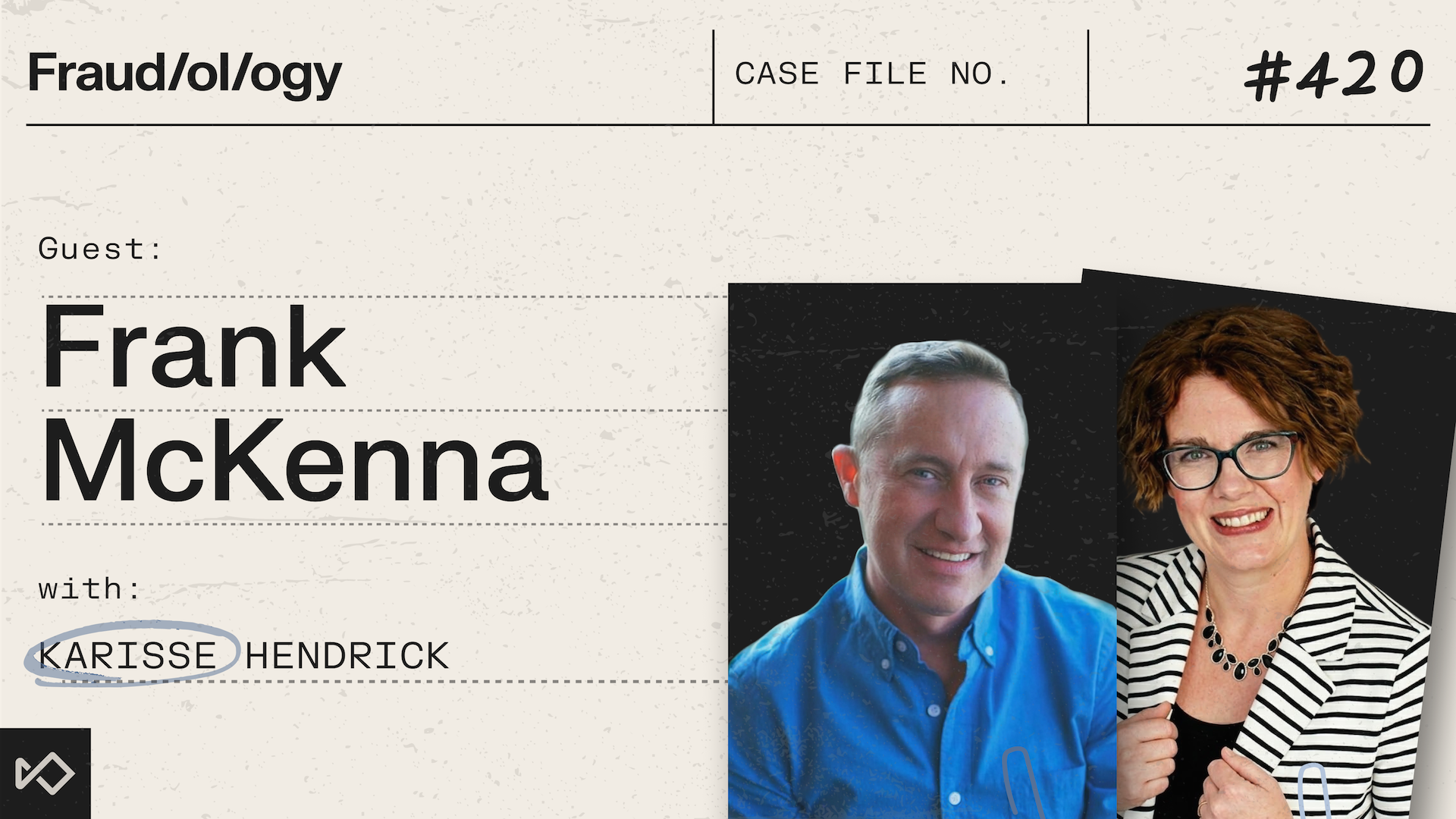
Guest: Frank McKenna
Let’s break this down.
In this episode of Fraudology, I’m joined by fraud expert Frank McKenna to unpack a category of scams that doesn’t get enough attention. Not just fraud committed against victims, but fraud where victims are manipulated into becoming part of the fraud itself.
Because here’s what’s actually happening.
Fraudsters are getting better at recruiting people into schemes without those individuals realizing the legal and financial consequences. Whether it’s through credit privacy number scams, fake merchant account opportunities, or social media recruitment, many people are pulled into fraud operations under the illusion that they’re participating in something legitimate.
And the reality is pretty troubling.
Frank and I talk about how CPN fraud schemes are built around stolen Social Security numbers that are marketed as “legal” credit profile alternatives. These scams target people struggling with credit, promising a way to rebuild financial identity while actually pulling them into synthetic identity fraud and identity theft activity.
We also discuss FEMA impersonation scams, social media recruitment tactics, and the ways criminals exploit people facing financial hardship.
Here is what those CPN fraud schemes mean in practice:
What you’ll hear in this episode
You should listen to this episode if you
If you liked this episode, be sure to subscribe and review the podcast on iTunes, Spotify, YouTube, or wherever you listen to podcasts. It really helps with getting the word out.
One of the most concerning scams discussed in this episode involves credit privacy numbers, often referred to as CPNs. These numbers are marketed as a legal way to start over with a new credit identity.
But the reality is much different.
CPNs are often stolen Social Security numbers that belong to real individuals, including children or people who may not actively use credit. Fraudsters package these numbers as tools for building “clean” credit profiles.
Operational indicators may include:
These scams can leave both the victim of identity theft and the person using the number exposed to legal consequences.
Another theme Frank and I discuss is how scammers target people who are financially vulnerable. Many individuals recruited into these schemes are promised quick income opportunities or solutions to their financial problems.
Operational indicators may include:
These recruitment strategies allow criminals to expand their fraud networks without directly exposing themselves.
Social media platforms have become a powerful recruitment tool for fraud networks. Fraudsters use posts, direct messages, and private groups to advertise fraudulent opportunities.
Operational indicators may include:
The scale of social media means these scams can spread quickly and reach large audiences.
The final takeaway from this episode is the importance of consumer awareness. Many of these schemes succeed because people simply don’t know the warning signs.
Operational indicators may include:
And honestly, this is where education becomes one of the most powerful fraud prevention tools we have.
Because when people understand how these scams actually work, it becomes much harder for fraudsters to recruit new participants.