38 min
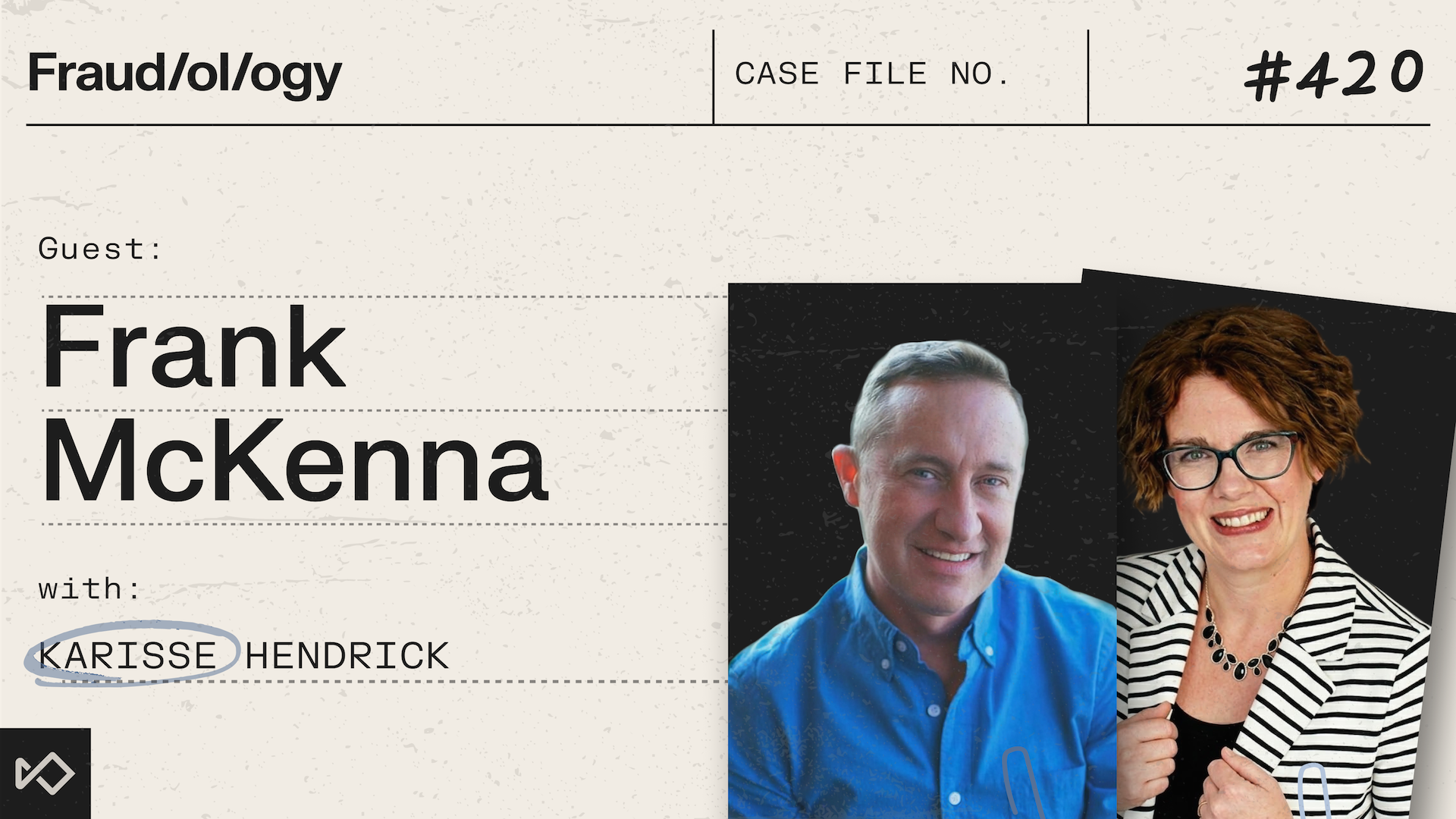
Frank McKenna and Mary Ann Miller
Today we are talking about fraud industry predictions 2023 and doing something I think more people in fraud should do more often, which is go back, review what we thought was coming, and be honest about what actually happened.
I sat down with two long-time friends and fraud experts, Frank McKenna and Mary Ann Miller, to revisit the predictions we shared at the start of the year and compare them to what we had actually seen in the first six months of 2023\. Some predictions came true, even though we really wished they had not. Some did not show up the way we expected. And some of the biggest developments were not even on the original list.
That is why I love conversations like this. Fraud industry predictions 2023 are not just about being right or wrong. They are about sharpening how we think, learning from what the market is telling us, and paying closer attention to the signals that matter across banking, fintech, ecommerce, marketplaces, and beyond.
And that matters.
Because fraud does not stand still, and neither should fraud strategy. A mid-year fraud review helps us look at the fraud trends 2023 actually delivered, what those shifts mean for the rest of the year, and what fraud leaders should be watching more closely now.
What you’ll hear in this episode:
You should listen to this episode if you:
If you liked this episode, be sure to subscribe and review the podcast on iTunes, Spotify, YouTube, or wherever you listen to podcasts. It really helps with getting the word out.
Let’s break this down.
One of the most useful things fraud teams can do is stop treating predictions like a one-time January exercise. Fraud industry predictions 2023 only become valuable if we revisit them, stress test them, and learn from the differences between what we expected and what actually unfolded. That is exactly what this episode does.
A lot can happen in six months. Some threats accelerate. Others stall. Some trends that looked obvious early in the year turn out to be less significant than expected, while completely different attack patterns end up dominating headlines. A mid-year fraud review helps teams avoid clinging to outdated assumptions and instead respond to the reality in front of them.
Here is what is actually changing:
Here’s what’s actually happening.
The first half of 2023 was a reminder that fraud is rarely confined to one sector or one tactic. Banking fraud trends, ecommerce fraud trends, fintech fraud risks, and identity fraud trends all kept evolving, often in ways that overlapped more than people expected. That cross-industry movement is part of what makes fraud so hard to predict neatly.
This conversation looks at which predictions came true, which ones did not, and what the broader online fraud industry can learn from that. The goal is not just to score predictions. It is to understand what the last six months revealed about how fraudsters are adapting and where defenders may still be underestimating the risk.
This is one of the most important parts of the conversation.
Some of the most valuable learning in a prediction review comes from what did not make the list. Fraud experts can identify likely patterns, but there are always emerging fraud threats that rise faster than expected or in a completely different form. That is why reviewing the gaps matters just as much as reviewing the hits.
If you only focus on the predictions that were accurate, you miss what the market taught you. The surprise developments, unexpected headlines, and evolving fraud tactics that were not on anyone’s radar are often where the most useful lessons live. That is especially true for leaders trying to prepare teams for what could still happen in the second half of the year.
A good mid-year check-in is not only about looking backward. It is also about refining what deserves attention next. That is where this conversation becomes especially useful. Frank, Mary Ann, and I talk through the issues we are keeping an eye on and where we think the fraud landscape could create bigger challenges before year-end.
That kind of forward-looking thinking matters because fraud prevention forecasts are only helpful if they lead to better preparation. Whether you are focused on payment fraud trends, marketplace fraud trends, banking fraud trends, or broader cyber fraud predictions, the question is the same. What do you need to pay closer attention to now so you are not reacting too late later?
The big takeaway from this episode is pretty straightforward. Fraud industry predictions 2023 are most useful when they become part of an ongoing conversation, not a static list. Looking at what came true, what surprised us, and what still looks risky helps teams make better decisions for the rest of the year. That kind of honest review is how fraud leaders stay sharper, more adaptive, and more prepared for what comes next.